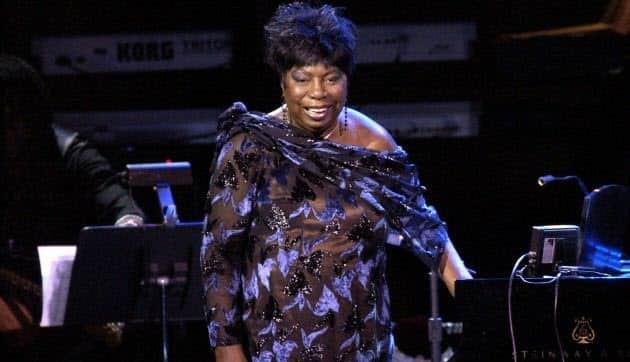
Nina Simone, the High Priestess of Soul, remains one of the most iconic and influential artists of all time. Her music transcends genres, blending jazz, blues, classical, and folk into a sound uniquely her own. More than just a singer or pianist, she was a powerful voice for civil rights, equality, and artistic freedom. Nina Simone’s songs are not just melodies—they are emotional experiences, deeply rooted in her personal struggles and her unflinching commitment to justice and truth.
With a career spanning over four decades, Simone’s music has left an indelible mark on generations of listeners. Her hauntingly beautiful voice, combined with her unmatched ability to convey raw emotion, makes her catalog a treasure trove of unforgettable classics. From poignant ballads to fiery anthems, her songs resonate with themes of love, pain, resilience, and empowerment.
In this article, we’ll celebrate her incredible legacy by exploring the top 10 most popular Nina Simone songs of all time. Whether you’re a lifelong fan or someone discovering her brilliance for the first time, these tracks capture the essence of her genius. So sit back, press play, and let the magic of Nina Simone’s music transport you to a world of timeless artistry.
1. Feeling Good (1965)
“Feeling Good” is one of Nina Simone’s most defining performances, a song that radiates triumph, renewal, and empowerment. Originally written for the 1964 musical The Roar of the Greasepaint – The Smell of the Crowd, Simone’s 1965 rendition on her album I Put a Spell on You took it to another level. Her version is drenched in emotion, turning the song into a personal declaration of freedom and rebirth.
The orchestration, led by dramatic horns and sweeping strings, builds a rich, cinematic atmosphere, but it’s Simone’s voice that truly steals the show. She delivers every line with a raw, commanding intensity, as if she’s experiencing the newfound joy firsthand. The lyrics, filled with imagery of nature—birds flying high, sun in the sky, a breeze drifting by—symbolize a fresh start, an unburdened existence. It’s no wonder the song has been embraced as an anthem of liberation, both politically and personally.
Over the years, “Feeling Good” has been covered by countless artists, but none have matched Simone’s ability to infuse it with such profound emotion. Her version remains the definitive take, an iconic piece of music that continues to inspire and uplift generations.
2. Sinnerman (1965)
“Sinnerman” is one of Nina Simone’s most mesmerizing and powerful recordings, a nearly 10-minute spiritual journey that blends gospel, jazz, and folk into a hypnotic masterpiece. Released on her 1965 album Pastel Blues, the song builds in intensity, creating a relentless, urgent rhythm that grips the listener from start to finish.
The track’s origins trace back to an old African American spiritual, but Simone transforms it into something uniquely her own. Her rapid, pounding piano playing lays the foundation for the song’s feverish energy, while the driving percussion and clapping hands enhance its pulsating momentum. The lyrics tell the story of a sinner desperately seeking refuge, only to find no salvation. As Simone repeats phrases like “run to the rock,” her voice grows more impassioned, making the listener feel the weight of desperation and impending doom.
“Sinnerman” is more than just a song—it’s an experience, a raw expression of guilt, fear, and the search for redemption. Its hypnotic, trance-like effect has led to its use in films, television, and remixes, further cementing its status as one of Simone’s most captivating works.
3. I Put a Spell on You (1965)
When Nina Simone recorded “I Put a Spell on You” in 1965, she transformed it from a bluesy novelty song into a haunting, deeply emotional ballad. Originally written and recorded by Screamin’ Jay Hawkins in 1956, his version was wild and theatrical, full of eerie howls and dark humor. Simone, however, stripped it down to its emotional core, turning it into a sultry, passionate declaration of obsessive love.
Her voice is both vulnerable and commanding, shifting effortlessly between tenderness and desperation. The orchestral arrangement adds a layer of drama, with swelling strings and a slow, deliberate tempo that heightens the tension. Simone delivers each line with raw intensity, as if she’s willing her love to stay through sheer force of will. The repeated phrase “because you’re mine” carries a quiet but undeniable power, leaving no doubt about the depth of emotion behind it.
Over the years, this version of “I Put a Spell on You” has become one of Simone’s most celebrated recordings. It’s been covered by many artists, but none have matched the haunting beauty and emotional complexity that she brought to it.
4. My Baby Just Cares for Me (1958)
“My Baby Just Cares for Me” is one of Nina Simone’s most playful and charming recordings, a jazz standard that showcases her impeccable piano skills and effortless vocal delivery. Originally written in 1930 by Gus Kahn and Walter Donaldson, Simone recorded it for her debut album Little Girl Blue in 1958. At the time, it was just one of many tracks on the record, but decades later, it became one of her most recognizable songs.
The song’s lyrics celebrate a love that isn’t based on material wealth or societal expectations—her baby doesn’t care about fancy clothes, high-profile celebrities, or luxury, just about her. Simone’s lighthearted yet sophisticated vocal phrasing adds to the song’s irresistible charm, while her jazz-infused piano playing brings a lively, swinging energy.
Though the song was initially overlooked, it experienced a massive resurgence in 1987 when it was featured in a Chanel No. 5 commercial. This unexpected revival introduced Simone’s music to a whole new audience, solidifying “My Baby Just Cares for Me” as one of her signature songs. Even today, it remains a delightful and timeless gem in her catalog.
5. Don’t Let Me Be Misunderstood (1964)
“Don’t Let Me Be Misunderstood” is one of Nina Simone’s most emotionally raw and deeply personal recordings. Released in 1964 on her album Broadway-Blues-Ballads, the song is a heartfelt plea for understanding, capturing the inner turmoil of someone who struggles to be seen for who they truly are. While the song was later popularized by The Animals as a rock anthem, Simone’s version remains the most intimate and vulnerable interpretation.
The arrangement is simple yet effective, with a soft piano melody and subtle orchestration that allow Simone’s voice to take center stage. She sings with a mix of sorrow and defiance, her phrasing full of aching sincerity. The lyrics reflect a universal longing—to be loved despite flaws, to be understood beyond surface-level judgments. The repeated refrain, “Don’t let me be misunderstood,” feels like a direct, personal appeal, making the listener feel every ounce of longing and frustration.
Simone’s version carries an emotional weight that later covers rarely captured. Her ability to channel pain and resilience through her music makes this track one of her most powerful and enduring songs. It remains an anthem for anyone who has ever felt misrepresented or unseen.
6. I Loves You, Porgy (1958)
“I Loves You, Porgy” is one of the most delicate and heartbreaking performances in Nina Simone’s catalog. Recorded for her debut album Little Girl Blue in 1958, this song—originally from George Gershwin’s opera Porgy and Bess—became Simone’s first hit, showcasing her ability to convey deep emotion with subtlety and grace.
Unlike many renditions of the song, which emphasize operatic grandeur, Simone’s interpretation is deeply intimate. Her piano playing is soft and measured, creating a dreamlike atmosphere that perfectly complements her fragile yet expressive vocals. She sings with a quiet desperation, as if pleading for a love she knows is fleeting. The restraint in her voice only enhances the song’s emotional weight, making every word resonate.
“I Loves You, Porgy” was a defining moment for Simone early in her career, proving her ability to turn a well-known standard into something uniquely her own. The song remains one of her most beloved recordings, a testament to her ability to blend classical, jazz, and blues influences into something timeless and deeply moving.
7. Mississippi Goddam (1964)
“Mississippi Goddam” is one of the most powerful protest songs ever recorded, a fearless and uncompromising statement against racial injustice in America. Released in 1964 as part of the album Nina Simone in Concert, the song was written in response to the assassination of Medgar Evers and the bombing of the 16th Street Baptist Church in Birmingham, Alabama, which killed four Black girls.
Unlike many protest songs that take a solemn tone, Simone’s approach is biting and satirical. The upbeat, show tune-like melody contrasts sharply with the searing, uncompromising lyrics. She sings with urgency and controlled anger, delivering lines that call out systemic racism and demand change. The chorus—”Alabama’s got me so upset, Tennessee made me lose my rest, and everybody knows about Mississippi Goddam”—captures the frustration and exhaustion of the Civil Rights era.
At the time, the song was highly controversial, and some radio stations refused to play it. Yet, it became an anthem of resistance, solidifying Simone’s role not just as a musician but as an activist. Decades later, its message remains as relevant as ever, proving the enduring power of Simone’s fearless artistry.
8. Wild Is the Wind (1966)
“Wild Is the Wind” is one of the most hauntingly beautiful songs Nina Simone ever recorded. Originally written for the 1957 film of the same name and first recorded by Johnny Mathis, Simone made it her own when she included it on her 1966 album Wild Is the Wind. Her version is a masterclass in restraint and raw emotion, turning the song into a deeply intimate experience.
The song’s lyrics speak of an all-consuming, untamed love—one that is passionate, yet unpredictable and fragile. Simone’s voice trembles with emotion, moving effortlessly from whisper-soft vulnerability to soaring intensity. Her sparse piano accompaniment enhances the song’s melancholic mood, allowing her vocals to take center stage. Every note feels purposeful, every phrase imbued with longing.
“Wild Is the Wind” has been covered by many artists, most notably David Bowie, who cited Simone’s version as a major inspiration. However, her rendition remains unmatched in its depth and sincerity. The song stands as one of her finest moments, a testament to her ability to transform simple melodies into something transcendent.
9. Four Women (1966)
“Four Women” is one of Nina Simone’s most striking and socially conscious compositions. Released on her 1966 album Wild Is the Wind, the song is a bold, unflinching portrait of four different Black women, each representing a distinct identity shaped by race, history, and personal struggle.
Simone structures the song as a series of vignettes, each verse introducing a new character: Aunt Sarah, a woman who has endured a life of servitude and suffering; Saffronia, the child of a white man and a Black woman, torn between two worlds; Sweet Thing, a woman who uses her beauty and sexuality for survival; and Peaches, a defiant figure full of rage and resistance. Each character’s story is sung with distinct phrasing and vocal inflection, making them feel vividly real.
The song’s haunting melody and repetitive, almost hypnotic structure drive its message home, forcing listeners to confront uncomfortable truths about racism, colorism, and oppression. At the time of its release, “Four Women” was controversial, but it has since become one of Simone’s most celebrated works—an enduring, uncompromising statement on the Black female experience.
10. Ain’t Got No, I Got Life (1968)
“Ain’t Got No, I Got Life” is a triumphant anthem of resilience and self-empowerment, released in 1968 on Simone’s album Nuff Said!. The song is a mashup of two numbers from the musical Hair, but Simone transforms it into something entirely her own, infusing it with a powerful message of perseverance.
The song begins with a stark list of things the singer lacks—home, money, food, love—painting a picture of struggle and deprivation. But then, the tone shifts dramatically, as Simone defiantly proclaims all the things she does have: her body, her mind, her heart, her freedom. The energy builds, turning the song into a celebration of life’s most fundamental blessings.
Simone’s delivery is electrifying, moving from a hushed, introspective start to an explosive, joyful climax. The song became a massive hit, particularly in Europe, and remains one of her most uplifting recordings. Decades later, “Ain’t Got No, I Got Life” continues to resonate as an anthem of self-worth, reminding listeners that even in the face of hardship, there is always something to hold onto.

Edward Tomlin is a frequent contributor to Singers Room. Since 2005, Singersroom has been the voice of R&B around the world. Connect with us via social media below.







