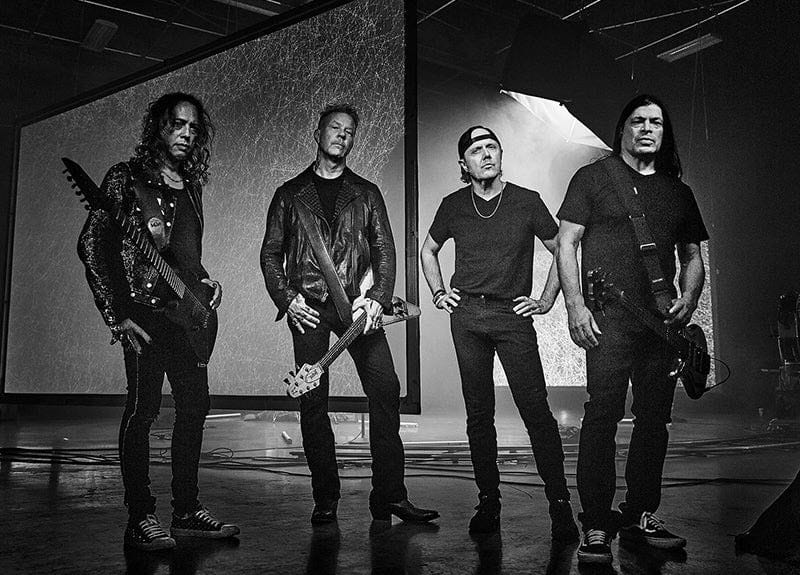
For over four decades, Metallica has reigned supreme as one of the most iconic and influential bands in the history of heavy metal. Known for their blistering guitar riffs, thunderous drum beats, and lyrics that delve into raw emotion and societal rebellion, Metallica has carved an indelible mark on the music world. Whether you’re a die-hard fan who knows every lyric by heart or a casual listener who’s headbanged to their legendary tracks, there’s no denying the band’s unparalleled impact on the genre.
In this article, we’ll take you on a high-octane ride through Metallica’s all-time greatest hits—songs that have defined generations, ignited mosh pits, and stood the test of time. From the thrash-metal anthems of their early days to the more polished, soul-stirring ballads of later years, these tracks showcase the band’s evolution and raw power. Get ready to dive into the electrifying world of Metallica as we count down their top 10 most popular songs of all time. Warning: this journey may induce goosebumps, air-guitar solos, and an uncontrollable urge to crank the volume up to 11. Let’s unleash the metal madness!
1. Master of Puppets (1986)
The title track from Metallica’s Master of Puppets album isn’t just a song—it’s a thrash metal epic that redefined the genre. Released in 1986, this eight-minute masterpiece delves into the dark themes of addiction and control, painting a haunting picture of a person being manipulated by an unseen force. The song’s structure is dynamic, transitioning from blistering speed-metal riffs to a melodic, eerie midsection before launching back into an aggressive finale.
James Hetfield’s vocals are commanding, delivering the lyrics with a sense of urgency and frustration, while Kirk Hammett’s guitar work is both intricate and explosive. Lars Ulrich’s drumming provides a relentless backbone, keeping the song driving forward with unrelenting intensity. The haunting breakdown in the middle, followed by the soaring, harmonized guitars, adds an unexpected but powerful emotional depth to the song.
“Master of Puppets” quickly became one of Metallica’s signature songs and remains a staple of their live performances. It’s widely considered one of the greatest heavy metal songs of all time, influencing countless bands and earning a permanent place in rock history. The track is not only a sonic assault but also a lyrical and thematic powerhouse, making it a defining moment in Metallica’s career.
2. Enter Sandman (1991)
When Metallica released Enter Sandman as the lead single from their 1991 self-titled album (The Black Album), they didn’t just create a song—they crafted an anthem that would dominate rock radio and stadiums for decades. The song’s eerie, creeping intro, built on an unforgettable clean guitar riff, sets the stage for one of the most recognizable build-ups in rock history.
Lyrically, Enter Sandman explores childhood nightmares and the fear of the unknown, giving the track a sinister edge. Hetfield’s lyrics invoke images of creeping shadows and bedtime prayers twisted into something far more unsettling. The song’s massive, chugging riff and pounding drums create an atmosphere of suspense before exploding into a powerful chorus that demands to be sung at full volume.
This track marked Metallica’s shift toward a more accessible sound, without sacrificing their heavy roots. The combination of haunting melodies, crushing riffs, and a thunderous groove made Enter Sandman an instant classic. To this day, it remains a staple in Metallica’s live performances and a gateway song for new fans discovering the band’s music.
3. One (1988)
A haunting blend of storytelling and musical aggression, One from Metallica’s 1988 album …And Justice for All is one of the band’s most emotionally charged tracks. Inspired by Dalton Trumbo’s novel Johnny Got His Gun, the song tells the harrowing tale of a soldier who has lost his limbs and senses in war, leaving him trapped in his own mind.
The song opens with a somber, clean guitar passage, setting a melancholic tone before building into a slow-burning verse. Hetfield’s lyrics vividly depict the soldier’s torment, making One a deeply unsettling and poignant experience. The song gradually intensifies, leading to one of the most explosive climaxes in metal history.
By the time Kirk Hammett’s rapid-fire solo kicks in, and Lars Ulrich’s machine-gun-like double bass drumming takes over, the song transforms into an all-out thrash assault. This dramatic shift in tempo mirrors the protagonist’s growing desperation. One was also Metallica’s first music video, bringing the song’s tragic narrative to life and cementing its place as one of their most powerful compositions.
4. Fade to Black (1984)
Fade to Black marked a turning point for Metallica when it appeared on their 1984 album Ride the Lightning. The song was their first real venture into ballad territory, introducing softer, melancholic passages alongside their signature heavy riffs. This contrast between melody and aggression became a staple of Metallica’s songwriting in later years.
The song’s acoustic intro sets a sorrowful mood, with Hetfield’s lyrics conveying deep feelings of despair and hopelessness. The introspective verses lead into heavier, more emotional sections, as the music mirrors the protagonist’s internal struggle. Kirk Hammett delivers one of his most emotionally charged guitar solos, building the song toward its cathartic, electrifying climax.
Fade to Black resonated with many fans, as its themes of loneliness and despair were deeply relatable. Though controversial at the time for its introspective tone, the song ultimately helped Metallica expand their sound, proving that heavy metal could be both powerful and deeply emotional.
5. Nothing Else Matters (1991)
A song unlike anything Metallica had ever recorded before, Nothing Else Matters became one of the band’s most beloved tracks. Released in 1991 on The Black Album, it broke away from their thrash roots, embracing a softer, more melodic sound with orchestral elements.
Hetfield originally wrote the song as a personal love letter, never intending to release it. However, the deeply introspective lyrics and the song’s hauntingly beautiful melody resonated with listeners, making it one of Metallica’s most iconic ballads. The song’s delicate opening notes, played on a fingerpicked electric guitar, immediately draw the listener in, while the orchestral swells add an emotional depth that was new for Metallica at the time.
Despite being a departure from their heavier material, Nothing Else Matters became a massive hit, showing that Metallica could connect with audiences on an emotional level without sacrificing their identity. To this day, it remains one of their most performed and covered songs.
6. Seek & Destroy (1983)
From their 1983 debut Kill ‘Em All, Seek & Destroy is a pure thrash anthem, raw and unfiltered. The song embodies the youthful energy and defiance that Metallica was known for in their early years. With its fast tempo, choppy guitar riffs, and an unforgettable, chant-like chorus (“Seek and destroy!”), Seek & Destroy quickly became a fan favorite and a live staple.
The song’s lyrics, which carry a rebellious and destructive edge, are delivered with Hetfield’s signature growl, underscoring the band’s early spirit of aggression and anarchy. The riff is instantly recognizable, with its relentless, pulsating rhythm that drives the song forward with a sense of urgency.
What stands out about Seek & Destroy is how it combines thrash metal’s ferocity with a sense of camaraderie. The call to “seek and destroy” isn’t just a personal battle—it’s a rallying cry, an invitation to dive into the chaos of life with abandon. This feeling of unity and defiance is what makes the track resonate with listeners to this day.
Despite the band’s evolution over the years, Seek & Destroy remains a cornerstone of Metallica’s catalog. It’s a testament to their early days and a reflection of the band’s relentless energy and drive that would define them for decades.
7. Ride the Lightning (1984)
The title track of Metallica’s 1984 album Ride the Lightning is an aggressive and introspective exploration of fate, mortality, and the human experience. Combining thrash metal’s speed and ferocity with deep philosophical musings, the song represents a crucial moment in Metallica’s growth as musicians.
The song begins with a haunting, almost atmospheric intro that builds slowly before bursting into a furious riff. Hetfield’s lyrics detail a person’s emotional and existential struggles as they face an inevitable fate, echoing themes of death, destiny, and the human condition. The track’s alternating tempos—fast and furious one moment, slow and deliberate the next—mirror the internal tension of confronting one’s mortality.
The song’s most striking feature is its complex structure, with shifting time signatures and a sense of unpredictability that keeps the listener on edge. The powerful solos from Hammett add a layer of intensity, transforming the track into a sonic journey through a tumultuous emotional landscape.
Ride the Lightning marked Metallica’s maturation as a band, showcasing their ability to blend intricate songwriting with brutal heaviness. It’s a thrilling, challenging listen that captures the band’s evolving sound at a pivotal moment in their career.
8. For Whom the Bell Tolls (1984)
Based on Ernest Hemingway’s novel For Whom the Bell Tolls, this song from Ride the Lightning is one of Metallica’s most powerful and cinematic tracks. The song’s haunting bass intro, courtesy of Cliff Burton, sets the tone for a dark meditation on war, mortality, and the human experience.
The lyrics, delivered with Hetfield’s usual intensity, convey a sense of impending doom and futility. The track explores the psychological and emotional toll of war, from both the personal and existential perspectives. The imagery of the novel, in which the bell tolls for the dead, is mirrored in the song’s somber tone and crushing rhythm.
Musically, For Whom the Bell Tolls is a standout. The song’s mid-tempo pacing creates an atmosphere of unease, while the steady, methodical riffing mimics the ticking of time—counting down to the inevitable. Hammett’s soaring guitar solos elevate the emotional depth of the song, and the pounding rhythm section creates a sense of urgency that pulls the listener deeper into the narrative.
For Whom the Bell Tolls has become one of Metallica’s defining songs, showcasing their ability to blend literary themes with powerful, aggressive music. It remains a cornerstone of their live set, constantly engaging fans with its dramatic intensity.
9. The Unforgiven (1991)
With The Unforgiven from The Black Album, Metallica ventured into uncharted territory, crafting a haunting ballad that blends introspection with crushing heaviness. The song’s lyrics, drenched in regret and emotional conflict, reflect on the idea of personal redemption and the weight of past mistakes.
What makes The Unforgiven stand out is its unique structure. The song opens with a clean, eerie guitar intro that gives way to verses that alternate between a soft, contemplative tone and the powerful, thunderous choruses Metallica is known for. The tension between these contrasting sections adds to the song’s emotional depth. Hetfield’s vocals are raw, capturing a sense of struggle and vulnerability. The lyrics themselves, which examine themes of rejection, self-worth, and forgiveness, are deeply personal and relatable.
The bridge of the song brings a sense of closure, as the band transitions into a heavy, cathartic outro that reflects the emotional release that comes with coming to terms with one’s past. The Unforgiven became a major hit, showcasing Metallica’s ability to evolve and experiment with their sound while still maintaining their core identity. It remains one of the band’s most beloved tracks.
10. Battery (1986)
Battery, the opening track of Metallica’s Master of Puppets, is a relentless, high-speed thrash anthem that sets the tone for the rest of the album. From its acoustic intro to its thunderous crescendo, Battery is a sonic explosion of aggression and intensity, encapsulating everything that makes Metallica so iconic.
The song begins with an eerie, clean guitar riff that builds suspense before giving way to a full-throttle, chugging riff that is nothing short of ferocious. Hetfield’s snarling vocals cut through the chaos, delivering lyrics that are both defiant and empowering. The song’s rapid-fire pacing and driving rhythm reflect the themes of personal empowerment and unrelenting force.
Lyrically, Battery explores themes of strength, rebellion, and self-determination, with Hetfield’s impassioned delivery making each word feel like a battle cry. The song’s explosive energy is enhanced by Ulrich’s rapid, precise drumming and Hammett’s scorching solos.
Battery remains one of Metallica’s most iconic tracks, a fan favorite that epitomizes their raw power and speed. It’s a brutal, cathartic track that serves as a perfect introduction to Master of Puppets, embodying everything that makes Metallica a thrash metal institution.

Edward Tomlin is a frequent contributor to Singers Room. Since 2005, Singersroom has been the voice of R&B around the world. Connect with us via social media below.









