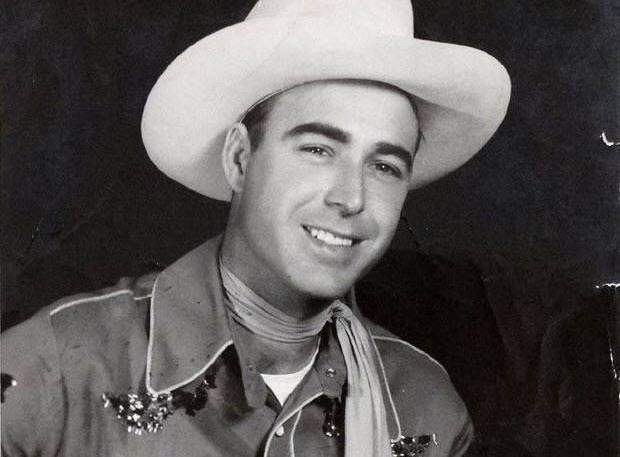
Johnny Horton, the legendary “Singing Fisherman,” left an indelible mark on the world of country music and beyond. Known for his captivating voice, vivid storytelling, and ability to bring history to life through song, Horton became a cultural icon whose music transcends generations. His unique blend of country, rockabilly, and honky-tonk gave rise to unforgettable hits that have stood the test of time. From heartfelt ballads to high-energy historical narratives, Johnny Horton’s songs capture a spirit of adventure and nostalgia that continues to resonate with fans worldwide.
In this article, we’ll take a journey through the top 10 most popular Johnny Horton songs of all time—tracks that not only defined his career but also helped shape the music landscape of the 1950s and 1960s. Whether you’re a lifelong fan or just discovering his music, prepare to be transported to a world of epic stories, timeless melodies, and a voice that could make history come alive. From the haunting ballad of love and loss to the rousing anthems of American history, these songs showcase the genius of a man whose music remains as vibrant and influential today as it was decades ago. Let’s dive into the unforgettable legacy of Johnny Horton!
1. The Battle of New Orleans (1959)
Johnny Horton’s “The Battle of New Orleans” is more than just a song—it’s an electrifying history lesson set to music. Released in 1959, this spirited retelling of the famous 1815 battle during the War of 1812 became one of Horton’s most defining hits. With its infectious rhythm, lighthearted storytelling, and vivid lyrics, the song captured the imagination of listeners and quickly climbed the charts, earning Horton a Grammy Award for Best Country & Western Recording.
The song, written by Jimmy Driftwood, transforms a pivotal moment in American history into an energetic, toe-tapping anthem. The lyrics paint a humorous picture of American troops, led by Andrew Jackson, outwitting the British by using unconventional battle tactics, even firing alligator-loaded cannons. The playful delivery and marching beat make the song feel both fun and triumphant, ensuring its lasting appeal.
“The Battle of New Orleans” became a crossover hit, topping both country and pop charts, and remains one of the most recognizable historical-themed songs in music history. Its influence can be heard in later folk and country storytelling traditions, proving that Horton had a unique ability to make history come alive through music. Even today, the song remains a favorite, often played at patriotic events and celebrations of American heritage.
2. North to Alaska (1960)
Released in 1960 as the theme song for the John Wayne film of the same name, “North to Alaska” perfectly captures the adventurous spirit of the Gold Rush era. Johnny Horton’s booming voice and lively instrumentation bring the song’s tale of prospectors seeking fortune to life, making it one of his most enduring tracks.
The song tells the story of Sam McCord, a gold miner heading north to Alaska with his riches. But rather than seeking more gold, Sam is on a different kind of quest—bringing back a woman for his partner, George. The lyrics balance excitement, humor, and the rugged determination associated with the Gold Rush, making listeners feel as though they’re right alongside the prospectors, experiencing the highs and lows of their journey.
Musically, the song has a rollicking, almost danceable quality, with twangy guitar riffs and an upbeat tempo that keep the energy high. The chorus, with its soaring harmonies, is instantly memorable, making it easy to sing along.
Despite being tied to a movie, “North to Alaska” took on a life of its own, becoming a staple in Horton’s catalog. It remains a favorite among country and folk fans who appreciate its storytelling and frontier spirit.
3. Sink the Bismarck (1960)
“Sink the Bismarck” is one of Johnny Horton’s most thrilling and dramatic songs, released in 1960. Inspired by the real-life World War II naval battle, the song recounts the British Royal Navy’s pursuit and eventual sinking of the German battleship Bismarck in 1941. With its pounding rhythm and urgent storytelling, the song captures the intensity of one of the most significant naval engagements of the war.
Written by Tillman Franks and Don Wayne, the song’s lyrics vividly describe the might of the Bismarck, the destruction it caused, and the determination of the British forces to take it down. Horton’s passionate delivery, backed by driving instrumentals, makes listeners feel as if they are right in the midst of the action, sailing across the Atlantic alongside the fleet. The song’s dramatic storytelling, complete with imagery of fire, steel, and relentless pursuit, turns a historical event into an unforgettable musical experience.
“Sink the Bismarck” was a major hit upon its release, further solidifying Horton’s reputation as a master of historical ballads. It remains a favorite among history buffs and country music fans alike, proving that great storytelling, paired with an energetic melody, can make history come alive in unexpected ways.
4. When It’s Springtime in Alaska (It’s Forty Below) (1959)
“When It’s Springtime in Alaska (It’s Forty Below)” is a hauntingly beautiful country ballad that tells a tale of love and betrayal in the frozen north. Released in 1959, the song showcases Johnny Horton’s ability to blend rich storytelling with an unforgettable melody, creating a piece that lingers in the minds of listeners long after it ends.
The song’s lyrics follow a drifter who arrives in Fairbanks, Alaska, only to fall for a beautiful woman at a local bar. However, he soon discovers that she is already taken—by a jealous, vengeful man. The tragic twist at the end adds a layer of drama that makes the song stand out among other country ballads of its time. The stark contrast between the song’s warm, romantic verses and its chilling, deadly conclusion is part of what makes it so compelling.
Musically, the song features a slow, waltz-like rhythm that gives it a dreamy, nostalgic feel. Horton’s deep, expressive voice perfectly captures the loneliness and longing of the protagonist, making the listener feel every emotion in the story. “When It’s Springtime in Alaska” remains one of Horton’s most beloved songs, proving that country music is at its best when it tells a powerful story.
5. Honky-Tonk Man (1956)
“Honky-Tonk Man” is a defining track of the honky-tonk genre, blending upbeat country rhythms with lyrics about a man who just can’t resist the call of nightlife. Released in 1956, it was Johnny Horton’s breakout hit and one of the songs that helped shape the sound of rockabilly-infused country music.
The song paints a vivid picture of a man who spends his nights in honky-tonk bars, drinking, dancing, and chasing women, despite the consequences. The lyrics carry a mix of humor and self-awareness, portraying the honky-tonk lifestyle as both thrilling and self-destructive. Horton’s energetic performance and the song’s lively instrumentation make it impossible to sit still while listening.
“Honky-Tonk Man” became a major hit and remains one of Horton’s most recognizable songs. Its impact extended beyond his career, influencing future country and rock artists, including Dwight Yoakam, who recorded a successful cover of the song in the 1980s. With its infectious beat and timeless theme of wild nights and reckless romance, “Honky-Tonk Man” continues to be a favorite for country music lovers and honky-tonk bar-goers alike.
6. Whispering Pines (1959)
“Whispering Pines” is a deeply emotional ballad that stands in contrast to Johnny Horton’s more upbeat and adventurous songs. Released in 1959, this song showcases Horton’s softer side, offering a melancholic reflection on loneliness, longing, and lost love. With its gentle melody and heartfelt lyrics, “Whispering Pines” remains one of the most touching songs in his catalog.
The song’s lyrics paint a vivid picture of a lonely soul seeking comfort in nature, with the whispering pines acting as silent witnesses to his sorrow. Horton’s rich and expressive vocals carry a deep sense of yearning, making it easy for listeners to connect with the emotions behind the song. The arrangement is simple yet effective, featuring a slow, waltz-like rhythm that adds to its dreamlike quality.
“Whispering Pines” has been praised for its poetic storytelling and emotional depth, proving that Horton was more than just a singer of historical ballads and honky-tonk anthems. The song has remained a favorite among traditional country music fans, appreciated for its haunting beauty and timeless sentiment. It serves as a testament to Horton’s ability to bring raw emotion to his music, making listeners feel every note and word.
7. Johnny Reb (1959)
Released in 1959, “Johnny Reb” is one of Johnny Horton’s most well-known historical ballads, paying tribute to the soldiers who fought for the Confederacy during the American Civil War. The song captures the hardships and camaraderie of the battlefield, telling the story of a Confederate soldier from a sympathetic perspective.
With a marching rhythm and a melody that evokes the sounds of military drums, the song has a distinct, anthemic quality. The lyrics describe the loyalty and bravery of the Southern soldiers, emphasizing their perseverance despite the odds. Horton’s vocal delivery adds to the song’s emotional impact, giving it a sense of pride and sorrow at the same time.
While “Johnny Reb” has been a subject of debate due to its theme, it remains an important part of Horton’s discography. The song is a reflection of his ability to bring history to life through music, much like his other hits about real-life battles and historical events. Over the years, it has been covered by several artists and continues to be recognized for its storytelling and musical craftsmanship.
8. I’m Coming Home (1956)
“I’m Coming Home” is a feel-good, rockabilly-influenced country song that captures the excitement of reuniting with a loved one. Released in 1956, this track highlights Johnny Horton’s ability to deliver upbeat, high-energy performances that make you want to tap your feet.
The song’s lyrics are simple yet effective, telling the story of a man eagerly making his way home to the person he loves. The driving rhythm and lively guitar work give the song an infectious energy, making it stand out among Horton’s early recordings. His enthusiastic vocal delivery adds to the sense of urgency and joy, making listeners feel as if they’re right there with him on the journey home.
“I’m Coming Home” may not be as historically themed as some of Horton’s later hits, but it remains an essential part of his career. Its blend of rockabilly and country influences helped solidify his place in both genres, and it remains a fun, nostalgic listen for fans of 1950s music. The song’s upbeat nature and universal theme of returning to a loved one have kept it popular among country music enthusiasts.
9. Comanche (The Brave Horse) (1961)
“Comanche (The Brave Horse),” released in 1961, is a moving tribute to one of the most famous horses in American history. Comanche was the only known survivor of the Battle of Little Bighorn, a conflict between the U.S. Army and Lakota Sioux and Cheyenne warriors in 1876. Through this song, Johnny Horton tells the story of the courageous steed that outlived the battlefield’s devastation.
The song’s melody is steady and solemn, reflecting the reverence given to Comanche’s legacy. The lyrics paint a picture of a warhorse that witnessed both victory and defeat, standing as a silent reminder of the bravery and tragedy of battle. Horton’s deep, expressive vocals bring a sense of dignity to the song, making it more than just a retelling of history—it becomes a heartfelt homage.
“Comanche (The Brave Horse)” is a testament to Horton’s gift for bringing historical stories to life through music. While it doesn’t have the same raucous energy as some of his biggest hits, it remains a powerful and memorable ballad. Fans of history and country music alike appreciate the song’s storytelling and its tribute to a true historical figure.
10. All Grown Up (1958)
“All Grown Up,” released in 1958, is a nostalgic and reflective song about the passage of time and the bittersweet feeling of growing older. Unlike Johnny Horton’s high-energy historical ballads, this track takes a more personal and introspective approach, resonating with listeners who have experienced the inevitable changes that come with time.
The song’s lyrics describe the transition from youth to adulthood, touching on the innocence of childhood and the responsibilities that come with growing up. Horton’s smooth and heartfelt delivery adds to the song’s emotional weight, making it feel like a heartfelt conversation with the listener. The gentle melody and warm instrumentation create a comforting, yet slightly wistful, atmosphere.
“All Grown Up” showcases a different side of Horton as an artist, proving that he was capable of more than just storytelling through history-based songs. His ability to connect with his audience on a deeply emotional level makes this track stand out as one of his most relatable and touching recordings. The song remains a fan favorite, cherished for its simple yet powerful message about life’s inevitable journey.

Edward Tomlin is a frequent contributor to Singers Room. Since 2005, Singersroom has been the voice of R&B around the world. Connect with us via social media below.









