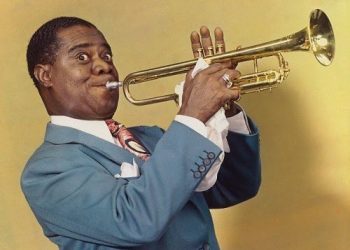
Jazz is more than just music; it’s a boundless expression of creativity, emotion, and innovation. Born in the late 19th century from the rhythms of African-American communities, jazz has evolved into a global phenomenon that transcends genres, cultures, and generations. Its unique blend of improvisation, intricate harmonies, and soulful melodies has captivated millions and left an indelible mark on the world of music.
In this article, we celebrate the trailblazers, virtuosos, and icons who have shaped jazz into the art form we know and love today. These 15 legendary artists are not just musicians—they are storytellers, pioneers, and visionaries who have redefined what it means to create music. From the sultry notes of Billie Holiday to the groundbreaking genius of Miles Davis, and the electrifying energy of John Coltrane to the unshakable rhythms of Duke Ellington, these artists have left a legacy that continues to inspire and influence.
Whether you’re a lifelong jazz enthusiast or new to the genre, this list is your guide to the titans of jazz. So, sit back, turn up your favorite record, and join us as we explore the lives and music of the 15 best jazz artists of all time. Let the journey begin!
1. Louis Armstrong
Few musicians have left as deep a mark on jazz as Louis Armstrong, affectionately known as “Satchmo.” With his unmistakable gravelly voice and virtuosic trumpet playing, Armstrong was a true innovator who helped shape the sound of jazz. His impact extends beyond his technical skills—he had an infectious charm that made every performance feel like a celebration. Whether he was belting out heartfelt lyrics in What a Wonderful World or delivering his joyous take on Hello, Dolly!, Armstrong had a way of making listeners feel something special.
Born and raised in New Orleans, Armstrong’s early years were filled with hardship, but he found solace in music. His talent quickly propelled him into the spotlight, first as a cornetist in King Oliver’s Creole Jazz Band and later as a groundbreaking solo artist. His recordings with the Hot Five and Hot Seven changed jazz forever, introducing dazzling improvisation and dynamic phrasing that set new standards for musicianship.
Beyond his instrumental genius, Armstrong’s voice became one of the most recognizable in music history. His playful scatting, soulful delivery, and impeccable timing brought new life to jazz vocals. Even decades after his passing, Armstrong’s influence can be heard in countless artists across multiple genres. His music continues to bring joy, proving that the power of his artistry is truly timeless.
2. Miles Davis
Miles Davis was more than a musician—he was a visionary who reshaped jazz at every stage of his career. Never content with repeating himself, Davis continually pushed the boundaries of the genre, moving from bebop to cool jazz, from modal jazz to fusion. His album Kind of Blue remains one of the most influential jazz recordings of all time, showcasing a minimalist, modal approach that forever changed improvisation.
Davis’ trumpet playing was unmistakable—moody, expressive, and deeply personal. Unlike many of his contemporaries, he often opted for fewer notes, letting silence speak as much as sound. This approach can be heard in haunting ballads like Blue in Green, where every note feels deliberate and profound. But Davis wasn’t just a master of restraint; he could also be fiercely aggressive, as heard in the electric, experimental soundscapes of Bitches Brew, which fused jazz with rock and funk.
What made Davis a true legend was his ability to surround himself with some of the greatest musicians of all time, from John Coltrane to Herbie Hancock, and bring out the best in them. He had an unparalleled ear for talent, assembling bands that would go on to shape jazz for generations. His restless creativity and refusal to conform ensured that his legacy would endure far beyond his lifetime.
3. Duke Ellington
Duke Ellington wasn’t just a jazz musician—he was a composer, a bandleader, and an artist who transformed jazz into a sophisticated and expressive form of music. His work with the Duke Ellington Orchestra produced some of the most iconic compositions in jazz history, from the elegant Take the ‘A’ Train to the hauntingly beautiful Mood Indigo. His ability to craft melodies that blended swing, blues, and classical influences set him apart as one of the greatest American composers of the 20th century.
Born in Washington, D.C., Ellington was a natural talent at the piano, but his genius lay in his ability to arrange music in a way that gave every instrument a unique voice. He led his orchestra with both precision and creativity, bringing out the best in legendary musicians like Johnny Hodges and Cootie Williams. His compositions weren’t just songs; they were intricate musical stories that painted pictures of Harlem nightlife, Southern landscapes, and the rich cultural tapestry of America.
Ellington’s music transcended the jazz clubs and reached concert halls worldwide. He was among the first jazz musicians to perform at Carnegie Hall, solidifying jazz as an art form worthy of the grandest stages. Even today, his influence can be felt in jazz, classical, and even popular music, as his arrangements continue to inspire musicians across genres. His motto, “Music is my mistress,” reflected his lifelong dedication to creating timeless art.
4. John Coltrane
John Coltrane was more than just a saxophonist—he was a spiritual seeker, an innovator, and one of the most passionate musicians to ever play jazz. His music was filled with a sense of urgency, as if he was constantly searching for something greater. His magnum opus, A Love Supreme, is considered one of the most profound jazz albums ever recorded, blending complex improvisation with deep spirituality.
Coltrane’s career began as a sideman for jazz giants like Miles Davis and Thelonious Monk, but it didn’t take long for him to develop his own revolutionary voice. His “sheets of sound” technique, which involved playing rapid cascades of notes in a continuous flow, redefined the way the saxophone could be played. Tracks like Giant Steps demonstrated his unparalleled technical mastery, pushing harmonic boundaries and setting new standards for improvisation.
But Coltrane wasn’t just about speed and technique—he was also deeply emotional in his playing. Songs like Naima revealed a softer, more introspective side, while My Favorite Things showcased his ability to take a simple melody and turn it into an extended, mesmerizing journey. His later work explored avant-garde and free jazz, proving that he was always evolving, always searching. Even after his passing, his influence continues to inspire musicians of all genres who seek to push their art to new heights.
5. Charlie Parker
Charlie Parker, known simply as “Bird,” was a revolutionary force in jazz, shaping the genre into what we now recognize as bebop. With his lightning-fast saxophone runs, intricate improvisations, and innovative harmonic ideas, Parker redefined the possibilities of jazz. His compositions, such as Ornithology, Ko-Ko, and Donna Lee, are still studied and admired by musicians worldwide for their complexity and brilliance.
Born in Kansas City, Parker was immersed in the blues and swing traditions before carving out his own radical approach to music. He developed a style that was both technically astonishing and deeply expressive. His improvisations were like elaborate conversations, filled with unexpected twists and turns, demonstrating a mastery of melody and harmony. His collaborations with trumpeter Dizzy Gillespie helped solidify bebop as a legitimate and challenging new form of jazz, moving away from the danceable swing music of the past and into the realm of intellectual artistry.
Despite his struggles with addiction, Parker’s musical output remained unparalleled. His influence on jazz is immeasurable—every modern saxophonist, from John Coltrane to Sonny Rollins, has drawn inspiration from him. Even outside of jazz, his innovative approach to music has influenced classical composers and rock musicians alike. Though he passed away at just 34, Parker’s impact on music remains eternal, ensuring that bebop and modern jazz continue to thrive.
6. Billie Holiday
Billie Holiday’s voice was like no other—fragile yet powerful, sweet yet sorrowful, full of pain yet overflowing with beauty. She wasn’t just a singer; she was a storyteller, pouring raw emotion into every song she performed. Her renditions of Strange Fruit and God Bless the Child remain among the most hauntingly beautiful recordings in jazz history.
Born Eleanora Fagan, Holiday’s life was marked by hardship, yet she channeled her struggles into her music, making every lyric feel deeply personal. Her phrasing was unique—she often bent melodies to fit her own expressive style, singing slightly behind the beat to create an intimate, almost conversational tone. This ability to shape a song made her one of the most influential vocalists of all time.
Her collaborations with greats like Lester Young, Count Basie, and Teddy Wilson produced timeless classics, including Fine and Mellow and Don’t Explain. But beyond her musical talent, Holiday became an icon of resilience and emotional honesty in music. Strange Fruit, a harrowing protest song about racial violence, showed her courage in using her platform to address social issues long before it was common for artists to do so.
Even after her passing, Billie Holiday’s voice continues to touch listeners, proving that true artistry isn’t about technical perfection but about connecting deeply with the soul. Her legacy as one of the greatest jazz singers of all time remains undisputed.
7. Ella Fitzgerald
Ella Fitzgerald, the “First Lady of Song,” possessed a voice of pure magic—crystal clear, endlessly agile, and full of warmth. Her vocal control and impeccable diction made her one of the greatest singers in history, while her ability to improvise, particularly through scat singing, was nothing short of groundbreaking. Tracks like Summertime, Cheek to Cheek, and A-Tisket, A-Tasket highlight both her technical brilliance and her joyful, playful approach to music.
Born in 1917, Fitzgerald’s career took off after winning a talent contest at the Apollo Theater, leading to a spot with Chick Webb’s big band. Her early recordings, such as Love and Kisses, showcased a youthful exuberance, but as she grew, so did her artistry. Her collaborations with legendary musicians like Duke Ellington, Louis Armstrong, and Count Basie expanded her range, proving she could seamlessly transition from big band swing to intimate ballads.
Her Songbook series, where she interpreted the works of composers like Cole Porter, George Gershwin, and Irving Berlin, set a new standard for vocal jazz. She had a rare ability to breathe new life into old standards, making each rendition uniquely her own. Whether she was singing a heart-wrenching ballad or swinging through an up-tempo number, Ella’s voice carried an effortless charm that made everything sound easy—even when she was executing complex vocal runs and improvisations.
More than just a vocalist, Ella Fitzgerald was a pioneer who broke racial barriers and inspired countless artists across genres. Even decades after her passing, her recordings remain a benchmark for excellence in jazz singing.
8. Thelonious Monk
Thelonious Monk was one of jazz’s true originals, a pianist and composer whose music was as unconventional as it was brilliant. His angular melodies, complex harmonies, and unpredictable rhythms made him one of the most distinctive voices in jazz history. Classics like Round Midnight, Blue Monk, and Straight, No Chaser showcase his genius—music that sounded strange at first but revealed incredible depth upon closer listening.
Born in 1917, Monk was ahead of his time, developing a style that defied the conventions of swing and bebop. While other pianists focused on speed and fluidity, Monk embraced space and silence, letting his notes breathe. His chord voicings were often dissonant, his phrasing was full of unexpected pauses, and his improvisations could be both playful and deeply introspective.
Despite early struggles for recognition, Monk’s work eventually earned him a place among the greatest jazz innovators. He played with legends like John Coltrane, Sonny Rollins, and Art Blakey, influencing an entire generation of musicians. His performances were just as unique as his compositions—Monk was known for standing up and dancing around the piano mid-performance, seemingly lost in his own world of sound.
His impact on jazz is immeasurable, and his compositions remain a fundamental part of the genre’s repertoire. Monk wasn’t just a musician; he was a visionary who saw jazz differently from everyone else, and in doing so, he changed it forever.
9. Sarah Vaughan
Sarah Vaughan, often called The Divine One, possessed a voice of unmatched richness, control, and depth. With an astonishing vocal range and a velvety tone, she could make even the simplest melody sound luxurious. Her ability to glide effortlessly from deep contralto notes to soaring soprano highs set her apart as one of the greatest jazz vocalists of all time. Songs like Misty, Lullaby of Birdland, and Tenderly showcase her impeccable phrasing and emotional depth.
Vaughan’s career began in the early 1940s when she won a talent contest at the Apollo Theater. This led to a stint with Earl Hines’s big band, where she performed alongside future jazz legends like Dizzy Gillespie and Charlie Parker. Unlike many singers of her era, Vaughan was as much a musician as she was a vocalist. Her understanding of harmony and phrasing—often compared to that of a skilled instrumentalist—allowed her to improvise with a fluidity rarely seen in vocal jazz.
She thrived in multiple settings, from intimate trio recordings to lush orchestral arrangements. Her voice was equally at home in swing, bebop, and ballads, giving her the flexibility to interpret a wide range of material. Vaughan’s mastery of vibrato and dynamics gave her performances an unmatched expressiveness—she could make a song feel sultry and seductive one moment, then heartbreakingly tender the next.
Though she was celebrated for her technical brilliance, Vaughan’s greatest gift was her ability to connect with listeners on a deeply emotional level. Her voice wasn’t just beautiful—it was a force of nature that could evoke joy, longing, and passion in equal measure. Even decades after her passing, her recordings remain essential listening for jazz lovers.
10. Dizzy Gillespie
With his trademark bent trumpet, puffed-out cheeks, and infectious energy, Dizzy Gillespie wasn’t just a jazz musician—he was a force of nature. One of the pioneers of bebop, Gillespie helped revolutionize jazz with his virtuosic trumpet playing and boundary-pushing compositions. Songs like A Night in Tunisia, Salt Peanuts, and Groovin’ High remain some of the most influential pieces in jazz history.
Born in 1917, Gillespie was an innovator from the start. Alongside Charlie Parker, he pushed jazz into new, more complex territories in the 1940s, introducing intricate melodies, rapid chord changes, and unpredictable improvisations. But what set him apart was his unique blend of technical brilliance and playful showmanship—he could deliver mind-blowing, high-speed trumpet runs while making the audience laugh with his antics on stage.
Gillespie wasn’t just a bebop pioneer; he was also instrumental in introducing Afro-Cuban rhythms to jazz. Collaborating with percussionists like Chano Pozo, he helped create Latin jazz, a genre that added an entirely new rhythmic dimension to the music. His compositions, such as Manteca and Con Alma, remain jazz standards that continue to influence musicians today.
Beyond his skills as a performer, Gillespie was a mentor to younger musicians, nurturing talents like Miles Davis and John Coltrane. His legacy extends far beyond his own recordings—his influence shaped the direction of modern jazz itself. More than just a technical master, he brought an infectious joy and energy to everything he played. Dizzy Gillespie didn’t just play jazz—he lived and breathed it, and his impact will never fade.
11. Art Blakey
Art Blakey was more than just a powerhouse drummer—he was a driving force behind the evolution of modern jazz. As the leader of The Jazz Messengers, Blakey shaped the sound of hard bop and mentored generations of legendary musicians. His explosive, thunderous drumming style, full of energy and swing, made songs like Moanin’, Blues March, and A Night in Tunisia instant jazz classics.
Born in 1919, Blakey started as a pianist before switching to drums, a move that would change jazz forever. Inspired by African drumming traditions and the rhythmic complexity of bebop, he developed a powerful, aggressive style that made his playing instantly recognizable. He wasn’t just keeping time—he was an integral part of the music, pushing soloists to greater heights with his dynamic, propulsive rhythms.
What truly set Blakey apart was his role as a mentor. The Jazz Messengers became a training ground for some of the most influential jazz musicians of all time, including Wayne Shorter, Freddie Hubbard, Lee Morgan, and Wynton Marsalis. Under his leadership, these young talents honed their skills and carried the spirit of hard bop into the future.
Blakey’s commitment to jazz never wavered, even as musical trends shifted. His drumming remained as fierce and passionate in his later years as it had been in his youth. He played with an infectious enthusiasm that made every performance feel like a celebration of jazz itself.
Though he passed away in 1990, Blakey’s influence can still be felt in the work of countless drummers and jazz musicians today. His legacy isn’t just in his recordings—it’s in the generations of artists he inspired and nurtured, ensuring that the heartbeat of jazz would continue for years to come.
12. Chet Baker
Chet Baker was the epitome of cool. With his delicate, understated trumpet playing and his hauntingly beautiful voice, he created some of the most intimate and melancholic jazz recordings ever made. His rendition of My Funny Valentine remains one of the most iconic and heartbreaking performances in jazz history.
Born in 1929, Baker quickly rose to fame in the 1950s as one of the defining figures of West Coast jazz. Unlike the fiery, aggressive approach of bebop trumpeters like Dizzy Gillespie, Baker’s style was soft, lyrical, and effortlessly smooth. His trumpet playing was like a whisper—expressive, melodic, and deeply emotional. His vocals, almost fragile in their delivery, gave his music an unmatched sense of vulnerability.
Despite his undeniable talent, Baker’s life was marked by struggle. His battles with drug addiction led to periods of professional decline, but his artistry never truly faded. Even in his later years, when his voice had aged and his face bore the scars of a hard life, his music retained its deep, melancholic beauty. Songs like Let’s Get Lost, I Fall in Love Too Easily, and Almost Blue showcase the aching tenderness that made him so unique.
Baker’s approach to music was deceptively simple—he didn’t rely on flashy technique or complex improvisation. Instead, he focused on pure, heartfelt expression. Every note he played or sang carried an emotional weight that could be felt by anyone who listened.
Though he died tragically in 1988, his music continues to captivate new generations of listeners. His voice and trumpet remain timeless, a reminder that true artistry isn’t about perfection—it’s about honesty and feeling. Chet Baker’s music, full of longing and beauty, will always have a place in the hearts of jazz lovers.
13. Nina Simone
Nina Simone was more than just a jazz musician—she was a force of nature. With a voice that could be tender one moment and thunderous the next, she blurred the lines between jazz, blues, classical, and soul, creating a sound that was uniquely her own. Songs like Feeling Good, I Put a Spell on You, and Mississippi Goddam weren’t just performances—they were powerful statements that resonated far beyond the world of music.
Born Eunice Kathleen Waymon in 1933, Simone initially trained as a classical pianist with dreams of becoming the first Black concert pianist. When those dreams were blocked due to racial discrimination, she turned to jazz and popular music, adopting the name Nina Simone. Her mastery of the piano, combined with her deep, commanding voice, gave her an unmistakable presence. She could transform any song into something completely her own, imbuing every note with emotion and depth.
Simone’s music was deeply tied to the civil rights movement. Mississippi Goddam, released in 1964, was a fiery response to racial injustice, and her rendition of To Be Young, Gifted and Black became an anthem of empowerment. She didn’t just sing about love and heartbreak—she sang about struggle, identity, and the fight for freedom.
Despite facing personal and professional challenges, Simone’s music remained as passionate and uncompromising as she was. Her performances were legendary—sometimes unpredictable, always mesmerizing. Whether playing a tender ballad or delivering a fiery protest song, she commanded attention.
Though she passed away in 2003, Simone’s influence has only grown. Her music continues to inspire artists across genres, and her fearless spirit serves as a reminder that music can be both beautiful and revolutionary. Nina Simone wasn’t just a singer—she was a voice for those who needed one.
14. Count Basie
If swing had a heartbeat, it would sound like Count Basie. A master of rhythm, groove, and effortless cool, Basie led one of the most influential big bands in jazz history. His minimalist yet infectious piano style and his knack for assembling top-tier musicians made songs like One O’Clock Jump, Jumpin’ at the Woodside, and April in Paris timeless jazz standards.
Born in 1904, Basie first gained recognition as a pianist in Kansas City before forming the Count Basie Orchestra in the mid-1930s. Unlike some of his contemporaries who favored complex arrangements, Basie believed in simplicity. He understood the power of space in music—letting the rhythm section groove while the horns delivered crisp, punchy riffs. His piano playing was equally understated, often consisting of just a few well-placed notes that added swing and style without cluttering the sound.
Basie’s band became famous for its signature style—tight, bluesy arrangements filled with irresistible swing. With legends like Lester Young, Freddie Green, and Joe Williams passing through his ranks, the Basie Orchestra was a breeding ground for jazz greatness. Even as big band music began to fade in popularity, Basie adapted, keeping his orchestra relevant and influential well into the late 20th century.
What made Basie truly special was his ability to keep jazz fun. His music wasn’t just technically impressive—it was joyous, energetic, and designed to make people move. Whether in a smoky jazz club or a grand concert hall, the Count Basie Orchestra brought the party wherever they played.
Basie passed away in 1984, but his band continues to perform, keeping his legacy alive. His music remains a cornerstone of jazz, a reminder that sometimes, the best way to say a lot is to play just a little—and swing while you do it.
15. Herbie Hancock
Few musicians have pushed jazz forward as boldly as Herbie Hancock. From his early days as a pianist in Miles Davis’s quintet to his groundbreaking fusion of jazz, funk, and electronic music, Hancock has never stopped innovating. His influence can be heard across genres, from traditional jazz to hip-hop and beyond. With classics like Chameleon, Cantaloupe Island, and Watermelon Man, he cemented his place as one of the most forward-thinking musicians in history.
Born in 1940, Hancock was a child prodigy on the piano, displaying an early talent for both classical and jazz. By his early 20s, he had joined Miles Davis’s Second Great Quintet, where he helped redefine jazz with a more open, exploratory sound. His solo work during this time, including albums like Maiden Voyage, showcased his gift for melody and harmonic sophistication.
But Hancock wasn’t content to stay in one place musically. In the 1970s, he embraced electronic instruments and funk influences, creating the jazz-fusion masterpiece Head Hunters. The album’s hit Chameleon featured a deep, funky groove and a heavy use of synthesizers, proving that jazz could evolve with the times. Later, in the 1980s, Hancock shocked the world again with Rockit, an electro-funk track featuring one of the first mainstream uses of turntablism in jazz.
Even in his later years, Hancock has remained a restless innovator. He has collaborated with artists across genres, from Joni Mitchell to Kendrick Lamar, proving that jazz is not just a historical art form—it’s a living, breathing force.
Herbie Hancock’s career is a testament to the endless possibilities of music. He has never been afraid to take risks, and in doing so, he has ensured that jazz continues to grow, evolve, and inspire new generations. His genius lies not just in his technical mastery but in his willingness to embrace change—a true pioneer who refuses to stand still.

Edward Tomlin is a frequent contributor to Singers Room. Since 2005, Singersroom has been the voice of R&B around the world. Connect with us via social media below.