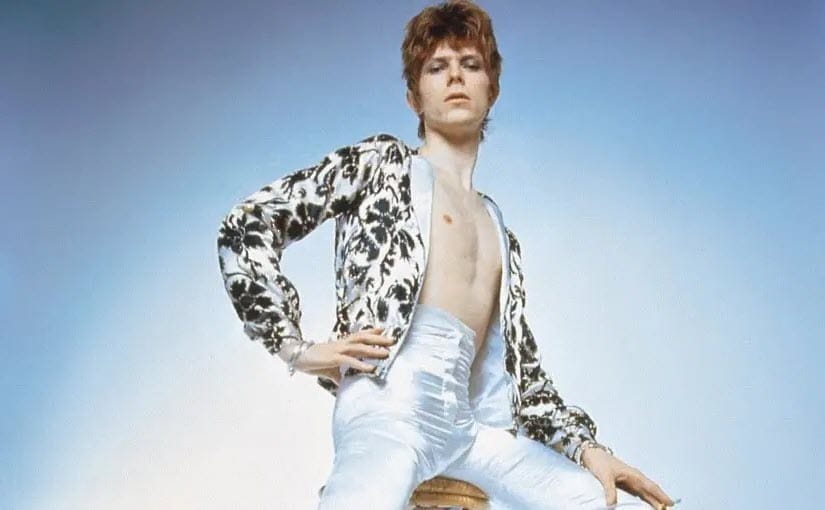
David Bowie wasn’t just a musician—he was a cultural phenomenon, a chameleon of sound and style who continually reinvented himself while leaving an indelible mark on the world of music, fashion, and art. From Ziggy Stardust’s cosmic odyssey to the Thin White Duke’s enigmatic allure, Bowie’s career was a kaleidoscope of groundbreaking creativity that spanned decades and genres. His songs captured the spirit of rebellion, self-discovery, and raw emotion, resonating with millions of fans across the globe.
In this article, we dive into the heart of Bowie’s monumental legacy, counting down the top 10 most popular songs that defined his career and shaped the sound of a generation. These tracks aren’t just songs—they’re anthems, stories, and sonic experiments that pushed boundaries and inspired countless artists. Whether you’re a lifelong Bowie fan or a newcomer to his dazzling universe, this list is sure to rekindle your love for the Starman’s genius or spark a new appreciation for his artistry. So, put on your red shoes, step onto the dance floor, and join us as we celebrate the timeless hits of a true musical legend. Let’s dance!
1. “Space Oddity” (1969)
David Bowie’s “Space Oddity” is a song that catapulted him into the cultural stratosphere, establishing him as an artist capable of blending deep emotion with experimental sound. Released in 1969, just days before the Apollo 11 moon landing, “Space Oddity” tells the story of Major Tom, a fictional astronaut who becomes stranded in space. The song’s strikingly unique melodies and evocative lyrics explore themes of isolation, longing, and the vast, uncharted territories of both space and the human condition.
The track opens with a haunting, otherworldly sound created by a blend of acoustic guitar, Moog synthesizer, and a striking arrangement that evokes the emptiness of space. Bowie’s voice, trembling with a sense of detachment, takes on the role of both narrator and Major Tom, and his delivery perfectly mirrors the astronaut’s growing sense of helplessness. As Major Tom drifts away from Earth, Bowie’s lyrics explore the emotional and existential void that comes with the isolation of space—a metaphor for human loneliness and the desire for connection.
What truly makes “Space Oddity” stand out is how it captures the tension between human fragility and the cold, impersonal nature of the cosmos. The song’s atmospheric production, paired with Bowie’s performance, immerses listeners in the surreal experience of drifting away from everything familiar. It’s a song that blends futuristic elements with deep human emotion, allowing Bowie to showcase his uncanny ability to make the listener feel both small and significant at the same time. The track quickly became a defining moment in Bowie’s early career and set the stage for the innovation and emotional complexity that would characterize his entire body of work.
2. “Life on Mars?” (1971)
“Life on Mars?” is a surreal journey through the absurdity of modern life, delivered in David Bowie’s unmistakable, theatrical style. Released in 1971 on Hunky Dory, the song has become one of Bowie’s most iconic tracks, blending witty, biting lyrics with lush orchestration. The song begins with a haunting piano riff that sets the stage for a tale of escapism, where the protagonist struggles to make sense of the chaotic world around her, seeking meaning in an unlikely place: Mars.
The song’s lyrics are rich with imagery, mixing references to film, politics, and consumerism, creating a narrative that feels both timeless and ahead of its time. The protagonist, a young girl in a cinema, watches a movie about a world that seems just as strange and out of place as her own. “Life on Mars?” explores themes of disillusionment, a search for identity, and the absurdities of modern life. Bowie’s delivery is dramatic, switching effortlessly between a sardonic, almost disenchanted tone and moments of sincere questioning.
Musically, the song features a grand orchestral arrangement that complements the weight of its lyrics. The lush strings and soaring brass create a cinematic feel, amplifying the song’s sense of spectacle and emotional depth. Bowie’s vocal performance is one of his finest, as he navigates through both delicate moments and the song’s more powerful crescendos. It’s a piece that balances whimsy with social commentary, and its surreal quality makes it feel both personal and universal.
“Life on Mars?” is one of those songs that stays with you long after the final note fades. Its complex mix of storytelling, sharp critique, and beautiful music has made it a fan favorite for decades. Through its surreal imagery and emotionally charged delivery, the song remains one of Bowie’s most enduring masterpieces, capturing the essence of his ability to create art that challenges perception and invites introspection.
3. “Heroes” (1977)
Released in 1977 as the title track from David Bowie’s “Heroes” album, this song quickly became an anthem of triumph, resilience, and love. Set against the backdrop of Bowie’s time in Berlin, during his collaboration with Brian Eno, “Heroes” is a celebration of overcoming obstacles in the name of love. The song was inspired by a real encounter between two lovers at the Berlin Wall, an act of defiance in a divided city, and it perfectly encapsulates the emotions of hope, struggle, and unity.
From the first note, “Heroes” bursts forth with an electric energy, driven by a propulsive rhythm and soaring guitar. Bowie’s vocals rise and fall with a passionate intensity, conveying both a sense of defiance and a longing for something greater. The chorus, with its now-famous refrain, “We can be heroes, just for one day,” speaks to the power of fleeting moments of triumph, where, for a brief time, individuals can break free of the limitations imposed by society, politics, or personal struggles.
The song’s production is a testament to Bowie and Eno’s partnership, with the dense layering of sound creating an almost cinematic atmosphere. The electric guitar, combined with synthesizers and a driving beat, gives the track a sense of urgency and power. As Bowie’s voice swells during the chorus, it becomes clear that “Heroes” is not just about romantic love, but also about the possibility of overcoming any obstacle in pursuit of personal freedom and fulfillment.
“Heroes” remains one of Bowie’s most enduring songs, an anthem for generations of listeners seeking to make their mark, break free from constraints, and embrace their own potential. It’s a reminder that even in the darkest of times, there is always room for moments of brilliance, and even if those moments are brief, they are worth fighting for.
4. “Let’s Dance” (1983)
David Bowie’s “Let’s Dance,” the title track of his 1983 album, marked a new chapter in his musical career. Produced by Nile Rodgers, the song blends funky grooves with pop sensibilities, creating an irresistible, danceable rhythm that became an instant hit. With its infectious melody, upbeat tempo, and catchy chorus, “Let’s Dance” introduced Bowie to a new generation of listeners, dominating charts around the world and becoming a signature track of the 1980s.
The song opens with an unmistakable bassline, punctuated by tight percussion and shimmering guitars. As Bowie’s voice enters, it’s clear that the song is all about the joy and freedom that music can bring. With lyrics inviting everyone to dance, “Let’s Dance” transcends mere party anthem status. It’s a song that speaks to the universal desire for release, connection, and celebration, capturing the spirit of the times with its upbeat vibe and positive energy.
Bowie’s vocal delivery is playful and commanding, leading the listener through a journey of joyous abandon. The chorus—“Let’s dance, put on the red shoes and dance the blues”—is one of the most iconic lines in Bowie’s catalog, perfectly capturing the infectious energy of the track. The rhythm is undeniably catchy, and the production is crisp, with Rodgers’ influence adding a slick, polished quality that perfectly complements Bowie’s voice.
“Let’s Dance” is more than just a dance track; it’s a celebration of life, love, and freedom. The infectious rhythm, together with Bowie’s charismatic performance, made it a global hit, and its vibrant energy continues to captivate listeners today. Through this song, Bowie managed to bridge genres and generations, making a lasting impact on both the music world and popular culture.
5. “Changes” (1971)
“Changes” is one of David Bowie’s most reflective and poignant songs, offering a powerful meditation on self-reinvention and personal growth. Released in 1971 on the Hunky Dory album, this track encapsulates Bowie’s own journey of transformation and the societal pressures to adapt to new norms. The song’s minimalist piano arrangement, paired with Bowie’s distinctive vocals, creates an introspective atmosphere that invites listeners to contemplate the inevitable changes in life, and the emotional complexities that accompany them.
Opening with a memorable piano riff, the song immediately establishes a contemplative mood. As the piano continues its gentle but insistent rhythm, Bowie’s voice enters, full of resolve and vulnerability. The song’s lyrics, with lines like “Turn and face the strange,” suggest a willingness to embrace uncertainty and change, both personally and culturally. Bowie’s message here is clear: change is unavoidable, but it is also an essential part of growth and self-discovery. The refrain—“I’ve seen the worst of the worst of you, I know”—underscores the theme of coming to terms with the inevitable struggles and challenges of life.
The musical arrangement on “Changes” is deceptively simple yet deeply impactful. The sparse piano chords are gradually joined by lush string arrangements, offering an emotional depth that complements the introspective nature of the lyrics. Bowie’s vocal delivery fluctuates between subtle melancholy and a hopeful, almost defiant energy, mirroring the song’s overall message of embracing personal transformation. There’s a sense of both melancholy and exhilaration in his voice, capturing the complex feelings tied to growth and change.
“Changes” resonates deeply because it speaks to the universal experience of evolution, both internal and external. Whether it’s a person grappling with their identity or society evolving around them, this song touches on the human experience in a way that feels both deeply personal and universally relatable. Its timeless message of self-acceptance and evolution continues to resonate with listeners, solidifying its place as one of Bowie’s defining tracks.
6. “Starman” (1972)
“Starman,” released in 1972, marks the emergence of one of David Bowie’s most iconic personas: Ziggy Stardust, the androgynous space rock star. The track is not only one of the defining songs of Bowie’s career but also a declaration of his ability to blend rock, glam, and science fiction into an unforgettable experience. The song’s uplifting energy and infectious melody tell the story of a cosmic savior, a “Starman,” who promises to bring hope to Earth.
The song opens with a shimmering, spacey guitar riff, accompanied by a playful piano line that immediately sets a whimsical, yet earnest tone. Bowie’s voice, filled with theatrical flair, is an essential part of the song’s charm. He sings about the arrival of the Starman, an alien who communicates hope to young people and tells them to “forget about the time.” The imagery in the lyrics is both fantastical and profoundly human, as it speaks to the universal desire for connection, escapism, and transformation.
Musically, “Starman” exemplifies the glam rock era, with its driving rhythm, choppy guitars, and melodic hooks. The chorus is undeniably catchy, with Bowie’s soaring vocals inviting the listener to “come and see” the Starman. The song’s upbeat tempo, accompanied by its playful yet anthemic quality, made it an instant hit. The production is lush, with layered guitars and a sing-along feel that creates a sense of shared joy and excitement.
“Starman” is not just a story about an alien savior but a call for rebellion and self-expression. Ziggy Stardust was, after all, a persona that challenged the status quo and pushed boundaries, much like the song itself. Through “Starman,” Bowie reached a new audience, embracing an eclectic mix of genres and ideas that would define his career. The song’s message of hope, alienation, and transformation continues to resonate today, making it one of the cornerstones of Bowie’s artistic legacy.
7. “Rebel Rebel” (1974)
“Rebel Rebel,” released in 1974 as part of the Diamond Dogs album, is an explosive anthem of individuality and rebellion. The song’s raw energy and gritty guitar riff became an instant classic, capturing the spirit of the glam rock movement and reflecting Bowie’s own embrace of the countercultural scene. The track’s rebellious message, catchy hook, and infectious rhythm made it one of Bowie’s most enduring songs.
The song kicks off with an iconic guitar riff—one of the most recognizable in rock history. The riff is sharp, rebellious, and energetic, immediately setting the tone for the rest of the track. Bowie’s voice, with its swagger and defiance, delivers a bold narrative about a young, rebellious girl who’s unapologetically herself. “Rebel Rebel” is a celebration of nonconformity, sexual freedom, and youthful energy. The lyrics, though simple, are packed with a sense of joy and empowerment, as Bowie sings about the thrill of rejecting societal norms and embracing one’s true self.
Musically, the song has a driving rhythm that propels it forward with an infectious urgency. The rolling bassline, combined with the crisp guitar, creates a propulsive groove that invites listeners to dance and sing along. Bowie’s vocals, full of attitude and energy, perfectly match the song’s punk-inspired spirit. The chorus, with its repeated lines “Rebel, rebel,” has an anthemic quality that has made the song a staple of his live performances.
“Rebel Rebel” was a significant departure from Bowie’s earlier work, embracing the energy and ethos of rock and roll while still maintaining the glam elements that defined his earlier persona. The song’s defiance, freedom, and celebration of individuality made it an anthem for those who sought to break away from conventionality. It remains one of Bowie’s most beloved songs, representing the spirit of the 1970s and the continued evolution of his artistic vision.
8. “Ashes to Ashes” (1980)
In 1980, David Bowie revisited the character of Major Tom in “Ashes to Ashes,” a track from his Scary Monsters album that blends innovation with nostalgia. The song explores themes of addiction, self-doubt, and redemption, making it one of Bowie’s most complex and introspective works. With its synth-driven sound and haunting melodies, “Ashes to Ashes” captures the eerie blend of personal reflection and social commentary that defined Bowie’s music in the late 1970s and early 1980s.
The song opens with a haunting, atmospheric synth line that sets the mood for its introspective lyrics. Bowie’s vocal delivery is both mournful and resigned as he reflects on the fall of Major Tom, who has now become a symbol of personal and societal decay. The lyrics explore themes of alienation, addiction, and the difficult road to self-forgiveness. “Ashes to Ashes” is a reflection on the fragility of the human spirit and the consequences of one’s actions, while also hinting at redemption and the possibility of overcoming past mistakes.
The production on “Ashes to Ashes” is one of the most striking aspects of the song. The electronic, almost otherworldly sound is a departure from Bowie’s previous work, showcasing his embrace of new technology and experimentation. The use of synthesizers creates a cold, detached atmosphere, yet Bowie’s voice adds a layer of humanity, as he balances melancholy with the faintest hope for renewal.
“Ashes to Ashes” marks a pivotal moment in Bowie’s career, as he began to embrace a more experimental sound while still maintaining his deep emotional connection to his characters and themes. The song remains a standout in his catalog, illustrating his unique ability to combine innovation with personal introspection. Through its haunting melodies, layered production, and profound lyrics, “Ashes to Ashes” continues to resonate with listeners as a testament to the complexities of the human experience.
9. “Under Pressure” (1981)
“Under Pressure,” a collaboration between David Bowie and Queen, was released in 1981 and quickly became one of the most iconic rock duets of all time. The song combines Bowie’s distinct vocals with Freddie Mercury’s powerful tenor in a way that not only captures the essence of both artists but also explores the deeply human experience of stress, societal pressure, and the need for love and compassion. This track transcends its time, remaining a classic anthem that resonates across generations.
The opening bassline of “Under Pressure” is one of the most recognizable in rock history. Played by Queen’s John Deacon, it creates an immediate, irresistible groove that leads into a fusion of rock, pop, and funk elements. As the song builds, both Bowie and Freddie Mercury deliver poignant, emotionally charged vocals that perfectly convey the tension between societal expectations and the need for emotional release. The chorus, which centers on the idea that “love’s such an old-fashioned word,” reflects the struggles individuals face in a world that seems increasingly disconnected from empathy.
Lyrically, “Under Pressure” explores how external pressures—whether personal, political, or societal—can strain relationships and mental health. Bowie and Mercury question the value of love in a world dominated by fear and disconnection, urging the listener to reconsider what truly matters. The lyrics speak to the fragility of human life and the healing power of compassion, underscoring the need to extend kindness in times of stress.
The musical arrangement is rich and dynamic, with sweeping guitars, a driving rhythm section, and lush harmonies that blend the styles of both Bowie and Queen. The contrast between Bowie’s subtle yet powerful delivery and Freddie’s dramatic, operatic style creates a unique balance that elevates the song beyond a typical rock anthem.
“Under Pressure” is more than just a song; it is a call for human connection in a time of crisis. Its timeless message about love, empathy, and solidarity remains relevant today, making it one of the most beloved songs in both Bowie’s and Queen’s catalogs. The collaboration between two musical giants resulted in a track that continues to inspire and comfort, with its unforgettable bassline and powerful, universal message.
10. “Modern Love” (1983)
“Modern Love,” released in 1983 as part of David Bowie’s Let’s Dance album, is a vibrant, upbeat exploration of love and faith in the contemporary world. The song blends funky rhythms, danceable beats, and Bowie’s signature vocal style to create an energetic anthem that contrasts the joy of love with the disillusionment of modern life. It remains one of Bowie’s most accessible tracks, capturing the essence of the early 80s music scene while also offering deep reflections on relationships and personal belief.
The song opens with a catchy, pulsating bassline and a lively drum beat, setting a high-energy tone that invites listeners to dance. The infectious rhythm continues throughout, creating a sense of urgency and movement that propels the song forward. Bowie’s voice, filled with both passion and irony, delivers lyrics that reflect the struggles and contradictions of modern relationships. The chorus, with its repeated refrain “Modern love,” captures the simultaneous allure and emptiness of contemporary romance. Bowie’s delivery conveys a sense of questioning and uncertainty about love in a world where personal connection often feels fleeting or superficial.
Musically, “Modern Love” combines elements of funk, pop, and rock to create a dynamic and irresistible sound. The track was produced by Nile Rodgers, whose influence is evident in the tight rhythm guitar and infectious groove. The song is built around a danceable foundation, but it also features layers of synthesizers, horns, and guitars that give it a distinctive, polished feel. The overall effect is a catchy, upbeat tune that balances the feel-good energy with poignant themes of disillusionment and emotional distance.
Lyrically, “Modern Love” captures the uncertainty and disconnection felt in relationships today. The song’s exploration of modern love as something both elusive and unfulfilled speaks to the contradictions of seeking meaning in a world where emotional connections are often difficult to maintain. Bowie, ever the chameleon, addresses these themes with his signature wit and vulnerability, creating a song that is both thought-provoking and fun.
“Modern Love” is a standout track from the Let’s Dance album and remains a favorite among fans. Its timeless reflection on the complexities of love in the modern era, combined with its infectious rhythm and catchy melodies, ensures its lasting place in the Bowie catalog. The song captures the spirit of the 1980s while also offering a reflection on the universal human experience of searching for connection in an ever-changing world.

Edward Tomlin is a frequent contributor to Singers Room. Since 2005, Singersroom has been the voice of R&B around the world. Connect with us via social media below.









