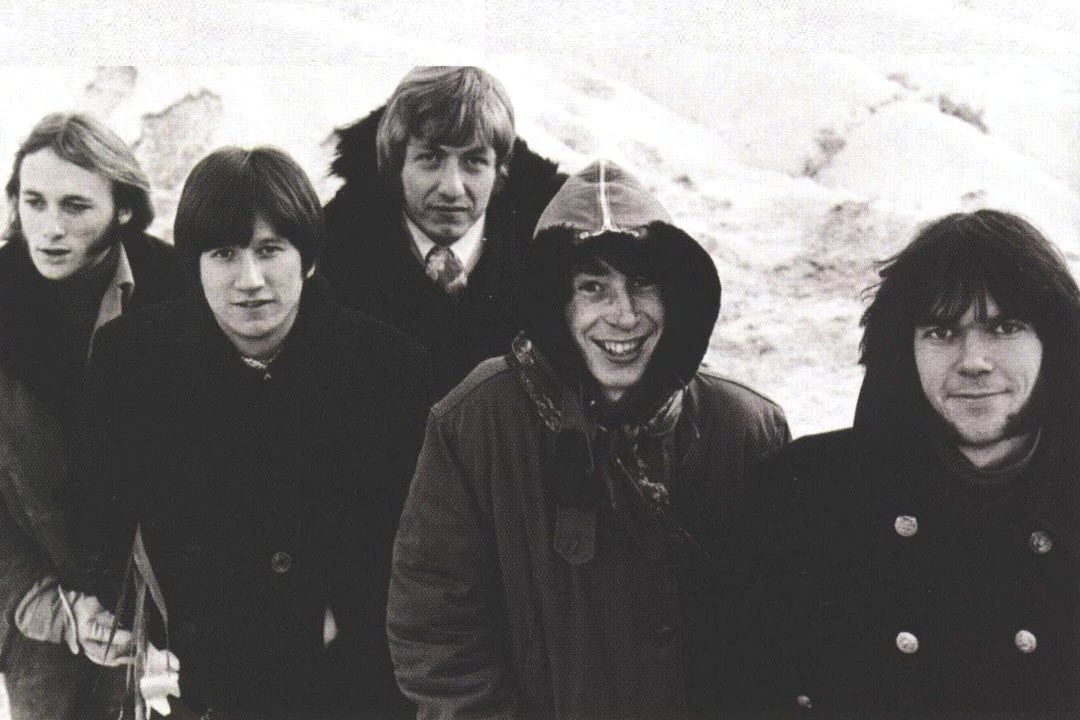
Buffalo Springfield, the iconic American-Canadian rock band that emerged in the 1960s, holds a special place in the history of music. Though their time together was brief, their impact on rock, folk, and country music is timeless. Known for their intricate harmonies, socially conscious lyrics, and trailblazing sound, Buffalo Springfield became a beacon of the counterculture movement, influencing countless artists and fans alike. With legends like Neil Young, Stephen Stills, and Richie Furay in their lineup, the group produced a catalog of songs that resonate just as powerfully today as they did decades ago.
In this article, we dive into the top 10 most popular Buffalo Springfield songs of all time—tracks that have defined their legacy and secured their place as one of the most groundbreaking bands of their era. From politically charged anthems to soul-stirring ballads, these songs showcase the band’s ability to blend raw emotion with masterful songwriting. Whether you’re a long-time fan or a newcomer eager to explore their music, this list celebrates the unparalleled artistry of Buffalo Springfield. Get ready to rediscover the magic of a band whose music continues to inspire generations, proving that their legacy is as enduring as ever. Let’s take a journey through their greatest hits!
1. For What It’s Worth (1967)
Arguably Buffalo Springfield’s most iconic song, For What It’s Worth became an anthem of the 1960s counterculture movement, resonating deeply with the social and political turbulence of the era. Written by Stephen Stills, the song was inspired by the Sunset Strip curfew riots in Los Angeles, where young people clashed with law enforcement over restrictive measures targeting their nightlife. Released in 1967, the track quickly transcended its original context, becoming a universal call for awareness and resistance against oppression.
Musically, the song’s haunting, slow-burning groove creates an eerie sense of tension, mirroring the unrest it describes. The instantly recognizable opening guitar riff and steady drumbeat set a moody, almost hypnotic tone. Stills’ vocal delivery is calm yet urgent, reinforcing the song’s message without resorting to outright protest slogans. Instead, lyrics like “There’s something happening here / What it is ain’t exactly clear” encourage listeners to pay attention and question the world around them.
Perhaps the most memorable line, “Stop, children, what’s that sound? Everybody look what’s going down,” has endured as a powerful reminder of the need for vigilance in times of social change. Even decades later, For What It’s Worth remains relevant, frequently referenced in movies, TV shows, and political movements. Its timeless message and evocative sound ensure its place as one of the defining protest songs in rock history.
2. Mr. Soul (1967)
Neil Young’s Mr. Soul is a blistering rock track that tackles themes of fame, identity, and personal turmoil with an almost cryptic lyricism. Released in 1967 as part of Buffalo Springfield Again, the song reflects Young’s growing unease with the pressures of the music industry and his struggles with self-doubt. Driven by a fuzzed-out guitar riff that echoes the spirit of The Rolling Stones’ Satisfaction, the song pulsates with raw energy, making it one of the band’s most electrifying performances.
Lyrically, Mr. Soul is introspective and somewhat surreal, filled with abstract imagery that hints at Young’s complex emotions. The song opens with the striking line, “Well, hello, Mr. Soul, I dropped by to pick up a reason,” immediately setting the tone for an existential exploration of success and its consequences. Young later admitted that the song was influenced by a health scare he had suffered, which only adds another layer of depth to its cryptic lyrics.
The track’s intense instrumentation, featuring a distorted guitar solo and driving rhythm, perfectly complements Young’s detached yet urgent vocal delivery. Over the years, Mr. Soul has remained one of Buffalo Springfield’s standout tracks, frequently covered by other artists and revisited by Young himself in his solo career. Its blend of rock swagger and introspective lyricism makes it a quintessential example of Buffalo Springfield’s innovative spirit.
3. Bluebird (1967)
Bluebird is one of Buffalo Springfield’s most dynamic and musically adventurous songs, blending elements of rock, folk, and blues into a captivating sonic journey. Written by Stephen Stills and released in 1967, the track showcases the band’s remarkable ability to experiment with structure, shifting from intricate acoustic passages to electrifying guitar-driven sections.
From the very first notes, Bluebird hooks listeners with its bright, ringing guitars, setting the stage for Stills’ smooth yet commanding vocals. The lyrics evoke a sense of longing and mystery, with lines like “Listen to my bluebird laugh, she can’t tell you why” painting vivid imagery that leaves room for interpretation. The song’s complex arrangement features rich harmonies, dynamic tempo shifts, and a compelling instrumental break that highlights the band’s tight musicianship.
One of the most distinctive elements of Bluebird is its closing section, where the intensity suddenly fades into a gentle, folky coda dominated by banjo and acoustic strumming. This unexpected shift gives the song a dreamlike quality, reinforcing its poetic, free-spirited nature. While Bluebird may not have been the band’s biggest commercial hit, it has remained a favorite among fans and critics alike, celebrated for its innovation and musical depth. The song stands as a testament to Buffalo Springfield’s ability to push boundaries and craft timeless, genre-blending music.
4. Expecting to Fly (1967)
Expecting to Fly is one of Buffalo Springfield’s most hauntingly beautiful songs, showcasing Neil Young’s ability to craft deeply emotional and atmospheric music. Released in 1967 on Buffalo Springfield Again, the track departs from the band’s usual folk-rock sound, embracing a more orchestral, cinematic quality. With its lush string arrangement, delicate piano, and dreamy production, Expecting to Fly feels almost like a glimpse into Young’s later solo work, where introspection and melancholy became defining elements.
Lyrically, the song paints a poignant picture of love lost and the passage of time. Young’s soft, almost fragile vocals deliver lines like “There you stood on the edge of your feather, expecting to fly” with a sense of longing and resignation. The imagery is poetic and open-ended, allowing listeners to interpret the song’s meaning through their own experiences of love, change, and nostalgia.
One of the most striking aspects of Expecting to Fly is its unconventional structure. Instead of following a typical verse-chorus format, the song unfolds like a cinematic scene, moving seamlessly between quiet reflection and swelling orchestral grandeur. Jack Nitzsche’s orchestration adds a layer of depth and emotion, elevating the song beyond traditional rock balladry.
Despite its departure from Buffalo Springfield’s usual sound, Expecting to Fly remains one of their most beloved songs, revered for its emotional depth and breathtaking production. It serves as a bridge between the band’s folk-rock roots and the more experimental, introspective directions that Young would explore in his solo career.
5. Rock & Roll Woman (1967)
A vibrant and free-spirited anthem, Rock & Roll Woman captures the essence of Buffalo Springfield’s signature sound—jangly guitars, rich harmonies, and an effortless blend of folk and rock. Released in 1967 as part of Buffalo Springfield Again, the song was co-written by Stephen Stills and David Crosby, and it reflects the influence of the emerging West Coast rock scene.
Lyrically, Rock & Roll Woman is a tribute to the independent, charismatic women of the era, particularly those who were beginning to make their mark in the male-dominated world of rock and roll. The lyrics are somewhat abstract, but they exude admiration and reverence for a woman who is both elusive and captivating. Lines like “There’s a woman that you ought to know / And she’s coming, singing soft and low” paint a picture of a mysterious yet magnetic figure, one who embodies the spirit of the music itself.
Musically, the song’s upbeat, rolling rhythm and layered harmonies create an easygoing, feel-good atmosphere. Stills’ guitar work shines, with fluid transitions between acoustic strumming and electric flourishes. The track’s breezy, laid-back vibe makes it one of the most accessible and enjoyable songs in the band’s catalog.
Though Rock & Roll Woman wasn’t one of Buffalo Springfield’s biggest hits, it remains a standout track, embodying the energy and optimism of late-’60s rock. Its smooth production, tight instrumentation, and catchy melodies make it a timeless classic that still resonates with fans of the era’s golden sound.
6. Sit Down I Think I Love You (1966)
One of Buffalo Springfield’s early gems, Sit Down I Think I Love You is a charming and upbeat love song that perfectly captures the band’s folk-rock sensibilities. Written by Stephen Stills and released in 1966 on their self-titled debut album, the track stands out for its catchy melody, tight vocal harmonies, and straightforward yet heartfelt lyrics.
At its core, the song is a lighthearted expression of sudden infatuation, reflecting the spontaneity and excitement of falling in love. With lines like “Sit down, I think I love you / Anyway, I’d like to try”, the lyrics convey a mix of confidence and nervous anticipation, making the song relatable to anyone who’s experienced the rush of new romance. Stills’ songwriting is direct and unpretentious, letting the infectious energy of the music drive the message home.
Musically, the song blends jangly guitars, warm vocal harmonies, and an upbeat rhythm that makes it instantly memorable. The band’s chemistry is on full display, as each element—whether it’s the breezy acoustic strumming or the driving bassline—works together seamlessly. The result is a song that feels effortless and joyful, embodying the spirit of mid-’60s folk rock.
Though Buffalo Springfield’s version remains beloved, Sit Down I Think I Love You was also covered by the Mojo Men in 1967, becoming a hit for the San Francisco-based band. Regardless of the version, the song’s catchy, feel-good nature ensures its place as one of Buffalo Springfield’s most enjoyable and enduring tracks.
7. Nowadays Clancy Can’t Even Sing (1966)
A song of introspection and alienation, Nowadays Clancy Can’t Even Sing is one of Buffalo Springfield’s most intriguing and lyrically complex tracks. Written by Neil Young and released in 1966 as the band’s debut single, the song didn’t achieve massive commercial success at the time, but it has since gained recognition as an early example of Young’s poetic songwriting and the band’s ability to convey deep emotion through music.
Unlike most of Buffalo Springfield’s material, Young did not sing lead vocals on this track. Instead, Richie Furay takes center stage, delivering the song’s cryptic and melancholic lyrics with a sense of longing and frustration. The lyrics seem to tell the story of an artist or performer—possibly autobiographical—who has lost their ability to express themselves. Lines like “Who’s puttin’ sponge in the bells I once rung? / And taking my gypsy before she’s begun?” suggest feelings of being stifled, overlooked, or misunderstood, themes that would later become central to Young’s solo work.
Musically, the song features a gentle yet poignant arrangement, with soft acoustic strumming, delicate electric guitar flourishes, and subtle percussion that build an atmospheric backdrop for the introspective lyrics. The melodies are intricate, weaving together folk influences with a touch of baroque pop, making Nowadays Clancy Can’t Even Sing a unique entry in the band’s catalog.
Though it wasn’t a chart-topping hit, the song has since become a favorite among fans of Buffalo Springfield and Neil Young, admired for its lyrical depth and emotional resonance. It stands as an early glimpse into Young’s distinctive artistic vision and the introspective, deeply personal themes he would explore throughout his career.
8. On the Way Home (1968)
Released in 1968 on Last Time Around, On the Way Home is a standout track that reflects both the transition Buffalo Springfield was going through as a band and the evolving songwriting style of Neil Young. Originally written by Young, the song was sung by Richie Furay, whose warm and inviting vocals give it a distinct character. The track is a beautifully crafted folk-rock piece, blending introspective lyrics with uplifting melodies.
The song’s lyrics seem to capture a sense of nostalgia and reflection, possibly hinting at the band’s impending breakup. Lines like “When the dream came, I held my breath with my eyes closed”, evoke themes of change, longing, and the realization that things don’t always turn out as expected. While it could be interpreted as a love song, there’s also a deeper sentiment of leaving something behind and moving forward.
Musically, On the Way Home is a perfect example of Buffalo Springfield’s signature sound—rich vocal harmonies, crisp acoustic guitar strumming, and a melody that lingers long after the song ends. The combination of folk and rock elements creates a warm, inviting atmosphere that feels both hopeful and bittersweet. The orchestration in the background adds an extra layer of depth, making the song feel expansive and emotionally charged.
Despite being released as the band was on the verge of dissolution, On the Way Home remains one of their most beloved tracks. It has been revisited numerous times in Neil Young’s solo career, with stripped-down acoustic renditions that highlight the song’s raw beauty. Whether in its original form or as a solo performance, the song continues to resonate with listeners, capturing the universal experience of change and nostalgia.
9. Broken Arrow (1967)
Broken Arrow, released in 1967 on Buffalo Springfield Again, is one of Neil Young’s most ambitious compositions from his time with the band. The song pushes the boundaries of conventional rock structure, blending multiple musical sections and experimental production techniques to create a sprawling, cinematic listening experience. Unlike a typical verse-chorus format, Broken Arrow unfolds like a dream, shifting between different moods and sonic textures.
Lyrically, the song is enigmatic and deeply personal, touching on themes of fame, disillusionment, and the loss of innocence. The lyrics depict various surreal and fragmented scenes, including references to Buffalo Springfield’s own experiences as a band. The recurring imagery of the broken arrow serves as a symbol of something once whole that has now been fractured—perhaps a reflection of Young’s feelings about the group’s internal struggles and the pressures of the music industry.
The production of Broken Arrow is just as striking as its lyrics. The song opens with the sound of a live audience cheering—actually taken from a performance by The Beatles—before transitioning into Young’s tender vocal delivery. From there, the song moves through orchestral flourishes, acoustic interludes, and distorted electric guitar segments, creating an almost hallucinatory effect. Each section flows into the next unpredictably, making the song feel like a sonic collage rather than a traditional composition.
Although it wasn’t a commercial hit, Broken Arrow is widely regarded as one of Buffalo Springfield’s most innovative tracks. It foreshadowed Neil Young’s future experimentation in his solo career, demonstrating his willingness to break musical conventions and explore new artistic territory. Today, it stands as a fascinating and deeply introspective piece that continues to captivate listeners with its layered meanings and intricate structure.
10. A Child’s Claim to Fame (1967)
Written by Richie Furay and released on Buffalo Springfield Again in 1967, A Child’s Claim to Fame is a beautifully crafted folk-country tune that stands out for its rich storytelling and laid-back charm. The song carries a distinct country influence, featuring twangy acoustic guitars and a relaxed, rootsy rhythm that showcases the band’s versatility.
Lyrically, A Child’s Claim to Fame is believed to be a thinly veiled commentary on Neil Young’s unpredictability and tendency to leave the band behind for his own creative pursuits. The lyrics, “Though you’re where you want to be, you’re not where you belong”, seem to address someone who is chasing fame or ambition but is losing sight of the relationships and responsibilities left behind. Given Young’s well-documented restlessness within Buffalo Springfield, it’s easy to interpret the song as Furay’s way of expressing his frustrations with the band’s internal tensions.
Musically, the song’s country-tinged sound was ahead of its time, foreshadowing the country-rock movement that would later flourish with bands like The Eagles and Poco (the latter being Furay’s next musical venture). The incorporation of a dobro guitar, played by James Burton, adds an extra layer of authenticity to the track, giving it a rustic, heartfelt quality.
Despite its seemingly pointed lyrics, A Child’s Claim to Fame is an enjoyable and melodically rich song that feels warm and inviting. Furay’s gentle vocal delivery softens any bitterness in the lyrics, making it a song that balances introspection with musical elegance. It remains one of Buffalo Springfield’s most underrated yet endearing tracks, highlighting Furay’s songwriting talent and the band’s ability to blend folk, rock, and country into something truly special.

Edward Tomlin is a frequent contributor to Singers Room. Since 2005, Singersroom has been the voice of R&B around the world. Connect with us via social media below.









