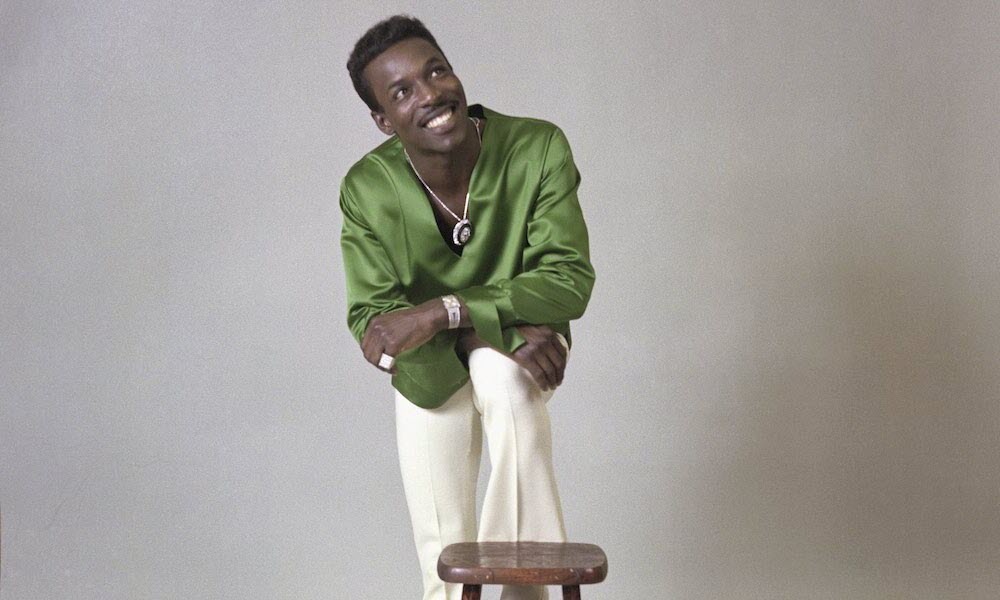
When it comes to raw, unfiltered soul, few voices can match the electrifying intensity of Wilson Pickett. A true powerhouse of R&B and soul music, Pickett’s signature growl, infectious grooves, and high-octane performances made him one of the most dynamic artists of the 1960s and ’70s. Known for turning every song into an unstoppable force of energy, he didn’t just sing—he commanded the stage, leaving audiences breathless with his fiery delivery and undeniable charisma.
Pickett’s influence stretches far beyond soul music, shaping the sounds of rock, funk, and blues with his groundbreaking hits. Whether he was belting out the legendary “In the Midnight Hour,” setting dance floors ablaze with “Land of 1000 Dances,” or tearing through a Beatles classic with his gritty take on “Hey Jude,” his music was always larger than life.
In this countdown, we’re celebrating Wilson Pickett’s 10 most popular songs of all time—the tracks that defined his legacy and continue to ignite passion in music lovers across generations. Get ready to groove, because these songs aren’t just classics… they’re soul-shaking anthems that refuse to be forgotten! 🔥🎶
1. “In the Midnight Hour” (1965)
Few songs define the golden era of soul music quite like Wilson Pickett’s “In the Midnight Hour.” Released in 1965, this electrifying track became his breakthrough hit and remains one of the most celebrated songs in the genre. Co-written with Steve Cropper of Booker T. & the M.G.’s, the song features a driving groove, an infectious bassline, and Pickett’s signature powerhouse vocals. The famous “midnight hour” hook, combined with the song’s raw energy, helped cement it as a defining track of 1960s R&B. Its lasting influence can be heard in countless covers and samples, proving that true soul music never goes out of style.
2. “Mustang Sally” (1966)
Originally written by Mack Rice, “Mustang Sally” became an R&B anthem when Wilson Pickett recorded his now-iconic version in 1966. The song tells the playful story of a woman who’s more in love with her Mustang car than anything else, set against an irresistible rhythm and call-and-response chorus. Pickett’s fiery delivery, backed by punchy horns and a steady groove, made it an instant classic. Decades later, it remains a staple at parties, bar bands, and road trips, proving that its infectious energy is simply timeless.
3. “Land of 1000 Dances” (1966)
“Land of 1000 Dances” is pure, unfiltered energy from the very first note. Originally written and recorded by Chris Kenner, Pickett’s 1966 version became the definitive take, thanks to his explosive vocals and the song’s unforgettable “na-na-na-na” chant. Driven by a pounding horn section and a relentless beat, this song was made for dancing. It’s no surprise that it became a high-energy anthem that continues to ignite dance floors and sporting events alike, decades after its release.
4. “634-5789 (Soulsville, U.S.A.)” (1966)
Written by the legendary duo Eddie Floyd and Steve Cropper, “634-5789” is a blues-infused R&B gem that became a major hit for Pickett in 1966. Centered around a catchy phone number, the song tells the story of a man offering love and comfort to anyone who dials. With its smooth groove, tight horn section, and Pickett’s undeniable charisma, the track soared up the R&B charts and remains a beloved classic in his catalog.
5. “Don’t Knock My Love” (1971)
By the early ’70s, Wilson Pickett had adapted to the evolving sounds of soul and funk, and “Don’t Knock My Love” was proof of his versatility. Released in 1971, the track features a funk-heavy bassline, tight rhythm guitar, and Pickett’s signature impassioned vocals. The song quickly became a No. 1 R&B hit, cementing his ability to stay relevant in a changing musical landscape. Its groovy, seductive rhythm continues to make it a standout among his later works.
6. “Funky Broadway” (1967)
Originally written and recorded by Arlester “Dyke” Christian, Pickett’s 1967 rendition of “Funky Broadway” turned it into an undeniable hit. Notably, it was the first charting song to feature the word “funky” in its title, marking an important milestone in the evolution of funk music. With Pickett’s raw, gritty vocals and the song’s infectious groove, it became an anthem celebrating nightlife and the vibrancy of city streets, making it a favorite on dance floors everywhere.
7. “Engine Number 9” (1970)
With a propulsive bassline and a hypnotic rhythm, “Engine Number 9” captures the unstoppable momentum of a train rolling down the tracks. Released in 1970, the song leans into a funkier, more contemporary production style that showcased Pickett’s ability to evolve with the times. His intense vocal performance, combined with the song’s driving beat, made it a standout hit, proving that he could still dominate the charts as the music scene shifted into the new decade.
8. “I’m in Love” (1967)
Written by the great Bobby Womack, “I’m in Love” is one of Wilson Pickett’s most heartfelt ballads. Released in 1967, the song stands apart from his high-energy hits, instead offering a tender, soulful declaration of devotion. With smooth instrumentation, rich harmonies, and Pickett’s impassioned vocals, the track is a masterclass in emotional storytelling. It’s a reminder that while he was known for his fiery delivery, he could also captivate audiences with softer, more introspective performances.
9. “Hey Jude” (1969)
Wilson Pickett’s rendition of The Beatles’ “Hey Jude” is one of the most powerful covers ever recorded. Released in 1969, his version transforms the original’s melodic ballad into a full-blown soul explosion. Featuring an electrifying guitar solo by a young Duane Allman, the track builds into a passionate, high-energy climax that is impossible to ignore. Pickett’s gritty, deeply emotional performance injects new life into the song, making it one of the most celebrated Beatles covers of all time.
10. “Everybody Needs Somebody to Love” (1967)
Originally recorded by Solomon Burke, Wilson Pickett’s 1967 version of “Everybody Needs Somebody to Love” is bursting with energy and joy. With a driving beat, jubilant horns, and Pickett’s electrifying delivery, the song became a highlight of his live performances. Its uplifting message and infectious rhythm have made it a timeless classic, covered by countless artists over the years. Whether in its original form or as part of Pickett’s legendary repertoire, this song continues to bring people together on dance floors and in celebrations around the world.

Samuel Moore is a frequent contributor to Singers Room. Since 2005, Singersroom has been the voice of R&B around the world. Connect with us via social media below.









