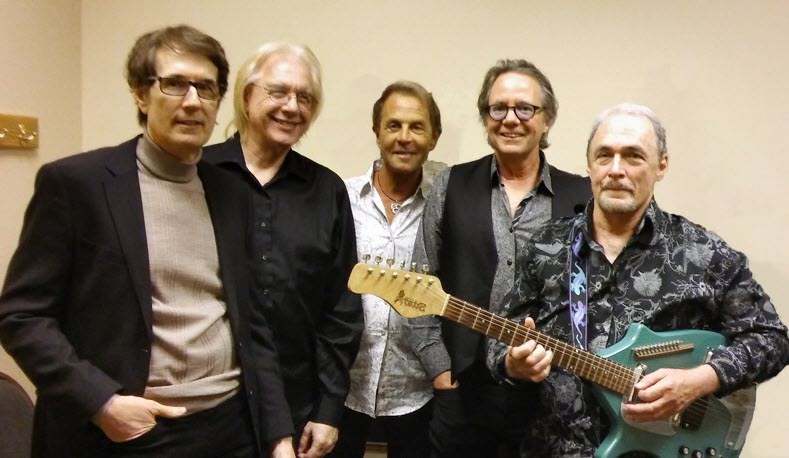
The Box Tops, one of the defining bands of the late 1960s, carved a unique niche in the world of rock and pop with their soulful sound and heartfelt lyrics. Fronted by the unmistakably deep, raspy voice of Alex Chilton, The Box Tops captured the essence of raw emotion and youthful longing, creating songs that resonated with listeners across generations. From chart-topping hits that dominated the airwaves to soulful ballads that tugged at heartstrings, their music became a soundtrack of an era filled with love, rebellion, and self-discovery.
In this article, we take a nostalgic deep dive into the Top 10 most popular Box Tops songs of all time. Whether you’re a lifelong fan or discovering their magic for the first time, this list is a celebration of their greatest hits—songs that have stood the test of time and continue to inspire new audiences. Get ready to revisit classics like “The Letter” and “Cry Like a Baby,” and perhaps uncover hidden gems that showcase the band’s versatility and genius. So turn up the volume, let the soulful melodies transport you, and join us on this musical journey through the timeless legacy of The Box Tops!
1. “The Letter” (1967)
Released in 1967, “The Letter” by The Box Tops quickly became a timeless classic. The song is a short, powerful burst of emotion that tells the story of a lover’s urgent desire to reunite with someone far away. It opens with the unforgettable line, “Gimme a ticket for an aeroplane,” immediately setting the tone for a track full of longing and desperation. With Alex Chilton’s raw, soulful voice taking center stage, the song strikes a perfect balance between heartache and hope. The instrumental backing—boasting a tight, brassy arrangement—complements the urgency of the lyrics and adds to the track’s energy, making it a complete listening experience. The punchy rhythm and catchy melody make it a song that is impossible to forget. “The Letter” became an instant hit, soaring to No. 1 on the Billboard Hot 100, and its popularity helped establish The Box Tops as a dominant force in pop music during the 1960s. What makes “The Letter” stand out, though, is its sheer simplicity. At just two minutes in length, it’s a short but unforgettable song that continues to resonate with fans around the world. The fact that it has stood the test of time speaks to its powerful songwriting, memorable performance, and undeniable charm. Even today, “The Letter” remains a quintessential example of the 1960s pop-soul crossover and a definitive moment in the career of Alex Chilton and The Box Tops.
2. “Cry Like a Baby” (1968)
Released in 1968, “Cry Like a Baby” is a soul-infused anthem of heartbreak and emotional vulnerability. The song captures the raw intensity of love lost and the deep emotional pain that comes with it. With its signature electric sitar riff and groovy rhythm, the track is as sonically rich as it is emotionally complex. Alex Chilton’s impassioned vocals elevate the song, delivering each line with a sense of urgency that makes the listener feel every ounce of sorrow in the lyrics. The track’s chorus, “Cry like a baby, cry like a baby,” perfectly encapsulates the vulnerability and helplessness that often accompanies heartache. While the instrumentation leans heavily into the soul genre with its lush arrangements and funky beats, the emotional core of the song is universal, making it easy for anyone who has experienced love and loss to relate. “Cry Like a Baby” became a Top 10 hit, reaching No. 2 on the Billboard charts, and cemented The Box Tops’ place in the realm of soul and pop music during the late 60s. The song’s blend of emotional depth and catchy instrumentation made it a standout track, showcasing the band’s ability to fuse different musical styles while maintaining an undeniable connection to the listener. The track’s energy and melancholy are perfectly balanced, allowing it to remain one of the most iconic and enduring songs in The Box Tops’ catalog. It’s a song that not only resonates with those who hear it but also remains a staple of 1960s pop-soul music.
3. “Soul Deep” (1969)
“Soul Deep,” released in 1969, is an uplifting and infectious anthem that blends soul and pop effortlessly, showcasing The Box Tops’ musical versatility. From the moment the song begins with its jubilant horns and groovy bassline, it’s clear that this track is all about joy and the power of love. The upbeat tempo sets a positive tone, making it impossible to resist tapping your feet to the rhythm. Lyrically, “Soul Deep” is a celebration of a love that is profound and unwavering, with Chilton’s heartfelt vocals conveying the depth of this connection. Lines like “You’ve got me deep in your soul” emphasize the profound impact love can have on an individual, and the way the song’s rhythm and melody mirror that emotion creates a powerful sense of harmony. The song’s instrumentation is lush and full, with a horn section that gives the track its signature soul sound. But what truly makes “Soul Deep” stand out is its ability to create a feel-good atmosphere. It’s the type of song that can lift your spirits and have you humming along long after it’s finished. The Box Tops’ ability to deliver a song that is both emotionally engaging and musically rich helped “Soul Deep” become a fan favorite and solidified its place as one of the band’s standout tracks. Its upbeat nature and sincere lyrics have made it a timeless anthem, one that remains beloved by fans of both soul music and 1960s pop.
4. “Neon Rainbow” (1967)
“Neon Rainbow,” released in 1967, is one of The Box Tops’ more introspective and poetic songs, offering a reflective take on the complexities of city life. The track has a dreamy quality to it, with its gentle, almost hypnotic melody creating a mood of quiet contemplation. Chilton’s emotive vocals add depth to the song, particularly when he sings lines like “Neon rainbow, your color is too bright for me.” The lyrics are metaphorical, painting a picture of a life that is both colorful and overwhelming, capturing the dichotomy of beauty and chaos that comes with living in the city. The song’s lush arrangement, featuring smooth strings and soft percussion, gives it a dreamy, almost surreal quality, enhancing the reflective mood of the lyrics. What makes “Neon Rainbow” unique in The Box Tops’ catalog is its ability to combine pop sensibilities with a deeper, more introspective theme. While many of the band’s tracks were upbeat and driven by strong rhythms, “Neon Rainbow” slows things down and offers a gentler, more contemplative vibe. This introspective side of The Box Tops shows a different dimension of their musical capabilities, giving listeners a more nuanced experience of their sound. The song stands out not only for its poetic lyrics but also for its lush, intricate arrangement that transports the listener into the world the song’s narrator is reflecting on. “Neon Rainbow” is a standout track that shows The Box Tops’ ability to balance pop appeal with a sense of lyrical depth and emotional complexity.
5. “Choo Choo Train” (1968)
“Choo Choo Train,” released in 1968, is a fun, upbeat track that brings an infectious energy to The Box Tops’ discography. The song’s catchy rhythm and playful lyrics evoke the imagery of a carefree romantic journey, with the narrator singing about embarking on an adventure with a loved one. The chorus, “Choo choo train, comin’ down the track,” is a perfect example of how the song uses the metaphor of a train ride to convey the excitement and unpredictability of love. The track is filled with lively instrumentation, featuring energetic percussion, bright horns, and a driving rhythm section that keep the energy high throughout. There’s a sense of lighthearted fun to “Choo Choo Train” that makes it stand out among other tracks from the era, and it’s impossible not to smile while listening to it. The upbeat tempo and dynamic arrangement give it a timeless feel, capturing the spirit of adventure and excitement that love can bring. The Box Tops’ performance is spirited, with Chilton’s vocals adding an extra layer of charm to the playful lyrics. “Choo Choo Train” may not be as deeply introspective as some of the band’s other songs, but it’s an infectious burst of energy that has become a fan favorite for its catchy melody and feel-good vibes. The track showcases the band’s ability to switch gears and deliver a fun, engaging song that brings a sense of joy and optimism to the listener.
6. “I Met Her in Church” (1968)
“I Met Her in Church,” released in 1968, is a unique and heartfelt song that blends gospel influences with soul and pop. The song tells the story of a chance encounter with a woman in a church setting, and it’s filled with both reverence and romantic yearning. Chilton’s soulful delivery brings a deep sense of sincerity to the track, making the listener feel as though they’re hearing the narrator’s personal story of love, faith, and destiny. The lyrics reflect the meeting of two souls in a sacred space, with lines like “I met her in church, and I knew she was the one,” underscoring the profound connection the narrator feels. The song’s arrangement is equally moving, with its gospel-inspired harmonies, organ riffs, and rhythmic foundation evoking a sense of divine connection and joy. What sets “I Met Her in Church” apart is the way it fuses religious imagery with romantic longing, creating a unique juxtaposition that is both reflective and passionate. The song is a perfect example of The Box Tops’ ability to navigate different musical styles, from gospel to soul, all while maintaining their own distinctive sound. Chilton’s emotional performance adds layers of depth to the song, making it feel as if the listener is right there with him, experiencing this transformative moment of love and faith. “I Met Her in Church” is a standout track in The Box Tops’ catalog, showcasing their versatility and ability to create music that resonates on both a spiritual and emotional level.
7. “Sweet Cream Ladies, Forward March” (1968)
“Sweet Cream Ladies, Forward March,” released in 1968, is a bold and quirky social commentary wrapped in an infectious melody. The track stands out in The Box Tops’ catalog for its unapologetic playfulness and commentary on individuality and freedom. The song features a bouncy, brassy arrangement that adds a touch of carnival-like energy to its otherwise serious message. Chilton’s vocals are both spirited and cheeky, as he delivers the song’s lyrics with a sense of mischief and confidence. The song’s message, which seems to be a call to women to march forward with strength and pride, is one of empowerment wrapped in a bit of fun. The playful tone of the track contrasts with its underlying social commentary, making it both entertaining and thought-provoking. The band’s use of brassy instrumentation gives the song an infectious energy, and the chorus is catchy and unforgettable. “Sweet Cream Ladies, Forward March” demonstrates The Box Tops’ ability to inject humor and social awareness into their music, all while maintaining a catchy, accessible sound. The song was a departure from the more soulful ballads and introspective tracks in their catalog, but it remains a fan favorite for its boldness and lighthearted spirit. With its catchy hooks, energetic rhythm, and memorable lyrics, the song has remained a unique entry in The Box Tops’ discography, showcasing their ability to experiment with different themes and musical styles while keeping things fun.
8. “Turn on a Dream” (1969)
“Turn on a Dream,” released in 1969, is a lush and romantic ballad that captures the magic and wonder of falling in love. With its soaring melody and tender lyrics, the song takes the listener on a journey through the early stages of romance, where everything feels new and full of possibility. Chilton’s soft and emotive vocals add a layer of intimacy to the track, making it feel as though he’s whispering his deepest emotions directly to the listener. The gentle arrangement, featuring delicate strings and a warm, sweeping instrumental backdrop, creates a dreamy atmosphere that perfectly complements the song’s romantic lyrics. The track’s lyrics paint vivid images of love, with lines like “Turn on a dream, let it shine on me,” expressing the feeling of being swept away by the beauty and wonder of a blossoming relationship. The song’s slow, dreamy pace allows the emotions to build, creating a sense of anticipation and longing that is felt with every note. “Turn on a Dream” is a departure from some of the more energetic and upbeat tracks in The Box Tops’ catalog, showcasing the band’s softer, more introspective side. It’s a timeless love song that stands out for its emotional depth and musical elegance, and it remains one of the band’s most cherished tracks. The song’s heartfelt delivery and lush arrangement make it a standout example of the romantic ballad, and it continues to resonate with listeners who appreciate its gentle, dreamy quality.
9. “I Shall Be Released” (1969)
The Box Tops’ 1969 rendition of Bob Dylan’s classic “I Shall Be Released” is a soulful and poignant interpretation of the original song. While Dylan’s version is reflective and deeply emotional, The Box Tops bring their own unique flavor to the track, infusing it with a sense of vulnerability and longing that is enhanced by Chilton’s soulful vocals. His voice, raw and full of emotion, brings a new depth to the lyrics, adding layers of sincerity and heartache. The track is a powerful declaration of hope and redemption, with lines like “They say every man can be free” serving as a reminder that release from suffering and confinement is possible. The song’s arrangement features lush harmonies and a rich instrumental backdrop that gives it a grand, almost anthemic quality. The Band’s version of the song adds a layer of warmth and depth, making it feel both timeless and incredibly relevant. Chilton’s vocals are particularly striking in this rendition, as he brings a raw, personal touch to the performance that makes the listener believe in the message of the song. “I Shall Be Released” is a standout track for its emotional power and unique take on Dylan’s iconic song. The Box Tops’ ability to reinterpret a classic and make it their own shows their versatility and skill as musicians. This version of “I Shall Be Released” remains one of the band’s most beloved tracks, a heartfelt rendition that continues to resonate with listeners long after its release.
10. “Fields of Clover” (1968)
“Fields of Clover,” released in 1968, is a hidden gem in The Box Tops’ catalog that blends soulful melodies with poetic, reflective lyrics. The song’s gentle rhythm and soft, lilting instrumental arrangement create a warm, nostalgic atmosphere that draws the listener in. Chilton’s expressive vocals lend an air of intimacy to the song, as if he’s sharing a quiet, personal reflection with the listener. The lyrics, which speak of longing and the search for peace, evoke images of idyllic landscapes, with lines like “Fields of clover, waiting for you,” adding a sense of yearning and hope. The track’s simplicity is its strength, relying on the power of its melody and lyrics to evoke emotion rather than relying on flashy arrangements or instrumentation. The warm and earthy arrangement features gentle percussion, soft strings, and a laid-back rhythm section that give the song its serene quality. The track stands out for its emotional resonance and its ability to create a sense of nostalgia and longing. “Fields of Clover” may not have received the same commercial success as some of the band’s bigger hits, but it has become a fan favorite due to its understated beauty and emotional depth. It remains a timeless piece in The Box Tops’ discography, showcasing the band’s ability to create emotionally resonant music that lingers in the listener’s mind long after the song ends.

Edward Tomlin is a frequent contributor to Singers Room. Since 2005, Singersroom has been the voice of R&B around the world. Connect with us via social media below.









