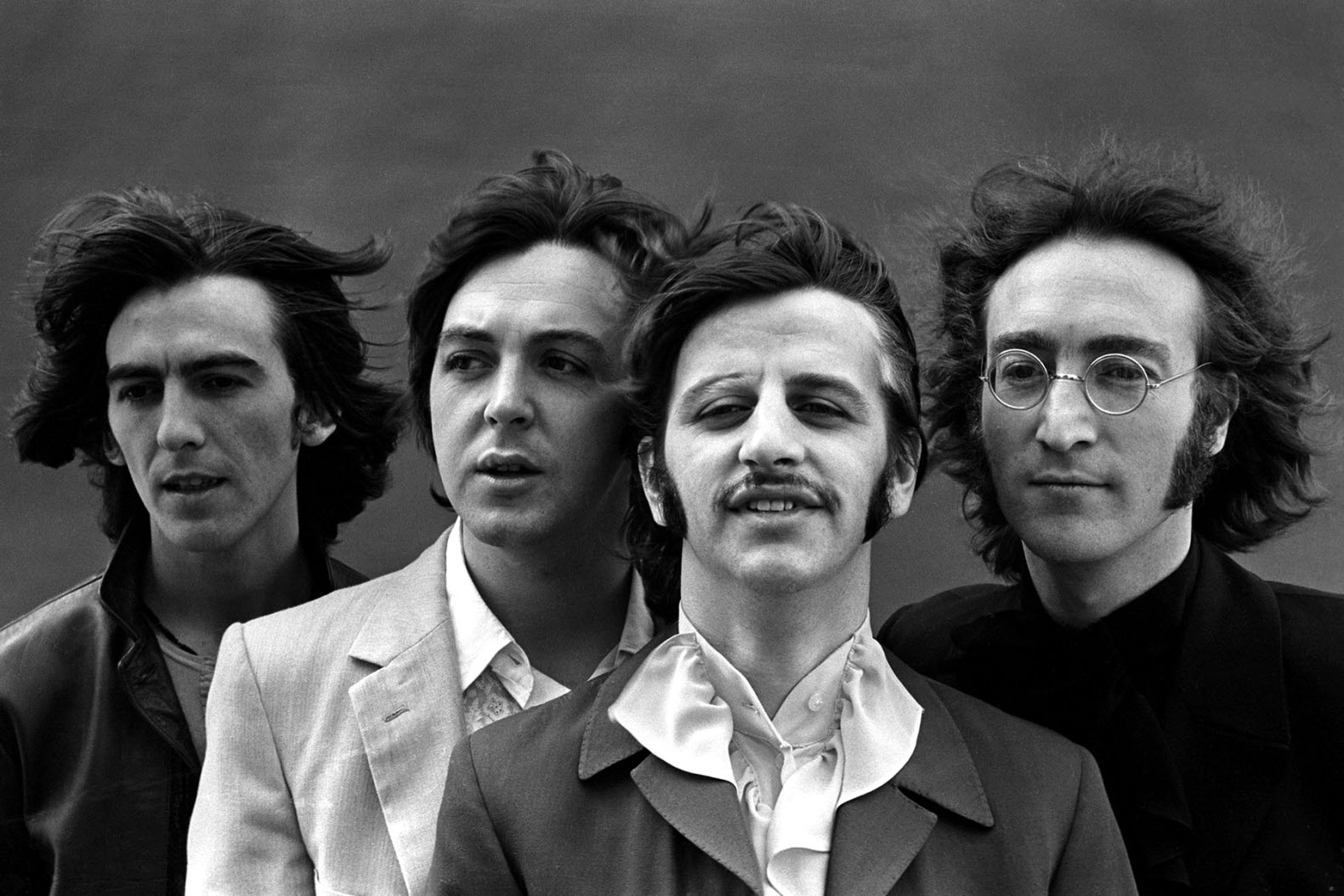
Few bands in history have left as indelible a mark on music as The Beatles. From their humble beginnings in Liverpool to becoming global icons, the Fab Four—John Lennon, Paul McCartney, George Harrison, and Ringo Starr—redefined the very essence of modern music. Their songs are more than mere melodies and lyrics; they are timeless masterpieces that have inspired countless generations and transcended cultural and geographical boundaries.
In this article, we take a journey through the most popular Beatles songs of all time—tracks that not only dominated charts around the world but also became the soundtrack to millions of lives. Whether you’re a lifelong devotee or a newcomer discovering the magic of The Beatles for the first time, these ten songs highlight the genius of their songwriting, the innovation of their sound, and the universal emotions they captured.
From the infectious energy of their early hits to the experimental brilliance of their later work, these songs are a testament to why The Beatles remain unparalleled in their influence. So, get ready to relive the magic as we count down the top 10 Beatles songs that continue to shape the world of music and remind us why love, indeed, is all you need.
1. “Hey Jude” (1968)
Few songs capture the essence of comfort and encouragement quite like Hey Jude. Released in 1968, this beloved anthem by The Beatles remains one of the most enduring songs in popular music. Paul McCartney originally wrote it as a gesture of support for Julian Lennon, John Lennon’s son, as he struggled with his parents’ divorce. However, what began as a personal message soon transformed into a universal anthem of resilience and optimism.
The song’s structure is simple yet profoundly effective. Beginning with McCartney’s gentle piano and heartfelt vocals, it gradually builds in intensity, culminating in an extended coda that has become one of the most iconic singalong moments in rock history. The repeated “Na-na-na-na” refrain invites listeners to lose themselves in its uplifting energy, making it a song that transcends generations.
Lyrically, Hey Jude offers words of encouragement, urging the listener to embrace change and let go of fear. The line “Take a sad song and make it better” serves as a reminder that even in difficult times, hope and joy can prevail. The song became a massive hit, topping the charts in multiple countries and solidifying its place as one of The Beatles’ most celebrated masterpieces.
2. “Let It Be” (1970)
Let It Be is more than just a song—it’s a timeless message of peace and acceptance. Released in 1970 as The Beatles were nearing their breakup, the track carries an emotional weight that resonates deeply with listeners. Paul McCartney wrote it after having a dream in which his late mother, Mary, appeared to him, offering the reassuring words, “Let it be.” Inspired by this vision, McCartney crafted a song that feels both deeply personal and universally comforting.
The song’s piano-driven melody is one of The Beatles’ most recognizable, creating an almost hymn-like quality that enhances its message of serenity. As McCartney’s vocals soar over the gospel-inspired arrangement, his words offer solace: “When I find myself in times of trouble, Mother Mary comes to me.” The song’s simplicity and sincerity have made it a go-to anthem for those seeking hope in difficult times.
Despite being released during a turbulent period in the band’s history, Let It Be became an instant classic, reaching the top of the charts and remaining one of The Beatles’ most beloved songs. It has since been covered by countless artists and continues to serve as a beacon of hope for generations.
3. “Yesterday” (1965)
One of the most poignant and universally adored songs in The Beatles’ catalog, Yesterday is a masterpiece of simplicity and emotion. Written by Paul McCartney and released in 1965 as part of the album Help!, the song captures feelings of nostalgia, regret, and longing with remarkable depth.
Unlike most Beatles tracks, Yesterday is performed solely by McCartney, accompanied by a delicate string arrangement that enhances its melancholic beauty. The lyrics reflect on a love that has faded, with McCartney lamenting, “Yesterday, all my troubles seemed so far away.” The sense of loss and yearning in his voice adds to the song’s emotional weight, making it resonate with anyone who has ever experienced heartbreak.
The song’s impact is undeniable. It became one of the most covered songs in history, recorded by hundreds of artists across various genres. Its timeless melody and heartfelt lyrics ensure that Yesterday remains a staple in popular music, a song that continues to touch hearts decades after its release.
4. “Come Together” (1969)
A bluesy, hypnotic track with an unmistakable groove, Come Together stands as one of The Beatles’ most distinctive songs. Released in 1969 as the opening track of Abbey Road, the song was primarily written by John Lennon and was originally conceived as a campaign anthem for Timothy Leary’s run for governor of California. However, it quickly evolved into something far more enigmatic and intriguing.
With its deep, rolling bassline, murky lyrics, and laid-back yet commanding delivery, Come Together feels almost like a musical riddle. Lines like “He got joo-joo eyeball, he one holy roller” have puzzled listeners for decades, adding to the song’s mystique. Lennon’s cool, almost whispered vocal performance adds a sense of mystery, while the tight instrumental arrangement keeps the song grooving effortlessly.
Despite its cryptic lyrics, Come Together became one of The Beatles’ most iconic tracks, showcasing their ability to experiment while still delivering a song that remains instantly recognizable. Its cool, laid-back feel continues to captivate new generations, proving the lasting power of The Beatles’ musical evolution.
5. “A Hard Day’s Night” (1964)
Few songs capture the youthful energy and excitement of Beatlemania quite like A Hard Day’s Night. Released in 1964 as both the title track of their album and the soundtrack to their film, the song is an electrifying burst of rock and roll that perfectly embodies The Beatles’ early sound.
From the moment the iconic opening chord strikes—a jangly, ringing sound that has puzzled musicians for years—the song launches into an irresistible, fast-paced rhythm. Written primarily by John Lennon, with contributions from Paul McCartney, the lyrics tell the story of a hardworking man who finds joy and relief in the love of his partner. Lines like “But when I get home to you, I find the things that you do / Will make me feel alright” add a touch of warmth and sincerity beneath the song’s energetic exterior.
Lennon’s gritty vocals, McCartney’s harmonies, and George Harrison’s infectious guitar work blend seamlessly, creating a track that remains as thrilling today as it was in 1964. A Hard Day’s Night not only became one of the band’s biggest hits, but also helped define the early British Invasion sound. Decades later, it still stands as a symbol of The Beatles’ unstoppable rise to global fame.
6. “Something” (1969)
Regarded as one of the greatest love songs ever written, Something is a testament to George Harrison’s growing brilliance as a songwriter. Released in 1969 as part of Abbey Road, the song marked a turning point in Harrison’s career, proving that he could stand alongside Lennon and McCartney as a songwriter of equal caliber.
Unlike many of The Beatles’ earlier love songs, Something is deeply personal and poetic, avoiding clichés in favor of heartfelt simplicity. The opening line, “Something in the way she moves, attracts me like no other lover,” is both intimate and universal, capturing the indescribable nature of love. Harrison’s tender vocals, combined with a beautifully understated arrangement, give the song a timeless, almost dreamlike quality.
The song’s soaring guitar solo, delivered with emotional precision, further cements its place as one of The Beatles’ most moving compositions. Praised by both fans and fellow musicians—including Frank Sinatra, who called it “the greatest love song ever written”—Something remains a shining example of Harrison’s artistic genius.
7. “Here Comes the Sun” (1969)
Few songs feel as uplifting and warm as Here Comes the Sun. Written by George Harrison during a difficult period in The Beatles’ career, the song was his response to the stress and tension surrounding the band. Recorded for Abbey Road in 1969, it quickly became one of the most beloved tracks in The Beatles’ catalog.
With its gentle acoustic guitar introduction, the song immediately sets a tone of hope and renewal. Harrison wrote it while visiting Eric Clapton’s home, enjoying the simple pleasure of sunlight after a long, dreary winter. That sense of relief and joy is reflected in the lyrics: “Little darling, the smiles returning to their faces / Little darling, it feels like years since it’s been here.”
Musically, Here Comes the Sun is deceptively intricate, featuring shifting time signatures and delicate instrumental layering. However, its natural flow and soothing melody make it feel effortless. Over the years, it has become a go-to song for moments of optimism and new beginnings, proving that sometimes, the simplest messages are the most powerful.
8. “I Want to Hold Your Hand” (1963)
The song that ignited Beatlemania in America, I Want to Hold Your Hand was a game-changer. Released in 1963, this upbeat, infectious track became The Beatles’ first U.S. number one hit, effectively launching their global dominance.
Written by John Lennon and Paul McCartney, the song captures the pure, youthful excitement of love. With its catchy melody, energetic hand claps, and joyous harmonies, I Want to Hold Your Hand radiates an innocence and enthusiasm that was impossible to resist. The lyrics are simple yet effective: “Oh, please say to me / You’ll let me be your man.” It’s direct, charming, and brimming with emotion.
Beyond its commercial success, I Want to Hold Your Hand represented a shift in pop music. Its polished yet energetic sound, combined with The Beatles’ undeniable charisma, set the stage for the British Invasion. Even decades later, the song remains one of their most recognizable and beloved hits, a testament to the timeless magic of their early music.
9. “Lucy in the Sky with Diamonds” (1967)
A psychedelic journey unlike any other, Lucy in the Sky with Diamonds stands as one of The Beatles’ most imaginative and surreal creations. Released in 1967 as part of Sgt. Pepper’s Lonely Hearts Club Band, the song transports listeners to a dreamlike world filled with vivid imagery and swirling melodies.
Inspired by a drawing made by John Lennon’s son, Julian, the song’s lyrics paint a fantastical landscape: “Picture yourself in a boat on a river / With tangerine trees and marmalade skies.” Lennon’s ethereal vocals, combined with the track’s trippy instrumentation, create a hypnotic, otherworldly atmosphere.
Despite ongoing speculation about hidden meanings, Lennon always maintained that the song was simply a product of creative storytelling. Musically, Lucy in the Sky with Diamonds showcases The Beatles at their most experimental, blending distorted guitars, dreamy harmonies, and unconventional song structures. Over the years, it has remained one of their most intriguing and influential tracks, embodying the spirit of 1960s psychedelia.
10. “Help!” (1965)
On the surface, Help! is an upbeat, energetic pop song—but beneath the lively melody lies one of John Lennon’s most personal and revealing lyrics. Released in 1965 as the title track for both the album and the film, the song was a reflection of Lennon’s inner turmoil during The Beatles’ rapid rise to fame.
Lennon later admitted that Help! was a genuine cry for support, written during a time when he felt overwhelmed by the pressures of stardom. Lines like “Help me if you can, I’m feeling down” reveal a vulnerability that was rare for pop music at the time. Yet, thanks to its catchy, fast-paced arrangement, the song never feels weighed down by its emotional depth.
Musically, Help! blends rock and pop effortlessly, with dynamic vocal harmonies and a driving rhythm that make it instantly memorable. Its combination of sincerity and accessibility helped it become one of The Beatles’ most enduring songs. Even today, Help! serves as a reminder that even in moments of struggle, reaching out for support can be a powerful step forward.

Edward Tomlin is a frequent contributor to Singers Room. Since 2005, Singersroom has been the voice of R&B around the world. Connect with us via social media below.









