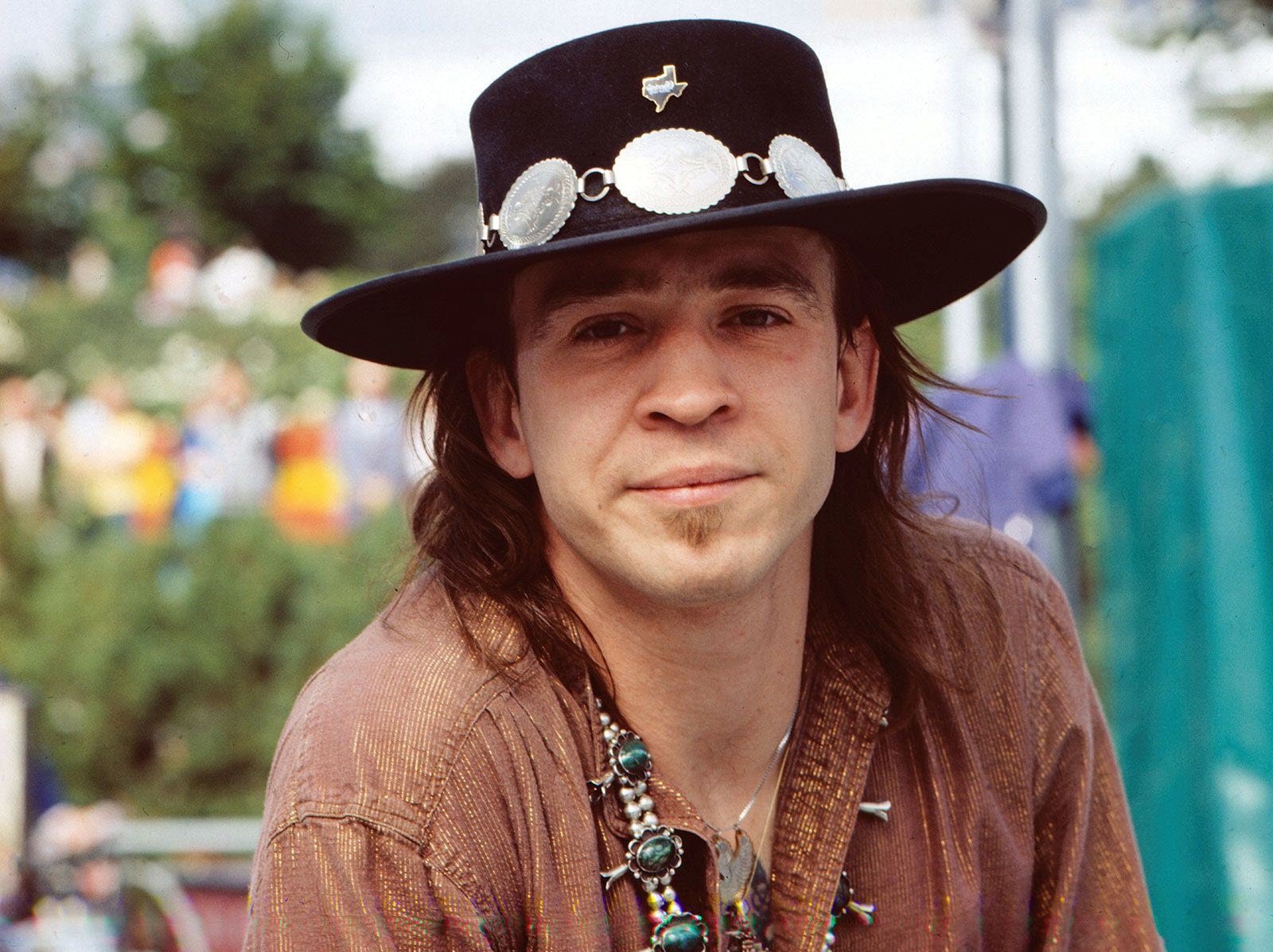
Stevie Ray Vaughan, the legendary Texas blues guitarist, left an indelible mark on the music world with his electrifying performances, soulful voice, and unparalleled mastery of the guitar. Rising to prominence in the 1980s, Vaughan revitalized blues music, blending it seamlessly with rock and capturing the hearts of millions. His untimely passing in 1990 only amplified his mystique, cementing his legacy as one of the greatest guitarists the world has ever seen. From fiery guitar solos to heartfelt ballads, his music continues to resonate with fans old and new, evoking raw emotion and timeless energy.
In this article, we dive into the top 10 most popular Stevie Ray Vaughan songs of all time. These tracks showcase his incredible talent, from his intricate fingerwork to his ability to channel pure emotion into every note. Whether you’re a lifelong fan or just discovering his genius, this list is a celebration of Vaughan’s finest work—songs that have defined his career and continue to inspire musicians across generations. From the iconic “Pride and Joy” to the spellbinding “Texas Flood,” these tracks are a testament to a man who lived and breathed the blues. Prepare to immerse yourself in the unparalleled artistry of Stevie Ray Vaughan.
1. Pride and Joy (1983)
One of Stevie Ray Vaughan’s most iconic songs, “Pride and Joy” bursts with energy, passion, and sheer blues brilliance. Released on his 1983 debut album Texas Flood, this track is a joyous celebration of love, delivered through Vaughan’s signature guitar tone and raw, soulful vocals. Written as a tribute to his then-girlfriend, the song captures the excitement and devotion of a man deeply in love.
What makes “Pride and Joy” stand out is its infectious shuffle rhythm, fueled by Vaughan’s impeccable rhythm guitar work and fiery lead licks. From the very first note, the song exudes confidence, blending blues, rock, and Texas swagger into an irresistible groove. His solos are masterful—fluid, expressive, and packed with emotion—showcasing the dazzling technique that would define his career.
The track quickly became one of Vaughan’s most recognized songs, earning a permanent spot in his live performances. Audiences were captivated by the way he attacked each note with precision and feeling, making every performance of “Pride and Joy” a unique experience. Even decades after its release, the song remains a staple in blues-rock playlists, a testament to Vaughan’s unparalleled artistry and his ability to make the blues feel fresh, exciting, and deeply personal.
2. Texas Flood (1983)
A slow-burning blues epic, “Texas Flood” is a song that defined Stevie Ray Vaughan’s legacy as a guitar hero. Originally written and recorded by Larry Davis in 1958, Vaughan’s 1983 version transformed the song into a gut-wrenching masterpiece of raw emotion and guitar brilliance.
Clocking in at over five minutes, “Texas Flood” is more than just a song—it’s a journey through heartbreak, longing, and the unrelenting power of the blues. Vaughan’s guitar sings, cries, and wails as he bends and sustains notes with otherworldly precision. His tone, dripping with rich, warm overdrive, turns each phrase into a deeply expressive statement. The lyrics compare emotional devastation to a raging flood, with lines like “Well, it’s flooding down in Texas / And all of the telephone lines are down” painting a picture of loneliness and despair.
This track became a showstopper in Vaughan’s live performances, allowing him to stretch out his solos, improvising breathtaking runs that left audiences in awe. “Texas Flood” cemented Vaughan’s place as a torchbearer for the blues, proving that his talent was more than just technical skill—it was an emotional force that could move people to their core.
3. Lenny (1983)
One of the most tender and introspective pieces in Stevie Ray Vaughan’s catalog, “Lenny” is a love song told entirely through his guitar. Named after his wife, Lenora, this instrumental track from Texas Flood showcases a softer, more lyrical side of Vaughan’s playing, proving that he could be just as expressive with delicate melodies as he was with fiery solos.
Unlike the explosive energy of “Pride and Joy” or “Texas Flood,” “Lenny” unfolds like a dream—gentle, atmospheric, and deeply emotional. Vaughan’s guitar tone is warm and shimmering, with subtle jazz and R&B influences woven throughout the composition. The song feels intimate, like a private moment between two people in love.
The beauty of “Lenny” lies in its simplicity. Vaughan lets the notes breathe, allowing space for the listener to absorb every nuance of his touch. The track became a signature piece in his live sets, often serving as a reflective moment in contrast to his high-energy performances. To this day, “Lenny” remains one of Vaughan’s most cherished compositions, a reminder that some of the most powerful music doesn’t need words—it just needs feeling.
4. Scuttle Buttin’ (1984)
If there’s one song that showcases Stevie Ray Vaughan’s blistering speed and technical mastery, it’s “Scuttle Buttin’.” This electrifying instrumental, which opens his 1984 album Couldn’t Stand the Weather, is a whirlwind of rapid-fire blues licks and jaw-dropping precision.
Clocking in at just under two minutes, “Scuttle Buttin’” wastes no time in grabbing the listener’s attention. The song kicks off with an incredibly fast, cascading riff that sets the tone for the relentless pace that follows. Vaughan’s Texas blues influence is on full display, blending elements of Chuck Berry-inspired rock ‘n’ roll with the deep, soulful grit of the blues.
The track serves as a thrilling showcase of Vaughan’s dexterity and control over his Fender Stratocaster. His picking hand moves with machine-like precision, while his fretting hand effortlessly navigates complex note sequences. Unlike some of his more emotionally charged slow blues numbers, “Scuttle Buttin’” is all about energy, drive, and pure instrumental prowess.
This song became a highlight in Vaughan’s live performances, often used as an opening number to set the stage for the high-octane blues that would follow. Even today, it remains a favorite among guitarists and blues enthusiasts, proving that sometimes, words aren’t needed—just a killer riff and an unmatched ability to make a guitar sing.
5. Couldn’t Stand the Weather (1984)
The title track from Stevie Ray Vaughan’s second album, Couldn’t Stand the Weather, is a fiery blues-rock anthem that captures the turbulence of life, love, and change. Released in 1984, the song builds on Vaughan’s signature sound, blending soulful vocals with scorching guitar work.
From the first note, “Couldn’t Stand the Weather” sets a moody, almost ominous tone. The song’s groove is driven by a deep, funky rhythm, laying the foundation for Vaughan’s impassioned singing and electrifying solos. The lyrics use stormy weather as a metaphor for a relationship on the brink of collapse, with lines like “Like a hurricane running through my veins” painting a vivid picture of emotional turmoil.
What truly makes the song shine is Vaughan’s dynamic guitar playing. His solos alternate between smooth, melodic phrases and explosive, wah-soaked licks that feel like bolts of lightning. The interplay between the rhythm section and Vaughan’s lead lines creates a tension that mirrors the song’s theme of chaos and change.
A staple of his live performances, “Couldn’t Stand the Weather” was often stretched into extended jam sessions, allowing Vaughan to improvise and push the song into new, electrifying territories. It remains one of his most beloved tracks, a perfect blend of blues, rock, and unrelenting passion.
6. Voodoo Child (Slight Return) (1984)
Covering a Jimi Hendrix classic is no easy task, but Stevie Ray Vaughan’s rendition of “Voodoo Child (Slight Return)” is nothing short of legendary. Featured on Couldn’t Stand the Weather, Vaughan’s version pays homage to Hendrix while injecting his own fiery Texas blues style into the song, making it one of the most revered guitar covers of all time.
From the opening wah-drenched notes, it’s clear that Vaughan is treating this track with the reverence it deserves. However, rather than simply mimicking Hendrix’s psychedelic approach, he brings his own muscular, aggressive playing into the mix. His Stratocaster roars with thick, searing tones, and his phrasing adds a sharp-edged precision to the song’s classic riffs.
Vocally, Vaughan stays true to Hendrix’s original delivery but infuses the lyrics with his own Texas drawl, adding a bluesier, more grounded feel to the song. His extended solos take “Voodoo Child” into uncharted territory, turning it into an electrifying display of raw emotion and technical brilliance.
This cover became a staple of Vaughan’s live shows, often performed as a show-stopping, extended jam session. To this day, it remains a defining moment in his career—proof that he wasn’t just a disciple of Hendrix, but a force in his own right, capable of standing shoulder to shoulder with the legends he idolized.
7. Life Without You (1985)
Among Stevie Ray Vaughan’s most emotionally resonant songs, “Life Without You” stands out as a heartfelt ballad that reveals a deeply personal side of the legendary guitarist. Released on his 1985 album Soul to Soul, this track is a moving tribute to lost loved ones and a reflection on the lessons he learned throughout his turbulent life.
Opening with a soulful, bluesy guitar intro, “Life Without You” immediately sets a somber yet hopeful tone. The song’s slow-burning melody allows Vaughan’s expressive guitar phrasing to shine, each note carrying the weight of raw emotion. Lyrically, the song explores themes of love, loss, and wisdom gained from past struggles, making it one of his most introspective compositions.
One of the most powerful aspects of “Life Without You” is its extended outro, where Vaughan delivers one of his most impassioned solos. The soaring bends, delicate vibrato, and sustained notes feel almost like a conversation between him and the listener—a heartfelt plea to cherish life and the people in it.
In later years, Vaughan often dedicated this song to friends he had lost, and it took on an even deeper meaning following his own tragic passing in 1990. Today, “Life Without You” remains a poignant reminder of Vaughan’s ability to channel deep emotion through his music, proving that the blues isn’t just about pain—it’s about resilience, reflection, and the love that endures beyond loss.
8. Crossfire (1989)
By the time Stevie Ray Vaughan released “Crossfire” in 1989, he had overcome his personal struggles with addiction and emerged with a renewed sense of purpose. This track, from his final studio album In Step, captures that journey with a groove-driven sound and a powerful message about the challenges of life.
Unlike Vaughan’s more traditional blues numbers, “Crossfire” leans into a funkier, more rhythmic feel, driven by an infectious bassline and a tight, pulsing beat. The song’s lyrics speak of being caught in the chaos of the world—whether through personal struggles or the pressures of society. Lines like “Day by day, night after night / Blinded by the neon light” reflect a sense of entrapment, something Vaughan knew all too well from his battle with substance abuse.
Musically, “Crossfire” features some of Vaughan’s most dynamic playing. His guitar licks weave effortlessly through the track, delivering punchy, stinging notes that add a sense of urgency to the song’s theme. His vocals, filled with grit and conviction, drive home the message of perseverance and determination.
The song quickly became a fan favorite and was one of Vaughan’s most commercially successful singles. It’s a testament to his growth as an artist—not just as a master of the blues but as a musician capable of blending multiple styles into something uniquely his own. “Crossfire” remains one of the defining songs of his later career, a battle cry for anyone fighting their way through life’s struggles.
9. Tightrope (1989)
“Tightrope”, another standout track from In Step, is a song that perfectly encapsulates Stevie Ray Vaughan’s personal and artistic journey. Released in 1989, the song serves as both a reflection on his struggles with addiction and a declaration of his newfound sobriety and stability.
Built on a driving rhythm and a sharp, cutting blues-rock groove, “Tightrope” carries a sense of urgency that mirrors the precarious balancing act described in the lyrics. The metaphor of walking a tightrope between self-destruction and redemption is one that resonated deeply with Vaughan, who had spent years battling his demons before emerging stronger than ever.
Vaughan’s guitar work on this track is fierce yet controlled, reflecting both his past turmoil and his newfound clarity. His solos are explosive but never chaotic—every note feels intentional, like he’s channeling his past struggles into his playing. His vocals, too, carry a weight of experience, with lines like “Just trying to keep from falling” delivering a sense of vulnerability.
“Tightrope” became an anthem of resilience, not just for Vaughan, but for anyone who has fought to overcome hardship. It stands as a powerful testament to his ability to translate personal struggles into music that continues to inspire listeners decades later.
10. Little Wing (1991, posthumous)
Few guitarists have been able to capture the sheer emotional depth of Jimi Hendrix’s “Little Wing” quite like Stevie Ray Vaughan. Released posthumously on the 1991 album The Sky Is Crying, Vaughan’s version of this classic track is an instrumental masterpiece that pays tribute to Hendrix while showcasing his own unique voice as a guitarist.
Unlike the original, which featured Hendrix’s dreamy vocals and delicate guitar flourishes, Vaughan’s rendition is purely instrumental, allowing his guitar to take center stage. From the very first notes, Vaughan infuses the song with a deep, almost spiritual quality. His touch on the strings is both tender and powerful, conveying a profound sense of longing, beauty, and reverence.
What makes Vaughan’s “Little Wing” so special is the way he extends the song into a breathtaking solo that feels like a conversation between him and the instrument. His phrasing is impeccable—every bend, slide, and sustain seems to tell a story. Rather than trying to replicate Hendrix’s playing, Vaughan makes the song his own, adding a Texas blues warmth and an intensity that makes it feel like a heartfelt tribute to one of his biggest influences.
Sadly, “Little Wing” was released after Vaughan’s untimely passing in 1990, adding another layer of poignancy to an already emotional track. It stands as one of his most beautiful recordings—a final love letter to the music that shaped him and a reminder of the immense talent the world lost too soon.

Edward Tomlin is a frequent contributor to Singers Room. Since 2005, Singersroom has been the voice of R&B around the world. Connect with us via social media below.









