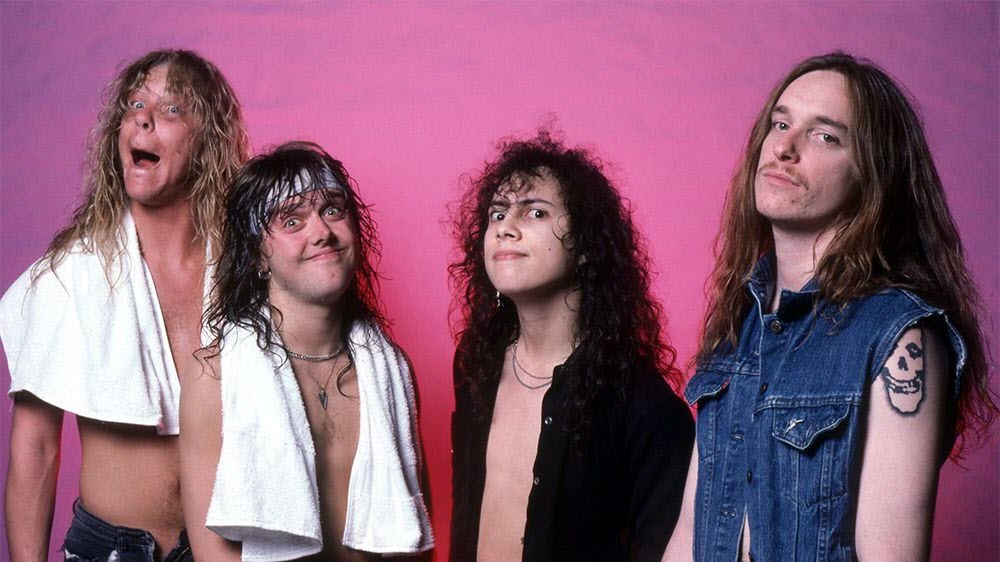
Few bands have achieved the legendary status and cultural impact of Metallica. Since their formation in 1981, this heavy metal powerhouse has redefined the genre, blending ferocious riffs, soul-stirring lyrics, and groundbreaking artistry to create music that transcends generations. From the raw energy of their early thrash-metal roots to their evolution into one of the most iconic rock bands in history, Metallica has delivered anthems that resonate with millions worldwide.
But what are the tracks that truly define their legacy? Which songs have etched themselves into the hearts of fans and stood the test of time? Whether you’re a die-hard fan or just discovering the band, this list will take you on an electrifying journey through Metallica’s most beloved and celebrated songs. From headbanging classics to emotionally charged ballads, these tracks showcase the band’s unparalleled ability to push the boundaries of heavy metal while remaining true to their core.
Get ready to crank up the volume and relive the moments that made Metallica a global phenomenon. Without further ado, here are the top 10 most popular Metallica songs of all time—guaranteed to spark nostalgia, adrenaline, and a whole lot of metal pride!
1. Enter Sandman (1991)
When Metallica unleashed Enter Sandman as the lead single from The Black Album, they didn’t just release a song—they created an anthem that would define their career and reshape heavy metal. From the eerie, creeping guitar intro to the explosive, stadium-shaking chorus, every element of the track is designed to send chills down your spine. Kirk Hammett’s haunting riff immediately sets a sinister mood, while Lars Ulrich’s pounding drums build tension, leading to one of the most unforgettable hooks in rock history.
Lyrically, Enter Sandman taps into the primal fears of childhood nightmares, twisting the comforting ritual of bedtime prayers into something far more menacing. James Hetfield’s commanding vocals amplify the song’s dark theme, with lines about never-ending dreams and lurking dangers under the bed. The song’s balance of eerie atmosphere and mainstream accessibility propelled Metallica to global superstardom, proving that heavy metal could dominate the airwaves without sacrificing its intensity.
With its colossal sound and unforgettable energy, Enter Sandman became a staple in Metallica’s live shows, often serving as their epic encore. Decades after its release, its impact hasn’t faded—whether blaring from stadium speakers or sending shivers through new listeners, Enter Sandman remains one of the most iconic metal songs of all time.
2. Master of Puppets (1986)
If there’s a song that encapsulates everything Metallica represents, it’s Master of Puppets. The title track from their third album is an eight-minute thrash metal epic that showcases the band’s technical brilliance, aggressive energy, and ability to weave complex themes into their music. Built around one of James Hetfield’s most iconic riffs, the song wastes no time in launching into a relentless assault of fast-paced rhythms and intricate guitar work.
Lyrically, Master of Puppets is a dark exploration of addiction and control. The metaphor of being a puppet manipulated by unseen forces mirrors the way substance abuse can take hold of a person’s life. Hetfield’s commanding delivery makes every line feel urgent, while the song’s shifting tempos and dynamic changes pull the listener deeper into its chaotic yet calculated structure.
The instrumental breakdown midway through—featuring a hauntingly melodic interlude before surging back into full thrash fury—demonstrates Metallica’s unparalleled ability to balance melody and aggression. More than just a fan favorite, Master of Puppets is a defining moment in heavy metal history, consistently ranked among the greatest metal songs of all time.
3. One (1988)
Few songs in Metallica’s discography carry the emotional and sonic impact of One. Released on …And Justice for All, this masterpiece tells a harrowing story of a soldier trapped in his own body—blind, deaf, and unable to communicate after being severely wounded in war. Inspired by the novel Johnny Got His Gun, the song is a gut-wrenching meditation on isolation, suffering, and the horrors of combat.
Musically, One is a journey. It begins with a melancholic clean guitar intro, setting a sorrowful tone before the song gradually builds in intensity. Lars Ulrich’s drumming, subtle at first, erupts into a thunderous double-bass assault, signaling the shift from sorrow to rage. Kirk Hammett’s searing solo and Hetfield’s razor-sharp rhythm work propel the song into its explosive climax, where machine-gun-like riffs mimic the chaos of battle.
The accompanying music video, featuring haunting scenes from Johnny Got His Gun, intensified the song’s chilling message, making it one of Metallica’s most powerful visual statements. To this day, One remains a highlight of their live performances, delivering an emotional and sonic punch that leaves audiences breathless.
4. Nothing Else Matters (1991)
With Nothing Else Matters, Metallica stepped outside their comfort zone, revealing a vulnerable side rarely seen in their previous work. Originally written by James Hetfield as a deeply personal love song, it soon became one of the band’s most beloved tracks, proving that Metallica could master more than just thrash metal.
The song’s delicate fingerpicked intro immediately sets it apart from their heavier material. Hetfield’s vocals, raw with emotion, carry a sincerity that resonates deeply with listeners. The lyrics—an expression of devotion and unwavering commitment—connect on a universal level, making the song a favorite for both metal fans and mainstream audiences alike.
Orchestral elements, later added in S&M performances with the San Francisco Symphony, further elevate Nothing Else Matters, giving it an almost cinematic grandeur. Kirk Hammett’s solo, soaring yet restrained, perfectly complements the song’s introspective tone. Over the years, Nothing Else Matters has transcended genres, covered by countless artists and featured in film soundtracks, proving that Metallica’s influence extends far beyond the world of heavy metal.
5. Fade to Black (1984)
Metallica’s first true ballad, Fade to Black, marked a turning point in their songwriting, demonstrating their ability to blend melody with crushing heaviness. Featured on Ride the Lightning, the song explores themes of despair, loss, and inner turmoil, making it one of their most emotionally charged tracks.
Opening with a mournful acoustic guitar melody, Fade to Black gradually builds in intensity, drawing the listener deeper into its somber atmosphere. Hetfield’s lyrics, reflecting on feelings of hopelessness, struck a chord with many fans who found solace in its raw honesty. But just when the song feels like it might collapse under its own sorrow, it erupts into a powerful climax—an electrifying surge of distorted guitars and furious solos that showcase Metallica’s signature aggression.
The song’s dual nature—melancholic yet thunderous—cements its place as one of Metallica’s most beloved tracks. Over the years, it has become an anthem for those grappling with their own struggles, proving that even in the darkest moments, music can offer a sense of understanding and catharsis.
6. The Unforgiven (1991)
One of Metallica’s most emotionally gripping songs, The Unforgiven blends haunting melodies with thunderous heaviness, creating a unique dynamic that sets it apart from traditional metal ballads. Featured on The Black Album, the song tells a deeply personal story of regret, oppression, and the struggle for self-liberation.
Lyrically, The Unforgiven explores themes of isolation and the pressures of conformity. James Hetfield delivers one of his most heartfelt vocal performances, conveying the pain of a person who has spent their life seeking acceptance, only to realize they have never truly been free. The song’s verses are quiet and sorrowful, punctuated by acoustic guitar, while the chorus erupts with distorted power chords and anguished cries, making the contrast all the more powerful.
Kirk Hammett’s soaring solo adds another layer of emotion, cutting through the song with a mix of bluesy phrasing and blistering intensity. The decision to invert the traditional “soft verse, heavy chorus” structure—opting instead for soft choruses and heavy verses—was a bold move, giving The Unforgiven a sound that was fresh and unexpected.
As one of Metallica’s most beloved tracks, The Unforgiven spawned two sequels in later albums, continuing its story of inner turmoil. However, the original remains the most iconic, striking a balance between heavy metal ferocity and deep introspection.
7. Seek & Destroy (1983)
A pure thrash metal anthem, Seek & Destroy is a relentless assault of high-energy riffs, pounding drums, and rebellious attitude. Featured on Kill ‘Em All, this track is a prime example of Metallica’s raw, unfiltered aggression in their early years.
From the opening riff, Seek & Destroy establishes itself as a live-show staple, its infectious energy instantly igniting audiences. James Hetfield’s snarling vocals perfectly match the song’s themes of destruction and chaos, making it an anthem of defiance. The track’s mid-tempo groove allows every riff to hit with full force, while Kirk Hammett’s scorching solo takes the song to another level, showcasing the band’s technical prowess.
What makes Seek & Destroy so enduring is its simplicity—driven by a straightforward structure and relentless momentum, it embodies the very essence of thrash metal. The chant-like chorus invites fans to sing along, making it one of Metallica’s most interactive songs during live performances. Decades later, Seek & Destroy still feels as electrifying as it did in 1983, proving that sometimes, raw power and attitude are all you need to create a timeless metal classic.
8. For Whom the Bell Tolls (1984)
Inspired by Ernest Hemingway’s novel of the same name, For Whom the Bell Tolls is a dramatic and ominous masterpiece that showcases Metallica’s storytelling ability. Found on Ride the Lightning, the song paints a grim picture of the horrors of war, focusing on soldiers facing imminent death.
The song opens with Cliff Burton’s legendary bass intro—distorted and thunderous, it immediately sets the tone for what follows. The track’s mid-tempo pace, coupled with Lars Ulrich’s pounding drums, creates a sense of impending doom, mirroring the battlefield tension described in the lyrics. Hetfield’s vocals, delivered with a commanding presence, tell a story of men caught in the chaos of war, fighting for survival with no hope of escape.
Unlike many of Metallica’s other songs, For Whom the Bell Tolls leans heavily on atmosphere and repetition, using its colossal riffs to build a feeling of dread rather than speed-driven aggression. This approach makes it one of the band’s most powerful songs, often performed live with overwhelming intensity. A staple in Metallica’s setlists, For Whom the Bell Tolls remains an epic and unforgettable piece of heavy metal history.
9. Creeping Death (1984)
A thrash metal juggernaut, Creeping Death is one of Metallica’s most explosive and aggressive songs. Featured on Ride the Lightning, the track retells the biblical story of the Plague of the Firstborn from the perspective of the angel of death, bringing a unique historical and mythological angle to its lyrics.
From the first crushing riff, Creeping Death is a relentless force, driven by rapid-fire guitar work and James Hetfield’s commanding vocals. The song’s structure is perfectly crafted, moving between galloping verses, a ferocious chorus, and a bridge section that has become legendary among fans. The breakdown—where thousands of voices chant “Die! Die!” in unison at live shows—is one of the most powerful moments in Metallica’s concert history.
Kirk Hammett’s blistering solo adds another layer of intensity, while the song’s unyielding pace ensures it never loses momentum. As one of Metallica’s most frequently played live songs, Creeping Death continues to captivate audiences with its raw energy and larger-than-life presence. Whether you’re drawn to its biblical themes or its sheer musical aggression, Creeping Death stands as one of the definitive thrash metal anthems.
10. Ride the Lightning (1984)
The title track from Ride the Lightning is a high-speed, thought-provoking exploration of a man facing execution. Unlike many traditional metal songs that glorify violence, Ride the Lightning takes a different approach, depicting the horror and helplessness of being sentenced to death.
Opening with an electrifying riff, the song wastes no time launching into full-speed thrash chaos. Hetfield’s lyrics place the listener in the shoes of the condemned, expressing fear, confusion, and resentment as the moment of execution approaches. Lars Ulrich’s drumming drives the track forward with relentless energy, while Kirk Hammett’s solo work elevates the intensity even further, weaving between aggressive shredding and expressive melodies.
What makes Ride the Lightning stand out is its dynamic structure. The song shifts between breakneck speed and slower, ominous passages, reflecting the emotional highs and lows of its narrative. The result is a track that is both thought-provoking and adrenaline-pumping, proving Metallica’s ability to combine storytelling with musical mastery.
Decades later, Ride the Lightning remains a fan favorite, embodying the band’s evolution from raw thrashers to sophisticated songwriters. It’s a testament to Metallica’s ability to create music that is both heavy and deeply meaningful—a rare combination that has solidified their place in metal history.

Edward Tomlin is a frequent contributor to Singers Room. Since 2005, Singersroom has been the voice of R&B around the world. Connect with us via social media below.









