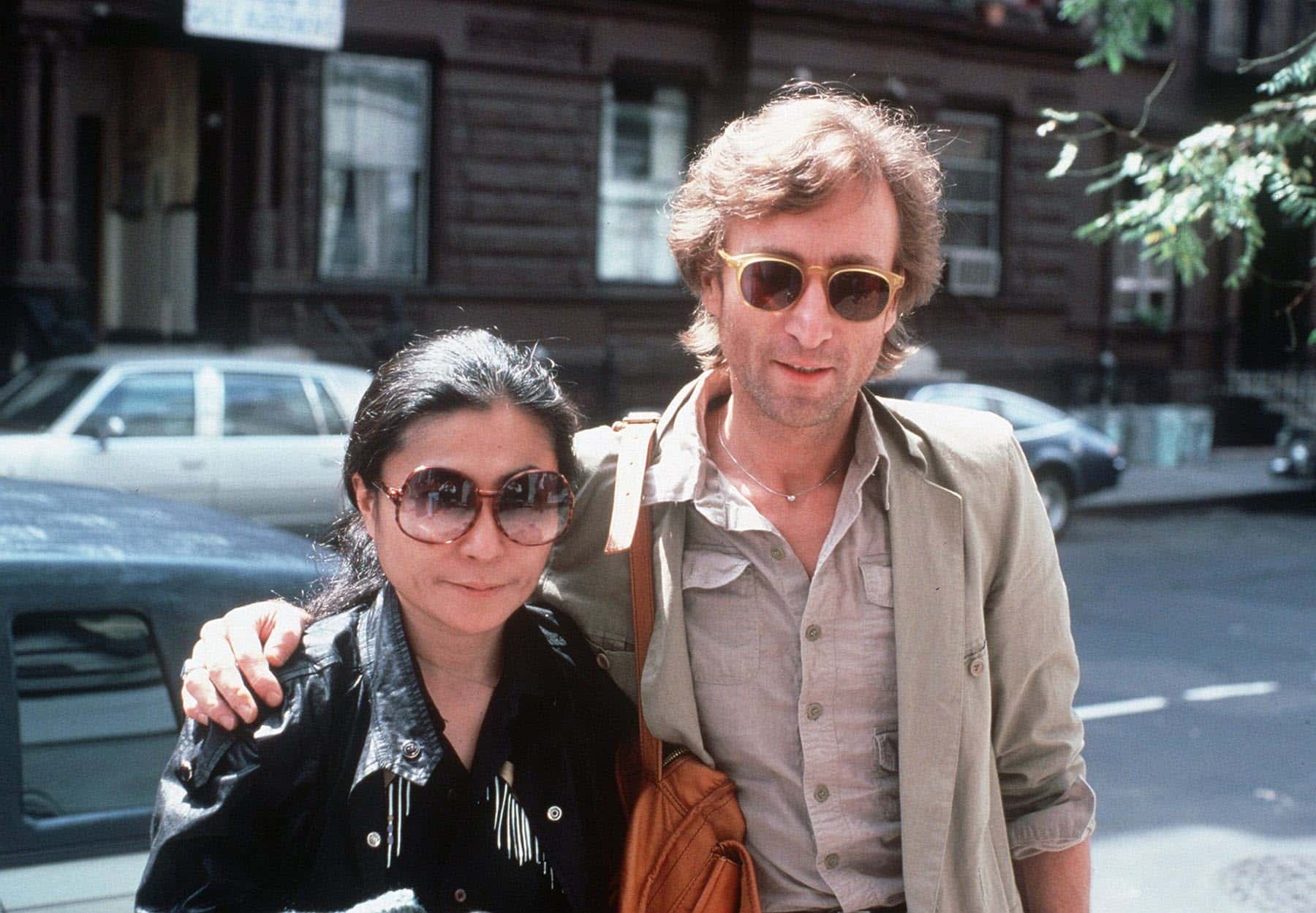
John Lennon, the legendary singer-songwriter, activist, and co-founder of The Beatles, left an indelible mark on the world of music and culture. His songs, both with The Beatles and as a solo artist, have transcended generations, inspiring millions with their raw emotion, poetic lyrics, and timeless melodies. From heartfelt ballads to powerful anthems of peace and love, Lennon’s music reflects the depth of his artistry and the complexity of his soul. Whether exploring themes of personal introspection, social justice, or universal harmony, his songs continue to resonate as deeply today as they did decades ago.
In this article, we’ll take a journey through the top 10 most popular John Lennon songs of all time—tracks that have not only defined his career but also shaped the soundtrack of our lives. From iconic hits that became cultural anthems to deeply personal compositions that reveal the man behind the music, these songs showcase Lennon’s genius in its purest form. Whether you’re a lifelong fan or just beginning to discover the magic of Lennon’s artistry, this list is sure to remind you why his music remains as powerful and relevant as ever. Get ready to celebrate the legacy of one of music’s greatest visionaries!
1. Imagine (1971)
“Imagine” is more than just a song—it’s a vision for a better world. Released in 1971 on the album of the same name, this timeless anthem encapsulates John Lennon’s hopes for peace, unity, and understanding. With its gentle piano melody and simple, yet profoundly moving lyrics, “Imagine” challenges listeners to picture a world free from division—no borders, no material greed, no war. The song’s message is utopian yet deeply personal, reflecting Lennon’s own beliefs about humanity’s potential for harmony.
Despite its initial reception as a controversial ideal, “Imagine” has grown to become one of the most influential and universally recognized songs of all time. It has been covered by countless artists, performed at global events, and used as a rallying cry for peace movements worldwide. The song’s power lies in its ability to transcend generations, offering a message that feels just as relevant today as it did over 50 years ago.
More than just a pop song, “Imagine” stands as an anthem for dreamers—those who refuse to accept the world as it is and instead dare to believe in something greater. Lennon’s vision lives on in this beautifully simple yet revolutionary composition.
2. Instant Karma! (1970)
Few songs capture John Lennon’s urgency and creative genius quite like “Instant Karma!” Released in 1970, this electrifying track was written, recorded, and released in a single day—one of the fastest turnarounds in music history. That spontaneity is reflected in the song’s raw energy, with a pounding piano rhythm, driving drumbeat, and Lennon’s impassioned vocals giving it an almost frenzied quality.
Lyrically, “Instant Karma!” explores the idea of immediate consequences for our actions, with Lennon urging listeners to wake up, take responsibility, and embrace positivity. The chorus—”We all shine on, like the moon and the stars and the sun”—is both a cosmic statement and an uplifting mantra, encouraging people to live in the moment and strive for something greater.
Produced by Phil Spector, the song boasts a wall-of-sound production that adds to its larger-than-life feel. It became one of Lennon’s biggest solo hits and remains a standout in his catalog. Whether interpreted as a call for personal accountability or a reflection of Lennon’s own philosophies, “Instant Karma!” is an unforgettable burst of rock energy with a lasting impact.
3. Jealous Guy (1971)
“Jealous Guy” is one of John Lennon’s most heartfelt and vulnerable songs, a ballad that lays bare his struggles with insecurity and regret. Originally conceived during his time with The Beatles under the working title “Child of Nature,” the song was later reworked and released on his 1971 album Imagine.
Unlike much of Lennon’s socially conscious work, “Jealous Guy” is deeply personal, an introspective confession of the flaws that affected his relationships—particularly with Yoko Ono. The lyrics paint a picture of a man overwhelmed by jealousy, remorseful for the pain he has caused. With a delicate piano melody and Lennon’s raw, emotional delivery, the song captures the fragility of love and the weight of self-reflection.
Over the years, “Jealous Guy” has become one of Lennon’s most beloved songs. It has been covered by numerous artists, most notably Roxy Music, whose rendition became a hit after Lennon’s tragic death. More than just a love song, “Jealous Guy” is a rare moment of emotional openness from a rock legend, making it all the more powerful.
4. Give Peace a Chance (1969)
A true protest anthem, “Give Peace a Chance” was born from one of John Lennon and Yoko Ono’s most famous acts of activism—their 1969 Bed-In for Peace. Recorded in a Montreal hotel room, the song’s minimalist, chant-like structure made it instantly accessible, allowing it to be sung at rallies, protests, and peace demonstrations around the world.
The song’s lyrics are simple yet effective, emphasizing the universal desire for peace. The repetitive chorus—”All we are saying is give peace a chance”—became a unifying slogan for the anti-war movement, particularly in opposition to the Vietnam War. Unlike some of Lennon’s later political songs, “Give Peace a Chance” isn’t angry or confrontational; instead, it invites people to come together with hope.
The song’s impact has endured for decades, being performed at major global events and covered by various artists to continue its message. “Give Peace a Chance” remains one of the most powerful protest songs ever recorded, a testament to Lennon’s commitment to activism through music.
5. Working Class Hero (1970)
“Working Class Hero” is one of John Lennon’s most unfiltered and politically charged songs. Released in 1970 on his debut solo album John Lennon/Plastic Ono Band, the song is a stark, stripped-down commentary on social class and systemic oppression. Featuring only Lennon’s voice and an acoustic guitar, the song’s simplicity allows its message to cut through with devastating clarity.
The lyrics take aim at the way society molds individuals into conformity, suppressing creativity and independent thought. Lennon’s delivery is biting, and his use of explicit language—a rarity in his work—underscores the song’s raw, rebellious spirit. It’s a protest song in the truest sense, exposing the harsh realities of working-class struggles while simultaneously challenging the illusion of social mobility.
Despite its blunt critique, “Working Class Hero” has resonated with audiences for decades. It has been covered by numerous artists, including Green Day and Marianne Faithfull, further cementing its legacy. Lennon’s message remains as relevant today as it was in 1970, making “Working Class Hero” a powerful anthem for those who feel unheard.
6. Happy Xmas (War Is Over) (1971)
“Happy Xmas (War Is Over)” is far more than just a festive tune—it’s a deeply moving protest song wrapped in the warmth of a holiday melody. Released in 1971, the song was part of John Lennon and Yoko Ono’s continued anti-war activism, specifically aimed at protesting the Vietnam War. Its message is simple yet powerful: peace is within reach, but only if people choose to make it a reality.
Musically, the song is a beautiful blend of folk and holiday elements. The chiming bells, gentle acoustic guitar, and the uplifting addition of the Harlem Community Choir create an atmosphere of both hope and urgency. The lyrics begin with an intimate message—”So this is Christmas, and what have you done?”—inviting self-reflection before expanding into a call for unity and change. The chorus, “War is over, if you want it”, reinforces Lennon’s belief that peace is not just a dream but an achievable goal.
Over the decades, “Happy Xmas (War Is Over)” has become a holiday staple, standing alongside traditional Christmas songs while carrying a message of activism. Its enduring popularity proves that Lennon’s vision of peace is still something the world longs for.
7. (Just Like) Starting Over (1980)
Released in 1980, “(Just Like) Starting Over” marked a significant moment in John Lennon’s career—it was his first single after a five-year break from music, during which he focused on family life with Yoko Ono and their son, Sean. The song, which opens his Double Fantasy album, radiates joy, optimism, and a sense of new beginnings.
Musically, it’s a throwback to the rock and roll sounds of the 1950s, with clear influences from Elvis Presley and Roy Orbison. The smooth doo-wop harmonies, playful melodies, and heartfelt lyrics give the song a nostalgic yet fresh feel. Lennon’s lyrics reflect his renewed appreciation for love and life, as he sings about rekindling a romance and embracing a new chapter with Yoko.
Tragically, “(Just Like) Starting Over” became a posthumous hit, reaching No. 1 shortly after Lennon’s assassination. What was meant to be a celebration of a new phase in his life instead became a heartbreaking farewell. Today, the song stands as a testament to Lennon’s happiness in his final years, as well as his ability to craft timeless, feel-good music.
8. Mind Games (1973)
“Mind Games” is a soaring, introspective anthem that reflects John Lennon’s spiritual journey and ongoing quest for peace. Released in 1973, the song is an evolution of his earlier activism, shifting from outright protest to a more philosophical approach to achieving harmony. Inspired by the concept of positive thinking, Lennon encourages listeners to embrace love and unity, singing about playing “mind games together” as a path to enlightenment.
Musically, “Mind Games” is uplifting and expansive, featuring a sweeping arrangement, lush instrumentation, and a steady, marching beat that gives it a sense of movement and purpose. The song was written during a turbulent period in Lennon’s life—his marriage with Yoko Ono was strained, and he was facing increasing pressure from the U.S. government over his political activism. Despite these struggles, the song remains hopeful and forward-looking.
Though “Mind Games” wasn’t a massive hit upon its release, it has grown in stature over the years, often being regarded as one of Lennon’s hidden gems. Its message of perseverance and inner peace continues to inspire those seeking light in dark times.
9. Mother (1970)
Few songs in John Lennon’s catalog are as emotionally raw as “Mother”. Released in 1970 as the opening track of John Lennon/Plastic Ono Band, the song serves as an intensely personal outpouring of grief, abandonment, and longing. Influenced by his experiences with primal scream therapy, “Mother” is Lennon’s way of confronting the deep wounds left by his parents’ absence.
The song begins with the tolling of funeral bells, setting a somber tone before Lennon’s voice enters, cracked with emotion. The lyrics, simple yet devastating, recount his childhood pain—his father left when he was a baby, and his mother, Julia, was killed when he was 17. Lines like “Mother, you had me, but I never had you” and “Father, you left me, but I never left you” encapsulate the deep sense of loss he carried.
Musically, the song is stark and unembellished, featuring only Lennon’s voice, a raw piano accompaniment, and sparse drumming. By the song’s climax, his voice is nearly screaming, reflecting the intensity of his emotions. “Mother” isn’t just a song—it’s a cathartic release, an unfiltered expression of pain that resonates with anyone who has experienced loss.
10. Watching the Wheels (1980)
“Watching the Wheels” is John Lennon’s heartfelt response to those who questioned his decision to step away from the music industry. Released in 1980 on Double Fantasy, the song finds Lennon at peace with his choice to leave the spotlight and focus on raising his son, Sean. It’s a gentle, introspective reflection on the simple joys of life away from fame.
With its laid-back melody and relaxed vocal delivery, “Watching the Wheels” exudes contentment. The lyrics directly address critics who couldn’t understand why he had stopped making music for five years—”People say I’m crazy, doing what I’m doing / Well, they give me all kinds of warnings to save me from ruin.” Lennon, however, dismisses these concerns with ease, stating that he’s found happiness in just living.
The song’s philosophical undertones echo Lennon’s longtime belief in rejecting materialism and societal expectations. Though he would tragically be taken from the world soon after its release, “Watching the Wheels” serves as a final message from Lennon: a reminder that true fulfillment comes from within, not from external validation.

Edward Tomlin is a frequent contributor to Singers Room. Since 2005, Singersroom has been the voice of R&B around the world. Connect with us via social media below.









