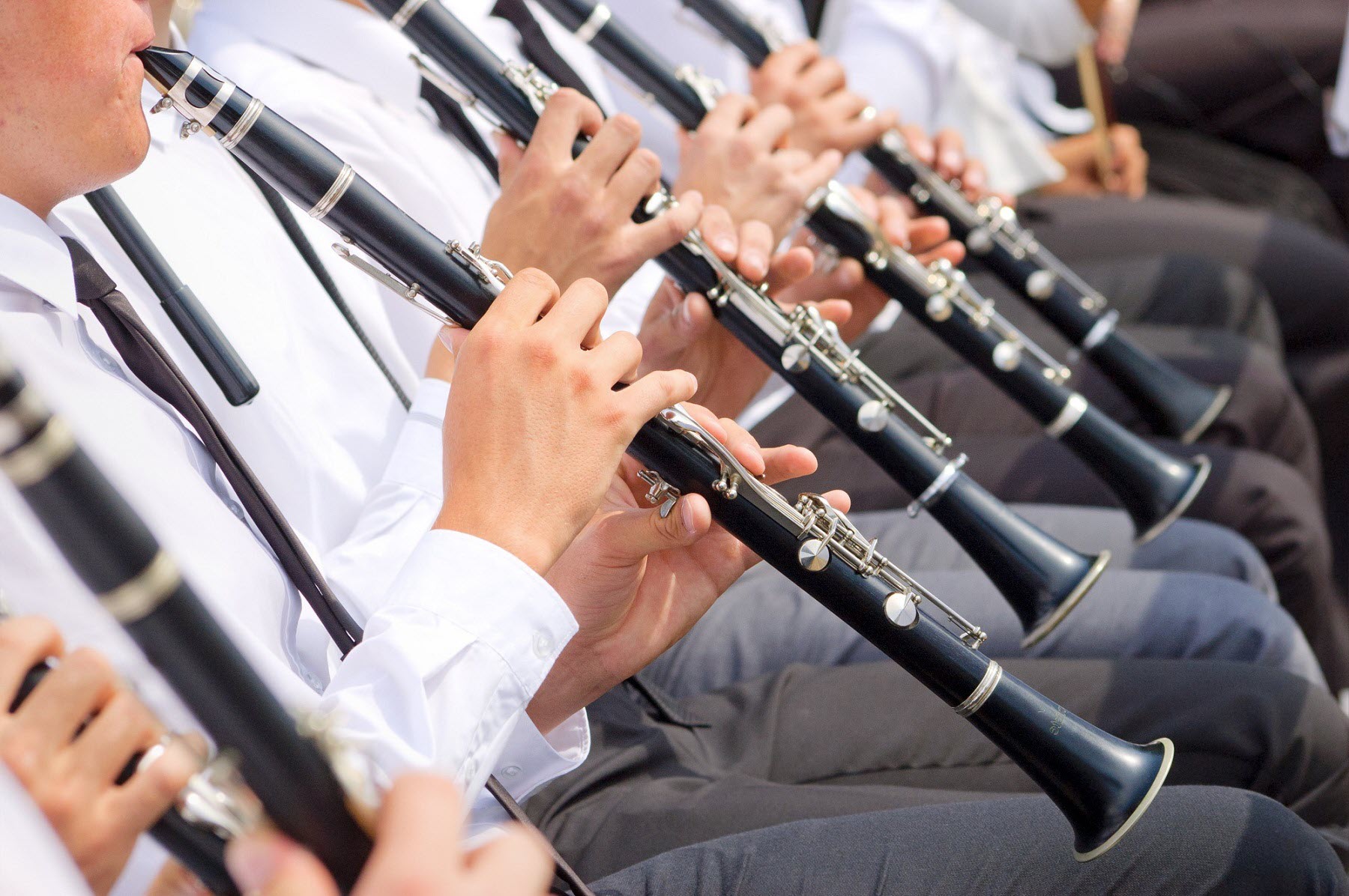
The clarinet, with its soulful timbre and unmatched versatility, has long been a beloved instrument in both classical and contemporary music. From the velvety depths of its lower register to the soaring brilliance of its upper notes, the clarinet possesses a unique ability to evoke emotion and captivate audiences. But what truly brings this instrument to life are the masters who wield it—those virtuosos who have elevated the clarinet to extraordinary heights and left an indelible mark on the world of music.
In this article, we’ll celebrate 15 of the greatest clarinet players of all time—artists whose talent, innovation, and dedication have inspired generations. From classical legends like Benny Goodman, who earned the title “King of Swing,” to groundbreaking modern performers pushing the instrument’s boundaries, these musicians represent the pinnacle of clarinet mastery. Whether you’re a seasoned musician, a classical enthusiast, or simply someone who appreciates exceptional artistry, this list promises to introduce you to a world of unforgettable performances and inspiring stories.
So, grab your headphones, prepare to be amazed, and join us as we explore the lives and legacies of the top clarinet players who have shaped the history of this enchanting instrument!
1. Benny Goodman
Benny Goodman, widely celebrated as the “King of Swing,” revolutionized jazz music with his unparalleled skill on the clarinet. Emerging in the 1930s, he led one of the most successful big bands of the swing era, bringing jazz into the mainstream and elevating the clarinet to a leading role in the genre. His smooth yet electrifying tone, combined with incredible technical precision, made his performances truly iconic.
Goodman was also a trailblazer in breaking racial barriers. At a time when segregation was still prevalent in the music industry, he formed one of the first racially integrated bands, featuring legends like Teddy Wilson, Lionel Hampton, and Charlie Christian. This bold move not only influenced jazz history but also played a role in the broader civil rights movement.
One of his most legendary moments was his historic 1938 Carnegie Hall concert, a groundbreaking event that showcased swing music in a prestigious classical venue. This concert solidified jazz as an art form worthy of serious recognition. His hit songs, such as Sing, Sing, Sing, Let’s Dance, and Stompin’ at the Savoy, remain timeless, capturing the essence of swing music’s golden age.
Beyond jazz, Goodman also delved into classical music, performing works by Mozart and commissioning pieces from contemporary composers like Aaron Copland. His impact on both jazz and classical clarinet playing ensures his legacy continues to inspire musicians to this day.
2. Artie Shaw
Artie Shaw was not only a brilliant clarinetist but also one of the most complex and fascinating figures in jazz history. Known for his perfectionism and relentless pursuit of musical excellence, Shaw constantly pushed the boundaries of big band music. His signature sound, blending a rich, fluid tone with exceptional control, set him apart from other clarinetists of the swing era.
Shaw’s career skyrocketed with his 1938 recording of Begin the Beguine, a song that became a defining anthem of the swing era. His ability to fuse classical elements with jazz made his work stand out, and his arrangements often had a sophisticated, almost orchestral quality. Unlike many bandleaders of his time, he frequently experimented with new styles, incorporating string sections and Latin influences into his music.
However, Shaw was famously restless, often walking away from the music industry at the height of his success. Over his career, he disbanded and reassembled his orchestra multiple times, struggling with the pressures of fame. Despite this, he remained one of the most respected clarinetists of his time, with a playing style that was both technically brilliant and emotionally compelling.
Beyond swing, Shaw’s influence extended into film scoring and classical music, further showcasing his versatility. His legacy as both a jazz innovator and a musical intellectual remains intact, with his recordings continuing to captivate audiences and musicians alike.
3. Sabine Meyer
Sabine Meyer is one of the most accomplished and influential clarinetists of the modern era. Known for her breathtaking tone, expressive phrasing, and impeccable technique, she has elevated the clarinet’s presence in classical music. Her ability to convey deep emotion while maintaining flawless precision has earned her international acclaim.
Born in Germany, Meyer gained early recognition for her extraordinary talent. However, she truly made headlines when she became one of the first women admitted to the prestigious Berlin Philharmonic Orchestra in the 1980s. Despite initial resistance from some members, her exceptional musicianship silenced critics and paved the way for greater gender diversity in orchestras worldwide.
Meyer’s recordings of Mozart’s and Brahms’ clarinet works are considered definitive, praised for their warmth and lyricism. She is also a champion of contemporary classical music, frequently collaborating with modern composers to expand the clarinet repertoire.
Beyond solo performances, Meyer has been an active chamber musician, working with world-renowned ensembles and bringing the clarinet into new musical contexts. Her dedication to both traditional and modern clarinet music has cemented her reputation as one of the finest musicians of her generation.
4. Sidney Bechet
Sidney Bechet was a true pioneer of early jazz and one of the first musicians to bring the clarinet to the forefront of the genre. His playing was characterized by a bold, expressive tone and a deeply personal style of improvisation. Unlike many of his contemporaries, Bechet had an almost vocal quality to his playing, making his clarinet and soprano saxophone performances instantly recognizable.
Born in New Orleans in 1897, Bechet was a musical prodigy, mastering multiple instruments at a young age. He traveled to Europe in the 1910s, where he gained international recognition and helped spread jazz across the world. His powerful sound and blues-infused phrasing set him apart from other clarinetists of his time, influencing countless musicians who followed.
One of his most famous recordings, Petite Fleur, remains a beloved jazz standard, showcasing his ability to blend technical brilliance with heartfelt emotion. Bechet was also a gifted composer, writing pieces like Si Tu Vois Ma Mère, which has been widely used in film and media.
Though he spent much of his later career in France, Bechet’s influence on American jazz is undeniable. His fearless approach to improvisation and pioneering spirit helped shape the course of jazz, making him a foundational figure in its history.
5. Martin Fröst
Martin Fröst is one of the most innovative and virtuosic clarinetists of the modern classical world. Known for his electrifying performances and boundary-pushing interpretations, he has redefined what is possible on the instrument. His playing is not only technically dazzling but also deeply expressive, bringing new life to classical repertoire.
Born in Sweden, Fröst has performed as a soloist with many of the world’s leading orchestras, including the Berlin Philharmonic and the New York Philharmonic. His interpretations of Mozart’s Clarinet Concerto, Nielsen’s Clarinet Concerto, and contemporary compositions have been widely praised for their emotional depth and breathtaking agility.
One of Fröst’s defining characteristics is his ability to incorporate theatrical elements into his performances. He often blends movement, lighting, and staging into his concerts, transforming traditional classical performances into immersive experiences. This innovative approach has helped introduce classical music to new audiences and redefine expectations for classical clarinetists.
Beyond his solo career, Fröst is also a dedicated chamber musician and conductor. He has championed new works for the clarinet and collaborated with composers to expand the instrument’s repertoire. His influence on the classical world continues to grow, making him one of the most exciting musicians of his generation.
6. Woody Herman
Woody Herman was a legendary clarinetist, bandleader, and jazz innovator whose influence spanned multiple eras of jazz. As the leader of The Herd, Herman created some of the most exciting and forward-thinking big band music of the 20th century. His ability to adapt to changing musical trends kept his career relevant for decades, making him one of jazz’s most enduring figures.
Born in 1913, Herman first gained attention as a sideman before forming his own band in the late 1930s. With hits like Woodchopper’s Ball, his group became one of the leading big bands of the swing era. However, Herman wasn’t content to stick to swing alone—he embraced bebop, cool jazz, and other styles, ensuring that his music stayed fresh and innovative.
Herman’s clarinet playing was marked by a warm tone, smooth phrasing, and an innate sense of swing. His solos were filled with energy and creativity, making him a standout even in an era filled with brilliant clarinetists. His later bands featured future jazz legends like Stan Getz and Zoot Sims, further cementing his role as a mentor and musical visionary.
Even as big band jazz declined in popularity, Herman continued to lead successful ensembles, proving that great jazz was timeless. His contributions to jazz, both as a clarinetist and as a bandleader, remain a crucial part of the genre’s history.
7. Giora Feidman
Giora Feidman is one of the most influential and beloved clarinetists in the world, often referred to as the “King of Klezmer.” His deeply expressive playing has brought the traditional Jewish folk music of klezmer to global audiences, bridging the gap between classical, jazz, and world music.
Born in Argentina in 1936 to a family of klezmer musicians, Feidman’s musical heritage runs deep. He started his career as a clarinetist in the Israel Philharmonic Orchestra but later turned his focus to klezmer music, dedicating himself to reviving and spreading its rich traditions. His playing is characterized by its warmth, emotional depth, and ability to convey a wide range of human feelings—joy, sorrow, nostalgia, and hope—all within a single phrase.
Beyond his mastery of klezmer, Feidman has collaborated with classical ensembles, jazz musicians, and composers from various genres. His work on the soundtrack for Schindler’s List introduced his hauntingly beautiful clarinet sound to a broader audience, further cementing his place as a global ambassador for Jewish music.
Throughout his career, Feidman has performed worldwide, using music as a universal language to promote peace and unity. His dedication to preserving and evolving klezmer has made him a legend in both the clarinet and world music communities.
8. Pete Fountain
Pete Fountain was a Dixieland jazz clarinetist whose smooth, lyrical tone and infectious sense of swing made him a household name. A true ambassador of New Orleans jazz, Fountain brought traditional jazz to mainstream audiences through his recordings, television appearances, and performances.
Born in 1930 in New Orleans, the heart of jazz, Fountain’s early exposure to the music of the city shaped his signature style. He became famous for his warm, rich clarinet sound, which blended technical precision with an effortless, relaxed feel. Unlike some clarinetists who leaned toward aggressive improvisation, Fountain’s playing was known for its charm and melodic beauty.
He was a regular performer on The Lawrence Welk Show in the 1950s, which helped introduce Dixieland jazz to a national audience. However, Fountain eventually left to focus on his own music, opening his own club in New Orleans and becoming one of the city’s most cherished musicians. His recordings of classics like A Closer Walk with Thee and Basin Street Blues showcase his ability to turn even the simplest melody into something magical.
Fountain’s legacy extends beyond his recordings—he played a crucial role in keeping New Orleans jazz alive and vibrant. His joyful, soulful clarinet playing continues to inspire musicians and fans alike.
9. Anthony McGill
Anthony McGill is one of the most celebrated clarinetists of his generation, known for his exquisite tone, technical brilliance, and artistry. As the principal clarinetist of the New York Philharmonic—the first African American to hold a principal wind position in the orchestra’s history—McGill has broken barriers while maintaining the highest standard of musicianship.
Born in 1979 in Chicago, McGill showed prodigious talent from an early age. He trained at the Curtis Institute of Music before embarking on a career that quickly saw him perform with some of the world’s leading orchestras. His interpretations of Mozart, Brahms, and Copland have been particularly praised for their depth, nuance, and beauty.
McGill gained national recognition when he performed at President Barack Obama’s first inauguration alongside Yo-Yo Ma, Itzhak Perlman, and Gabriela Montero. This historic moment highlighted both his extraordinary talent and his role as a trailblazer in classical music.
Beyond his orchestral work, McGill is passionate about education and outreach, frequently engaging with young musicians and advocating for greater diversity in classical music. His playing embodies a rare combination of technical perfection and profound musicality, ensuring his place among the greatest clarinetists of the modern era.
10. Buddy DeFranco
Buddy DeFranco was a jazz clarinetist who helped bridge the gap between swing and bebop, pioneering a more modern and sophisticated approach to the instrument. At a time when the clarinet was losing prominence in jazz, DeFranco revitalized its role by incorporating the fast, intricate phrasing and harmonic complexity of bebop into his playing.
Born in 1923, DeFranco displayed immense technical skill from an early age. He quickly became known for his smooth, fluid playing style, which set him apart from traditional swing-era clarinetists like Benny Goodman and Artie Shaw. His work with legends such as Art Tatum, Oscar Peterson, and Count Basie showcased his ability to seamlessly adapt to different jazz styles.
Unlike many clarinetists of his time, DeFranco didn’t just stick to traditional swing but pushed the boundaries of what the instrument could do in a jazz setting. He excelled in fast-paced improvisations, intricate harmonic progressions, and expressive phrasing that made his music feel fresh and innovative. His recordings, including Mr. Clarinet and Blues Bag, highlight his ability to navigate complex jazz landscapes while maintaining his signature fluidity.
DeFranco’s impact on jazz clarinet was immense. He proved that the instrument could thrive in bebop and beyond, influencing countless musicians who followed. His technical mastery and fearless innovation ensure his place as one of the most important clarinetists in jazz history.
11. Richard Stoltzman
Richard Stoltzman is a clarinetist of unparalleled versatility, seamlessly blending classical, jazz, and contemporary styles. His warm, expressive tone and adventurous approach to music have made him one of the most celebrated clarinetists of all time.
Born in 1942, Stoltzman rose to prominence not only as a classical soloist but also as an innovator unafraid to push boundaries. He was one of the first clarinetists to successfully bridge the gap between classical music and jazz, performing with orchestras and jazz ensembles alike. His recordings of Mozart, Brahms, and Bernstein are revered for their lyrical beauty, while his collaborations with jazz musicians like Chick Corea and Keith Jarrett showcase his ability to swing with the best.
One of Stoltzman’s defining characteristics is his rich, almost vocal-like clarinet tone. Whether performing a delicate passage in a classical concerto or improvising over a jazz standard, he brings a level of expressiveness that captivates listeners. His Grammy-winning albums, such as New York Counterpoint and Ebony, highlight his incredible range and fearless artistry.
Beyond his performances, Stoltzman has been a passionate advocate for expanding the clarinet repertoire. Through his work, he has helped redefine what the clarinet can achieve, inspiring a new generation of musicians to embrace versatility and creativity.
12. Eddie Daniels
Eddie Daniels is a clarinetist whose ability to move effortlessly between jazz and classical music has made him one of the most versatile musicians of his time. His virtuosic technique, combined with a deep sense of musicality, has helped redefine the role of the clarinet in contemporary music.
Born in 1941, Daniels first gained recognition as a member of the Thad Jones/Mel Lewis Orchestra, where he showcased his dazzling improvisational skills. Unlike many clarinetists who specialize in either jazz or classical music, Daniels has mastered both. His classical recordings of Mozart and Copland are as celebrated as his jazz albums, such as Breakthrough and Clarinet Summit.
What sets Daniels apart is his remarkable technical ability. His lightning-fast runs, impeccable articulation, and expressive phrasing make even the most challenging passages sound effortless. Whether performing a swinging bebop tune or a delicate classical sonata, he brings a level of sophistication that few can match.
In addition to his performance career, Daniels has been a dedicated educator, inspiring clarinetists to explore multiple genres and push the limits of the instrument. His ability to blend jazz freedom with classical precision has earned him a reputation as one of the greatest clarinetists of the modern era.
13. Karl Leister
Karl Leister is one of the most revered classical clarinetists of the 20th and 21st centuries, known for his silky-smooth tone and unparalleled technical mastery. As a longtime principal clarinetist of the Berlin Philharmonic, he played under legendary conductors such as Herbert von Karajan, leaving an indelible mark on the world of classical music.
Born in Germany in 1937, Leister’s musical journey began at a young age, and he quickly developed into one of the most sought-after clarinetists in Europe. His performances of Mozart, Brahms, and Weber are considered definitive, setting a benchmark for future generations of clarinetists. His tone is warm, lyrical, and impeccably controlled, making even the most demanding passages sound effortless.
One of Leister’s greatest strengths is his ability to bring out the emotional depth of a piece while maintaining absolute technical precision. His recordings with the Berlin Philharmonic and as a soloist continue to be widely studied by aspiring musicians. Whether in orchestral, solo, or chamber music settings, Leister’s playing is marked by an unparalleled level of refinement and elegance.
Beyond his performance career, Leister has been a dedicated educator, passing on his knowledge to the next generation of clarinetists. His legacy is one of excellence, passion, and dedication to the craft of classical clarinet playing.
14. Jimmy Giuffre
Jimmy Giuffre was a pioneering jazz clarinetist, saxophonist, and composer who helped reshape the boundaries of jazz, cool jazz, and free improvisation. With a career that spanned several decades, he continuously experimented with sound, texture, and rhythm, leaving behind a body of work that remains highly influential.
Born in 1921, Giuffre first gained recognition in the 1950s for his work in cool jazz, particularly with his composition Four Brothers, which became a hit for Woody Herman’s big band. However, he soon moved away from traditional big band jazz, favoring smaller, more intimate ensembles. His trio recordings, particularly The Jimmy Giuffre 3, showcased his unique approach to jazz, often eschewing a drummer in favor of a more open, chamber-like sound.
Giuffre was known for his subtle, introspective playing style. Unlike many clarinetists who leaned into the instrument’s bright and piercing qualities, Giuffre often played with a soft, breathy tone, creating a more delicate and ethereal sound. His work in the 1960s with pianist Paul Bley and bassist Steve Swallow explored free jazz and avant-garde techniques, further expanding the possibilities of the clarinet in jazz.
His willingness to push musical boundaries made him a cult figure in the jazz world, inspiring countless musicians to explore new sonic landscapes. Giuffre’s contributions to jazz clarinet remain essential, demonstrating the instrument’s potential for innovation and expression.
15. Sharon Kam
Sharon Kam is an internationally renowned clarinetist whose artistry, versatility, and technical brilliance have placed her among the finest classical musicians of her generation. Known for her expressive interpretations and effortless command of the instrument, she has earned global recognition for her performances of both classical and contemporary works.
Born in Israel in 1971, Kam displayed prodigious talent from a young age, making her orchestral debut at just 16 with the Israel Philharmonic. She quickly gained international acclaim, performing with some of the world’s leading orchestras, including the Berlin Philharmonic, the Royal Concertgebouw Orchestra, and the London Symphony Orchestra.
Kam is particularly celebrated for her interpretations of Mozart, Weber, and Brahms, bringing both technical precision and deep emotional depth to her performances. Her recording of Mozart’s Clarinet Concerto is widely regarded as one of the finest ever made, praised for its warmth, fluidity, and crystal-clear phrasing. Beyond the classical repertoire, she has also explored jazz and klezmer music, showcasing her incredible versatility as a musician.
Her ability to convey a wide range of emotions through her playing has captivated audiences worldwide. Whether performing a virtuosic concerto or an intimate chamber piece, Kam’s artistry shines through, making her one of the most respected and beloved clarinetists in the world today.

Edward Tomlin is a frequent contributor to Singers Room. Since 2005, Singersroom has been the voice of R&B around the world. Connect with us via social media below.