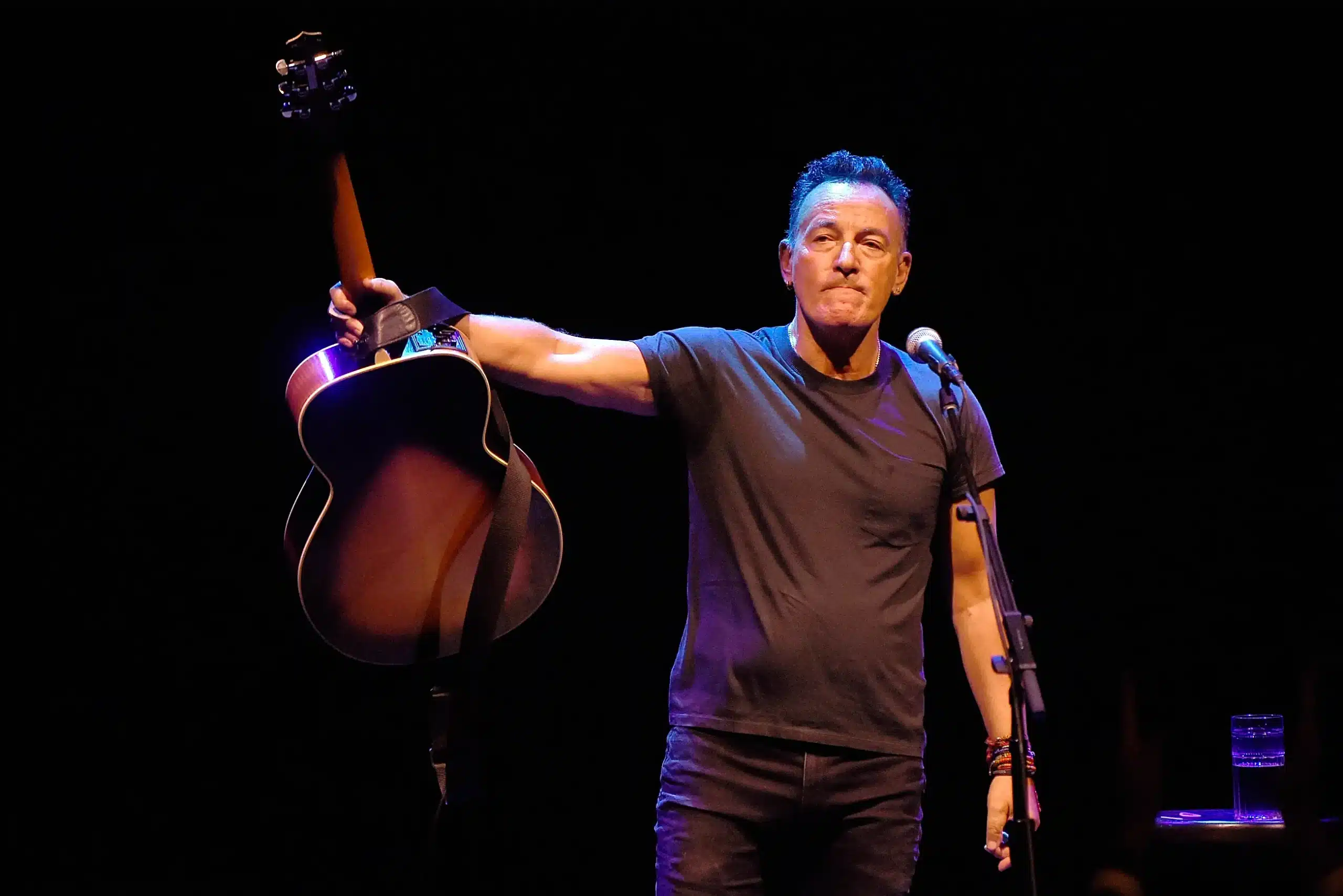
Bruce Springsteen isn’t just a musician—he’s a storyteller, a poet of the working class, and one of the most electrifying performers in rock history. For over five decades, The Boss has captured the raw emotion of life, love, struggle, and the American dream through his music. From heartland anthems that make stadiums shake to intimate ballads that cut straight to the soul, Springsteen’s songs have defined generations and continue to resonate with fans worldwide.
But which of his songs stand out as the most iconic? Which tracks have not only topped the charts but also cemented their place as timeless classics? In this list, we’re counting down the top 10 most popular Bruce Springsteen songs of all time—the ones that have shaped his legacy and continue to inspire millions. Whether you’re a lifelong fan or just discovering his music, these songs showcase the power, passion, and poetic brilliance that make Springsteen a legend.
So, fire up your speakers, roll down the windows, and get ready to take a ride through some of the greatest rock ’n’ roll tracks ever recorded. These are the songs that define The Boss—and they’re as electrifying today as they were the first time they hit the airwaves. 🎸🔥
1. Born to Run (1975)
“Born to Run” isn’t just a song—it’s a desperate, exhilarating plea for freedom. Released as the title track of Springsteen’s breakthrough album, this 1975 anthem captures the restless dreams of youth, the desire to escape small-town limits, and the reckless pursuit of something bigger. With its soaring saxophone solo by Clarence Clemons, driving guitars, and pounding drums, the song builds like a runaway train, carrying the listener along for the ride. Springsteen’s passionate vocals bring the cinematic lyrics to life, painting a vivid picture of two lovers hitting the open road, chasing the unknown. The track’s grand production and electrifying energy cement it as one of rock’s most iconic anthems, making “Born to Run” the ultimate soundtrack for anyone who has ever dreamed of breaking free.
2. Thunder Road (1975)
Opening the Born to Run album, “Thunder Road” begins with a gentle harmonica and piano, setting the stage for a song that builds into a sweeping tale of hope, love, and escape. Springsteen’s storytelling is at its best here, weaving together images of a young couple on the verge of something new: “It’s a town full of losers, and I’m pulling out of here to win.” The track gradually swells into a full-band crescendo, mirroring the emotional intensity of its characters. More than just a love song, “Thunder Road” is a declaration—a promise that something better is waiting just down the highway. It remains one of Springsteen’s most beloved and powerful compositions.
3. Born in the U.S.A. (1984)
Often mistaken for a patriotic anthem, “Born in the U.S.A.” is actually a searing critique of America’s treatment of its Vietnam War veterans. With its pounding drums and anthemic synthesizers, the song contrasts its upbeat, stadium-filling sound with deeply somber lyrics about a soldier struggling to find his place in a country that has abandoned him. Springsteen’s raw, almost shouting vocal delivery adds to the song’s frustration and defiance. Despite its serious themes, the track became one of his most recognizable hits, often misunderstood but undeniably powerful.
4. Dancing in the Dark (1984)
Frustration, restlessness, and the burning need for change fuel “Dancing in the Dark,” Springsteen’s biggest commercial success. Written in response to record label pressure for a hit single, the song’s pulsing synth beat and infectious melody disguise its deeper themes of self-doubt and longing. The lyrics speak to the universal desire to break free from monotony and find something meaningful. The music video, featuring a then-unknown Courteney Cox being pulled onstage to dance with Springsteen, only added to its legend. Decades later, “Dancing in the Dark” remains a defining moment in Springsteen’s career.
5. The River (1980)
A poignant ballad that showcases Springsteen’s gift for storytelling, “The River” tells the heartbreaking tale of a young couple whose dreams are crushed by economic hardship. Inspired by his sister’s real-life struggles, the song’s melancholic harmonica and acoustic guitar set a somber tone. The lyrics, filled with nostalgia and regret—”But I remember us riding in my brother’s car / Her body tan and wet down at the reservoir”—paint a vivid picture of love, youth, and the weight of reality. It’s one of Springsteen’s most emotionally devastating and enduring songs.
6. Streets of Philadelphia (1994)
Written for the film Philadelphia, this haunting and introspective track earned Springsteen an Academy Award. “Streets of Philadelphia” is a stark departure from his usual rock sound, relying on atmospheric synthesizers and an almost ghostly vocal performance. The lyrics capture themes of isolation, suffering, and mortality, perfectly complementing the film’s narrative about a man dying of AIDS. The song’s quiet intensity and emotional depth make it one of Springsteen’s most hauntingly beautiful works, proving his ability to convey raw emotion with minimal instrumentation.
7. Hungry Heart (1980)
Originally written for The Ramones, “Hungry Heart” became Springsteen’s first Top 10 hit when he decided to keep it for himself. Its upbeat melody and singalong chorus mask a bittersweet story of a man who leaves his family in search of something more. This contrast between joyful sound and melancholic lyrics is a signature Springsteen touch, making “Hungry Heart” a standout from The River. The song’s infectious energy and universal themes of longing and regret have kept it a fan favorite for decades.
8. Glory Days (1984)
“Glory Days” is a nostalgic, yet bittersweet reflection on the passage of time. With its rollicking instrumentation and catchy chorus, the song recounts conversations with old friends reminiscing about their youthful triumphs. But beneath the upbeat energy lies a deeper message about how the past can sometimes seem more glamorous than it really was. The song’s playful, almost sarcastic tone, combined with its infectious melody, makes it a stadium favorite, but its themes of fleeting time and lost dreams resonate on a much deeper level.
9. Jungleland (1975)
The closing track of Born to Run, “Jungleland” is a near ten-minute epic that showcases Springsteen’s ability to create vivid, cinematic storytelling through music. The song tells the tragic tale of a street gang battle in a decaying urban landscape, filled with rich imagery and emotional weight. Clarence Clemons’ legendary saxophone solo adds to the drama, making it one of the most powerful moments in Springsteen’s catalog. The song’s slow, mournful fade-out leaves listeners with a sense of finality, solidifying “Jungleland” as one of his most ambitious and emotionally charged masterpieces.
10. I’m on Fire (1985)
“I’m on Fire” is one of Springsteen’s most intimate and haunting songs. With its minimalist arrangement—soft percussion, muted guitar, and hushed vocals—it simmers with quiet intensity. The lyrics, short yet evocative, convey deep yearning and loneliness: “Sometimes it’s like someone took a knife, baby, edgy and dull / And cut a six-inch valley through the middle of my soul.” Its hypnotic simplicity and eerie atmosphere make “I’m on Fire” stand out in Springsteen’s vast catalog as a song that lingers in the mind long after it ends.

Samuel Moore is a frequent contributor to Singers Room. Since 2005, Singersroom has been the voice of R&B around the world. Connect with us via social media below.









