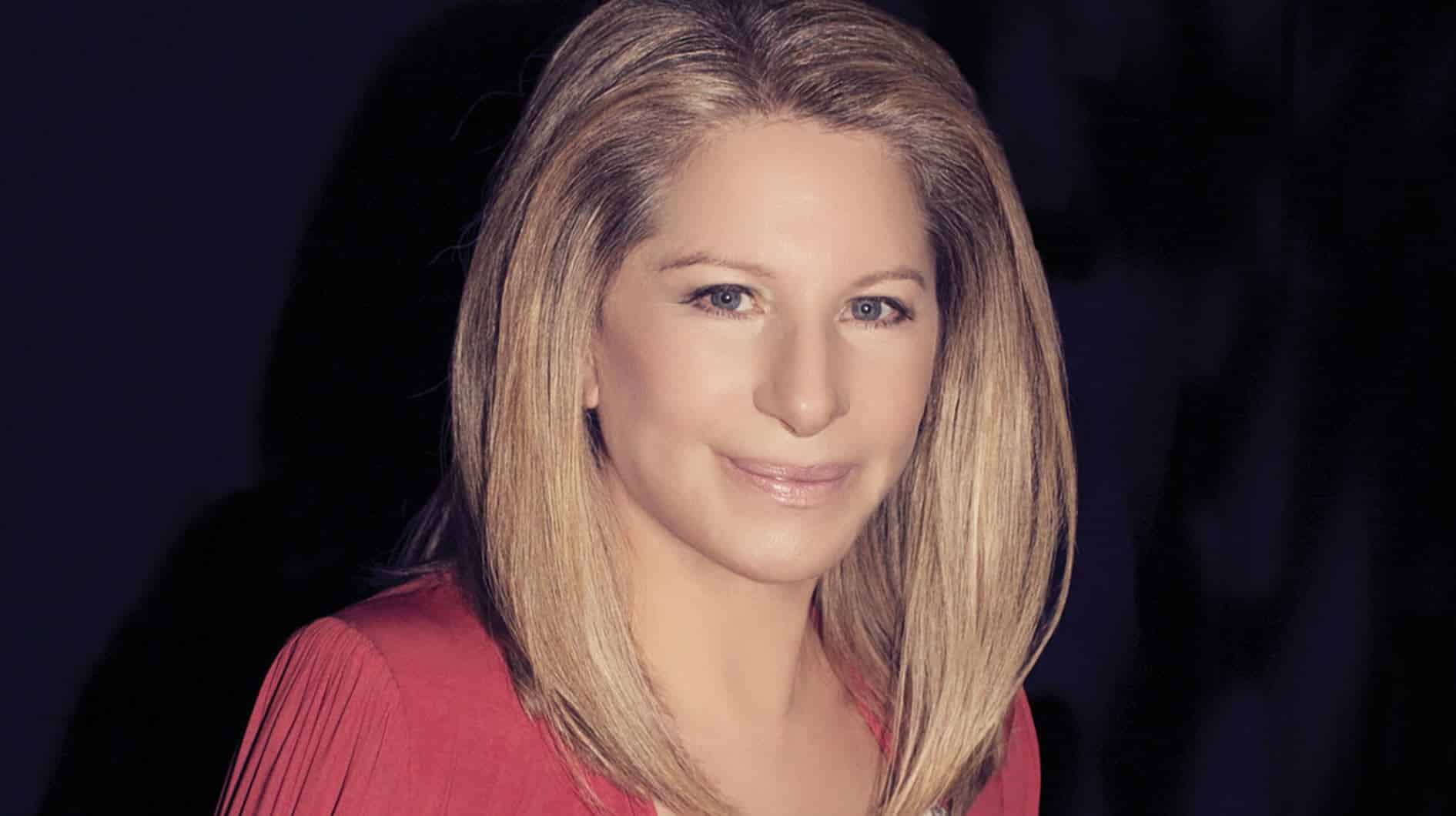
Barbra Streisand—an icon, a legend, and a voice that has defined generations. With a career spanning over six decades, Streisand is not just a singer but a cultural phenomenon. From her Broadway beginnings to her chart-topping hits, she has captured the hearts of millions with her unmatched vocal range, emotional depth, and timeless artistry. Her songs transcend time, becoming anthems of love, heartache, and empowerment.
But which of her countless masterpieces truly stand out as her most popular and enduring? In this article, we take a deep dive into the top 10 Barbra Streisand songs that have left an indelible mark on music history. From tear-jerking ballads to soaring classics, these tracks showcase why Streisand remains one of the most beloved artists of all time. Whether you’re a lifelong fan or just discovering her brilliance, prepare to be swept away by the magic of her music.
So, sit back, turn up the volume, and let’s embark on a journey through the unforgettable melodies and powerhouse performances that have earned Barbra Streisand her rightful place as a global treasure. The countdown to greatness begins now—are your favorites on the list? Let’s find out!
1. “People” (1964)
A defining classic in Barbra Streisand’s career, “People” is one of her most recognizable and cherished songs. Originally featured in the Broadway musical Funny Girl, this poignant ballad was released in 1964 and quickly became a signature piece for Streisand. The song beautifully explores themes of love, loneliness, and the deep need for human connection, making it universally relatable. Streisand’s ability to convey emotion through her soaring vocals is on full display, turning the song into an unforgettable experience. The orchestration is lush and dramatic, perfectly complementing her powerful delivery. The song became a commercial and critical success, further solidifying Streisand’s reputation as one of the greatest vocalists of her time. Over the decades, “People” has remained a staple in her repertoire, performed in countless concerts and television specials. Its timeless appeal and heartfelt message continue to resonate with audiences, proving that true classics never fade. Whether heard in the context of Funny Girl or as a standalone ballad, “People” remains a moving and deeply affecting piece of music that highlights the extraordinary talent of Barbra Streisand.
2. “The Way We Were” (1973)
Released in 1973 as the theme song for the film of the same name, “The Way We Were” is one of Barbra Streisand’s most enduring and beloved hits. The song captures the bittersweet nature of lost love, reflecting on memories of a romance that once burned bright but ultimately faded. Streisand’s delivery is nothing short of masterful, as she effortlessly conveys both longing and nostalgia through her delicate phrasing and rich vocal tone. The lush orchestration, combined with the song’s introspective lyrics, makes for an emotionally powerful listening experience. Written by Marvin Hamlisch, Alan Bergman, and Marilyn Bergman, the song won an Academy Award for Best Original Song and became one of Streisand’s biggest commercial successes. It also topped the Billboard Hot 100 and remains one of the most recognizable love ballads of all time. Even decades after its release, “The Way We Were” continues to resonate with audiences, frequently used in film, television, and romantic retrospectives. Its timeless appeal lies in its ability to transport listeners to a place of personal reflection, making it one of Streisand’s most treasured performances.
3. “Evergreen (Love Theme from A Star Is Born)” (1976)
One of the most romantic songs in Barbra Streisand’s catalog, “Evergreen” was released in 1976 as the love theme for A Star Is Born. Co-written by Streisand and Paul Williams, the song features an elegant, understated melody that perfectly complements its heartfelt lyrics. Streisand’s tender vocal delivery creates an atmosphere of warmth and intimacy, making it one of the most beautiful love ballads of its time. The song’s delicate arrangement, featuring gentle acoustic guitar and soft orchestration, allows Streisand’s voice to take center stage, showcasing her ability to convey deep emotion with effortless grace. “Evergreen” was a massive success, winning the Academy Award for Best Original Song and earning Streisand a Grammy for Song of the Year. It remains one of her most iconic recordings, often performed in concerts and celebrated as a quintessential romantic ballad. The song’s enduring appeal lies in its simplicity and sincerity, making it a timeless piece that continues to capture the hearts of listeners worldwide.
4. “Don’t Rain on My Parade” (1964)
An electrifying anthem of determination and resilience, “Don’t Rain on My Parade” is one of Barbra Streisand’s most powerful performances. Originally featured in Funny Girl in 1964, the song exudes confidence and ambition, capturing the spirit of someone unwilling to let obstacles stand in their way. Streisand’s dynamic delivery, full of energy and boldness, brings the song to life with an irresistible sense of urgency. The brass-driven orchestration adds to the song’s theatrical flair, making it one of the most thrilling moments in both the stage production and the 1968 film adaptation. Over the years, “Don’t Rain on My Parade” has become synonymous with Streisand, serving as a rallying cry for anyone facing adversity. It remains a show-stopping number that continues to inspire generations of performers and audiences alike. Whether belted on Broadway or performed in a concert setting, this song is an undeniable tour de force that highlights Streisand’s extraordinary vocal talent and indomitable spirit.
5. “Woman in Love” (1980)
“Woman in Love” is a sweeping, passionate declaration of love’s intensity and power. Released in 1980 as part of her Guilty album, the song was written by Barry and Robin Gibb of the Bee Gees, and their influence is evident in its lush, dramatic production. Streisand’s vocals soar effortlessly over the song’s stirring melody, perfectly capturing the all-consuming nature of love. The track was a massive success, topping charts around the world and becoming one of the best-selling singles of her career. Its blend of pop and soft rock elements, paired with Streisand’s unmistakable voice, makes it an enduring classic that continues to resonate with audiences. “Woman in Love” is not just a love song—it’s an emotional experience, with every note carrying a sense of longing and devotion. It remains one of the most powerful ballads in Streisand’s discography, a testament to both her vocal prowess and her ability to connect deeply with listeners.
6. “Guilty” (1980)
The title track from Barbra Streisand’s 1980 album, Guilty, is a smooth and sultry duet with Barry Gibb of the Bee Gees. The song perfectly blends Streisand’s rich, expressive voice with Gibb’s signature falsetto, creating a mesmerizing contrast that enhances the song’s romantic and slightly mischievous feel. With its soft, groovy rhythm and lush instrumentation, “Guilty” exudes a sophisticated charm that sets it apart from many of Streisand’s other hits. The chemistry between Streisand and Gibb is undeniable, making the track feel both intimate and effortless. Lyrically, the song explores the idea of forbidden love and surrendering to undeniable passion, a theme that resonates deeply with listeners. “Guilty” became a major hit, peaking at No. 3 on the Billboard Hot 100 and earning Streisand and Gibb a Grammy Award for Best Pop Vocal Performance by a Duo or Group. Even decades later, the song remains a favorite among fans, standing as one of the most stylish and memorable duets of all time. Its timeless appeal and velvety-smooth production make it a standout track in Streisand’s extensive catalog.
7. “Memory” (1981)
Barbra Streisand’s rendition of “Memory” is a breathtaking interpretation of the classic song from Andrew Lloyd Webber’s musical Cats. Released in 1981, her version brings an entirely new depth to the song’s haunting melody and reflective lyrics. While the song was originally performed on stage by Elaine Paige, Streisand’s recording takes a more intimate and cinematic approach, highlighting her ability to convey emotion with every note. The song speaks of nostalgia, longing, and the passage of time, themes that resonate universally. Streisand’s voice is both tender and powerful, capturing the deep yearning in the lyrics while maintaining a sense of quiet dignity. The elegant orchestration enhances the song’s dreamlike quality, making it a deeply moving listening experience. Though it was never released as a single, her version of “Memory” remains one of the most celebrated and cherished recordings of the song. It showcases Streisand’s remarkable gift for storytelling through music, proving once again why she is regarded as one of the greatest vocalists of all time.
8. “You Don’t Bring Me Flowers” (1978)
https://www.youtube.com/watch?v=5dRkAfH19rE&pp=ygUjIllvdSBEb24ndCBCcmluZyBNZSBGbG93ZXJzIiAoMTk3OCk%3D
“You Don’t Bring Me Flowers” is an emotional duet between Barbra Streisand and Neil Diamond that captures the heartbreak of a love that has faded. Originally written by Neil Diamond with Alan and Marilyn Bergman, the song tells the story of a couple who have grown apart, reflecting on the loss of the passion and affection they once shared. Streisand and Diamond’s voices complement each other beautifully, with Streisand’s expressive delivery bringing a delicate sadness to the lyrics, while Diamond’s warm, earthy tone adds a sense of regret and nostalgia. The song was initially recorded separately by both artists before being reworked as a duet, which quickly became a massive success. It topped the Billboard Hot 100 in 1978 and remains one of the most iconic duets in popular music history. Its simple yet powerful lyrics, combined with the heartfelt performances from two legendary artists, make “You Don’t Bring Me Flowers” a song that continues to resonate with audiences decades after its release.
9. “Somewhere” (1985)
Barbra Streisand’s 1985 recording of “Somewhere,” originally from West Side Story, is a deeply moving and powerful rendition of this classic anthem. The song’s hopeful message of love, unity, and finding a better place resonates strongly, and Streisand’s interpretation adds a new level of emotional depth. Her soaring vocals are complemented by a grand, cinematic orchestration that builds throughout the song, creating a sense of drama and longing. The song was included on her album The Broadway Album, which was a massive success and reaffirmed Streisand’s roots in theatrical music. Her ability to bring Broadway songs to a wider audience is on full display in “Somewhere,” as she transforms the already-beloved tune into something uniquely her own. The combination of her powerful voice and the song’s message of hope makes this rendition one of the most stirring performances in her career. Whether heard in the context of its original musical or as a standalone recording, Streisand’s version of “Somewhere” continues to inspire and uplift listeners.
10. “Papa, Can You Hear Me?” (1983)
“Papa, Can You Hear Me?” is one of Barbra Streisand’s most hauntingly beautiful songs, originally featured in the 1983 film Yentl, which she directed and starred in. The song serves as a poignant prayer, expressing the main character’s longing for guidance, wisdom, and connection with her late father. Streisand’s delivery is both delicate and deeply emotional, perfectly capturing the song’s themes of love, loss, and searching for meaning. The song’s orchestration, featuring a lush arrangement and dramatic swells, adds to its cinematic quality, making it a truly unforgettable moment in both the film and Streisand’s musical career. Written by Michel Legrand, Alan Bergman, and Marilyn Bergman, the song received an Academy Award nomination for Best Original Song and has since become one of Streisand’s most beloved ballads. Its universal themes and heartfelt delivery make it a timeless piece that continues to move audiences. Whether experienced within the context of Yentl or as a standalone song, “Papa, Can You Hear Me?” remains one of Streisand’s most powerful and emotionally resonant performances.

Edward Tomlin is a frequent contributor to Singers Room. Since 2005, Singersroom has been the voice of R&B around the world. Connect with us via social media below.







