The trumpet is more than just an instrument—it’s a voice that has echoed through centuries, capturing the emotions of triumph, sorrow, and jubilation. From the smoky jazz clubs of New Orleans to majestic orchestral halls, the trumpet has been a beacon of artistry, power, and soul. But who are the true masters of this iconic instrument? Who has redefined its boundaries, leaving an indelible mark on the world of music? In this article, we celebrate the top 15 best trumpet players of all time—virtuosos who have mesmerized audiences with their talent, skill, and innovation.
These legendary musicians have shaped entire genres, from the blistering, high-octane solos of bebop to the delicate, heart-stirring melodies of classical symphonies. Some are household names, synonymous with the golden age of jazz, while others are pioneers whose contributions have pushed the trumpet into new and exciting realms. Whether you’re a lifelong trumpet enthusiast or a curious newcomer, this list will take you on a journey through the lives and legacies of the greatest trumpet players to ever grace the stage. Get ready to meet the legends who took this humble brass instrument and turned it into a symbol of musical brilliance!
1. Louis Armstrong
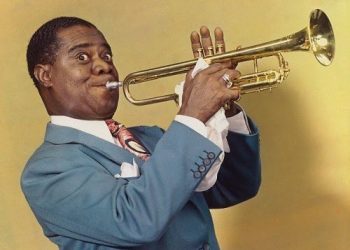
Louis Armstrong, affectionately known as “Satchmo” or “Pops,” was more than just a trumpet virtuoso—he was a revolutionary figure who shaped the very foundation of jazz. His incredible technical skill, warm and brassy tone, and trailblazing improvisational style redefined what was possible on the instrument. Armstrong’s joyful, swinging playing and signature vibrato made him instantly recognizable, influencing countless musicians across multiple generations.
Born in New Orleans in 1901, Armstrong’s journey from a troubled youth to an international superstar is a testament to his talent and resilience. His groundbreaking early recordings with his Hot Five and Hot Seven bands in the 1920s, including classics like “West End Blues” and “Potato Head Blues,” set the standard for jazz improvisation. His phrasing, melodic inventiveness, and rhythmic flexibility showcased a level of artistry that was ahead of its time.
Beyond his trumpet playing, Armstrong’s gravelly voice and charismatic stage presence made him a beloved entertainer. Songs like “What a Wonderful World” and “Hello, Dolly!” cemented his place as a household name, transcending jazz and reaching mainstream audiences worldwide. His ability to connect emotionally with listeners, whether through his heartfelt singing or dazzling trumpet solos, made him one of the most universally admired musicians of all time.
Armstrong’s impact on jazz cannot be overstated. He broke racial barriers, performed for world leaders, and became one of the first Black musicians to achieve international fame. His influence touched not only jazz but also popular music as a whole. To this day, his recordings remain a benchmark for expressive, technically brilliant trumpet playing, and his joyful spirit continues to inspire musicians and fans alike.
2. Dizzy Gillespie
Dizzy Gillespie was one of the most electrifying and innovative figures in jazz history. A pioneer of bebop and Afro-Cuban jazz, Gillespie’s dazzling trumpet technique, playful sense of humor, and boundless energy made him a beloved icon. His unique performance style—marked by his trademark bent trumpet and puffed cheeks—was as visually striking as it was musically groundbreaking.
Born in 1917, Gillespie first gained prominence in the swing era before helping to spearhead bebop in the 1940s. Alongside musicians like Charlie Parker and Thelonious Monk, he pushed jazz into a new era, emphasizing complex harmonies, lightning-fast tempos, and intricate improvisation. His compositions, such as “A Night in Tunisia” and “Salt Peanuts,” remain bebop staples, showcasing his ability to blend technical brilliance with an infectious sense of rhythm.
Gillespie’s love for Latin music led him to introduce Afro-Cuban elements into jazz, collaborating with legendary percussionists like Chano Pozo. His work helped lay the foundation for Latin jazz, a genre that continues to thrive today. His ability to seamlessly integrate different musical traditions was a testament to his genius.
Despite his formidable talent, Gillespie was known for his warmth and humor. He mentored countless young musicians, always eager to share his knowledge and passion. His influence can be heard in the playing of nearly every trumpeter who followed him, from Miles Davis to Arturo Sandoval.
Even decades after his passing, Dizzy Gillespie’s legacy lives on. His music continues to inspire, his compositions remain standards, and his joyful spirit is forever embedded in the heart of jazz. Whether playing blistering bebop lines or blending cultures through music, Gillespie was a true innovator who changed jazz forever.
3. Miles Davis
Miles Davis wasn’t just a trumpet player—he was a musical visionary who reshaped jazz multiple times over his five-decade career. Known for his cool, understated style and unparalleled ability to evolve with the times, Davis left behind a legacy of innovation that continues to influence musicians today. From bebop and cool jazz to hard bop, modal jazz, and fusion, he was always ahead of the curve, constantly pushing boundaries.
Born in 1926, Davis gained early recognition playing alongside Charlie Parker in the bebop era. However, he quickly moved beyond the rapid-fire complexities of bebop, favoring a more lyrical, spacious approach. His 1957 album Birth of the Cool introduced the world to cool jazz, characterized by its relaxed tempos and smooth, sophisticated sound. But it was Kind of Blue (1959), featuring John Coltrane and Bill Evans, that became his defining masterpiece. This modal jazz landmark remains one of the best-selling and most beloved jazz albums of all time.
Never one to stay in one place musically, Davis embraced electric instruments and rock influences in the late 1960s, pioneering jazz fusion with Bitches Brew (1970). His ability to adapt and innovate kept him at the forefront of music, influencing not just jazz but rock, funk, and hip-hop.
Davis’s trumpet style was unmistakable—economical, expressive, and deeply emotional. He could say more with a single note than most could with a flurry of runs. His stage presence exuded an enigmatic coolness, making him one of jazz’s most recognizable figures.
Even after his passing in 1991, Miles Davis remains a towering figure in music history. His fearlessness in reinventing himself and his genre set a precedent for artistic growth and creativity. His influence is immeasurable, and his recordings remain essential listening for any serious music fan.
4. Clifford Brown
Clifford Brown was a rare talent whose contributions to jazz trumpet were nothing short of extraordinary. Despite his tragically short life—he passed away in a car accident at the age of 25—Brown left an enduring mark on jazz with his technical brilliance, warm tone, and joyful improvisation. His influence can still be heard in countless trumpet players who followed in his footsteps.
Born in 1930, Brown quickly established himself as a standout musician in the hard bop movement. Unlike many of his contemporaries, he lived a clean lifestyle, avoiding the substance abuse that plagued so many jazz musicians of the era. His dedication and discipline translated into a playing style that was both technically flawless and emotionally uplifting. His fast runs were precise, his phrasing was lyrical, and his tone was rich and inviting.
Brown’s collaborations with drummer Max Roach produced some of the most electrifying recordings in jazz history. Albums like Study in Brown and Clifford Brown and Max Roach are still considered essential listening for trumpet players and jazz enthusiasts alike. Songs such as “Joy Spring” and “Daahoud” showcase his ability to blend technical mastery with an effortlessly smooth and melodic approach.
One of Brown’s greatest achievements was proving that virtuosity didn’t have to come at the expense of warmth and emotion. His playing was dazzling yet always felt deeply personal. He could navigate complex chord changes with ease while maintaining a sense of storytelling in his solos.
Though his life was cut short in 1956, Clifford Brown’s legacy continues to inspire musicians to this day. His recordings serve as a testament to what is possible on the trumpet, and his influence remains deeply embedded in jazz history.
5. Freddie Hubbard
Freddie Hubbard was a trumpet powerhouse whose fiery sound, dazzling technique, and adventurous spirit made him one of the greatest jazz musicians of all time. A key figure in hard bop and fusion, Hubbard had a career that spanned several decades, always pushing the boundaries of his instrument while maintaining a deep connection to jazz tradition.
Born in 1938, Hubbard rose to prominence in the early 1960s, working with legends like Art Blakey, Sonny Rollins, and Herbie Hancock. His time with Blakey’s Jazz Messengers helped cement his reputation as a force to be reckoned with, as he contributed blistering solos and intricate improvisations that added excitement to the group’s performances. His technical command of the trumpet allowed him to execute fast, complex lines with a level of precision that few could match.
Hubbard’s albums as a bandleader, including Open Sesame, Hub-Tones, and Red Clay, showcase his ability to balance raw energy with lyrical beauty. His tone was bright and assertive, yet he could also play with incredible subtlety and expressiveness when the moment called for it. Tracks like “Red Clay” and “Straight Life” highlight his ability to groove effortlessly while delivering breathtaking solos filled with unexpected twists and turns.
Unlike many jazz musicians of his era, Hubbard was able to successfully navigate different styles, moving seamlessly between hard bop, modal jazz, and fusion. His later work in the 1970s and beyond showed a willingness to experiment with electric instruments and funk rhythms while still staying true to his jazz roots.
Freddie Hubbard’s legacy as one of the most technically gifted and expressive trumpet players in jazz history remains firmly intact. His recordings continue to inspire musicians, proving that jazz is an ever-evolving art form driven by passion and innovation.
6. Wynton Marsalis
Wynton Marsalis is one of the most celebrated trumpeters of the modern era, a virtuoso who has seamlessly bridged the worlds of jazz and classical music. Born in 1961 into the famous Marsalis musical family, Wynton quickly rose to prominence as both a performer and a passionate advocate for jazz, ensuring its continued growth and respect in contemporary culture.
Marsalis made history as the first artist to win Grammy Awards in both jazz and classical music in the same year, a testament to his extraordinary technical ability and stylistic versatility. His classical recordings, featuring works by composers such as Haydn and Hummel, showcase his pristine tone, flawless articulation, and deep musical sensitivity. Yet, it is in jazz where he has had the most profound impact, leading a resurgence of traditional jazz values while also pushing the genre forward.
His early work with Art Blakey’s Jazz Messengers established him as a formidable talent, but his solo career truly solidified his reputation. Albums like Black Codes (From the Underground) and Marsalis Standard Time highlight his dazzling improvisational skills, while Blood on the Fields—the first jazz composition to win the Pulitzer Prize—demonstrates his ability to blend storytelling with complex musical structures.
As the artistic director of Jazz at Lincoln Center, Marsalis has played a pivotal role in preserving and promoting jazz education worldwide. He has mentored countless young musicians, emphasizing the importance of swing, the blues, and improvisation as fundamental elements of jazz.
With his profound respect for jazz traditions and his relentless pursuit of excellence, Wynton Marsalis continues to be a defining figure in contemporary music. His influence extends far beyond the stage, ensuring that jazz remains a vital and evolving art form for generations to come.
7. Chet Baker
Chet Baker was one of jazz’s most enigmatic and romantic figures, a trumpeter and vocalist whose music captured both the beauty and fragility of the human soul. Born in 1929, Baker became synonymous with the cool jazz movement, known for his lyrical trumpet playing and intimate, almost whispered singing style. His hauntingly beautiful interpretations of standards like My Funny Valentine and I Fall in Love Too Easily have made him a timeless icon.
Baker’s trumpet style was understated yet deeply expressive, favoring smooth, melodic lines over technical flashiness. Unlike the brash, high-energy playing of many of his bebop contemporaries, Baker’s tone was soft, airy, and effortlessly fluid, drawing listeners into the emotional core of his music. His collaborations with pianist Russ Freeman in the early 1950s helped define the West Coast jazz sound, offering a more relaxed and introspective alternative to the fast-paced energy of East Coast bebop.
But Baker’s allure wasn’t just in his playing—it was in his voice. His singing, delicate and almost fragile, had an unmatched intimacy that made listeners feel as though he was sharing his deepest emotions with them alone. His vocal delivery, devoid of excess vibrato or embellishment, relied purely on the raw emotion within the lyrics.
Despite his immense talent, Baker’s life was plagued by struggles with addiction, which led to numerous setbacks in his career. However, he experienced a resurgence in the late 1970s and ’80s, particularly in Europe, where he continued to perform and record compelling albums like Chet Baker Sings Again.
Chet Baker’s legacy is one of raw beauty and melancholic elegance. His music remains deeply affecting, a testament to the power of restraint and vulnerability in jazz. His influence can still be heard today in countless musicians who strive to capture the same sense of effortless, heartbreaking cool.
8. Maynard Ferguson
Maynard Ferguson was a trumpet virtuoso with a near-superhuman command of the instrument, known for his dazzling high notes and electrifying performances. Born in 1928 in Canada, Ferguson became one of the most exciting and technically gifted trumpet players in jazz history, pushing the boundaries of the instrument’s range and power. His fearless playing, combined with his charismatic stage presence, made him a standout in big bands and jazz fusion.
Ferguson first gained widespread recognition as a lead trumpeter in Stan Kenton’s orchestra, where his incredible upper register and brassy tone thrilled audiences. His ability to soar effortlessly into the stratosphere of the trumpet’s range earned him a reputation as a true powerhouse. However, it was his own big band, formed in the late 1950s, that solidified his status as a jazz legend.
In the 1970s, Ferguson embraced jazz-rock fusion, incorporating contemporary sounds into his music. His recording of Gonna Fly Now, the theme from Rocky, became a mainstream hit and introduced him to a broader audience. Other albums, such as MF Horn and Chameleon, showcased his ability to blend jazz with funk, rock, and pop influences, making him a favorite among both jazz purists and casual listeners.
Maynard Ferguson’s impact on trumpet playing is immeasurable. His remarkable endurance, impeccable technique, and fearless innovation inspired generations of musicians. Even after his passing in 2006, his legacy continues to influence trumpet players who seek to push the limits of their instrument, proving that jazz, in the right hands, can be as thrilling and dynamic as any form of music.
9. Arturo Sandoval
Arturo Sandoval is a trumpet maestro whose dazzling technique, boundless energy, and deep emotional expression have made him one of the most celebrated jazz musicians of modern times. Born in Cuba in 1949, Sandoval was a protégé of Dizzy Gillespie and a key figure in Afro-Cuban jazz. His virtuosic playing, characterized by blistering high notes and lightning-fast runs, has made him a standout in both jazz and classical music.
Sandoval’s early career saw him co-founding the renowned Cuban band Irakere, blending jazz with traditional Cuban rhythms. His ability to seamlessly fuse Afro-Cuban music with bebop set him apart as a unique force in jazz. However, due to political constraints in Cuba, Sandoval longed for artistic freedom. In 1990, with Gillespie’s help, he defected to the United States, where he was able to fully explore his musical potential.
A musician of astonishing versatility, Sandoval excels not only in jazz but also in classical trumpet performance. His recordings of classical repertoire, including the works of Haydn and Hummel, demonstrate a flawless technique and beautiful tone. Yet, his heart remains in jazz, as heard in electrifying albums like Hot House and Trumpet Evolution. His Grammy-winning compositions, including A Mis Abuelos, celebrate his Cuban heritage while showcasing his technical mastery.
Sandoval’s career is a testament to perseverance, passion, and the universal power of music. His ability to blend technical brilliance with soul-stirring emotion makes him one of the most influential trumpet players of our time. Whether performing a tender ballad or a fiery Latin jazz solo, Sandoval’s music always speaks directly to the heart.
10. Lee Morgan
Lee Morgan was a prodigious talent whose soulful, hard-driving trumpet playing helped define the hard bop movement of the 1960s. Born in 1938, Morgan was a musical powerhouse known for his fiery solos, rich tone, and ability to inject bluesy, emotional depth into everything he played. A member of Art Blakey’s Jazz Messengers, Morgan contributed to some of the most defining records of the era.
Morgan’s breakout moment came with his 1963 album The Sidewinder, whose funky, infectious title track became a surprise crossover hit, reaching a wider audience beyond jazz circles. The song’s groove-driven rhythm and blues-infused melody made it an instant classic, showing Morgan’s ability to blend hard bop with more contemporary influences. Other notable recordings, such as Search for the New Land and Cornbread, showcased his adventurous spirit and evolving artistry.
Despite his success, Morgan’s life was marked by personal struggles, including battles with addiction. Tragically, his life was cut short at just 33 years old when he was fatally shot by his common-law wife during an argument at a jazz club. His untimely death was a devastating loss to the jazz world, but his influence endures.
Lee Morgan’s music remains a cornerstone of jazz, his fiery sound and deeply expressive playing continuing to inspire trumpet players and jazz lovers alike. His ability to fuse swing, blues, and hard bop into a distinctive, powerful voice ensures his place among the greatest trumpet players of all time.
11. Maurice André
Maurice André was a classical trumpet virtuoso who transformed the instrument’s role in classical music. Born in France in 1933, he was widely regarded as one of the greatest trumpeters of all time, bringing unparalleled brilliance to the baroque and classical repertoire. His pure tone, effortless phrasing, and extraordinary technical control elevated the trumpet to new artistic heights.
André’s playing was distinguished by its clarity, warmth, and breathtaking precision. He specialized in baroque music, particularly pieces originally written for natural trumpet, an instrument without valves. Thanks to advancements in modern trumpet design, he was able to perform works by composers such as Bach, Vivaldi, and Telemann with unprecedented fluidity and expression. His recordings of baroque concertos remain definitive interpretations, setting the gold standard for classical trumpet performance.
What made André truly exceptional was his ability to make the trumpet sing. His legato phrasing and impeccable articulation gave the instrument a vocal-like quality, making even the most demanding passages sound effortless. His recordings, such as The Art of Maurice André, continue to be essential listening for both aspiring musicians and classical enthusiasts.
Maurice André’s influence on classical trumpet playing cannot be overstated. He expanded the instrument’s repertoire, inspiring countless players to explore the possibilities of baroque and classical music. His legacy lives on in the generations of trumpeters he inspired, proving that the trumpet, in the right hands, is as expressive and beautiful as any instrument.
12. Bix Beiderbecke
Bix Beiderbecke was one of the first great soloists in jazz, a musician whose lyrical, introspective playing set him apart in the roaring 1920s. Born in 1903, Beiderbecke’s cornet playing was marked by a uniquely cool, melodic style that contrasted with the hot, energetic approach of his contemporaries. His smooth phrasing and inventive harmonies made him a key figure in early jazz.
Beiderbecke rose to fame as a member of the Paul Whiteman Orchestra and later as a leader of his own small groups. His recordings of Singin’ the Blues and I’m Coming, Virginia showcase his gentle, flowing improvisations, which often sounded more like carefully composed melodies than spontaneous jazz solos. Unlike Louis Armstrong’s fiery brilliance, Beiderbecke’s playing had a reflective, almost classical quality that made it distinct.
Unfortunately, Beiderbecke’s career was short-lived. He struggled with alcoholism, which ultimately led to his early death at the age of 28. Despite his brief time in the spotlight, his influence on jazz was profound. His cool, lyrical approach laid the groundwork for later movements, including cool jazz and West Coast jazz.
Bix Beiderbecke’s music remains timeless, a reminder of jazz’s poetic and expressive potential. His recordings continue to inspire musicians, proving that subtlety and grace can be just as powerful as technical brilliance.
13. Harry James
Harry James was a trumpet sensation whose lush tone, technical brilliance, and show-stopping performances made him one of the biggest stars of the swing era. Born in 1916, James was a child prodigy who honed his skills in traveling circus bands before becoming one of the most celebrated big band leaders of the 20th century. His dazzling command of the trumpet, combined with his ability to infuse his playing with deep emotion, set him apart from his peers.
James first gained national attention as a member of Benny Goodman’s orchestra, where his fiery, virtuosic solos made him a standout performer. However, he soon formed his own big band, which skyrocketed to fame with hits like You Made Me Love You and I’ll Get By. His lyrical phrasing and soaring high notes made his ballads unforgettable, while his swing numbers crackled with energy and excitement.
Beyond his technical prowess, James had an ear for talent, famously giving a young Frank Sinatra one of his first big breaks as a vocalist in his band. This collaboration helped launch Sinatra’s career and cemented James’s reputation as both a brilliant musician and a savvy bandleader.
Even as the big band era declined, James remained a respected figure in jazz and popular music. His later recordings continued to showcase his remarkable skill and passion for the trumpet. His ability to blend virtuosity with heartfelt expression made him a legend, ensuring that his music would endure long after his passing. Harry James’s legacy as one of the greatest trumpet players in history remains unshakable, a testament to his extraordinary talent and showmanship.
14. Herb Alpert
Herb Alpert is a musical icon whose influence extends far beyond the jazz world. As the leader of Herb Alpert & the Tijuana Brass, he crafted a signature sound that blended jazz, pop, and Latin influences into a style that captivated audiences worldwide. Born in 1935, Alpert not only became a trumpet legend but also a pioneering force in the music industry.
Alpert’s success story began in the 1960s with hits like A Taste of Honey, Spanish Flea, and The Lonely Bull. His warm, melodic trumpet lines and infectious rhythms gave his music an instantly recognizable charm. Unlike the hard-swinging jazz of many of his contemporaries, Alpert’s music had a lighthearted, feel-good quality that appealed to a broad audience. His ability to fuse jazz with pop sensibilities helped him achieve unprecedented commercial success.
Beyond his own recordings, Alpert co-founded A&M Records, one of the most successful independent record labels in history. Under his leadership, the label became home to artists like The Carpenters, Cat Stevens, and Janet Jackson. His influence as a producer and executive was just as impactful as his contributions as a musician.
Alpert’s career has spanned decades, earning him multiple Grammy Awards and a place in the Rock and Roll Hall of Fame. His later work, including collaborations with contemporary jazz musicians, has shown his enduring creativity. Herb Alpert’s legacy is one of innovation, both as a trumpet player and as a visionary in the music business, proving that great artistry can also translate into groundbreaking success.
15. Roy Eldridge
Roy Eldridge, affectionately known as “Little Jazz,” was a trumpet pioneer who bridged the gap between the swing and bebop eras. Born in 1911, Eldridge brought a fiery, aggressive style to jazz trumpet that laid the foundation for modern jazz improvisation. His powerful sound, blistering speed, and technical brilliance made him one of the most influential musicians of his time.
Eldridge’s rise to fame came in the 1930s and 1940s, when he played with big bands led by Gene Krupa, Fletcher Henderson, and Artie Shaw. His ability to play high, fast, and with intense emotion set him apart from other trumpeters of the swing era. Unlike many of his contemporaries, Eldridge had a more modern, harmonically adventurous approach that paved the way for later bebop legends like Dizzy Gillespie.
One of Eldridge’s most famous recordings, Rockin’ Chair, showcases his virtuosic technique and raw energy. His solos were bold, daring, and full of unexpected twists, making him a standout performer in any setting. He also made history as one of the first Black musicians to play in an integrated big band when he joined Artie Shaw’s orchestra, challenging racial barriers in the music industry.
Though often overshadowed by later trumpet greats, Eldridge’s contributions to jazz were groundbreaking. His ability to blend swing-era exuberance with the complex phrasing of bebop made him a true innovator. His influence can be heard in the playing of countless trumpet players who followed in his footsteps, securing his place among jazz’s all-time greats.

Edward Tomlin is a frequent contributor to Singers Room. Since 2005, Singersroom has been the voice of R&B around the world. Connect with us via social media below.