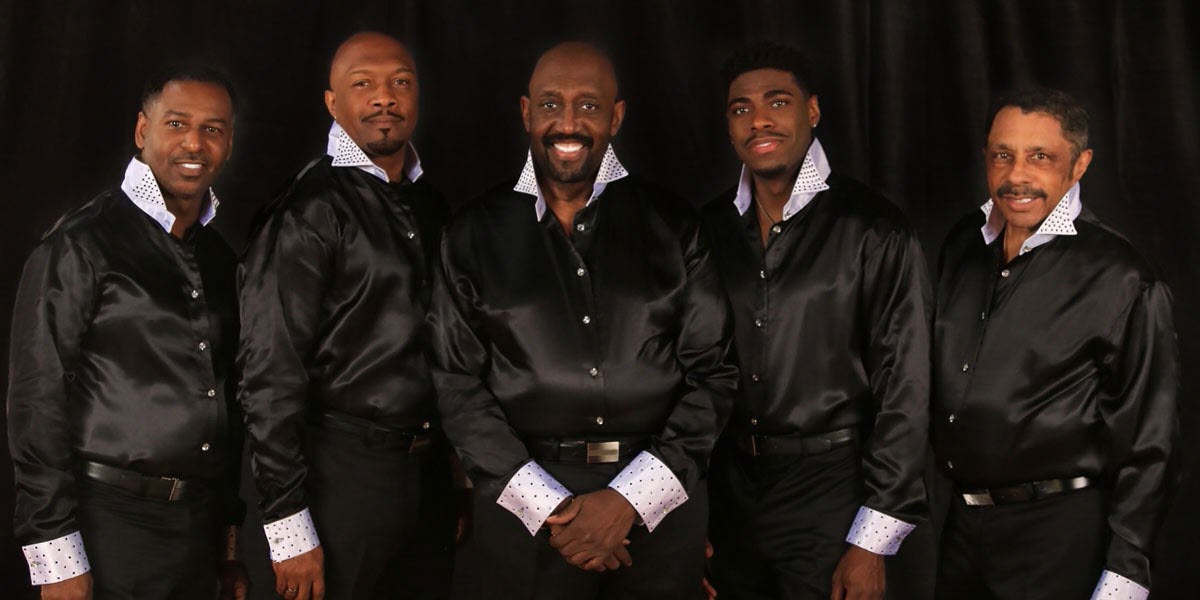
Few groups in music history have left a legacy as powerful and enduring as The Temptations. With their smooth harmonies, electrifying stage presence, and groundbreaking hits, they helped shape the sound of Motown and revolutionized soul music. From heartfelt ballads that capture the essence of love and longing to socially conscious anthems that reflect the struggles of their time, The Temptations’ music has transcended generations.
Since their formation in the early 1960s, this legendary group has delivered some of the most unforgettable songs of all time. Whether it’s the sweet, romantic melodies of “My Girl”, the raw desperation of “Ain’t Too Proud to Beg”, or the funk-infused storytelling of “Papa Was a Rollin’ Stone”, their catalog is a treasure trove of musical brilliance. With over four decades of hits, multiple Grammy Awards, and a permanent place in the Rock & Roll Hall of Fame, The Temptations’ influence is undeniable.
In this article, we’ll take a deep dive into the 10 most popular songs that defined their career, captivated audiences, and continue to inspire new generations of soul and R&B lovers. Get ready to relive the magic of The Temptations! 🎶✨
1. “My Girl” (1964)
Few songs in soul music history capture pure romance quite like “My Girl.” Released in 1964, this timeless Motown classic was written by Smokey Robinson and Ronald White of The Miracles, and it became The Temptations’ first No. 1 hit on the Billboard Hot 100. From the instantly recognizable bassline to the gentle guitar riff, every note radiates warmth and affection. David Ruffin’s smooth, heartfelt vocals bring the lyrics to life, turning simple declarations of love into an enduring anthem. The combination of lush orchestration, infectious melodies, and poetic lyrics has made “My Girl” a staple at weddings, anniversaries, and romantic moments for generations. Its universal appeal and feel-good energy ensure that it remains one of the most beloved soul songs of all time.
2. “Ain’t Too Proud to Beg” (1966)
A high-energy, emotionally charged plea for love and forgiveness, “Ain’t Too Proud to Beg” stormed the airwaves in 1966 and became one of The Temptations’ defining hits. Written by Norman Whitfield and Eddie Holland, the song features a driving beat, a bold brass section, and a passionate vocal performance from David Ruffin, whose raw intensity captures the desperation of the lyrics. The song’s theme of yearning and relentless devotion struck a chord with audiences, helping it peak at No. 13 on the Billboard Hot 100 and No. 1 on the R&B charts. Its infectious energy and pleading chorus make it one of the most enduring tracks in the Motown catalog, proving that sometimes, persistence in love—and in music—pays off.
3. “Just My Imagination (Running Away with Me)” (1971)
A heartbreaking departure from The Temptations’ funk-driven late ‘60s sound, “Just My Imagination” is a delicate ballad that stands among the group’s most beautiful recordings. Released in 1971, it features lead vocals by Eddie Kendricks, whose ethereal falsetto perfectly conveys the longing and sadness of a man lost in daydreams of a love that doesn’t exist. The song’s lush orchestration, soft harmonies, and poetic storytelling create an emotional depth that resonated deeply with listeners. It topped both the Billboard Hot 100 and R&B charts, proving that The Temptations could craft deeply moving ballads just as masterfully as their more upbeat, danceable hits.
4. “Papa Was a Rollin’ Stone” (1972)
Few songs in soul music history are as hauntingly cinematic as “Papa Was a Rollin’ Stone.” Released in 1972, this epic storytelling masterpiece signified The Temptations’ evolution into socially conscious music. Written by Norman Whitfield and Barrett Strong, the track features an eerie bassline, an extended instrumental intro, and a gripping vocal delivery by Dennis Edwards. The lyrics unravel a tale of a troubled father’s mysterious past, filled with uncertainty and pain. The song won three Grammy Awards and remains one of the most influential and innovative soul tracks of the 1970s. Its brooding atmosphere and layered instrumentation showcase The Temptations’ ability to push musical boundaries while maintaining their signature depth and emotion.
5. “I Wish It Would Rain” (1967)
Heartbreak has rarely sounded as poignant as it does in “I Wish It Would Rain.” Released in 1967, this soulful ballad was penned by Norman Whitfield, Barrett Strong, and Rodger Penzabene, the latter of whom wrote the lyrics after experiencing personal tragedy. David Ruffin’s aching vocals add an unmatched sense of despair, making every note feel like a tear falling to the ground. The somber melody and dramatic orchestration amplify the song’s sorrowful mood, solidifying it as one of The Temptations’ most emotional performances. Reaching No. 4 on the Billboard Hot 100, the song continues to resonate with listeners who have felt the sting of lost love.
6. “The Way You Do the Things You Do” (1964)
With its playful energy and clever metaphors, “The Way You Do the Things You Do” was the song that first put The Temptations on the map. Released in 1964, this upbeat hit was penned by Smokey Robinson and Bobby Rogers, featuring Eddie Kendricks on lead vocals. The track’s lighthearted lyrics compare a lover to beautiful things, from sunshine to roses, making it an irresistibly charming tune. Its bouncy rhythm and cheerful delivery made it a breakthrough success, reaching No. 11 on the Billboard Hot 100. More importantly, it set the stage for The Temptations’ long and legendary relationship with Motown.
7. “Get Ready” (1966)
A high-energy burst of soul and rhythm, “Get Ready” was released in 1966 and written by Smokey Robinson specifically to get people dancing. With Eddie Kendricks’ soaring vocals leading the charge, the song’s infectious beat and lively groove made it an instant party anthem. Initially, it peaked at No. 29 on the Billboard Hot 100, but over time, it became a fan favorite. The song found even greater success when covered by Rare Earth in 1970, but The Temptations’ version remains the definitive, electrifying original.
8. “Ball of Confusion (That’s What the World Is Today)” (1970)
Social commentary meets psychedelic funk in “Ball of Confusion,” a song that perfectly captures the turmoil of the early 1970s. Released in 1970 and written by Norman Whitfield and Barrett Strong, the track is an urgent, rapid-fire critique of war, racism, and societal unrest. Its chaotic horn arrangements and driving bassline reflect the instability of the times, while the urgent vocal delivery adds to the sense of urgency. A Top 10 hit, “Ball of Confusion” proved that The Temptations could blend socially conscious messages with irresistible grooves, solidifying their place as not just entertainers, but storytellers of their era.
9. “Cloud Nine” (1968)
“Cloud Nine” marked a bold new direction for The Temptations, introducing the world to their foray into psychedelic soul. Released in 1968, the song was written by Norman Whitfield and Barrett Strong and features a funky bassline, wah-wah guitar, and layered vocal harmonies that created a fresh, groundbreaking sound. The lyrics allude to escaping hardship, leaving room for interpretation, but its electrifying energy was undeniable. “Cloud Nine” earned The Temptations their first Grammy Award, proving their ability to evolve and innovate while staying true to their soulful roots.
10. “I Can’t Get Next to You” (1969)
A fiery blend of funk and soul, “I Can’t Get Next to You” was released in 1969 and became one of The Temptations’ most exciting tracks. Unlike their previous hits, this song featured each member trading lead vocals, adding a unique dynamic to the performance. The song’s pulsating rhythm, driven by a funky piano riff and explosive brass section, created an electrifying listening experience. It shot to No. 1 on the Billboard Hot 100, showcasing the group’s ability to deliver high-energy performances while maintaining their signature vocal prowess. With its raw energy and dynamic arrangement, “I Can’t Get Next to You” remains a standout in their catalog.

Samuel Moore is a frequent contributor to Singers Room. Since 2005, Singersroom has been the voice of R&B around the world. Connect with us via social media below.









