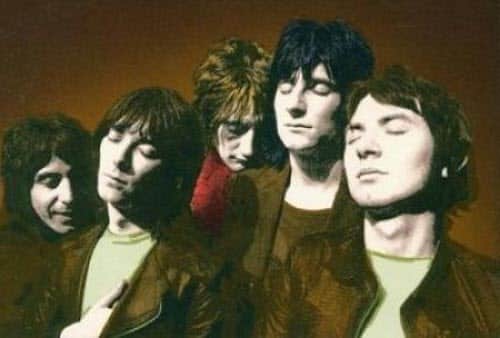
Few bands in rock history have captured the raw energy, reckless charm, and unfiltered soul of The Faces. Emerging in the early 1970s as a powerhouse of passion and talent, this iconic British group gave us a treasure trove of unforgettable songs that continue to resonate with fans across generations. The Faces weren’t just a band—they were a force of nature, blending bluesy grit, rock swagger, and heartfelt balladry into a sound uniquely their own.
With Rod Stewart’s raspy, magnetic vocals, Ron Wood’s gritty guitar riffs, and the undeniable rhythm section of Ronnie Lane, Ian McLagan, and Kenney Jones, The Faces struck a perfect balance between raucous revelry and emotional depth. Their music was the soundtrack to wild nights and wistful mornings, celebrating life’s highs while reflecting on its bittersweet moments.
In this article, we dive into the top 10 most popular songs by The Faces—a collection of tracks that define their legacy and continue to inspire. From rollicking anthems of rebellion to soulful ballads that tug at the heartstrings, these songs showcase why The Faces remain one of the most beloved bands in music history. Let’s turn up the volume and take a journey through their greatest hits!
1. Stay with Me (1971)
“Stay with Me” is arguably The Faces’ most iconic and instantly recognizable song, a perfect encapsulation of their boisterous rock spirit. Released on their 1971 album A Nod Is as Good as a Wink… to a Blind Horse, this track represents everything that made The Faces such an unforgettable force in rock ‘n’ roll. The song opens with a burst of energy, immediately pulling the listener in with its explosive guitar riff, delivered by the ever-talented Ron Wood. What follows is Rod Stewart’s signature gravelly vocals, commanding attention and exuding charisma. He perfectly captures the playful yet raw energy of a fleeting romance, a theme that is relatable to many.
The track’s cheeky lyrics, which explore the ups and downs of a short-lived affair, are delivered with humor and conviction, backed by a relentlessly infectious rhythm section. From the driving beat to the layered guitar textures, every part of the song contributes to its undeniable energy and appeal. The irresistible chorus, with its sing-along potential, has made this track a mainstay in rock music and a favorite at live performances.
“Stay with Me” showcases the synergy between the band members, particularly Stewart and Wood, whose dynamic interplay gives the song its edgy, yet accessible feel. The track captures The Faces at their most carefree and unapologetic, embodying a spirit that would define much of their career. A true anthem of the 1970s, “Stay with Me” remains an essential piece of The Faces’ legacy, showcasing their blend of rock swagger and unrefined charm. It’s a high-energy, unforgettable classic that continues to thrill fans and is a touchstone of their genre-defining sound.
2. Ooh La La (1973)
“Ooh La La,” the title track from The Faces’ 1973 album, offers a stunning shift in tone compared to the more boisterous and raucous energy typically associated with the band. Sung by bassist Ronnie Lane, this song stands out as a deeply reflective, wistful meditation on life’s inevitable lessons. Lane’s vocals, which are both tender and knowing, create an emotional depth that resonates with listeners, drawing them into the story of someone who’s seen enough of the world to understand its complexities, yet still holds onto a sense of wonder.
The acoustic-based instrumentation adds a layer of warmth to the track, creating a contrast to the electrifying rock hits the band is known for. The minimalistic arrangement allows the song’s poignant lyrics to take center stage, and the simple, infectious melody carries an almost nostalgic quality. The repeated “Ooh la la” refrain, which serves as both the song’s title and its centerpiece, becomes a sing-along moment that invites listeners to join in its bittersweet message. It’s a moment of reflection and acceptance, and yet the melody is so catchy that it lingers in your head long after the song ends.
“Ooh La La” reflects a different side of The Faces, one where maturity and wisdom take the spotlight. It’s a contemplative track, far removed from the carefree antics of their earlier songs, yet it still holds the band’s signature charm. Its lyrical themes of life’s simplicity and complexities—coupled with its warm, inviting melody—make it a standout track that has grown in significance over the years. It’s a song that captures the feeling of being at a crossroads in life, and it has become one of The Faces’ most beloved pieces.
3. Cindy Incidentally (1973)
“Cindy Incidentally,” from The Faces’ 1973 album Ooh La La, is a prime example of the band’s ability to fuse rock, soul, and storytelling with ease. The song has a laid-back swagger that immediately grabs your attention, with its groove-laden beat and irresistibly catchy piano work by Ian McLagan. From the first few notes, it’s clear that this is a track full of life and energy, capturing the essence of a fleeting romance and the thrill of spontaneous adventure.
Rod Stewart’s charismatic vocals, combined with the rolling piano lines and punchy rhythm section, give the song an undeniable sense of urgency and joy. The lyrics tell the story of a romantic encounter that’s both carefree and exciting, encapsulating the spirit of living in the moment. Stewart’s voice, filled with both charm and mischievousness, fits perfectly with the story being told, adding a layer of cheeky fun to the track.
The upbeat tempo and memorable hook make “Cindy Incidentally” an instant classic. The song is a perfect example of The Faces’ knack for creating infectious rock ‘n’ roll that also carries emotional weight. The blending of rock and soul elements gives the track a timeless quality, with its rhythmic drive and playful, carefree nature making it a fan favorite. Over the years, “Cindy Incidentally” has come to symbolize the band’s ability to craft songs that are both musically sophisticated and grounded in pure, unfiltered rock ‘n’ roll energy. It remains a standout track in The Faces’ catalog, beloved for its infectious groove and irresistible charm.
4. Had Me a Real Good Time (1971)
“Had Me a Real Good Time” from The Faces’ Long Player album is a high-octane celebration of carefree living and rock ‘n’ roll excess. From the opening notes, the track bursts with energy, fueled by its raucous rhythm and the band’s signature, unpolished sound. With lyrics that revel in the freedom of a night well-spent, the song captures the essence of youthful rebellion and the hedonistic pleasures of a life lived without restraint. The Faces, known for their exuberant live performances, bring that same energy to this track, making it feel as if the listener is part of the wild night described in the song.
The song’s lively piano lines, provided by Ian McLagan, add a layer of fun to the track, while Rod Stewart’s vocals are raw and full of personality, perfectly capturing the feeling of exhilaration and joy that accompanies a good time. The chorus, with its chant-like repetition of “Had me a real good time,” invites the listener to sing along, reinforcing the carefree, celebratory mood that permeates the entire track.
“Had Me a Real Good Time” is a track that encapsulates The Faces’ freewheeling ethos. The band’s chemistry is palpable here, as they rip through the song with infectious enthusiasm, perfectly capturing the spirit of rock ‘n’ roll. The track has become a fan favorite, celebrated for its unrefined energy, fun-loving lyrics, and the irresistible feeling of being alive in the moment. It’s a song that will always be associated with the band’s raucous, unapologetic attitude, and it remains a staple of their catalog.
5. Pool Hall Richard (1973)
Released as a standalone single in 1973, “Pool Hall Richard” is a bold, swaggering track that perfectly exemplifies The Faces’ ability to blend raw energy with rock ‘n’ roll attitude. From the first notes, Ron Wood’s guitar riffs immediately grab your attention, setting the tone for the track’s rebellious spirit. The song’s tight rhythm section, along with Rod Stewart’s charismatic vocals, creates a gritty, unmistakable vibe that channels the feeling of being in a smoky, dimly lit pool hall, where every shot feels like a gamble. It’s a classic rock anthem that exudes confidence and excitement.
The lyrics are infused with a playful, cocky attitude, as the narrator describes his experiences and interactions in a pool hall, full of bravado and charm. Stewart’s delivery is infectious, giving the song a sense of fun that matches its subject matter. The song’s arrangement is deceptively simple yet dynamic, with its rhythmic intensity driving the song forward while Wood’s guitar work adds layers of grit and depth. The chorus is catchy and energetic, cementing the song’s place as a timeless anthem of youthful exuberance and rock ‘n’ roll swagger.
“Pool Hall Richard” is an enduring fan favorite, not just for its electrifying guitar work and driving beat, but also for the sense of fun and freedom it evokes. It’s a testament to The Faces’ ability to write songs that are both catchy and full of attitude, making it a standout in their catalog. With its rebellious lyrics, energetic performance, and irresistible groove, “Pool Hall Richard” has become an unforgettable track that showcases the band’s musical prowess and their knack for capturing the raw essence of rock ‘n’ roll.
6. Debris (1971)
“Debris,” from The Faces’ 1971 album A Nod Is as Good as a Wink… to a Blind Horse, is a deeply introspective and poignant track that showcases a softer, more reflective side of the band. Written and sung by bassist Ronnie Lane, the song is a heartfelt meditation on his relationship with his father, exploring themes of loss, reflection, and the passage of time. With its folk-inspired arrangement and melancholic yet soothing melody, “Debris” stands apart from the band’s typically high-energy rock anthems, giving listeners a rare glimpse into the emotional depth that Lane brought to his songwriting.
The song opens with a gentle acoustic guitar, setting a contemplative tone as Lane’s vulnerable vocals draw the listener in. His voice is tender and sincere, adding layers of emotion to the lyrics that speak of family, nostalgia, and the bittersweetness of life’s fleeting moments. The song’s instrumentation is sparse but rich, allowing Lane’s vocals and the poignant message of the song to take center stage. There is a timeless quality to “Debris,” as its themes of personal reflection and the weight of family ties resonate deeply with listeners.
“Debris” is a standout in The Faces’ catalog, not only for its emotional depth but also for its ability to convey profound feelings through simplicity. It’s a song that invites introspection, and its heartfelt lyrics continue to connect with audiences to this day. As one of the few tracks in The Faces’ repertoire to tackle such personal themes, “Debris” remains a cherished piece of their legacy, offering a unique and moving perspective that adds complexity to their otherwise raucous body of work.
7. Flying (1970)
“Flying,” the opening track from The Faces’ debut album First Step, sets the stage for the band’s dynamic sound with its expansive and uplifting energy. The song captures a sense of freedom and longing, conveyed through its soaring melody and heartfelt lyrics. As the first song listeners encounter from the band, it introduces them to The Faces’ musical versatility, showcasing not only their rock ‘n’ roll prowess but also their ability to craft emotionally resonant songs with a sense of wanderlust and aspiration.
Rod Stewart’s vocals are soulful and full of longing as he sings about the desire to escape, to explore, and to live life on his own terms. His delivery is raw and emotive, giving the song a sense of urgency and passion. The arrangement, driven by Ron Wood’s expressive guitar work and the band’s tight rhythm section, builds throughout the track, creating a sense of lift and movement that mirrors the song’s themes of freedom and desire. The soaring chorus, with its infectious melody, evokes a feeling of flight, perfectly capturing the essence of the song’s title.
“Flying” is one of The Faces’ most timeless tracks, offering a glimpse into their early sound and the depth of their musical ambitions. Its message of yearning and the pursuit of freedom resonates with anyone who has ever felt the call of something greater. With its uplifting melody, passionate vocals, and sense of optimism, “Flying” sets the stage for the rest of The Faces’ debut album and remains an enduring example of their ability to blend heartfelt lyrics with powerful, engaging rock music.
8. Three Button Hand Me Down (1970)
“Three Button Hand Me Down,” a playful track from The Faces’ debut album First Step, is a fun-loving ode to individuality, style, and the quirky nature of youth. The song’s infectious groove and catchy rhythm immediately draw you in, and Rod Stewart’s unmistakable swagger adds a layer of charm and personality to the track. The song tells the story of a man who’s proud of his unique look, donning a three-button hand-me-down suit, and carrying himself with a sense of confidence and coolness that is both endearing and humorous.
The track’s funky rhythm and upbeat energy create an undeniable sense of fun, with the infectious piano lines from Ian McLagan giving the song an extra bounce. Stewart’s vocal performance, full of playful energy, perfectly complements the song’s lighthearted message. It’s a celebration of embracing one’s own sense of style and identity, no matter how unconventional or imperfect that might be. The catchy chorus, with its memorable hooks, invites the listener to sing along, making “Three Button Hand Me Down” one of The Faces’ most fun and enduring tracks.
What makes “Three Button Hand Me Down” so memorable is its joyful, carefree spirit. It’s a track that doesn’t take itself too seriously, and that’s exactly what makes it so relatable and enjoyable. The Faces, known for their energetic and often raucous performances, bring that same sense of fun to this track, turning it into a timeless rock anthem. With its blend of catchy melodies, infectious energy, and playful lyrics, “Three Button Hand Me Down” is a standout song in The Faces’ catalog that continues to delight listeners.
9. Miss Judy’s Farm (1971)
“Miss Judy’s Farm,” from The Faces’ 1971 album A Nod Is as Good as a Wink… to a Blind Horse, is a raucous and high-energy rock anthem that captures the wild and carefree spirit of the early 1970s. This track is an explosion of fun, featuring blazing guitar riffs from Ron Wood, a driving rhythm section, and Rod Stewart’s powerful and energetic vocals. The song tells the story of a mischievous adventure at Miss Judy’s farm, filled with cheeky antics and youthful exuberance. It’s a song about rebellion, freedom, and the sheer thrill of living life on the edge.
The song opens with a playful guitar riff that quickly sets the tone, and from the first line of Stewart’s vocals, you can sense the raw energy and excitement that defines The Faces’ sound. The narrative, while lighthearted and cheeky, is steeped in the spirit of rock ‘n’ roll, complete with all the mischief, fun, and chaos that come with it. Stewart’s delivery is full of swagger, his voice oozing with confidence and charm. The rest of the band provides the perfect backing, with Wood’s fiery guitar solos and Ian McLagan’s electric keyboard lines adding layers of intensity to the track.
“Miss Judy’s Farm” stands out in The Faces’ catalog for its unapologetic energy and its ability to capture the essence of rock ‘n’ roll freedom. It’s the kind of track that, when performed live, immediately gets the crowd moving and singing along. The song’s infectious groove, high-octane delivery, and rebellious lyrics make it a timeless classic, embodying the spirit of rock music in its purest form. As a fan favorite, “Miss Judy’s Farm” remains one of The Faces’ most beloved tracks, offering a perfect blend of fun and ferocity that will never go out of style.
10. Too Bad (1971)
“Too Bad,” from The Faces’ 1971 album A Nod Is as Good as a Wink… to a Blind Horse, is a hard-hitting track that perfectly embodies the raw energy and rebellious attitude of the band. With its gritty guitar riffs, pounding drums, and powerful vocals, the song captures the essence of The Faces’ rough-around-the-edges rock ‘n’ roll spirit. The lyrics, which tell the tale of a man who’s been mistreated but refuses to let it get him down, are delivered with an unapologetic attitude that’s impossible to ignore.
The song kicks off with a strong, driving guitar riff from Ron Wood, setting the stage for the high-energy ride that follows. Stewart’s vocals are gritty and full of attitude, as he sings about the harsh realities of life while maintaining an air of defiance. The rhythm section, with its tight basslines and thunderous drums, propels the song forward, adding to its sense of urgency and power. The chorus, with its raw emotion and rebellious sentiment, makes it clear that this track is about standing up for oneself and refusing to be knocked down.
“Too Bad” is one of The Faces’ most energetic and in-your-face tracks, with its heavy guitar work and rebellious lyrics making it a standout in their catalog. It’s a song that resonates with anyone who’s ever felt wronged or pushed to the brink but refuses to let it define them. The band’s chemistry is on full display here, as they pour their heart and soul into every note, making “Too Bad” an essential track for fans of The Faces’ unrelenting rock ‘n’ roll spirit. With its powerful performance and unapologetic message, “Too Bad” remains a favorite among die-hard fans and a perfect closer to one of The Faces’ most iconic albums.

Edward Tomlin is a frequent contributor to Singers Room. Since 2005, Singersroom has been the voice of R&B around the world. Connect with us via social media below.









