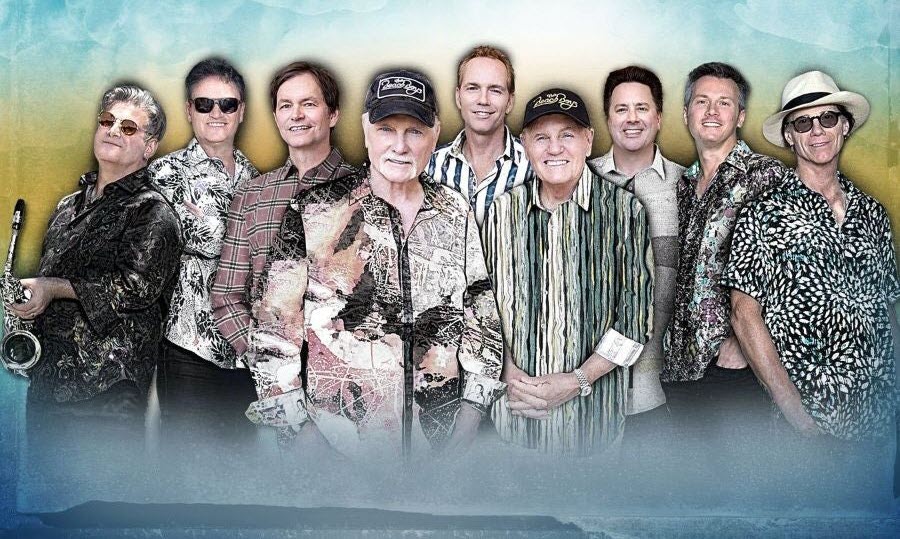
When it comes to defining the sound of an era, few bands can match the sun-soaked harmonies and infectious rhythms of The Beach Boys. Emerging in the early 1960s, this legendary group captured the essence of California’s golden beaches, carefree summers, and the universal longing for love and adventure. With their unique blend of rock, pop, and intricate vocal arrangements, The Beach Boys didn’t just dominate the charts—they immortalized a vibe that continues to resonate with fans across generations.
Over the decades, their music has become synonymous with warmth and nostalgia, evoking images of endless waves, gleaming surfboards, and convertible cars cruising along Pacific Coast highways. From playful anthems celebrating youth and freedom to introspective ballads that highlight their artistic depth, The Beach Boys’ discography is a treasure trove of timeless classics.
But which songs stand out as their most popular and enduring? In this article, we dive into the Top 10 most iconic Beach Boys tracks that have left an indelible mark on music history. Whether you’re a lifelong fan or just discovering their magic, these songs will transport you to a world of shimmering melodies and unforgettable memories. Let’s hit play and ride the wave!
1. “Good Vibrations” (1966)
Widely considered The Beach Boys’ magnum opus, Good Vibrations is a genre-defying masterpiece that revolutionized pop music. Released in 1966, this song broke all the rules, both musically and structurally. Brian Wilson, the band’s creative genius, famously called it his “pocket symphony,” and it’s easy to understand why. Instead of following the traditional verse-chorus format, the song shifts through different movements, each distinct yet seamlessly connected.
One of its most striking elements is the use of the theremin, an eerie, otherworldly instrument that adds a psychedelic edge. Layered with lush harmonies, dynamic tempo changes, and intricate orchestration, Good Vibrations creates a sonic landscape unlike anything heard before in popular music. The track was meticulously crafted, with Wilson recording fragments in different studios and piecing them together in an unprecedented production style.
Lyrically, Good Vibrations captures the euphoric sensation of love and attraction, but it’s the song’s adventurous spirit that makes it legendary. Its boundary-pushing innovation influenced countless artists and helped pave the way for more experimental music in the years to come. Today, Good Vibrations remains one of the most celebrated and studied songs in rock history, solidifying The Beach Boys’ legacy as musical pioneers.
2. “God Only Knows” (1966)
Few songs in music history can match the emotional depth and beauty of God Only Knows. Released in 1966 as part of Pet Sounds, this tender ballad redefined love songs with its poetic lyrics and breathtaking arrangement. Brian Wilson, along with lyricist Tony Asher, crafted a song that conveys love in its most profound form—unconditional, vulnerable, and eternal.
The opening line, “I may not always love you,” is an unconventional yet striking way to begin a love song, drawing listeners into its heartfelt message. Carl Wilson’s delicate, angelic lead vocal gives the song an ethereal quality, perfectly complementing the rich orchestration. Wilson’s use of harpsichord, French horns, and layered harmonies creates a lush soundscape that feels timeless and deeply moving.
God Only Knows was groundbreaking not just in its composition but also in its themes. It explores devotion in a way that is both deeply personal and universally relatable. Even Paul McCartney has called it one of the greatest songs ever written—a testament to its enduring impact. Decades later, it remains one of The Beach Boys’ most beloved and critically acclaimed works, proving that true musical beauty never fades.
3. “California Girls” (1965)
A quintessential anthem of the California dream, California Girls captures the sun-soaked, carefree essence of the West Coast lifestyle. Released in 1965, the song became an instant classic, blending The Beach Boys’ signature harmonies with a grand orchestral introduction that sets it apart from their earlier surf hits.
Brian Wilson’s lush arrangement, featuring a swelling instrumental prelude, builds into a breezy, upbeat melody that celebrates the charm of girls from every region—before ultimately declaring California girls as the best of them all. Mike Love’s lead vocals deliver the playful lyrics with a youthful enthusiasm that perfectly matches the song’s bright, summery feel.
Musically, California Girls showcases Wilson’s growing ambition as a producer. The instrumentation is rich and layered, incorporating horns and strings that add a touch of sophistication to its otherwise playful nature. The song’s joyful, beachy vibe has made it a timeless favorite, inspiring countless covers and even influencing later generations of musicians.
With its irresistible melody and feel-good energy, California Girls remains one of The Beach Boys’ most recognizable songs, embodying the golden era of 1960s surf rock. It’s a celebration of youth, fun, and sunshine—everything The Beach Boys did best.
4. “Surfin’ USA” (1963)
Surfin’ USA is the song that put The Beach Boys on the map and helped define the surf rock movement of the early 1960s. Released in 1963, the track is a sun-drenched, high-energy anthem that celebrates California’s vibrant surf culture. With its infectious melody and youthful lyrics, it perfectly captures the excitement of catching waves and living the ultimate West Coast lifestyle.
Musically, Surfin’ USA is heavily inspired by Chuck Berry’s Sweet Little Sixteen, borrowing its melody and energetic guitar riffs. This influence gave the song a rock and roll edge, blending seamlessly with The Beach Boys’ signature harmonies. Brian Wilson’s sharp production and the group’s tight vocal arrangements made it an instant hit, helping them solidify their reputation as the voice of surf music.
Lyrically, the song is a love letter to the sport of surfing, listing various iconic surf spots like Malibu and Santa Cruz, making it feel like an insider’s guide to the best waves on the West Coast. Its upbeat rhythm and singalong chorus made it a staple for radio stations and beach parties alike.
Surfin’ USA was more than just a song—it was a cultural phenomenon. It helped establish The Beach Boys as leaders of the surf rock movement and remains one of their most enduring hits. Even decades later, its sunny optimism and youthful spirit make it an irresistible classic.
5. “Wouldn’t It Be Nice” (1966)
Wouldn’t It Be Nice is a song that perfectly captures the bittersweet longing of young love—the desire to fast-forward time and be with the one you love without restrictions. Released in 1966 as the opening track of Pet Sounds, this beautifully orchestrated song is filled with warmth, innocence, and dreamy optimism.
From the very first notes of the shimmering harp and bouncing rhythm, the song feels like a burst of sunshine. The layered vocal harmonies, led by Brian Wilson, create a sense of euphoria, while the dynamic tempo shifts add to the song’s emotional depth. Wilson’s production was ahead of its time, incorporating intricate arrangements and orchestral elements that made the track sound richer and more sophisticated than the typical pop song of its era.
Lyrically, Wouldn’t It Be Nice expresses the frustrations of young love—the desire to be older so that love isn’t held back by societal expectations. The sincerity in the lyrics, combined with the song’s joyful melody, creates a contrast that resonates deeply with listeners.
As one of the standout tracks from Pet Sounds, Wouldn’t It Be Nice showcases The Beach Boys at their most musically ambitious and emotionally expressive. It remains one of their most cherished songs, capturing the magic of youthful romance in a way few songs ever have.
6. “I Get Around” (1964)
I Get Around is pure, unfiltered fun—a high-energy anthem about the thrill of adventure, freedom, and youthful rebellion. Released in 1964, it became The Beach Boys’ first number-one hit, solidifying their place as one of the biggest bands of the decade.
Right from the start, the song hooks listeners with its powerful, harmonized “Round, round, get around, I get around” intro before launching into a driving beat and energetic vocal exchanges between Brian Wilson and Mike Love. The song’s structure, featuring unexpected tempo changes and dynamic harmonies, showcases Wilson’s innovative approach to songwriting.
Lyrically, I Get Around is about living life on the move, cruising in cars, and enjoying the carefree energy of youth. The playful back-and-forth between the verses and chorus keeps the momentum high, making it nearly impossible not to sing along.
With its infectious melody, vibrant harmonies, and rock-driven edge, I Get Around became a defining song of the surf rock era. It’s a track that instantly transports listeners back to the golden age of the 1960s, filled with sunny beaches, classic cars, and endless summer vibes. Even today, it remains one of The Beach Boys’ most iconic songs, capturing the spirit of teenage adventure like no other.
7. “Help Me, Rhonda” (1965)
Help Me, Rhonda is a lively, feel-good breakup anthem that became one of The Beach Boys’ biggest hits. Released in 1965, the song tells the story of a heartbroken man turning to a new love, Rhonda, to help him get over a failed relationship. With its infectious melody, upbeat rhythm, and singalong chorus, the song remains a classic that captures the playful energy of 1960s pop.
The track originally appeared as a slower, more laid-back version on the album The Beach Boys Today!, but it was re-recorded with a more dynamic arrangement for its single release. The updated version, featuring Al Jardine on lead vocals, became a number-one hit on the Billboard Hot 100, marking a major milestone for the band.
Musically, Help Me, Rhonda is driven by its signature guitar riff, tight harmonies, and an irresistible rhythm that makes it impossible to sit still. The harmonica intro adds a layer of brightness, while the call-and-response vocals give it an engaging, almost conversational feel. The song’s charm lies in its simplicity—while the lyrics are about heartbreak, the upbeat delivery makes it sound like a celebration of moving on.
Even decades later, Help Me, Rhonda remains a staple of The Beach Boys’ catalog. Whether played at a summer gathering or blasted on a road trip, the song captures the carefree, sun-soaked spirit that made The Beach Boys legendary.
8. “Kokomo” (1988)
A late-career smash for The Beach Boys, Kokomo brought the band back to the top of the charts in 1988 with its dreamy, tropical escape. Unlike their surf-rock classics, this song paints a picture of a faraway paradise—a place where love and relaxation go hand in hand. Featured in the film Cocktail, Kokomo became a massive hit, reaching number one on the Billboard Hot 100 and proving that The Beach Boys still had the magic touch.
The song’s breezy, laid-back melody is driven by steel drums, gentle percussion, and warm harmonies that immediately transport listeners to an island getaway. With lyrics that name-drop exotic destinations like Aruba, Jamaica, and the titular Kokomo, the song invites listeners to escape their daily lives and imagine themselves in a romantic, sun-drenched paradise.
Although Kokomo lacks the signature surf-rock energy of The Beach Boys’ early hits, it maintains their signature vocal harmonies and feel-good vibes. Mike Love’s smooth lead vocals, combined with the lush instrumental arrangement, create a relaxed yet uplifting atmosphere that has made the song a favorite for vacation playlists and beachside singalongs.
Even though it arrived decades after their peak in the 1960s, Kokomo showed that The Beach Boys could still capture the essence of summer. It remains one of their most commercially successful songs and continues to transport listeners to their own personal slice of paradise.
9. “Barbara Ann” (1965)
If there’s one Beach Boys song that instantly turns any gathering into a singalong, it’s Barbara Ann. Released in 1965 on the album Beach Boys’ Party!, this cover of The Regents’ 1961 doo-wop hit became one of the band’s most beloved and recognizable tracks. With its raw, spontaneous energy and infectious chorus, Barbara Ann feels less like a polished studio recording and more like a jam session among friends.
The song is simple yet undeniably effective. It’s built around a playful back-and-forth between lead and backing vocals, with a loose, carefree feel that makes it sound like it was recorded in a single take—because it almost was. The album Beach Boys’ Party! was designed to have a casual, live-in-the-moment atmosphere, and Barbara Ann captures that perfectly. Dean Torrence of Jan & Dean even joins in on lead vocals, adding to the song’s lively, fun-loving spirit.
While Barbara Ann doesn’t have the sophisticated production of Pet Sounds or the lyrical depth of some of The Beach Boys’ other classics, it thrives on sheer joy and energy. The repeated “Ba-ba-ba, ba-Barbara Ann” chorus is impossible not to sing along to, making it a party favorite for generations.
More than half a century later, Barbara Ann remains a feel-good anthem that brings people together. Whether at a beach bonfire, a wedding reception, or a backyard BBQ, the song’s carefree charm never fails to get people singing along.
10. “Don’t Worry Baby” (1964)
One of The Beach Boys’ most emotionally resonant songs, Don’t Worry Baby is a tender, heartfelt ballad that showcases the band’s softer side. Released in 1964 as the B-side to I Get Around, the song has since become one of their most beloved tracks, thanks to its stunning harmonies and deeply personal lyrics.
Brian Wilson wrote Don’t Worry Baby as a response to The Ronettes’ Be My Baby, inspired by its romantic theme and lush production. The result is a song filled with vulnerability and sincerity, with Wilson’s delicate falsetto carrying the emotional weight of the lyrics. The story centers on a young man facing doubt and anxiety, but his girlfriend reassures him with the comforting words, “Don’t worry, baby, everything will turn out all right.”
Musically, the song is a masterpiece of melody and harmony. The gentle strumming of the guitar, the subtle drumbeat, and the warm, layered vocals create a dreamlike atmosphere that perfectly complements the song’s message of reassurance and love. Wilson’s production elevates it beyond a simple love song, turning it into something timeless and deeply affecting.
Many fans and critics consider Don’t Worry Baby one of the greatest pop songs ever recorded. It captures the essence of young love, insecurity, and the power of emotional support in a way that few songs have. Decades after its release, it still tugs at the heartstrings, proving that some songs are simply timeless.

Edward Tomlin is a frequent contributor to Singers Room. Since 2005, Singersroom has been the voice of R&B around the world. Connect with us via social media below.









