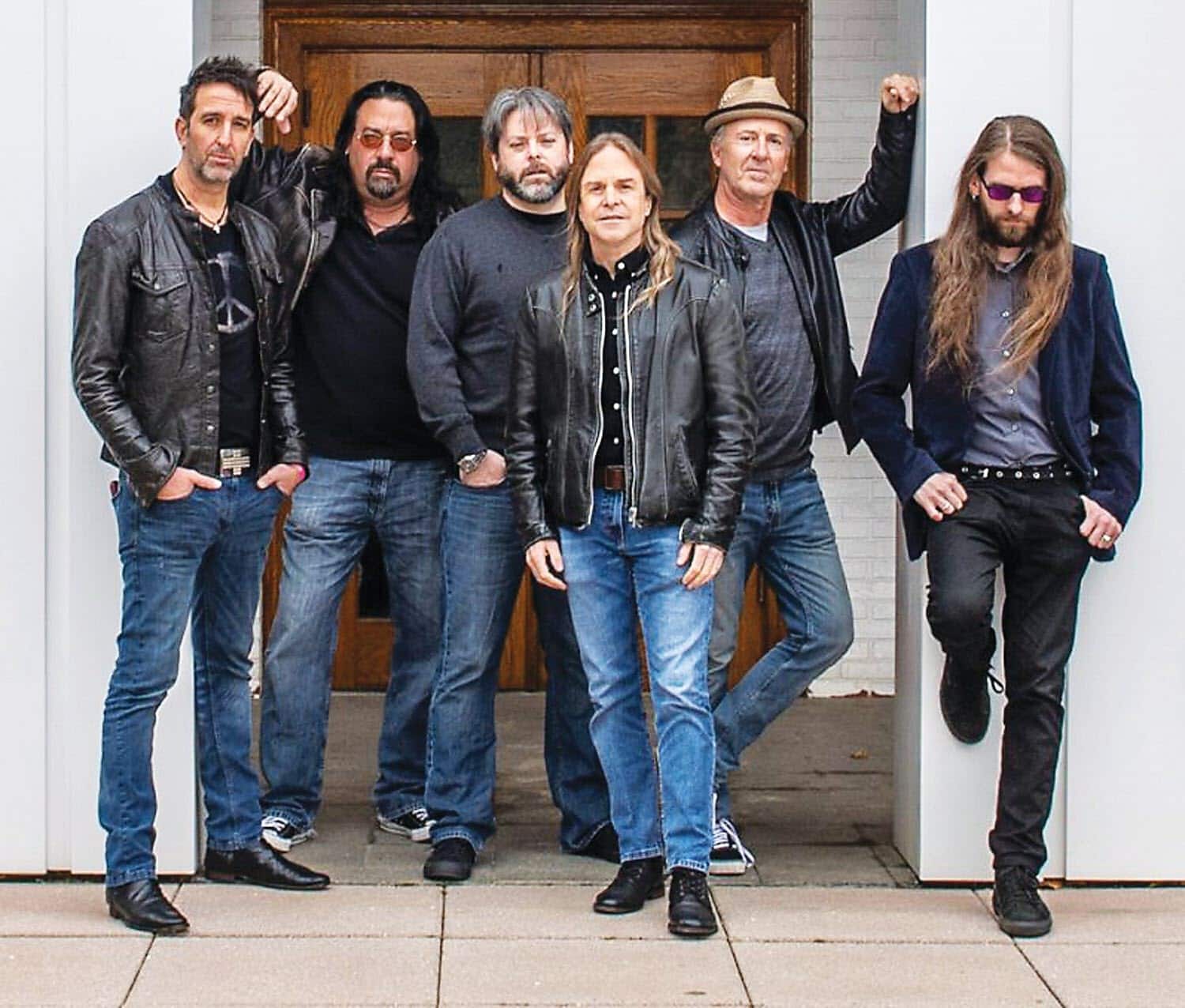
The Allman Brothers Band stands as one of the most iconic and influential groups in the history of rock and blues music. With their soulful guitar harmonies, electrifying live performances, and a sound that effortlessly blends Southern rock, jazz, and blues, they’ve carved out a timeless legacy that continues to captivate fans across generations. From their early days in the late 1960s to their final performance in 2014, the band’s music has become the soundtrack to countless road trips, late-night jam sessions, and moments of pure musical transcendence.
In this article, we’ll explore the top 10 most popular songs by The Allman Brothers Band—tracks that have stood the test of time and remain fan favorites. Whether you’re a die-hard devotee or a newcomer eager to discover their magic, these songs showcase the band’s unparalleled musicianship, raw emotion, and innovative spirit. From the soaring dual guitars of Duane Allman and Dickey Betts to Gregg Allman’s soulful voice and keyboard mastery, these tracks are a testament to a band that revolutionized American music. Get ready to dive into a journey filled with heart-pounding solos, poignant lyrics, and the spirit of the Southern rock revolution! Let’s celebrate their enduring legacy.
1. Whipping Post (1969)
“Whipping Post” is a blistering anthem of emotional turmoil and defiance that encapsulates the raw power of The Allman Brothers Band. Featured on their debut self-titled album, this track instantly sets itself apart with its intricate time signatures and Gregg Allman’s soul-piercing vocals. The song opens with a haunting, bluesy intro before launching into a full-on rock assault, its dynamic shifts reflecting the turmoil and internal battle described in the lyrics. Allman’s anguished delivery resonates deeply, evoking a sense of personal suffering and a fierce desire to break free from the emotional chains of heartbreak. The band’s instrumentation builds throughout, increasing in intensity, leading to a powerful crescendo that leaves listeners spellbound. At its core, “Whipping Post” is a stunning blend of blues, rock, and improvisational mastery, showcasing the band’s dynamic artistry and musical range. The track’s raw emotion and complexity have made it a defining moment in the band’s catalog, capturing the energy of a band at the height of their creative prowess. Whether in its studio version or its legendary live performances, “Whipping Post” remains a timeless testament to the power of music as both catharsis and expression.
2. Jessica (1973)
“Jessica,” a radiant instrumental track from Brothers and Sisters, is a shining example of the Allman Brothers Band’s mastery of melodic storytelling. The song, featuring the impeccable guitar work of Dickey Betts, is an upbeat, joyful piece that captures the spirit of freedom and the beauty of life’s simpler pleasures. From its opening notes, the song exudes a sense of lightness and ease, evoking imagery of long drives through sun-drenched landscapes and moments of carefree bliss. The melody unfolds in such a way that it feels almost like a journey, building and shifting in delightful ways as each instrument takes its turn. Dickey Betts’ guitar work is, of course, the star here, with his signature fluid lines and joyful improvisation painting a picture of optimism and life in motion. The song’s radiant energy has made it a go-to favorite for many, especially on road trips or moments of nostalgia. Its infectious groove and undeniable warmth have earned “Jessica” a lasting place in the hearts of fans. This Grammy-winning piece is one of the band’s most enduring, a track that transcends time and place to evoke a sense of joy and freedom, making it a perfect representation of the Allman Brothers Band’s ability to tell stories without words and to bring listeners into a state of pure musical bliss.
3. Midnight Rider (1970)
“Midnight Rider” is a haunting, evocative ballad from the Idlewild South album that tells the story of a man on the run, searching for freedom and solace amidst life’s struggles. The song is imbued with a deep sense of melancholy, yet it’s also marked by an unshakable determination and resilience. Gregg Allman’s soulful vocals bring the lyrics to life, delivering each line with a weight that underscores the character’s plight. The simple yet powerful instrumentation provides the perfect backdrop for Allman’s voice, and the song’s gentle but insistent rhythm mirrors the unwavering resolve of the protagonist as he faces his trials. The lyrics convey a sense of restlessness and the desire to escape the pressures of the world, while also hinting at the need to find a sense of peace amidst the chaos. This juxtaposition of melancholy and resolve creates a mood that is both contemplative and inspiring. “Midnight Rider” became an instant classic, a timeless track that resonates with anyone who’s ever faced obstacles or sought freedom from their own personal burdens. The song’s message of perseverance, combined with its haunting melody and moving vocals, makes it a standout in the Allman Brothers’ catalog, continuing to captivate listeners with its raw emotion and authenticity.
4. Ramblin’ Man (1973)
“Ramblin’ Man” is one of The Allman Brothers Band’s most commercially successful and enduring tracks, encapsulating the essence of Southern rock in a single, infectious anthem. Released as part of Brothers and Sisters, the song blends elements of country, blues, and rock to create a captivating, feel-good tune that is both reflective and celebratory. Written and sung by Dickey Betts, “Ramblin’ Man” is an ode to the life of a wanderer, a free spirit who finds himself constantly on the move, seeking adventure and escape. The song’s catchy, sing-along chorus, paired with its breezy vibe, made it an instant hit, and it remains a staple of classic rock playlists. The song’s lyrics capture the bittersweet nature of a life lived without roots, celebrating the joys of the open road while acknowledging the loneliness that can come with it. Betts’ soulful vocals and smooth guitar work give the track a warmth and authenticity that perfectly complement its reflective tone. “Ramblin’ Man” has become a signature song for the band, one that captures both the sense of freedom and the emotional complexity of a life lived on one’s own terms. Its timeless appeal and singable melody have ensured its place in rock history, continuing to resonate with listeners who embrace the spirit of adventure and individuality.
5. Statesboro Blues (1971)
“Statesboro Blues,” a blues classic originally written by Blind Willie McTell, was brought to new life by The Allman Brothers Band in 1971 with their electrifying performance on At Fillmore East. The band’s version of this song is a perfect representation of their ability to fuse traditional blues with rock and improvisation, creating a sound that feels both timeless and contemporary. The standout feature of this track is Duane Allman’s masterful slide guitar playing, which gives the song an emotional depth and intensity that is hard to match. His fluid, emotive solos evoke the heartache and yearning at the core of the song’s lyrics, transforming it from a traditional blues tune into a tour de force of musical expression. The song’s steady rhythm section provides a solid foundation for the band’s extended instrumental explorations, allowing the guitar work to shine. The Allman Brothers’ version of “Statesboro Blues” is not just a cover; it’s a reinvention of the original, one that adds a new layer of energy and depth to the song. The band’s chemistry is on full display here, as each member contributes to the powerful collective sound that propels the track forward. This version of “Statesboro Blues” is a quintessential example of The Allman Brothers Band’s ability to take a classic blues song and make it their own, blending genres and pushing musical boundaries. It’s a thrilling ride from start to finish, and it remains one of the band’s most iconic performances.
6. Melissa (1972)
“Melissa” is a poignant and introspective ballad from Eat a Peach, showcasing a softer, more reflective side of The Allman Brothers Band. Written by Gregg Allman, the song is one of his most personal compositions, a heartfelt expression of love and longing. The track’s soothing melody, with its gentle acoustic guitar strumming and melodic piano accents, creates a serene atmosphere that perfectly complements the song’s introspective lyrics. The lyrics themselves are tender and full of emotion, as Allman sings about a love that he cherishes deeply, but one that is ultimately unfulfilled. “Melissa” speaks to the complexity of relationships and the bittersweet nature of love, making it a relatable and timeless piece. The song’s simplicity is its strength, as it allows Allman’s soulful vocals and the band’s understated yet powerful instrumentation to take center stage. The track’s emotional depth is underscored by its warm, intimate sound, creating a moment of calm and reflection in the band’s otherwise energetic catalog. “Melissa” stands as one of the most beautiful and haunting ballads in The Allman Brothers Band’s discography, its raw emotional honesty making it a fan favorite and an enduring classic. Whether listened to for its lyrical beauty or its captivating melody, “Melissa” remains a touching testament to the complexity of love and the emotions that come with it.
7. In Memory of Elizabeth Reed (1970)
“In Memory of Elizabeth Reed” is a sprawling, instrumental epic that showcases The Allman Brothers Band’s jazz-infused rock sound at its most sophisticated and expressive. First appearing on Idlewild South, the song was written by guitarist Dickey Betts and has since become one of the band’s signature tracks, revered for its complex structure and improvisational brilliance. The song’s multi-part composition is a journey in itself, with each section flowing seamlessly into the next, taking listeners through a wide range of moods and textures. The interplay between Betts’ guitar and Duane Allman’s slide guitar is nothing short of magical, as the two create a rich tapestry of sound that seems to ebb and flow with a life of its own. The rhythm section, too, is a crucial part of the song’s magic, providing the foundation for the band’s intricate musical explorations. The live versions of “In Memory of Elizabeth Reed” are particularly celebrated for the band’s ability to stretch the song into new, uncharted territory with each performance, showcasing their improvisational skill and musical chemistry. The song’s jazz influences are evident in its use of complex harmonies and unpredictable time signatures, creating a sound that feels both freeform and meticulously crafted. “In Memory of Elizabeth Reed” is an instrumental masterpiece that has become a hallmark of the band’s live shows and an enduring testament to their musical virtuosity.
8. Dreams (1969)
“Dreams” is an introspective, soulful track from The Allman Brothers Band’s self-titled debut album that captures the spirit of longing and ambition. The song’s ethereal quality, combined with Gregg Allman’s emotive vocals and Duane Allman’s soaring guitar solos, creates a mesmerizing, almost hypnotic atmosphere. The lyrics explore themes of hope, desire, and the pursuit of dreams, with the music carrying an air of melancholy that complements the yearning in the words. The song’s pacing is slow and deliberate, allowing the listener to truly absorb the emotional weight of the lyrics. Gregg Allman’s vocal performance is filled with heartache, his voice conveying the pain and vulnerability of someone who is chasing an elusive dream. Duane Allman’s guitar work is equally moving, with his solos cutting through the mix with a sense of urgency and longing that mirrors the lyrics’ emotional depth. “Dreams” is a track that transports listeners into a dreamlike state, where the lines between reality and desire blur, and where the pursuit of something greater feels both fragile and compelling. The song’s haunting beauty and emotional resonance have made it a fan favorite and a defining moment in the band’s early catalog, showcasing the unique chemistry between the Allman brothers and their ability to channel deep emotions into their music.
9. Blue Sky (1972)
“Blue Sky” is a joyful, uplifting track from Eat a Peach, filled with the warmth of optimism and the beauty of nature. The song’s breezy melody, paired with Dickey Betts’ heartfelt vocals and Duane Allman’s ethereal slide guitar work, creates a sound that is both soothing and invigorating. The lyrics of “Blue Sky” celebrate the freedom and joy that come from being in harmony with nature and love. The song’s bright energy and positive vibe make it a standout in the Allman Brothers’ catalog, as it offers a refreshing contrast to some of their heavier, more introspective tracks. The song’s message of hope and positivity resonates deeply, making it a perfect anthem for moments of reflection or celebration. The upbeat guitar riffs and joyful rhythm section propel the song forward, creating a sense of movement and excitement that mirrors the lyrics’ themes of living in the moment and embracing life’s beauty. “Blue Sky” is one of the band’s most beloved songs, celebrated for its simple yet profound message, and for the way it perfectly encapsulates the band’s ability to craft music that is both emotionally resonant and musically virtuosic. Its breezy charm and feel-good energy have made it a perennial favorite among fans, continuing to bring joy to listeners with every play.
10. One Way Out (1972)
“One Way Out,” from Eat a Peach, is a high-energy blues-rock track that captures the raw intensity and energy of The Allman Brothers Band in their prime. The song’s infectious groove, driven by Duane Allman’s fiery slide guitar and Gregg Allman’s gritty, soulful vocals, makes it a thrilling ride from start to finish. The track’s lyrics tell the story of someone caught in a difficult situation with only one escape route, creating a sense of urgency and desperation that is perfectly matched by the music. The band’s tight rhythm section provides a powerful foundation, while the guitar solos take center stage, weaving in and out of the song’s structure with virtuosity and flair. “One Way Out” is a perfect example of the band’s ability to blend blues, rock, and improvisation into a seamless, high-octane experience. It’s a song that comes alive in live performances, where the band’s chemistry and spontaneity shine through. The track’s electrifying energy and relentless drive have made it a fan favorite, and its status as a live show highlight only adds to its legendary status. Whether in the studio or on stage, “One Way Out” remains a defining example of the Allman Brothers’ musical power and ability to captivate audiences with their electrifying performances.

Edward Tomlin is a frequent contributor to Singers Room. Since 2005, Singersroom has been the voice of R&B around the world. Connect with us via social media below.









