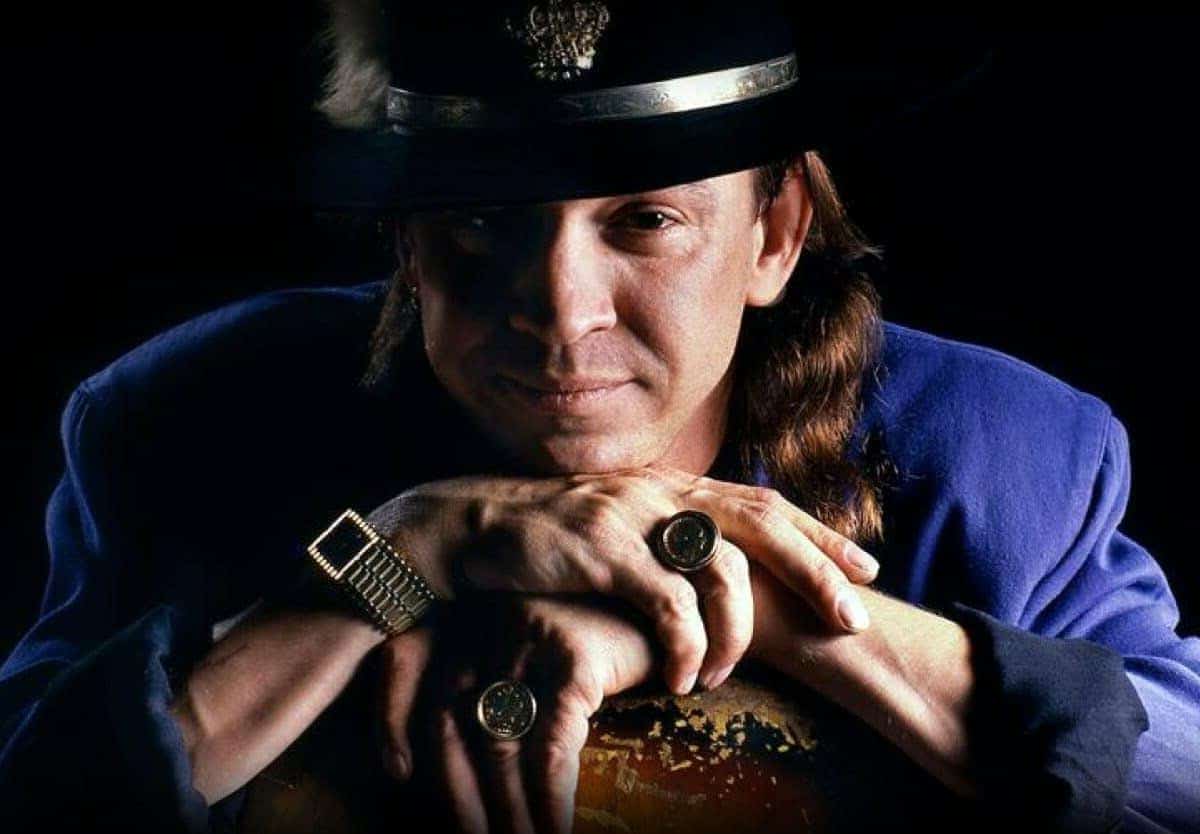
Few artists have left as indelible a mark on the world of blues and rock as Stevie Ray Vaughan. With his fiery guitar playing, soulful voice, and raw passion for music, Vaughan revitalized the blues genre in the 1980s, bridging the gap between traditional roots and modern rock audiences. Armed with his iconic Fender Stratocaster, “Number One,” Vaughan electrified the music world with jaw-dropping solos, gritty rhythms, and a sound that remains unmistakable today. His tragic passing at the height of his career only amplified his legendary status, leaving fans and fellow musicians yearning for more.
In this article, we dive deep into the top 10 most popular Stevie Ray Vaughan songs of all time—tracks that define his legacy and showcase his immense talent. From blistering blues jams to heart-wrenching ballads, each song is a testament to his unparalleled artistry and enduring influence. Whether you’re a lifelong fan or just discovering his music, these songs will take you on an emotional journey through Vaughan’s brilliance. Get ready to relive the magic, the intensity, and the soul of one of the greatest guitarists to ever grace the stage. Let’s count down the timeless masterpieces of Stevie Ray Vaughan!
1. Pride and Joy (1983)
“Pride and Joy” is more than just a song—it’s an electrifying introduction to Stevie Ray Vaughan’s signature Texas blues style. Released in 1983 on his debut album Texas Flood, the track captures the raw energy and swagger that would define Vaughan’s career. With its infectious shuffle rhythm and scorching guitar licks, “Pride and Joy” quickly became a staple of blues rock.
Lyrically, the song is a joyful declaration of love, inspired by his then-girlfriend. Vaughan’s expressive vocals give it a heartfelt sincerity, while his guitar work adds layers of emotion and intensity. His signature Stratocaster tone cuts through the mix with a biting clarity, each note dripping with passion. The song’s relentless groove, driven by Double Trouble’s impeccable rhythm section, makes it impossible not to tap your foot or nod along.
What truly sets “Pride and Joy” apart is its balance between technical mastery and raw feeling. Vaughan’s solos are blistering yet effortless, showcasing his ability to make the guitar sing like an extension of his soul. The track became one of his most recognizable songs, solidifying his reputation as a modern blues virtuoso. Even decades later, it remains a fan favorite, a must-hear for anyone looking to experience the magic of Stevie Ray Vaughan.
2. Texas Flood (1983)
The title track of Stevie Ray Vaughan’s debut album, “Texas Flood,” is a masterful reworking of the 1958 blues song originally recorded by Larry Davis. However, Vaughan didn’t just cover it—he transformed it into a soul-shaking blues epic that showcases his ability to channel deep emotion through his guitar.
Clocking in at over five minutes, “Texas Flood” is a slow-burning storm of searing guitar solos and anguished vocals. The song’s lyrics use heavy rain and flooding as a metaphor for heartbreak and loneliness, a classic blues trope delivered with spine-tingling authenticity. Vaughan’s voice drips with sorrow, but it’s his guitar that does most of the talking, wailing and bending notes as if crying out in pain.
One of the defining moments of the song comes during the extended solo sections, where Vaughan lets loose with cascading runs, long sustaining bends, and his signature vibrato. His ability to evoke a mood, shifting from delicate whispers to roaring outbursts, proves why he was more than just a technically skilled player—he was a true bluesman.
“Texas Flood” became an instant classic, a defining moment in Vaughan’s career that cemented him as a torchbearer for the blues. Even today, it remains a high-water mark in blues history, a song that captures the genre’s essence with pure, unfiltered emotion.
3. Lenny (1983)
“Lenny” is Stevie Ray Vaughan at his most intimate and tender. An instrumental ballad from Texas Flood, this stunning piece was written as a love song for his wife, Lenora “Lenny” Vaughan. Unlike his fiery blues numbers, “Lenny” reveals a softer, more introspective side of his playing, making it one of the most beautiful and personal pieces in his catalog.
The song’s dreamy, jazz-infused chord progressions create a hypnotic atmosphere, with Vaughan using his guitar to speak in gentle whispers rather than powerful roars. His phrasing is delicate and soulful, reminiscent of Jimi Hendrix’s “Little Wing,” yet distinctly his own. The use of open-string harmonics and subtle bends adds to the song’s ethereal quality, making it feel almost like a lullaby.
One of the most mesmerizing aspects of “Lenny” is how it unfolds organically, feeling more like an emotional improvisation than a structured composition. It’s the kind of song that pulls the listener in, evoking a deep sense of nostalgia and longing. Vaughan often played it live with a sense of reverence, stretching out its melodies into extended, heartfelt improvisations.
Unlike many of his signature songs, “Lenny” isn’t about technical flash—it’s about feeling. It stands as a testament to Vaughan’s ability to express profound emotion through his guitar, proving that sometimes, the softest notes can carry the deepest meaning.
4. Cold Shot (1984)
With its laid-back groove and infectious blues shuffle, “Cold Shot” is one of Stevie Ray Vaughan’s most effortlessly cool tracks. Released on his 1984 album Couldn’t Stand the Weather, the song quickly became a fan favorite, blending his signature Texas blues style with a funky, almost playful energy.
Lyrically, “Cold Shot” tells the story of a man dealing with a partner who has become distant and unkind, turning their once-loving relationship into something cold and painful. However, rather than delivering the song with bitterness, Vaughan’s smooth and slightly amused vocal delivery adds a touch of irony, making the track as fun as it is relatable.
The real magic of “Cold Shot” lies in its groove. The riff is simple but incredibly catchy, and the interplay between Vaughan’s guitar and the tight rhythm section of Double Trouble gives the song a steady, hypnotic pulse. His solos are restrained yet dripping with feel, showcasing his ability to say more with fewer notes.
A standout moment in his live performances, “Cold Shot” allowed Vaughan to lock into a deep, bluesy pocket, proving that he could groove just as hard as he could shred. It’s a testament to his versatility—whether he was wailing on his Stratocaster or laying back into a funky blues rhythm, he always played with unmistakable soul.
5. Scuttle Buttin’ (1984)
If there were ever a song designed to show off Stevie Ray Vaughan’s blistering speed and technical prowess, “Scuttle Buttin’” would be it. This electrifying instrumental, which kicks off Couldn’t Stand the Weather, is a rapid-fire showcase of Vaughan’s dexterity, precision, and raw talent.
Clocking in at just under two minutes, “Scuttle Buttin’” wastes no time—it immediately launches into a lightning-fast flurry of notes, driven by a relentless boogie-woogie bassline. Vaughan’s right-hand picking technique is on full display here, delivering a barrage of blues licks at breakneck speed, all while keeping everything incredibly clean and articulate.
Despite its technical difficulty, the song never feels like mere showmanship. Vaughan’s playing is fluid and effortless, each note packed with personality and energy. The way he navigates the fretboard with such ease makes the song feel like a natural extension of himself rather than a calculated performance.
“Scuttle Buttin’” became a signature opener for Vaughan’s live shows, often setting the stage for the blues firestorm that would follow. Even today, aspiring guitarists use this song as a benchmark for speed and technique, proving that Vaughan’s influence on the blues-rock world remains as powerful as ever.
6. Life Without You (1985)
One of the most heartfelt and introspective songs in Stevie Ray Vaughan’s catalog, “Life Without You” is a powerful tribute to a lost friend. Featured on his 1985 album Soul to Soul, the song serves as both a mournful lament and a call for love and kindness in a world often filled with pain.
The song’s slow, emotive guitar intro immediately sets the tone—Vaughan pours his soul into every note, using his Stratocaster to express grief and longing in a way that words never could. The lyrics reflect on the emptiness left behind after losing someone close, making it one of the most deeply personal songs he ever wrote.
As the song progresses, it transforms from sorrowful reflection to hopeful encouragement. Vaughan’s impassioned vocals and soaring solos convey a sense of catharsis, as if he’s working through his grief in real time. His extended outro solo is one of the most moving in his career, a blues cry filled with raw emotion and spiritual intensity.
“Life Without You” became even more poignant after Vaughan’s untimely passing in 1990, as fans and fellow musicians alike saw it as a fitting tribute to the man himself. Today, it remains a reminder of his depth not just as a musician, but as a human being—one who played with his heart on his sleeve and left an everlasting impact on the world of blues.
7. The Sky Is Crying (1991, recorded in 1985)
Stevie Ray Vaughan’s rendition of “The Sky Is Crying” stands as one of his most emotionally charged performances. Originally written and recorded by blues legend Elmore James, Vaughan put his own unmistakable touch on the song, transforming it into a slow-burning masterpiece. Though recorded in 1985, it wasn’t released until 1991 on the posthumous album The Sky Is Crying, making it one of the last gifts he left for his fans.
From the very first note, Vaughan’s guitar speaks volumes. His signature Stratocaster wails with deep, aching emotion, mimicking the sound of a heartbroken soul crying out. His phrasing is deliberate and patient, letting each note resonate with raw feeling. The weeping bends and searing vibrato make it clear—this isn’t just a cover, it’s Vaughan living and breathing the blues.
Vocally, he delivers the lyrics with a quiet intensity, telling the story of love lost and the loneliness that follows. There’s a resignation in his voice, as if he’s been through this pain before and knows it all too well. But it’s in the solos where he truly communicates—his guitar sings, moans, and howls, carrying the weight of sorrow in every note.
More than just a tribute to Elmore James, Vaughan’s version of “The Sky Is Crying” became one of his defining songs. It captures everything that made him special: his ability to take a well-known blues standard and breathe fresh, soul-stirring life into it. Decades later, it remains one of the most hauntingly beautiful blues performances ever recorded.
8. Couldn’t Stand the Weather (1984)
The title track from Vaughan’s sophomore album, “Couldn’t Stand the Weather” is a perfect storm of blues, rock, and pure Texas grit. Released in 1984, the song showcases Vaughan’s ability to seamlessly blend fiery guitar solos with a deep, rhythmic groove, creating one of his most electrifying performances.
From the start, the song builds with a slow, dramatic intro before launching into a driving, churning rhythm. The tight interplay between Vaughan’s guitar and Double Trouble’s rhythm section—Tommy Shannon on bass and Chris Layton on drums—creates a pulsing energy that never lets up. The song’s structure is dynamic, shifting between restrained verses and explosive solo sections that feel like an oncoming thunderstorm.
Lyrically, “Couldn’t Stand the Weather” uses stormy imagery as a metaphor for a troubled relationship. Vaughan’s rough, soulful voice adds weight to the words, making it clear that the love in question was doomed from the start. But as compelling as the lyrics are, it’s the guitar work that steals the show.
His solos are nothing short of mesmerizing—blistering yet precise, filled with dramatic bends, quick runs, and expressive slides. He moves effortlessly from one phrase to the next, never losing the song’s deep, bluesy feel. Every note drips with attitude and urgency, making it one of the most intense and passionate performances in his catalog.
A staple in his live shows, “Couldn’t Stand the Weather” remains one of Vaughan’s most celebrated tracks, proving that when it came to the blues, he could command the storm like no other.
9. Crossfire (1989)
“Crossfire” was more than just another hit for Stevie Ray Vaughan—it was a defining moment in his career. Released in 1989 on his In Step album, the song not only became his first number-one hit on the Billboard Mainstream Rock chart but also marked a triumphant return following his battle with addiction.
Built on a deep, funky groove, “Crossfire” immediately grabs the listener with its infectious rhythm and driving bassline. The song’s energy is undeniable, fueled by Vaughan’s gritty, urgent vocal delivery and searing guitar licks. While much of his work revolved around personal struggles and relationships, “Crossfire” takes on a broader perspective, touching on themes of survival, pressure, and the chaos of the modern world.
The lyrics paint a picture of someone caught in the middle of life’s relentless battles, constantly dodging obstacles and fighting to stay afloat. Given Vaughan’s personal journey—from addiction to sobriety—the song takes on an even deeper meaning, serving as both a reflection of his struggles and a declaration of his resilience.
Of course, no Stevie Ray Vaughan song would be complete without jaw-dropping guitar work, and “Crossfire” delivers in spades. The solos are sharp, explosive, and perfectly woven into the song’s tight structure, never feeling excessive but always packing a punch. His signature blues-rock tone cuts through like a razor, adding a raw edge to the already intense track.
With “Crossfire,” Vaughan proved he was not only back, but stronger than ever. The song became an anthem of perseverance, resonating with anyone who’s ever felt like they were fighting against the odds.
10. Voodoo Child (Slight Return) (1984)
Covering Jimi Hendrix is no small task, but when Stevie Ray Vaughan decided to take on “Voodoo Child (Slight Return),” he didn’t just cover it—he made it his own. Featured on Couldn’t Stand the Weather, his version of the Hendrix classic is an explosive, full-throttle blues-rock assault that cemented his status as one of the greatest guitarists of all time.
From the moment he strikes the first note, Vaughan unleashes a tidal wave of sound, his Stratocaster roaring with a deep, snarling tone. His interpretation stays faithful to Hendrix’s original vision while injecting his own Texas blues style, making it a heavier, grittier experience. The song’s signature wah-wah intro is replaced with Vaughan’s raw, aggressive picking style, giving it an even more ferocious energy.
His vocals carry a confident swagger, perfectly matching the song’s defiant, mystical themes. But it’s the solos that truly steal the show—each one is a masterclass in blues improvisation, filled with blistering runs, soaring bends, and a sense of sheer power that few guitarists can match.
Live, “Voodoo Child” became one of Vaughan’s signature performances, often stretching out into extended jams where he pushed his playing to unbelievable heights. His respect for Hendrix was clear, but he wasn’t just imitating—he was channeling the same raw spirit that made the original so legendary.
Decades later, Vaughan’s version of “Voodoo Child” stands as one of the most celebrated covers in rock history, proving that he wasn’t just following in Hendrix’s footsteps—he was walking right alongside him.

Edward Tomlin is a frequent contributor to Singers Room. Since 2005, Singersroom has been the voice of R&B around the world. Connect with us via social media below.









