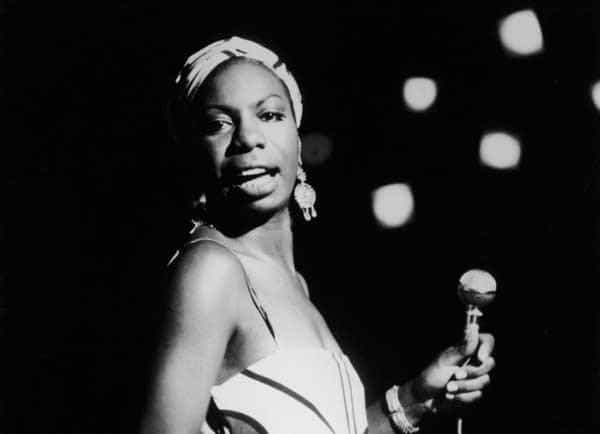
Nina Simone, the High Priestess of Soul, is a legend whose music transcends time and genres. With her unparalleled ability to blend jazz, blues, classical, gospel, and pop, Nina created a sound that was uniquely hers—a voice that spoke to the heart of humanity. Her songs are more than just music; they are powerful expressions of love, pain, resistance, and hope. Whether she was singing about social justice, heartbreak, or the beauty of life, Nina’s artistry captured the complexities of the human experience with unmatched depth.
In this article, we’ll take you on a journey through the ten most popular Nina Simone songs of all time—tracks that have cemented her legacy as one of the greatest musical icons in history. From anthems of resilience to haunting ballads, each of these songs showcases her genius and the emotional gravity of her artistry. Whether you’re a lifelong fan or someone discovering her magic for the first time, this list will remind you why Nina Simone remains a towering figure in music and culture. So, sit back, press play, and let the timeless voice of Nina Simone sweep you away into a world of passion, soul, and unforgettable melodies!
1. “Feeling Good” (1965)
“Feeling Good” is undeniably one of Nina Simone’s most iconic tracks, and for good reason. First released in 1965 on her album I Put a Spell on You, this song has become a timeless anthem of liberation, empowerment, and personal transformation. The lyrics, which paint vivid pictures of nature’s beauty—birds soaring through the sky and rivers running wild—are metaphors for breaking free from the shackles of oppression. With each note, Simone’s voice commands the listener’s attention, mixing strength with vulnerability in a way that few can replicate.
Simone’s powerful vocal delivery in “Feeling Good” is a standout feature. Her voice effortlessly soars through the soaring melody, delivering each lyric with intensity and passion. The orchestral arrangements that back her performance are equally captivating, with sweeping strings and brass that swell alongside her voice, building a sense of grandeur and freedom. The way she conveys joy and optimism in the face of adversity is nothing short of inspiring.
This track is also known for its sense of triumph—a celebration of both personal freedom and a broader sense of collective liberation. It resonates with anyone who has ever experienced a sense of liberation, whether it’s escaping from a difficult situation or simply finding joy in the beauty of life itself. “Feeling Good” has since been embraced in countless films, commercials, and performances, cementing its place in pop culture. It remains one of Nina Simone’s most enduring songs, a beacon of hope and strength that continues to inspire listeners around the world.
In short, “Feeling Good” is more than just a song—it’s a declaration of strength, a reminder that even in difficult times, there is a light at the end of the tunnel, and that we can find empowerment in our own journeys.
2. “I Put a Spell on You” (1965)
Nina Simone’s rendition of “I Put a Spell on You” is one of the most captivating and unforgettable versions of the song ever recorded. Originally written and performed by Screamin’ Jay Hawkins, Simone took this bluesy tune and transformed it into a sultry, emotionally charged ballad that showcases her ability to breathe new life into any song she touches. Released in 1965 on her album I Put a Spell on You, Simone’s interpretation stands as a testament to her artistry and unique vocal talent.
From the moment the song begins, Simone’s voice envelops the listener, seducing them with its deep, smoky texture. Her delivery is filled with yearning, passion, and vulnerability, creating a palpable sense of longing throughout the track. She effortlessly commands the emotional terrain of the song, pulling listeners into her world with every word she sings. The song’s orchestration complements her vocals perfectly—lush strings and a steady, subtle piano set the stage for her commanding voice to take center stage.
The lyrics, which originally told the tale of a man consumed by his love for a woman, take on a different tone under Simone’s interpretation. The way she sings, “I put a spell on you, because you’re mine,” imbues the words with a sense of power and desperation that is almost haunting. It’s clear that this is a woman who knows exactly what she wants and isn’t afraid to claim it.
“I Put a Spell on You” is an unforgettable performance that highlights Nina Simone’s ability to make every song her own. It’s a stunning display of both vocal technique and emotional depth, making it one of her most iconic tracks that continues to resonate with audiences to this day.
3. “Sinnerman” (1965)
“Sinnerman” is an extraordinary example of Nina Simone’s ability to take a traditional spiritual song and turn it into a modern masterpiece. First recorded on her 1965 album Pastel Blues, this 10-minute track is a powerful exploration of guilt, redemption, and divine judgment. Built around a relentless rhythm and a driving piano motif, “Sinnerman” showcases Simone’s unique blend of gospel, jazz, and blues influences.
From the opening bars, the song sets an intense and urgent tone, with Simone’s voice soaring over the rhythmic pulse of the piano. Her delivery is passionate and fervent, capturing the raw emotion of someone pleading for redemption. The song’s hypnotic rhythm mirrors the feeling of a sinner desperately searching for salvation, giving the listener an immersive experience that is both thrilling and cathartic. Simone’s vocal performance is nothing short of a tour de force, with her voice bending and stretching to match the dramatic intensity of the lyrics.
As the song progresses, it builds in energy and intensity, reflecting the sinner’s struggle and the tension between guilt and the desire for forgiveness. The repeated refrain of “Oh, Sinnerman, where you gonna run to?” creates a sense of urgency and inevitability, emphasizing the emotional and spiritual weight of the narrative. The climax of the song, with its dramatic instrumental break, is a moment of sheer musical brilliance, bringing the track to an electrifying crescendo.
“Sinnerman” is a powerful example of Nina Simone’s unparalleled ability to fuse genres and emotions into a single piece of music. It’s a song that demands attention, and its relentless energy and emotional depth make it one of her most unforgettable performances.
4. “My Baby Just Cares for Me” (1958)
“My Baby Just Cares for Me” is a delightful, playful track that showcases Nina Simone’s versatility as an artist. Originally recorded in 1958 for her debut album Little Girl Blue, the song is a jazz standard that highlights Simone’s charming and charismatic personality. It became an unexpected hit decades later, finding new life when it was featured in a 1980s perfume commercial, solidifying its place as one of Simone’s most beloved and enduring tracks.
The song’s infectious piano riff sets the stage for Simone’s playful vocal delivery. From the very first note, she exudes a sense of joy and fun, creating a lighthearted atmosphere that’s impossible to resist. The lyrics, which express a woman’s adoration for her partner, are simple yet sweet, and Simone’s interpretation brings them to life with her trademark warmth and wit. Her voice is playful yet tender, perfectly complementing the song’s upbeat, swinging rhythm.
While the song is undeniably cheerful, there’s also a subtle undercurrent of romantic devotion in Simone’s delivery. She sings about her partner’s love and attention, content in the knowledge that they care for her above all else. This sense of fulfillment and joy is what makes the song so charming—it’s a celebration of love, no matter how simple or unassuming it may be.
“My Baby Just Cares for Me” remains one of Nina Simone’s most iconic and enduring songs, thanks to its timeless appeal, joyful energy, and Simone’s impeccable vocal performance. It’s a perfect example of how she could take a simple jazz standard and make it her own, imbuing it with her unique voice and undeniable charm.
5. “I Loves You, Porgy” (1958)
Nina Simone’s interpretation of “I Loves You, Porgy” is one of the most poignant renditions of this classic song, originally written by George Gershwin for the opera Porgy and Bess. Recorded in 1958 for her debut album Little Girl Blue, Simone’s delicate piano playing and emotionally charged vocals breathe new life into the song, imbuing it with a tenderness and vulnerability that make it unforgettable.
The song tells the story of a woman’s deep and unconditional love for her partner, Porgy, and Simone’s vocal delivery perfectly captures the vulnerability and longing that comes with such a love. Her voice, soft and intimate, conveys a sense of tenderness, while the simplicity of the piano accompaniment creates a sense of intimacy, as if Simone is singing directly to the listener. The emotional depth of the song is amplified by Simone’s ability to convey both the joy and the sadness of love, creating a sense of emotional complexity that is difficult to ignore.
“I Loves You, Porgy” is a testament to Nina Simone’s ability to take a classic piece of music and reinterpret it through her own lens, making it uniquely her own. Her version of the song has become one of the definitive interpretations, praised for its emotional depth and breathtaking simplicity. It’s a beautiful, heartfelt tribute to love in all its forms, and Simone’s performance ensures that it remains one of the most powerful and enduring songs in her catalog.
6. “Mississippi Goddam” (1964)
“Mississippi Goddam” is one of Nina Simone’s most powerful protest songs, a searing critique of racial injustice and a fearless condemnation of the systemic racism that plagued the United States during the Civil Rights Movement. Written in response to the 1963 murder of Medgar Evers and the bombing of the 16th Street Baptist Church in Birmingham, Alabama, Simone’s 1964 rendition of the song stands as a bold and unapologetic statement of defiance.
The song’s upbeat tempo, with its jazzy piano riffs and fast-paced rhythm, creates a striking contrast to its biting, incendiary lyrics. Simone doesn’t mince words, boldly declaring, “Mississippi goddam,” with a sense of anger and frustration that is palpable. The song captures the heartbreak, rage, and determination of a generation fighting for justice, with Simone’s voice delivering each line with the fury and conviction of someone who has had enough.
“Mississippi Goddam” is a raw, emotional expression of Simone’s response to the violence and discrimination faced by Black Americans. The song’s upbeat sound, far from detracting from its message, serves to underscore the urgency and strength of Simone’s plea for justice. It’s a song that has become synonymous with the Civil Rights Movement, a powerful anthem of resistance that demands to be heard.
Even decades after its release, “Mississippi Goddam” remains a potent reminder of the fight for racial equality and the resilience of the human spirit. Simone’s fearless artistry and unwavering commitment to social justice have made this song an enduring symbol of activism and resistance.
7. “Don’t Let Me Be Misunderstood” (1964)
“Don’t Let Me Be Misunderstood” is one of Nina Simone’s most emotionally raw and heartfelt performances. Originally written for her and released in 1964 on the album Broadway-Blues-Ballads, the song conveys a deep sense of longing, vulnerability, and frustration. Simone’s interpretation turns what could have been a simple love song into a profound plea for understanding, making it one of her most moving and relatable tracks.
The opening chords set a melancholic tone, immediately drawing the listener into Simone’s world. Her voice, rich with emotion, captures the pain of someone who wants to be seen for who they truly are. She sings with a sense of urgency, as if trying to convince the world that beneath the surface, she is just like everyone else—flawed, emotional, and yearning for love. The lyrics, “I’m just a soul whose intentions are good, oh Lord, please don’t let me be misunderstood,” are deeply resonant, expressing the universal fear of being judged unfairly.
Musically, the song is a beautiful blend of blues, jazz, and soul, with a slow, simmering arrangement that perfectly complements Simone’s expressive vocals. The subtle yet powerful orchestration enhances the song’s emotional weight, making it a deeply immersive listening experience.
Though later popularized by The Animals as a rock anthem, Simone’s version remains the most poignant and soulful interpretation. Her performance is not just about a personal struggle—it speaks to anyone who has ever felt misrepresented, underestimated, or unseen. “Don’t Let Me Be Misunderstood” is a timeless reminder of the complexities of human emotions and the desire for compassion and understanding.
8. “To Be Young, Gifted and Black” (1970)
“To Be Young, Gifted and Black” is one of Nina Simone’s most uplifting and socially significant songs. Released in 1970, this powerful anthem was inspired by the life and work of Lorraine Hansberry, a close friend of Simone and the celebrated playwright of A Raisin in the Sun. The song was meant to inspire Black youth and encourage them to take pride in their identity, making it one of the most important songs of Simone’s career.
The song’s melody is warm and inviting, with a gospel-influenced arrangement that gives it a sense of communal strength. Simone’s vocals are full of passion, carrying both pride and hope as she sings of resilience and empowerment. The lyrics, “There’s a world waiting for you, yours is the quest that’s just begun,” serve as a call to action for young Black individuals to embrace their heritage and strive for greatness.
Beyond its musical beauty, “To Be Young, Gifted and Black” became a defining song of the Civil Rights Movement. It was an anthem for a generation fighting for equality, offering a sense of unity and encouragement in the face of adversity. The song’s impact extended far beyond Simone’s performance, with artists like Aretha Franklin and Donny Hathaway covering it, further cementing its legacy.
Decades later, the message of “To Be Young, Gifted and Black” remains just as relevant. It continues to inspire new generations, reminding them of their worth, their potential, and their place in history. It’s not just a song—it’s a statement of pride, resilience, and the unbreakable spirit of Black excellence.
9. “Ain’t Got No, I Got Life” (1968)
“Ain’t Got No, I Got Life” is one of Nina Simone’s most powerful declarations of resilience and self-worth. Taken from her 1968 album Nuff Said!, the song is a fusion of two tracks from the musical Hair, reworked into a singularly uplifting anthem that celebrates life’s simple joys despite hardships. It stands as a testament to Simone’s ability to transform existing material into something uniquely personal and deeply meaningful.
The song starts with a list of everything the singer lacks—money, job security, material possessions—but quickly shifts to what truly matters: her body, her freedom, and her identity. This contrast between lack and abundance creates a powerful emotional arc, turning despair into triumph. As the song progresses, Simone’s voice grows stronger and more determined, embodying the resilience and spirit of survival.
The driving rhythm and lively instrumentation give the song an infectious energy, making it impossible to listen to without feeling uplifted. Simone’s delivery is passionate and unfiltered, reinforcing the song’s central message: no matter what struggles one faces, there is always something to be grateful for. The song’s optimism and strength resonated deeply with audiences, particularly during the turbulent social and political climate of the late 1960s.
Over the years, “Ain’t Got No, I Got Life” has remained one of Simone’s most enduring tracks, frequently used in films and commercials as a symbol of empowerment and joy. It’s a song that reminds listeners to find happiness in what they have rather than dwell on what they lack, making it a timeless anthem of self-affirmation and gratitude.
10. “Four Women” (1966)
“Four Women” is one of Nina Simone’s most powerful and thought-provoking compositions. Released in 1966 on her album Wild Is the Wind, the song tells the stories of four Black women, each representing different aspects of the African American experience. With haunting lyrics and a slow, bluesy arrangement, Simone paints vivid portraits of these women, exploring themes of race, oppression, and identity in a way that is both deeply personal and universally resonant.
Each verse introduces a new woman, each with her own struggles and realities shaped by racism and societal expectations. The first, Aunt Sarah, is a strong yet weary woman who bears the physical and emotional scars of slavery. The second, Saffronia, is of mixed race, torn between two worlds and never fully accepted by either. The third, Sweet Thing, is a woman who uses her beauty and sexuality to navigate a harsh world. The final character, Peaches, is angry, fed up with injustice, and unafraid to voice her rage.
Simone’s vocal performance is mesmerizing, shifting in tone and emotion to match each character’s story. Her voice is filled with sorrow, frustration, defiance, and pain, making each verse more impactful than the last. The sparse instrumentation only amplifies the song’s raw power, allowing the lyrics and vocal delivery to take center stage.
“Four Women” was controversial upon its release, as its blunt exploration of race and gender challenged mainstream narratives. However, its importance and relevance have only grown over time. It remains one of Simone’s most profound works, a song that forces listeners to confront uncomfortable truths while honoring the strength and resilience of Black women. Its legacy endures, continuing to spark conversation and inspire new generations.

Edward Tomlin is a frequent contributor to Singers Room. Since 2005, Singersroom has been the voice of R&B around the world. Connect with us via social media below.









