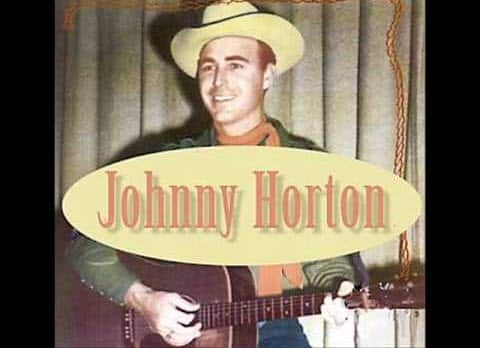
Johnny Horton, the legendary “Singing Fisherman,” remains a towering figure in country and rockabilly music. With his distinctive voice, infectious melodies, and knack for storytelling, Horton captured the imagination of countless fans around the world. Though his life was tragically cut short in 1960, his music continues to resonate with audiences of all ages. From toe-tapping honky-tonk hits to epic historical ballads, Johnny Horton’s songs are a testament to his remarkable talent and enduring appeal.
This article delves into the very best of Johnny Horton’s discography, exploring the top 10 most popular songs that define his legacy. Whether you’re a lifelong fan or new to his music, these tracks showcase his genius for blending heartfelt emotion with captivating narratives. From chart-topping classics like “The Battle of New Orleans” to soul-stirring gems like “North to Alaska,” these songs transport listeners to a world of adventure, love, and timeless Americana. So, grab your cowboy hat and get ready to journey through the unforgettable catalog of one of country music’s all-time greats. These songs are more than just music—they’re a celebration of Johnny Horton’s indomitable spirit and his profound impact on the world of entertainment.
1. The Battle of New Orleans (1959)
“The Battle of New Orleans,” released in 1959, stands as one of Johnny Horton’s most iconic tracks, capturing a significant moment in American history with infectious energy and humor. This lively song tells the story of the U.S. victory over British forces during the War of 1812, specifically focusing on the Battle of New Orleans. What sets this track apart is its blend of historical narrative and playful tone, with Horton’s spirited delivery making the storytelling come alive.
The catchy, upbeat banjo-driven melody contributes to the song’s charm, giving it a timeless, toe-tapping quality. Horton’s vocal performance is filled with gusto, effortlessly combining the bravado of a soldier’s tale with a wink at the absurdity of war. His comedic spin on the battle’s events, complete with quirky lyrics like “Old Hickory said we could take ‘em by surprise,” turns a moment of historical importance into a raucous celebration of American triumph.
Not only did the song become a commercial hit, climbing to #1 on the Billboard Hot 100, but it also earned Horton a Grammy for Best Country & Western Recording. Its success cemented Horton’s place in music history, as the song became a cultural phenomenon, influencing many future artists and evoking a sense of national pride. “The Battle of New Orleans” remains a perfect example of how music can blend history with entertainment, making an enduring impact on listeners and the pop culture of the era.
2. North to Alaska (1960)
Released in 1960, “North to Alaska” is an upbeat and adventurous anthem that paints a vivid picture of the Alaskan gold rush. Written as the theme song for the John Wayne film of the same name, the track captures the rugged frontier spirit and unyielding determination of those chasing their fortune in the harsh wilderness of Alaska. Horton’s deep, gravelly voice delivers the song with a sense of confidence and resilience, making it an instant classic in the genre of country and western music.
The song’s tempo is fast-paced and infectious, mirroring the excitement and dangers of the gold rush. Horton’s vocals are accompanied by a catchy melody and an upbeat rhythm that evoke the bustling energy of the time. The lyrics recount the story of a man heading to Alaska to find gold, and the song’s imagery conjures visions of the harsh, cold landscape and the thrilling promise of wealth.
Though it was originally tied to the John Wayne film, “North to Alaska” transcended its movie roots, becoming a fan favorite that captured the spirit of the American frontier. The song’s energy and determination resonate with anyone who’s ever dreamed of chasing a bold, adventurous life. As a result, it has remained a beloved tune for decades, with its enduring legacy cementing it as one of Horton’s signature songs.
3. Sink the Bismarck (1960)
“Sink the Bismarck,” released in 1960, is another of Johnny Horton’s legendary historical storytelling songs. This track takes listeners back to World War II, recounting the famous naval battle between the British Royal Navy and the German battleship Bismarck. With Horton’s dramatic vocal delivery and vivid imagery, the song captures the urgency and courage of the military conflict, turning a history lesson into an exhilarating musical adventure.
The song’s rousing rhythm, coupled with its stirring lyrics, reflects the intense action and patriotism surrounding the mission to sink the Bismarck. Horton’s voice is powerful and impassioned as he narrates the story of the British forces’ relentless pursuit of the mighty ship, driving home the theme of bravery and national pride. The song’s musical arrangement is bold and commanding, with marching rhythms and brass instrumentation that create a sense of urgency and tension, perfectly complementing the high-stakes nature of the story.
Although the song didn’t achieve the same level of commercial success as some of Horton’s other tracks, it remains a powerful piece of musical history, showcasing his ability to transform historical events into compelling narratives. “Sink the Bismarck” is a perfect example of Horton’s skill as a storyteller, turning the tale of a naval battle into a thrilling and patriotic anthem that resonates with listeners to this day.
4. Honky-Tonk Man (1956)
“Honky-Tonk Man,” released in 1956, is one of Johnny Horton’s early hits and a classic example of his ability to blend honky-tonk, country, and rockabilly styles. This lively tune, which captures the spirit of the honky-tonk lifestyle, tells the story of a man who enjoys the nightlife and the chaos that comes with it. From its swinging beat to its catchy chorus, “Honky-Tonk Man” is the kind of song that immediately gets your feet tapping and your head nodding.
The song’s lyrics are simple but effective, telling the tale of a man who’s part of the honky-tonk scene, always on the move, chasing after the next bar or dancehall. Horton’s vocals, which are raw and energetic, perfectly match the song’s carefree spirit. His delivery adds a layer of authenticity to the character of the “honky-tonk man,” making the song both relatable and fun.
What stands out about this track is Horton’s versatility as an artist. While he’s known for his historical songs, “Honky-Tonk Man” showcases his ability to seamlessly merge storytelling with high-energy, fun music. The track’s success helped solidify Horton’s place in the country music scene and set the stage for the many hits to come in his career. Its infectious energy and catchy melody have ensured its lasting place in the country music canon.
5. Whispering Pines (1959)
“Whispering Pines,” released in 1959, is a stark departure from Johnny Horton’s usual upbeat and energetic tracks. This heartfelt ballad is filled with deep emotion and nostalgia, showcasing a softer, more vulnerable side of Horton’s artistry. The song’s gentle melody and mournful tone tell the story of someone grieving the loss of a loved one, longing for the comforting embrace of the past.
Horton’s vocal performance is tender and sincere, delivering the lyrics with a sense of aching vulnerability. His voice perfectly matches the melancholy nature of the song, making it one of his most emotionally resonant tracks. The lyrics, paired with the haunting musical arrangement, evoke feelings of loss and longing, offering a quiet yet powerful expression of heartache.
Unlike many of his more well-known, upbeat hits, “Whispering Pines” doesn’t rely on humor or storytelling. Instead, it taps into the universal emotion of longing for someone who is no longer there. The song’s emotional depth is part of what has made it a beloved track among Horton’s fans, demonstrating his ability to convey complex emotions through simple but poignant lyrics. It remains one of his most enduring songs, a testament to his versatility as an artist and his capacity to touch the hearts of listeners.
6. When It’s Springtime in Alaska (It’s Forty Below) (1959)
Released in 1959, “When It’s Springtime in Alaska (It’s Forty Below)” is a charming and humorous track that blends romance with a quirky twist. The song tells the story of a man who falls for a beautiful woman in the frozen, unforgiving landscape of Alaska, only to discover she’s already married. The clever lyrics and waltz-like rhythm create a delightful contrast between the cold, harsh environment of Alaska and the warmth of the emotional narrative.
Johnny Horton’s voice shines through with both wit and warmth, effortlessly capturing the humor and heartbreak of the situation. His performance is full of personality, and the playful tone of the song makes it stand out in his catalog. The waltz-inspired melody adds to the whimsical feeling, making it a track that’s both fun and lighthearted.
The song’s cleverness lies in its ability to balance the cold, desolate setting with the romantic intrigue of the storyline. While it’s clear the protagonist is smitten, the reality of his romantic pursuit is hilariously thwarted by the frigid weather and the woman’s marital status. Horton’s ability to inject humor into a situation like this speaks to his charm as a storyteller, turning what could be a simple tale of unrequited love into a comedic and memorable piece of music.
“When It’s Springtime in Alaska” became a hit because of its combination of relatable emotions, catchy melody, and Horton’s skillful narrative delivery. It’s a perfect example of how Horton could take seemingly ordinary experiences and turn them into something special, all while capturing the listener’s imagination.
7. Johnny Reb (1959)
“Johnny Reb,” released in 1959, is a powerful tribute to the Confederate soldiers of the American Civil War. With its martial rhythm and stirring lyrics, the song tells the story of the South’s brave soldiers, who fought valiantly in the face of adversity. The song is a tribute to their courage, loyalty, and sacrifice, capturing the sense of honor and pride that many felt for their cause.
Horton’s commanding vocal delivery adds weight to the song, evoking a deep respect for the men who fought in the war. The song’s instrumental arrangement, with its driving beat and patriotic undertones, helps to elevate the song’s emotional intensity. Through Horton’s voice, the listener is transported to the battlefields, where Johnny Reb represents the heart and soul of the South’s military forces.
Although the song’s subject matter remains controversial due to its glorification of the Confederacy, there’s no denying the vivid imagery and historical depth that it offers. The song paints a picture of bravery in the face of overwhelming odds, making it a compelling piece of storytelling. While “Johnny Reb” may evoke mixed emotions today, it remains an unforgettable song that has left its mark on the history of country music.
The song’s ability to connect emotionally with its audience, despite the complex and sensitive subject, showcases Horton’s skill in tackling challenging topics through song. “Johnny Reb” continues to be a track that sparks conversation and remains a significant part of Horton’s musical legacy.
8. I’m Coming Home (1957)
Released in 1957, “I’m Coming Home” is an upbeat rockabilly track that is pure joy from start to finish. The song expresses the excitement and anticipation of reuniting with a loved one, and Johnny Horton’s energetic vocals capture the thrill of coming back home after being apart for a while. The fast-paced rhythm and lively instrumentation make this a feel-good anthem for anyone who’s ever looked forward to seeing someone special.
The lyrics are simple, yet effective, telling the story of a man who can’t wait to return to his hometown and his loved ones. Horton’s voice is full of enthusiasm, and the song’s upbeat tempo only adds to the feeling of excitement. The playful, rockabilly sound gives the song a timeless quality, making it a standout track in Horton’s repertoire.
What makes “I’m Coming Home” so memorable is its universal theme of longing and happiness. Almost everyone can relate to the feeling of looking forward to returning home, and the song perfectly encapsulates that emotion. The track’s catchy chorus and infectious rhythm have made it a favorite among Horton’s fans, and it remains one of his most celebrated songs.
As one of Horton’s earlier hits, “I’m Coming Home” helped to establish his signature sound, blending country, rockabilly, and folk influences. The track captures the spirit of the era while offering a timeless message of love, homecoming, and anticipation.
9. Comanche (The Brave Horse) (1961)
“Comanche (The Brave Horse),” released posthumously in 1961, is a heartfelt ballad that honors the lone survivor of the Battle of Little Bighorn, Comanche the horse. This somber and respectful tribute showcases Johnny Horton’s gift for storytelling, turning a historical event into a poignant and emotional song.
Horton’s vocal delivery in “Comanche” is calm and reverent, adding a layer of respect and admiration for the horse’s bravery. The gentle melody underscores the solemnity of the story, allowing the lyrics to take center stage. The song tells the tale of Comanche, who was the only survivor of General George Custer’s Last Stand, and it highlights the horse’s role in the historical battle, making it a unique and powerful tribute.
The song’s simplicity is its strength, as it focuses on the horse’s courage and the deep bond between animals and humans. Horton’s soft yet steady voice conveys the sadness and respect that the song demands, making it a touching tribute to the bravery of both the horse and the soldiers involved in the battle. The song’s reflective nature also serves as a reminder of the many forgotten heroes of history.
“Comanche (The Brave Horse)” may not have received the same level of commercial success as some of Horton’s other hits, but its emotional weight and unique subject matter have made it a beloved track for fans. It remains one of the standout songs in Horton’s catalog, showcasing his ability to tell compelling, heartfelt stories through music.
10. All Grown Up (1957)
“All Grown Up,” released in 1957, is a bittersweet track that reflects on the passage of time and the loss of youthful innocence. The song’s gentle melody and introspective lyrics create a nostalgic atmosphere, inviting listeners to reflect on the inevitability of growing up. Johnny Horton’s voice is soft and reflective, giving the song a tender, almost melancholic quality.
The lyrics focus on the emotional journey of growing up, touching on themes of change and loss as childhood fades into the adult world. The song is both a celebration and a lament for the joys and simplicity of youth, and Horton’s delivery perfectly captures this duality. It’s a track that resonates with anyone who has looked back on their life with a sense of longing for simpler times.
“All Grown Up” stands out in Horton’s catalog for its more reflective tone, offering a softer side to his usual upbeat, narrative-driven songs. The song’s gentle rhythm and nostalgic lyrics make it an enduring favorite, especially for those who appreciate music that taps into universal emotions. It’s a perfect example of Horton’s ability to balance his high-energy tracks with more contemplative moments, showcasing his versatility as an artist.
Though it wasn’t a massive commercial hit, “All Grown Up” remains a beloved gem in Horton’s discography. It’s a reminder of the fleeting nature of time and the inevitability of change, themes that resonate deeply with listeners of all ages.

Edward Tomlin is a frequent contributor to Singers Room. Since 2005, Singersroom has been the voice of R&B around the world. Connect with us via social media below.









