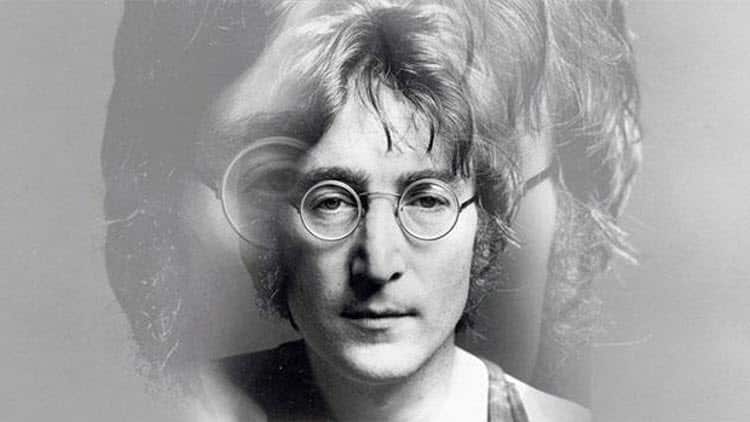
Few names in music history resonate as powerfully as John Lennon. A visionary artist, Lennon’s words and melodies have transcended time, capturing the spirit of generations and inspiring millions to dream, love, and imagine a better world. From his groundbreaking work with The Beatles to his iconic solo career, Lennon’s genius continues to shine, weaving together raw emotion, social commentary, and poetic brilliance. His songs aren’t just music—they’re anthems of hope, rebellion, and humanity.
In this article, we’re diving into the top 10 most popular John Lennon songs of all time, celebrating the tracks that have defined his unparalleled legacy. Whether it’s the haunting beauty of Imagine, the heartfelt vulnerability of Jealous Guy, or the electrifying energy of Instant Karma!, these songs have stood the test of time, becoming cultural touchstones for fans across the globe. Each track is a masterpiece in its own right, offering a glimpse into Lennon’s soul and his boundless creativity.
So, join us as we revisit these unforgettable classics, exploring the stories behind them and the reasons they continue to captivate audiences decades later. Get ready to rediscover the magic of John Lennon—one timeless song at a time!
1. Imagine (1971)
One of John Lennon’s most iconic songs, “Imagine” was released in 1971 and quickly became a global anthem for peace and unity. The song opens with a hauntingly simple piano melody that sets the tone for a deeply reflective and hopeful track. With its poetic lyrics, Lennon invites listeners to imagine a world without divisions, conflict, or barriers between people, a message that continues to resonate around the world. His soft, introspective vocal delivery adds to the dreamlike quality of the track, reinforcing the song’s message of peace and harmony. Written during a time of significant political unrest, “Imagine” speaks to the idealistic hope for a better, more compassionate world. It encourages listeners to reflect on their own roles in shaping the world around them, emphasizing unity and collective responsibility. More than just a song, “Imagine” is a call to action, urging us to actively work towards peace and understanding in our own lives. The timeless nature of this track is one of its most powerful features—while it was written over 50 years ago, its message is as relevant today as it was when it was first penned. From its hopeful lyrics to the quiet beauty of the melody, “Imagine” stands as a testament to John Lennon’s ability to create art that transcends time, speaking to generations of listeners who continue to find inspiration in its message.
2. Instant Karma! (We All Shine On) (1970)
Released in 1970, “Instant Karma!” is a high-energy, upbeat anthem that became one of John Lennon’s most celebrated solo hits. What makes this song stand out is its raw, driving energy—recorded in a single day, it captures the urgency and excitement of a song that is both philosophical and pop-friendly. With an infectious chorus and a hard-driving beat, the song encourages listeners to consider the immediate consequences of their actions. Lennon’s message is clear: “We all shine on” if we embrace our shared responsibility to make the world a better place, and there’s no waiting around for change—it starts right now. The song is musically dynamic, blending rock and roll with a bit of soul and gospel energy, especially with the power-packed backing vocals that urge you to sing along. Lennon’s vocal delivery is filled with urgency, perfectly matching the theme of the song. “Instant Karma!” is a reminder that the energy we put out into the world returns to us, for better or worse. Its simple but profound message has made it a classic. Despite being one of his quicker releases, “Instant Karma!” encapsulates much of Lennon’s worldview in a brief but powerful piece of music. This song serves as a timeless reminder to live intentionally and understand that our actions have immediate repercussions.
3. Jealous Guy (1971)
Originally conceived during The Beatles’ White Album sessions, “Jealous Guy” was released in 1971 as part of Lennon’s Imagine album. It’s a deeply personal and introspective song that stands as one of Lennon’s most emotionally vulnerable tracks. The lyrics reflect feelings of insecurity and regret, with Lennon admitting to his jealousy and imperfections in relationships. With a lush arrangement that includes strings and gentle piano, “Jealous Guy” creates a haunting, reflective atmosphere that perfectly complements the tender and regretful nature of the lyrics. Lennon’s vocal performance is intimate and raw, capturing the complexity of human emotion with stunning authenticity. The song is an exploration of vulnerability and the emotional turbulence that can arise in love and relationships. It speaks to the universality of feeling insecure and protective over those we care about, making it an enduring song for many who can relate to its themes. “Jealous Guy” is also an introspective look at Lennon’s own experiences, acknowledging the challenges of his past while expressing remorse and longing. The music complements the mood of the lyrics perfectly, with its soft strings and melancholy piano, giving the song an emotional depth that resonates with listeners on a personal level. For many fans, “Jealous Guy” is one of Lennon’s most beloved songs, due to its emotional sincerity and vulnerability.
4. Give Peace a Chance (1969)
“Give Peace a Chance” was written during one of John Lennon and Yoko Ono’s most public moments—their “Bed-In for Peace” in 1969. The song became an instant rallying cry for the peace movement, with its catchy, chant-like structure making it easy for crowds to sing along. The lyrics are simple yet deeply impactful, with the recurring phrase “Give peace a chance” serving as a hopeful plea for the end of conflict. The song captured the mood of a generation that was disillusioned by the ongoing Vietnam War and other global tensions, and it became one of the defining songs of the anti-war movement. The minimalist instrumentation, mostly made up of acoustic guitar and a steady drumbeat, allows Lennon’s voice to take center stage, delivering the message with both sincerity and urgency. The song’s simplicity and repetition also make it universally accessible, as anyone can join in and lend their voice to the call for peace. “Give Peace a Chance” became an anthem for those who wanted to see a world without war, a world where love and understanding could triumph over violence. It was a pivotal moment in Lennon’s career, not just as a musician, but as a political activist. Today, the song remains a powerful and relevant plea for peace, with its message echoing across generations who continue to fight for a world of harmony.
5. Happy Xmas (War Is Over) (1971)
Released in late 1971, “Happy Xmas (War Is Over)” combines the warmth of a holiday carol with a powerful anti-war message. Written by Lennon and his wife Yoko Ono, the song features the Harlem Community Choir and delivers a heartfelt call for peace and reflection. The juxtaposition of the holiday spirit with the urgent plea for peace gives the song a unique emotional depth, making it a standout piece of music. The repeated refrain “War is over, if you want it” is both a reminder and a call to action—while it may seem simple, it challenges listeners to take responsibility for the world they want to create. The song is both a celebration of the Christmas season and a reminder that the fight for peace should continue year-round. Its inclusion of the choir adds a communal feeling, bringing together a sense of collective responsibility. “Happy Xmas (War Is Over)” remains a timeless favorite during the holiday season, and its anti-war message continues to inspire reflection during the festive time of year. While the song was initially a direct protest against the Vietnam War, its universal message of peace transcends any specific conflict, making it a song that continues to resonate with people of all ages. The combination of festive cheer and serious activism makes “Happy Xmas (War Is Over)” a powerful and emotional song that remains an essential part of Lennon’s legacy.
6. Woman (1981)
“Woman,” released in 1981, stands as a poignant tribute to Yoko Ono, John Lennon’s partner in both life and art. The song was released as a single from his Double Fantasy album, a record that marked Lennon’s return to music after a five-year hiatus. Described by Lennon as a “grown-up version of Girl,” “Woman” is a tender, soulful ballad that celebrates love, partnership, and gratitude. The song’s gentle melody and lush instrumentation complement Lennon’s heartfelt delivery, which conveys a deep sense of affection and admiration for Ono. The lyrics reflect on the beauty and complexity of their relationship, expressing both the challenges and rewards that come with love. “Woman” feels both personal and universal—while it is clearly a dedication to Yoko, its message resonates with anyone who has experienced deep love and commitment. Lennon’s voice, filled with warmth and sincerity, makes this track incredibly emotional, drawing listeners into the intimate nature of the song. The music is tender yet powerful, with soft piano chords and subtle percussion creating an intimate atmosphere that underscores the message of the lyrics. “Woman” is a beautiful expression of Lennon’s feelings for Ono, and it stands as one of the most touching and emotional songs in his catalog. In the context of his tragic death just weeks after the album’s release, “Woman” became even more poignant, serving as a lasting testament to the love he shared with Yoko.
7. (Just Like) Starting Over (1980)
“(Just Like) Starting Over” was released in 1980 as the lead single from John Lennon’s Double Fantasy album, marking his return to music after a five-year hiatus. The song blends a nostalgic, rock-and-roll feel with an uplifting message of renewal and hope. With its catchy melody and upbeat rhythm, the track echoes the optimism Lennon felt as he entered a new chapter of his life, both personally and professionally. The song’s lyrics reflect a sense of fresh beginnings, urging listeners to embrace the present moment and let go of past struggles. The style of the song pays homage to the 1950s rock-and-roll era, with a throwback to the early days of rock while still maintaining a modern edge. The infectious chorus, paired with its upbeat instrumentation, creates a celebratory atmosphere, making it an anthem for new beginnings. At the time of its release, Lennon was rediscovering the joy of making music and rekindling his personal relationships, particularly with his wife, Yoko Ono. Tragically, the song’s release was overshadowed by Lennon’s untimely death later that year, which imbued the track with a bittersweet poignancy. In retrospect, “(Just Like) Starting Over” feels like a poignant farewell, as Lennon expresses his excitement about the future just before his life was tragically cut short. The song’s message of hope and new beginnings continues to resonate with listeners, making it a timeless piece in Lennon’s catalog. The track stands as a celebration of second chances and the possibilities that lie ahead, even when the future seems uncertain.
8. Working Class Hero (1970)
“Working Class Hero” is one of John Lennon’s most powerful and unapologetically raw songs. Released in 1970 as part of his debut solo album John Lennon/Plastic Ono Band, the track offers a stark critique of societal structures, class systems, and the emotional toll of conformity. With its minimalist arrangement—just Lennon’s raw vocals and an acoustic guitar—the song carries an intensity that makes it deeply impactful. The lyrics expose the psychological and emotional scars caused by the expectations placed on individuals, particularly those born into the working class, and the system that keeps them in their place. Lennon’s voice is filled with raw emotion, delivering each line with a sense of frustration and anger at the injustices he sees in society. “Working Class Hero” is not just a song, but a protest, urging listeners to recognize the emotional toll of living in a system that values conformity over individuality. Its minimalist sound draws attention to the power of the message rather than the music, giving the song a rawness and urgency that make it all the more powerful. The song remains one of Lennon’s most political and thought-provoking works, serving as a critique of both the political system and the societal structures that perpetuate inequality. “Working Class Hero” stands as an anthem for anyone who has ever felt oppressed by societal expectations, and its message continues to resonate with those who are fighting for equality and justice.
9. Mind Games (1973)
Released in 1973 as the title track of his album Mind Games, this song finds John Lennon exploring the themes of love, spirituality, and personal growth. It is a reflection of Lennon’s evolving worldview, showcasing a more introspective and philosophical side of the artist. The song opens with a dreamy, mellow keyboard melody, which sets the tone for the introspective lyrics that follow. With its lush production and soaring chorus, Mind Games is both uplifting and thought-provoking. The track speaks to the complexities of love, encouraging listeners to be open to new experiences and perspectives while embracing the power of inner peace. The lyrics convey a sense of hope and possibility, inviting listeners to consider the power of the mind to shape one’s reality. The repeated refrain “Mind games are over” suggests that, in the pursuit of personal growth and peace, one must let go of old mental patterns and embrace a more open, compassionate outlook on life. The song’s production, which includes rich instrumentation and layers of sound, adds to the sense of spiritual elevation that the lyrics evoke. “Mind Games” is one of Lennon’s most thoughtful and expansive songs, offering both a meditation on the power of love and the potential for personal transformation. Its production, combined with its message of hope and optimism, makes it a standout track in Lennon’s solo career, appealing to listeners who seek deeper meaning and a more enlightened way of living.
10. Watching the Wheels (1981)
“Watching the Wheels” was featured on Double Fantasy and released posthumously as a single in 1981, just months after John Lennon’s tragic death. The song is deeply reflective, as it addresses Lennon’s decision to step away from the limelight and focus on his family and personal life. In the lyrics, Lennon reflects on the years he spent away from the music industry, describing the joy and fulfillment he found in living a quieter, more peaceful life. The song’s relaxed, laid-back tone, combined with its poignant lyrics, provides a sense of contentment and satisfaction. There is no longing for fame or the past—Lennon had found peace in his personal life and was content simply “watching the wheels go round and round.” His voice, calm and introspective, adds to the song’s sense of tranquility, making it feel like a thoughtful meditation on the passage of time and the value of introspection. The song’s gentle melody and subtle instrumentation reflect this sense of inner peace, with soft piano chords and light percussion creating a serene backdrop for Lennon’s vocals. “Watching the Wheels” stands as a fitting farewell to Lennon’s fans, as it reflects his contentment with the life he had chosen, one that centered on love, family, and personal growth. The song feels like a final message from Lennon, offering a sense of closure and peace. In the wake of his untimely death, “Watching the Wheels” takes on a bittersweet significance, as it captures the artist in a state of quiet happiness just before his life was tragically cut short.

Edward Tomlin is a frequent contributor to Singers Room. Since 2005, Singersroom has been the voice of R&B around the world. Connect with us via social media below.









