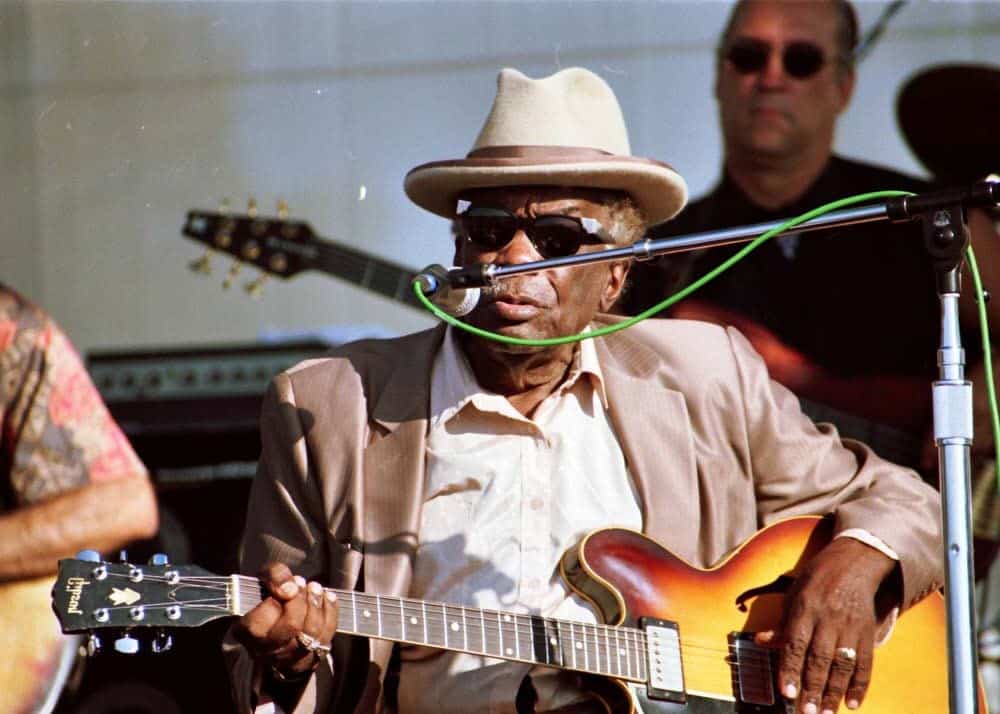
Few artists have shaped the landscape of blues music like the legendary John Lee Hooker. With his gravelly voice, hypnotic rhythms, and raw, emotive storytelling, Hooker became a towering figure whose influence transcends genres and generations. Known as the “King of the Boogie,” Hooker’s music resonates with an authenticity that speaks directly to the soul, capturing the struggles, triumphs, and passions of life. From smoky juke joints to global stages, his unique style has inspired countless musicians and earned him a permanent place in music history.
In this article, we take a deep dive into the top 10 most popular John Lee Hooker songs of all time—tracks that not only define his illustrious career but also serve as anthems of the blues genre itself. Whether you’re a longtime fan or a newcomer looking to explore his timeless sound, this list is a journey through Hooker’s signature grooves, haunting lyrics, and unforgettable melodies. Get ready to stomp your feet, nod your head, and lose yourself in the unmistakable magic of John Lee Hooker’s music. From “Boom Boom” to “One Bourbon, One Scotch, One Beer,” these classics are sure to leave you spellbound!
1. “Boogie Chillen'” (1948)
John Lee Hooker’s “Boogie Chillen’” isn’t just a blues song—it’s a revolution. Released in 1948, this track introduced Hooker’s raw, hypnotic boogie style to the world, laying the foundation for generations of blues and rock musicians to come. The song features a simple yet infectious guitar riff, a foot-stomping rhythm, and Hooker’s unmistakable, half-sung, half-spoken vocal delivery. Unlike the structured, 12-bar blues format popular at the time, “Boogie Chillen’” is loose and free-flowing, driven by Hooker’s storytelling rather than traditional chord progressions.
The lyrics tell the story of a young man discovering the electric energy of Detroit’s music scene, where the blues wasn’t just a genre—it was a way of life. There’s a sense of rebellion in Hooker’s words, reflecting the post-war migration of African Americans from the rural South to industrial cities, where the blues took on a harder, grittier edge. The song’s minimal instrumentation only adds to its power, making the listener feel as if they’re sitting in a smoky bar, watching Hooker stomp his foot and play straight from the soul.
“Boogie Chillen’” became an unexpected hit, reaching number one on the R&B charts and establishing Hooker as a major force in blues music. Decades later, its influence can still be heard in rock and roll, from the Rolling Stones to ZZ Top.
2. “Hobo Blues” (1949)
“Hobo Blues” is one of John Lee Hooker’s most hauntingly beautiful songs, a stripped-down blues number that captures the loneliness and wandering spirit of a man with no place to call home. Released in 1949, the song is deeply autobiographical, drawing from Hooker’s own experiences of traveling and working odd jobs during his youth. The lyrics, delivered in Hooker’s signature conversational style, paint a picture of a restless soul drifting from town to town, longing for something just out of reach.
Musically, “Hobo Blues” is a perfect example of Hooker’s ability to create an entire world with just his voice and guitar. The song’s slow, droning rhythm mimics the rhythmic clatter of a train on the tracks, reinforcing the themes of movement and uncertainty. Hooker’s guitar work is deceptively simple yet incredibly expressive, punctuating his words with licks that feel as if they’re sighing along with him.
While many blues songs explore themes of love and heartbreak, “Hobo Blues” stands out for its existential sadness—the feeling of being untethered, of living life on the margins. It resonated deeply with audiences, particularly those who had lived similar hardships. Over the years, the song has been covered by numerous artists, but no version captures the stark, lonely beauty of Hooker’s original recording.
3. “Crawlin’ King Snake” (1949)
A blues standard with roots that stretch back to the early 20th century, “Crawlin’ King Snake” found new life in John Lee Hooker’s hands. Recorded in 1949, Hooker’s version of the song is primal, hypnotic, and oozing with a raw, slithering intensity that perfectly matches its title. With just his voice, guitar, and stomping foot, Hooker transforms this traditional blues tune into something darkly seductive.
The lyrics, full of double entendres, depict the narrator as a “king snake” creeping into his lover’s space, an image that carries both danger and allure. Hooker’s deep, growling vocals make every word feel like a warning—or a promise. His unique approach to rhythm and timing, slightly offbeat yet perfectly in sync with his playing, adds to the song’s slinky, unpredictable feel.
Hooker’s take on “Crawlin’ King Snake” became one of the definitive versions, influencing blues and rock musicians for decades to come. The song has since been covered by legends like The Doors and The Black Keys, but none capture the sheer rawness of Hooker’s stripped-down original.
4. “I’m in the Mood” (1951)
John Lee Hooker’s “I’m in the Mood,” released in 1951, is a slow-burning blues masterpiece that captures the essence of desire and anticipation. Unlike many of Hooker’s more rhythmic, stomping boogie tracks, this song is smooth and understated, driven by an intimate vocal delivery and a pulsating, hypnotic guitar line. The minimalistic arrangement—just Hooker’s voice and his electric guitar—creates an almost meditative atmosphere, pulling the listener into the depths of the blues.
One of the song’s standout features is its call-and-response structure, where Hooker’s vocals alternate between a deep, conversational tone and a softer, almost whispered echo. This dual-layered vocal technique adds to the song’s sensual quality, making it feel like a private confession. The lyrics themselves are simple yet evocative, expressing a mood that needs no embellishment—just pure feeling.
“I’m in the Mood” became one of Hooker’s most commercially successful singles, reaching the top of the R&B charts. The song’s haunting groove and sultry tone have led to numerous covers, but none capture the raw intimacy of Hooker’s original version. It remains a standout in his catalog, showcasing his ability to strip a song down to its emotional core while still making it feel rich and full of life.
5. “Dimples” (1956)
“Dimples,” released in 1956, is one of John Lee Hooker’s most playful and infectious tracks. With its bouncy rhythm, catchy hook, and flirtatious lyrics, the song presents a lighter side of Hooker’s blues repertoire. Unlike some of his darker, more brooding songs, “Dimples” is all about charm and swagger, built around a hypnotic guitar riff that makes it impossible to sit still.
The lyrics center on Hooker’s fascination with a woman’s dimples—those small, seemingly insignificant details that can captivate someone completely. His delivery is full of confidence, giving the song an air of effortless cool. This was blues music with a strut, a song that made you want to tap your feet and nod your head.
“Dimples” became one of Hooker’s first hits in the UK, solidifying his influence on the emerging British blues and rock scene. The song was later covered by artists like The Animals and Eric Clapton, proving its enduring appeal. Even decades later, it remains one of Hooker’s most beloved and recognizable songs, a testament to his ability to make the blues feel joyful, fun, and undeniably cool.
6. “Boom Boom” (1961)
If there’s one John Lee Hooker song that has transcended generations and genres, it’s “Boom Boom.” Released in 1961, this electrifying track took Hooker’s blues roots and infused them with a radio-friendly, danceable groove. The result? One of the most recognizable and enduring blues songs of all time.
Hooker wrote “Boom Boom” while playing at a club in Detroit, inspired by the playful banter between him and the bartender, who would often tell him he was late to his own shows. The phrase “Boom Boom, you late again!” eventually became the foundation of the song’s unforgettable hook. The lyrics are simple but packed with attitude, with Hooker confidently declaring his intentions to impress a woman.
Musically, “Boom Boom” is driven by a tight, rhythmic guitar riff and a stomping beat that makes it instantly infectious. It’s blues, but with a groove that feels fresh and energetic. The song became a crossover hit, climbing the R&B charts and later being embraced by the rock world. It was famously covered by The Animals in the 1960s, and its riff has been borrowed by countless rock and blues musicians ever since.
Decades later, “Boom Boom” is still a staple in blues and rock playlists, proof that John Lee Hooker’s influence knows no boundaries.
7. “One Bourbon, One Scotch, One Beer” (1966)
“One Bourbon, One Scotch, One Beer” is the ultimate blues drinking song, telling a story of heartbreak, hard times, and drowning sorrows in a bar. Released in 1966, Hooker’s version is gritty, raw, and steeped in the kind of real-life experience that makes the blues so powerful.
The song follows a classic blues narrative—a man struggling with money and love turns to alcohol for comfort. Hooker’s delivery is both laid-back and full of world-weary wisdom, making you feel like you’re right there with him, sitting at the bar and listening to his troubles. His guitar work is deceptively simple, creating a steady, rolling groove that keeps the song moving forward like a slow, deliberate stumble home.
While Hooker’s version is iconic, “One Bourbon, One Scotch, One Beer” gained even more fame when George Thorogood covered it in 1977, turning it into a rock anthem. Despite Thorogood’s high-energy reinterpretation, Hooker’s original remains unmatched in its raw authenticity. It’s not just a song about drinking—it’s about life’s hardships, the struggle to keep going, and the small comforts we find along the way.
8. “It Serves You Right to Suffer” (1966)
“It Serves You Right to Suffer” is one of John Lee Hooker’s most haunting and emotionally intense recordings. Released in 1966, this slow, brooding blues track captures the raw pain of betrayal and heartbreak. With its ominous guitar lines and moody atmosphere, it’s a song that lingers long after it ends.
Hooker’s vocals on this track are some of his most expressive—he doesn’t just sing the blues, he embodies them. His delivery is full of restrained anger and deep sorrow, as if he’s barely holding back the weight of his emotions. The lyrics are simple but cutting, telling a tale of someone who has done wrong and is now facing the consequences.
The instrumentation is sparse but powerful, with Hooker’s signature guitar work leading the way. Every note feels deliberate, stretching out with a hypnotic, slow-burning intensity. Unlike many of his earlier recordings, this song features a full band arrangement, giving it a richer, jazz-influenced sound.
Over the years, “It Serves You Right to Suffer” has become a favorite among blues purists, admired for its emotional depth and masterful musicianship. It’s proof that sometimes, the slowest blues cuts the deepest.
9. “The Healer” (1989)
By the late 1980s, John Lee Hooker was already a blues legend, but The Healer (1989) marked a major resurgence in his career. The album’s title track, “The Healer,” is a mesmerizing blend of traditional blues and modern influences, proving that Hooker’s music could evolve while staying true to its roots. Featuring a collaboration with Carlos Santana, the song introduces a hypnotic fusion of blues and Latin-infused rock, creating an ethereal, almost mystical listening experience.
Hooker’s deep, gravelly voice carries a profound sense of wisdom, delivering lyrics that speak of music’s power to soothe and heal the soul. Unlike the raw, stripped-down blues he was known for, “The Healer” has a layered, atmospheric production that gives it a timeless quality. Santana’s signature guitar work weaves seamlessly with Hooker’s unmistakable groove, creating a sound that feels both fresh and deeply rooted in tradition.
The song’s release revitalized Hooker’s career, introducing him to a new generation of listeners. The Healer album won a Grammy, and its success led to a string of high-profile collaborations with artists like Bonnie Raitt, Van Morrison, and Eric Clapton. More than just a great blues track, “The Healer” is a testament to the enduring power of music and Hooker’s lasting influence.
10. “I Need Some Money” (1959)
John Lee Hooker’s “I Need Some Money,” released in 1959, is a gritty, no-nonsense blues anthem that speaks to a universal struggle: financial hardship. The song is built on a hypnotic, driving rhythm that mirrors the relentless cycle of working just to get by. Hooker’s stripped-down guitar work is as raw as ever, giving the track an urgency that makes it impossible to ignore.
The lyrics are direct and relatable—Hooker doesn’t sugarcoat his frustrations. “I need some money, I need it bad,” he sings with a sense of desperation and determination. It’s a simple statement, but one that resonates deeply with anyone who’s ever felt the weight of financial stress. Unlike some of his other blues songs that focus on love, heartbreak, or desire, “I Need Some Money” is grounded in everyday reality, making it one of his most down-to-earth and accessible tracks.
Despite its somber theme, the song carries a certain swagger, as if Hooker knows he’ll find a way to get by. It’s this mix of hardship and resilience that makes “I Need Some Money” such a classic. The song later influenced countless artists, reinforcing Hooker’s reputation as a master of blues storytelling.

Edward Tomlin is a frequent contributor to Singers Room. Since 2005, Singersroom has been the voice of R&B around the world. Connect with us via social media below.









