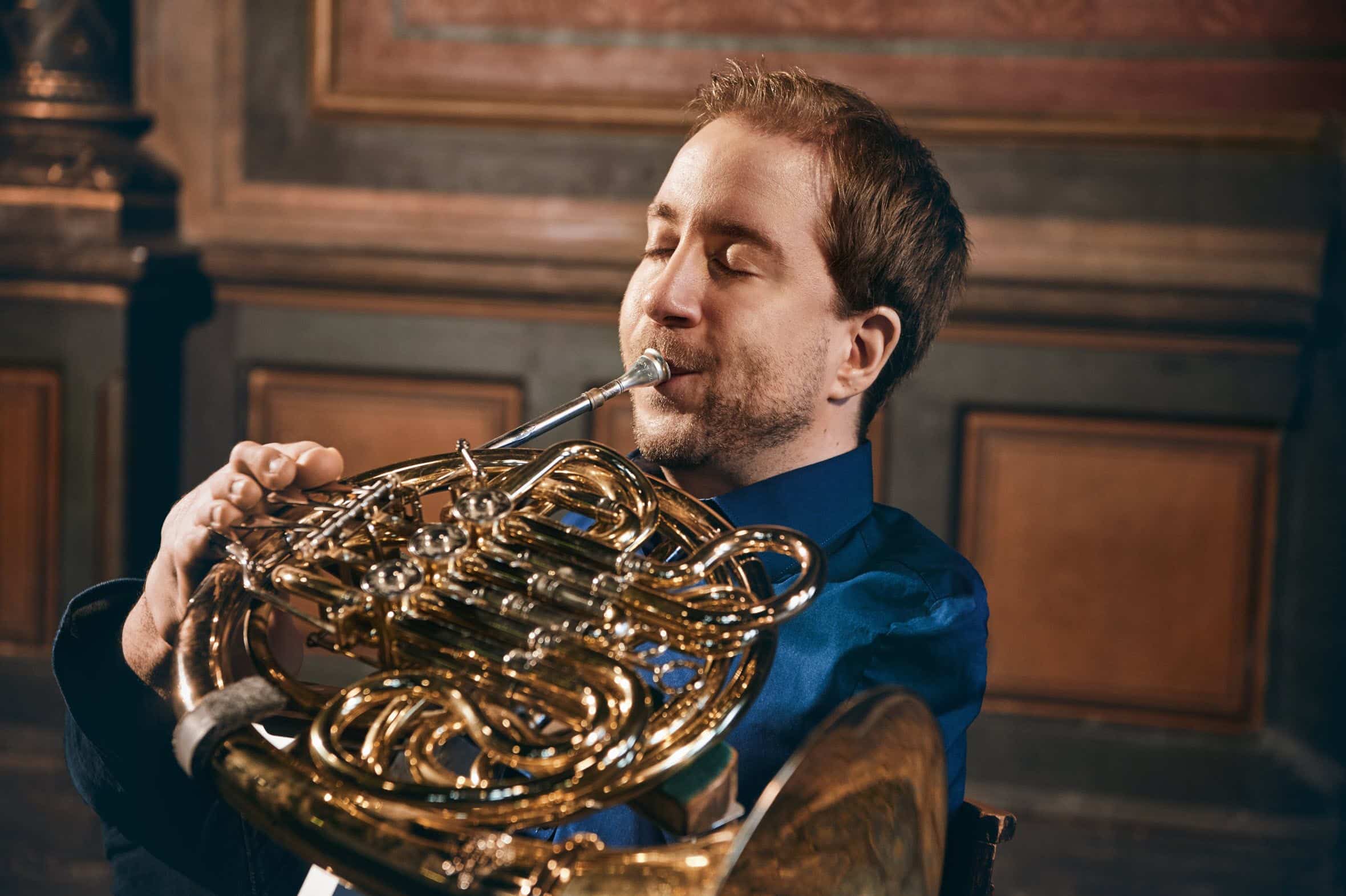
The French horn, with its velvety tones and breathtaking versatility, has captivated audiences and musicians alike for centuries. Its soaring melodies, intricate harmonies, and emotional depth make it one of the most expressive instruments in the orchestra. But behind every unforgettable horn performance lies a masterful artist whose skill and passion bring the music to life. From the concert halls of Vienna to the stages of Hollywood, a select group of virtuosos has defined the art of French horn playing, inspiring generations of musicians and shaping the soundtracks of our lives.
In this article, we celebrate the 15 greatest French horn players of all time—musicians who have pushed the boundaries of what this magnificent instrument can achieve. These legendary horn players not only embodied technical brilliance but also brought their unique artistry to the world, leaving an indelible mark on classical, jazz, and even film music. Whether you’re a lifelong French horn enthusiast or a newcomer to its majestic sound, prepare to be inspired as we journey through the lives, careers, and extraordinary contributions of these musical icons. Let their stories and performances remind you why the French horn remains a timeless symbol of elegance, power, and emotional resonance.
1. Dennis Brain
Dennis Brain is widely regarded as the quintessential French horn virtuoso, transforming the world of horn playing during the 20th century. Born into a family with a long history of horn players, Brain’s prodigious talent was evident from an early age. His technical prowess, combined with an unparalleled musical sensitivity, allowed him to breathe life into every note he played, and his performances often seemed to transcend the typical boundaries of the instrument. His legendary recordings of Mozart’s horn concertos are considered benchmarks of perfection, with Brain’s effortless command over the horn’s range, tone, and expressiveness elevating these works to new heights.
Brain’s influence on the French horn repertoire is equally profound, with many works being written or adapted specifically for him, including pieces by major composers such as Benjamin Britten. His sound was warm, rich, and incredibly clear, and he was able to play with a freedom and fluidity that made his performances truly distinctive. Tragically, Brain’s life was cut short in 1957 when he was killed in a car accident at just 36 years old. Despite his early death, Dennis Brain’s legacy as one of the greatest horn players of all time has endured. His contributions to both the performance and teaching of horn playing continue to inspire generations of musicians.
Even today, many horn players hold Brain’s recordings and his innovative approach to music as a standard to aspire to. Dennis Brain’s ability to combine technical excellence with emotional depth redefined the role of the French horn in both solo and orchestral settings, and his legacy remains one of timeless inspiration in the world of classical music.
2. Hermann Baumann
Hermann Baumann’s artistry has firmly established him as one of the most celebrated horn players of all time. With a career that spans over several decades, this German horn master has earned recognition for his impeccable technique, emotive playing, and ability to convey profound musicality in every performance. Baumann’s approach to horn playing is marked by a rare fusion of precision and lyrical expressiveness, which has made him a leading figure in both the classical and contemporary music scenes. His recordings of works by Strauss, Haydn, and other composers are beloved by musicians and listeners alike, embodying both clarity of tone and emotional resonance.
Baumann’s exceptional technical skill allows him to navigate even the most challenging horn parts with apparent ease, but it is his musical interpretation that truly sets him apart. He has a remarkable ability to balance the horn’s demanding technical requirements with deep emotional sensitivity, making his performances an intimate experience for audiences. Beyond his impressive career as a soloist, Hermann Baumann’s contributions to music extend to his work as a teacher. Over the years, he has mentored countless horn players, imparting not only technical knowledge but also his own musical philosophy, which places great emphasis on expressive playing.
His influence is far-reaching, and many students and colleagues consider Baumann a musical role model. Whether performing on the international stage or in the classroom, Baumann continues to inspire future generations of horn players with his exceptional skill and artistry, making him one of the most respected figures in the history of horn playing.
3. Barry Tuckwell
Barry Tuckwell is often regarded as one of the greatest horn players of the modern era. Hailing from Australia, Tuckwell brought the French horn to the forefront of classical music with a career that spanned over six decades, earning international acclaim for his performances, recordings, and innovative contributions to horn playing. Renowned for his extraordinary control over the instrument, Tuckwell’s playing was distinguished by its precision, flexibility, and expressiveness, allowing him to tackle the most difficult horn parts with seeming ease. His virtuosic technique, combined with a deep musicality, established him as a towering figure in the world of horn playing.
As a soloist, Tuckwell performed with many of the world’s leading orchestras and conductors, gaining admiration for his ability to bring a distinctive voice to the French horn. His solo career, in addition to his extensive recording catalog, has inspired horn players worldwide. One of his notable achievements was his work as a conductor, leading several major orchestras and inspiring the next generation of horn players and musicians in general.
In addition to his performing career, Tuckwell was a passionate educator and an advocate for the French horn. He played an instrumental role in establishing the horn as a leading solo instrument in orchestral music, and his contributions to horn pedagogy have helped shape the way the instrument is taught today. Barry Tuckwell’s profound influence on the French horn world, both as a performer and educator, ensures his place in history as one of the instrument’s greatest figures.
4. Sarah Willis
Sarah Willis is a trailblazer in the world of French horn playing and has earned a well-deserved reputation as one of the most dynamic and influential horn players of her generation. As a member of the renowned Berlin Philharmonic, Willis made history as one of the first women to hold a brass position in such a prestigious orchestra, breaking gender barriers in a field that had long been dominated by men. Beyond her remarkable achievements as a performer, Willis has become a passionate advocate for the French horn, using her platform to promote the instrument through a variety of innovative projects.
Her playing is characterized by its vibrant tone, technical precision, and emotional expressiveness, making her a favorite among both her peers and audiences worldwide. Whether performing a classic concerto or a contemporary work, Willis brings a unique energy to her performances, engaging with the music in a way that is both technically flawless and deeply moving. Her ability to connect with the audience through her music has made her a standout figure in the classical music community.
In addition to her role as a performer, Sarah Willis is an engaging communicator and educator. Through her online platforms, she has worked to demystify the French horn and make the instrument more accessible to aspiring players and fans alike. Whether through her YouTube channel, interviews with fellow musicians, or masterclasses, Willis has shared her passion for the horn with a global audience, inspiring the next generation of musicians to embrace the instrument. Her contributions to both the performance and promotion of the French horn continue to make her one of the most influential figures in the world of brass music.
5. Radek Baborák
Radek Baborák is a Czech horn prodigy who has garnered international recognition for his exceptional talent and captivating stage presence. His performances are known for their technical brilliance, lyrical phrasing, and expressive depth, making him one of the most highly regarded horn players of his generation. A former principal horn of the Berlin Philharmonic, Baborák’s artistry blends flawless technique with a deep emotional connection to the music he performs. His command of the horn is both technically dazzling and artistically profound, allowing him to move effortlessly through complex passages while maintaining a rich and resonant tone.
Throughout his illustrious career, Baborák has performed as a soloist with major orchestras and ensembles across the globe. His repertoire spans the classical canon, contemporary works, and even jazz, showcasing his versatility and passion for expanding the boundaries of horn playing. In addition to his work as a soloist, Baborák is also a prolific chamber musician, collaborating with some of the world’s leading composers and musicians. His performances are noted for their ability to blend precision with emotional resonance, captivating audiences and pushing the limits of what the horn can express.
Baborák’s contributions to the horn repertoire are significant, as he has worked with composers to commission new works and incorporate contemporary techniques into his playing. His dedication to expanding the possibilities of the instrument, combined with his inspiring performances, has made him an influential figure in the world of classical music. Through his work as both a performer and educator, Radek Baborák continues to inspire the next generation of horn players to pursue excellence while embracing the artistic possibilities of the French horn.
6. Dale Clevenger
Dale Clevenger is a legendary American horn player whose career is marked by his outstanding contributions to both orchestral and solo horn playing. Known for his powerful sound, impeccable technique, and precise articulation, Clevenger spent over four decades as the principal horn of the Chicago Symphony Orchestra, setting a standard of excellence for orchestral horn players worldwide. His playing was known for its bold, rich tone, which perfectly complemented the grand, sweeping sound of the Chicago Symphony, making him a cornerstone of the orchestra’s brass section.
Throughout his career, Clevenger’s performances captured the essence of the French horn’s expressive potential, showcasing both its lyricism and its dynamic range. He was a master of the horn’s most challenging passages, bringing out the instrument’s full resonance and depth. Clevenger’s solo work, too, was marked by a rare combination of technical proficiency and emotional insight, with every performance drawing listeners into the music’s most intimate moments. As a teacher, Clevenger inspired countless students, imparting not only technical skills but also a deep appreciation for the art of music. His teaching was rooted in a commitment to excellence and a passion for sharing the joy of horn playing with the next generation.
Clevenger’s influence extends far beyond his time with the Chicago Symphony. His dedication to the art of horn playing, coupled with his innovative contributions to horn pedagogy, has left a lasting mark on the horn-playing community. As a performer and mentor, Dale Clevenger’s legacy will continue to inspire horn players for years to come.
7. Stefan Dohr
Stefan Dohr is a principal horn player with the Berlin Philharmonic, widely regarded as one of the finest horn players of his generation. His rich, expressive tone and impeccable technique have made him a standout figure in the classical music world. Dohr’s playing is characterized by its precision, nuance, and deep musicality, allowing him to interpret both traditional and contemporary works with unparalleled sensitivity. His sound is often described as warm and inviting, and his mastery of the horn allows him to convey a wide range of emotions, from the most delicate, lyrical phrases to bold, heroic declarations.
As a soloist, Dohr has performed with major orchestras and conductors around the world, showcasing his versatility and commanding stage presence. His interpretations of contemporary horn repertoire, in particular, have helped expand the boundaries of horn playing and bring new dimensions to the instrument. Dohr’s commitment to pushing the envelope of horn music, along with his ability to bring complex contemporary works to life, has earned him widespread admiration from both audiences and critics.
Beyond his work as a performer, Stefan Dohr is also an influential educator, helping to shape the next generation of horn players. His teaching emphasizes the importance of both technical mastery and emotional expression, encouraging students to develop their own unique voices on the instrument. Dohr’s contributions to the French horn world, through his performances, recordings, and teaching, ensure his place as one of the leading figures in the field of horn playing.
8. Alan Civil
Alan Civil was a British horn player whose contributions to both the orchestral world and the wider music community have left a lasting legacy. Known for his impeccable technique and distinctive sound, Civil played with several of the UK’s leading orchestras, including the Philharmonia Orchestra and the BBC Symphony Orchestra. His artistry was characterized by a perfect blend of clarity, warmth, and lyrical beauty, making him a sought-after soloist and chamber musician.
Civil’s work with composers was groundbreaking, and he was one of the first horn players to collaborate closely with Benjamin Britten, who wrote several works specifically for him. One of the most iconic moments of his career came when Civil recorded the legendary horn solo in The Beatles’ “For No One,” showcasing his ability to cross musical boundaries and bring new dimensions to the French horn. This collaboration with a rock band highlighted his versatility and helped solidify his reputation as one of the most innovative horn players of his time.
In addition to his performing career, Alan Civil was a respected teacher and mentor, passing on his knowledge and skills to many aspiring horn players. His impact on the world of horn playing is still felt today, as his recordings remain a touchstone for horn players around the world. Alan Civil’s legacy as a performer and teacher continues to inspire horn players of all levels, ensuring that his contributions to music will not be forgotten.
9. Philip Farkas
Philip Farkas is a name synonymous with the development of French horn playing in America. As a pioneering figure in the field, Farkas set the standard for excellence in both orchestral horn playing and horn pedagogy. He was the first principal horn of the Chicago Symphony Orchestra, a position he held for many years, and his exceptional technical ability and musical insight earned him respect across the classical music world. Farkas’s horn playing was characterized by its rich, full sound, effortless phrasing, and emotional depth. He had the rare ability to command both the powerful and the delicate aspects of the instrument, drawing out its many tonal possibilities.
As a teacher, Farkas’s influence was profound. His book The Art of French Horn Playing is still considered a seminal work in horn pedagogy, and it continues to be a go-to resource for horn students worldwide. The book’s combination of practical advice and philosophical guidance reflects Farkas’s deep understanding of both the technical and artistic aspects of horn playing. His students, many of whom have gone on to have successful careers themselves, frequently speak of his ability to impart wisdom with patience and clarity, shaping the next generation of horn players.
Farkas’s contributions to the horn community extend far beyond his playing and teaching. He was instrumental in expanding the French horn’s role in American orchestras, influencing how the instrument is approached and played. His dedication to the instrument and his advocacy for the horn’s capabilities have left an indelible mark on the musical world, ensuring that his legacy lives on in the sound of every horn player who follows in his footsteps.
10. Vincent DeRosa
Vincent DeRosa, often called the “King of the Studio Horn,” was a legendary figure in the world of Hollywood studio recording. His career spanned several decades, during which he became one of the most sought-after horn players in the film industry. DeRosa’s versatility on the French horn made him the go-to musician for film composers, and his contributions to iconic soundtracks like Star Wars, The Godfather, E.T. the Extra-Terrestrial, and countless others remain a testament to his skill and artistry. He could seamlessly adapt his playing style to suit any musical genre, whether it was a sweeping cinematic score or the more subtle demands of a dramatic film scene.
DeRosa’s horn playing was renowned for its precision and clarity. His tone was always rich and full, and he had the ability to adjust his sound to fit the mood of a piece while still maintaining the distinctive resonance of the French horn. His work in the studio was groundbreaking, as he contributed to the creation of some of the most memorable music in film history. Beyond his work in film, DeRosa was also an accomplished orchestral musician and chamber player, and his influence extended to numerous other genres, making him one of the most versatile and respected horn players of his time.
Off the stage and studio, DeRosa was also a passionate educator, passing on his extensive knowledge to the next generation of horn players. His legacy in both the world of film music and horn pedagogy continues to inspire and shape the way the French horn is played and appreciated today.
11. Marie-Luise Neunecker
Marie-Luise Neunecker is one of the most accomplished and respected horn players in the classical music world. A German virtuoso, Neunecker has had a distinguished career as both a soloist and a member of major orchestras. Her brilliant technique and ability to bring out the full emotional range of the French horn have made her a sought-after performer across the globe. Neunecker’s playing is defined by its purity of tone, precision, and expressive depth, with every note she plays conveying a deep connection to the music.
Neunecker has performed with some of the world’s most renowned orchestras and conductors, and her solo performances have captivated audiences around the world. She has also made significant contributions to the expansion of the horn repertoire, working with composers to bring new works for the instrument into the spotlight. Her work with contemporary composers has been instrumental in creating a vibrant future for the French horn, ensuring that the instrument continues to evolve and find new expressions in modern music.
Beyond her performance career, Neunecker is also a dedicated teacher, helping to shape the next generation of horn players with her wisdom, technical skill, and passion for the instrument. Her approach to teaching emphasizes the importance of both technical mastery and emotional expression, encouraging students to find their own unique voice on the horn. Marie-Luise Neunecker’s legacy as a performer, educator, and advocate for the horn continues to inspire musicians worldwide.
12. Gerd Seifert
Gerd Seifert is a celebrated horn player known for his warm tone and exceptional technique. As a principal horn player with the Berlin Philharmonic for many years, Seifert played a pivotal role in shaping the orchestra’s brass section and setting the standard for horn playing in one of the world’s most prestigious ensembles. His performances were characterized by a blend of precision and warmth, with a tone that could range from the rich, dark sounds of the horn’s low register to the bright, shining clarity of its higher notes.
Throughout his career, Seifert’s orchestral playing was marked by its meticulous attention to detail and its ability to blend seamlessly with the other instruments in the orchestra. His horn sound was noted for its deep resonance, making it a perfect complement to the lush sound of the Berlin Philharmonic. In addition to his work with the orchestra, Seifert was also a sought-after soloist, performing with major orchestras and recording numerous pieces for the horn repertoire. His performances were always infused with a sense of lyricism, allowing him to bring a unique emotional depth to his playing.
Seifert’s influence on the world of horn playing extends to his work as a teacher, where he mentored young horn players and helped them develop both technical skill and musical sensitivity. His contributions to the horn community have made him a respected figure in the world of classical music, and his legacy continues to inspire horn players across the globe.
13. Frank Lloyd
https://www.youtube.com/watch?v=isk9Bs80-Kg&list=PL70DF6167CC9F3549
Frank Lloyd is a British horn virtuoso renowned for his extraordinary technical skills and versatility across genres. With an impressive career spanning both classical and jazz music, Lloyd has proven himself as one of the most adaptable and innovative horn players of his generation. His mastery of the French horn allows him to seamlessly transition between the precise, controlled sound required in classical music and the freer, more improvisational style found in jazz. This ability to blend these two distinct worlds has earned him recognition as one of the most influential horn players of his time.
Lloyd’s performances are marked by their clarity, expressive phrasing, and impeccable timing. Whether playing in an orchestral setting or performing as a soloist, he consistently delivers a sound that is both powerful and nuanced. His contributions to both the classical and jazz horn repertoires are vast, and his recordings serve as a reference for aspiring horn players in both fields. Beyond his musical prowess, Lloyd has also been a dedicated educator, helping shape the next generation of horn players with a focus on flexibility, musicality, and technical excellence.
As a teacher, Frank Lloyd emphasizes the importance of versatility and encourages his students to explore a wide range of musical styles. He believes that the horn’s adaptability to different genres is one of its greatest strengths, and he instills this belief in his students, urging them to experiment and push the boundaries of what the instrument can achieve. His impact on the horn community, both as a performer and educator, continues to resonate in the sound of horn players around the world, ensuring his place as a pioneering figure in the field.
14. John Cerminaro
John Cerminaro is a distinguished American horn player whose career has been marked by a blend of elegance, technical brilliance, and deep musical insight. Serving as principal horn of the New York Philharmonic and later the Seattle Symphony, Cerminaro has played a pivotal role in elevating the French horn’s place within major orchestras. His playing is often described as both powerful and sensitive, with a tone that is rich and expressive, capable of conveying a wide range of emotions. Cerminaro’s control over the instrument’s dynamics, from its softest whispers to its boldest statements, has made him one of the most respected horn players of his generation.
Throughout his career, Cerminaro has performed with some of the world’s most renowned conductors and orchestras, and his solo performances have garnered critical acclaim for their expressive depth and technical mastery. His ability to communicate the emotional core of a piece through his horn playing has set him apart as an artist who is not just technically proficient but also deeply connected to the music he plays. His work has influenced countless horn players who admire his musicality and strive to emulate his approach to performance.
In addition to his accomplishments as a performer, John Cerminaro is also a dedicated educator, sharing his knowledge and expertise with the next generation of horn players. His teaching philosophy emphasizes the importance of musical expression alongside technical proficiency, and many of his students have gone on to have successful careers of their own. Cerminaro’s legacy as a performer, educator, and advocate for the French horn is cemented by the lasting impact he has had on the world of horn playing.
15. Myron Bloom
Myron Bloom is a towering figure in the world of horn playing, known for his exceptional musicianship and influential contributions to American orchestral music. As principal horn of the Cleveland Orchestra, Bloom established himself as one of the most respected horn players of the 20th century. His horn playing was characterized by its lush, expressive tone, and his technical prowess was unparalleled. Bloom’s ability to seamlessly blend with the orchestra while also standing out as a soloist made him a versatile and indispensable member of the Cleveland Orchestra for many years.
Bloom’s performances were consistently praised for their clarity, warmth, and emotional depth. He had a unique ability to bring a sense of lyricism to his horn playing, making even the most challenging passages sound effortless. His mastery of both orchestral playing and solo performance made him a sought-after guest performer, and he collaborated with many of the world’s leading conductors and composers throughout his career. His contributions to the horn repertoire are immense, with several works being composed specifically for him or inspired by his playing.
As a teacher, Myron Bloom was deeply committed to passing on his knowledge and expertise to the next generation of horn players. He mentored countless students who went on to have successful careers of their own, and his approach to teaching emphasized the importance of musical expression and sound production. Bloom’s legacy as a performer, teacher, and advocate for the French horn continues to influence horn players today, and his contributions to the instrument will be remembered for generations to come.

Edward Tomlin is a frequent contributor to Singers Room. Since 2005, Singersroom has been the voice of R&B around the world. Connect with us via social media below.