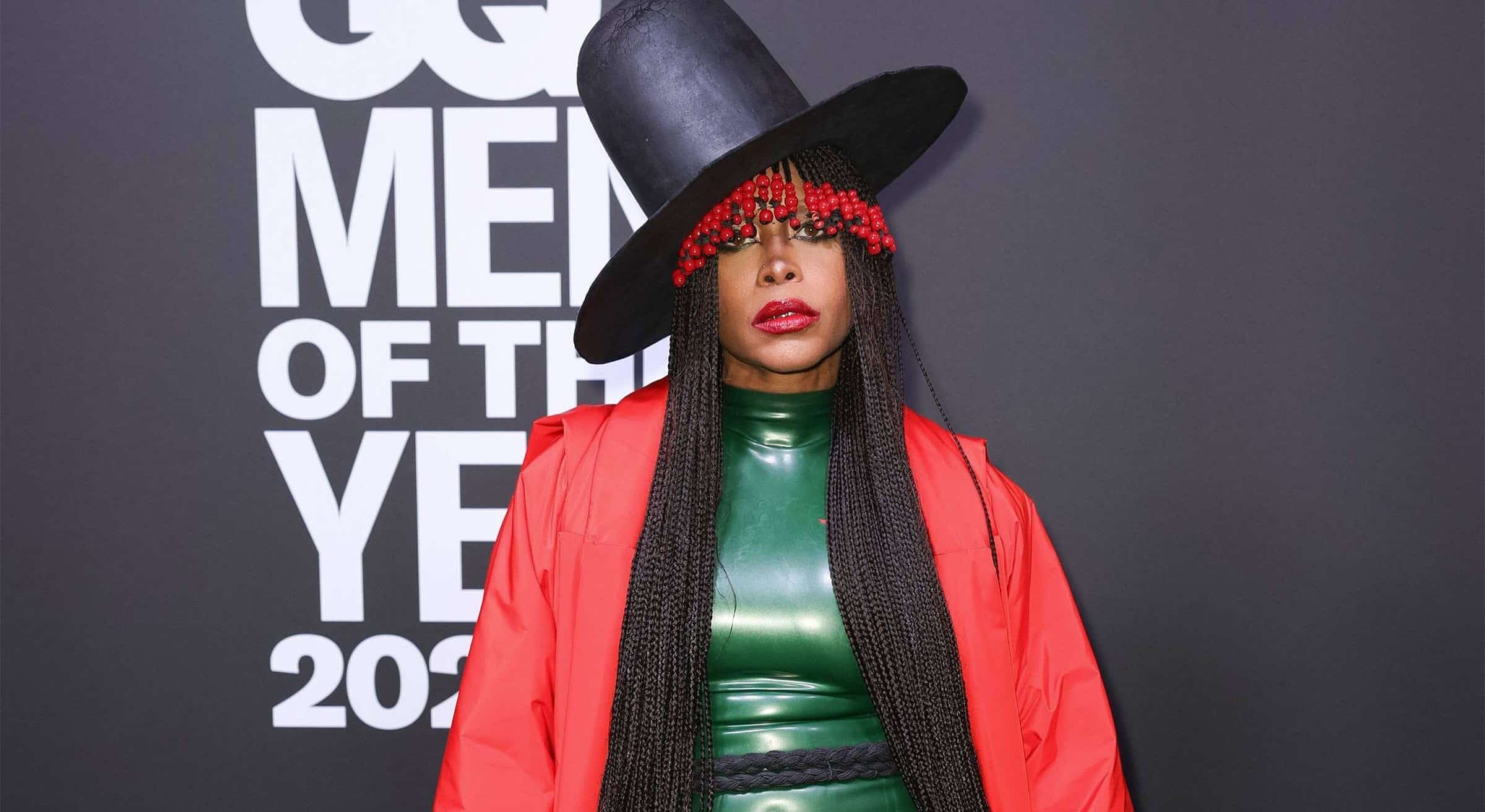
Erykah Badu, the undisputed Queen of Neo-Soul, has carved a legacy that transcends time, genre, and emotion. With her soulful voice, introspective lyrics, and groundbreaking artistry, Badu has captured the hearts of millions since her debut in the 1990s. Her music is a masterful blend of jazz, R&B, hip-hop, and soul, creating a soundscape that feels both deeply personal and universally resonant. Over the years, Erykah has gifted us with timeless anthems that tell stories of love, heartbreak, empowerment, and self-discovery.
In this article, we celebrate the top 10 most popular Erykah Badu songs of all time. Whether you’re a lifelong fan or a newcomer to her music, this list serves as a soulful journey through her most iconic hits. From the sultry grooves of “On & On” to the hypnotic rhythms of “Bag Lady,” these tracks showcase Badu’s unparalleled ability to connect with listeners on a spiritual level. Each song is a testament to her genius, blending poetic storytelling with unforgettable melodies that stand the test of time. So, light some incense, set the vibe, and get ready to immerse yourself in the magic of Erykah Badu’s most beloved tracks!
1. On & On (1997)
Erykah Badu’s debut single, “On & On,” was more than just a song—it was an introduction to an entirely new sound and aesthetic. Released in 1997 as the lead single from her groundbreaking album Baduizm, this track helped define the neo-soul movement, blending jazz, R&B, and hip-hop influences into something completely unique. From the moment the smooth bassline kicks in, “On & On” pulls listeners into Badu’s world, where spiritual wisdom and everyday struggles intertwine effortlessly.
Lyrically, the song is deeply philosophical, filled with metaphor and introspection. Badu sings about the cyclical nature of life, touching on themes of karma, self-discovery, and perseverance. Her distinctive, almost conversational vocal delivery gives the track an intimate feel, as if she’s speaking directly to the listener. The chorus—”I know the world keeps turning, oh what a day, what a day, what a day”—feels like both an observation and a meditation, reinforcing the idea that life moves forward no matter what.
The song was an instant success, earning Badu a Grammy for Best Female R&B Vocal Performance and helping solidify her as the queen of neo-soul. Its influence can still be heard in contemporary R&B, and its message of resilience and enlightenment continues to resonate with fans. Whether you’re drawn in by the hypnotic groove or the thought-provoking lyrics, “On & On” remains a timeless classic that showcases Erykah Badu’s genius as both a songwriter and an artist.
2. Tyrone (Live) (1997)
Few songs in R&B history have been as instantly quotable as Erykah Badu’s “Tyrone.” Released in 1997 as a live performance on her Live album, this song wasn’t just a breakup anthem—it was a moment. With nothing but a simple, bluesy guitar accompaniment, Badu effortlessly commands the stage, delivering each lyric with a mix of raw emotion, sass, and humor that makes it unforgettable.
The song tells the story of a woman fed up with a man who constantly relies on his friends instead of stepping up in their relationship. The now-iconic hook—“You better call Tyrone, but you can’t use my phone”—became an instant cultural catchphrase, used by countless women to call out neglectful partners. While the lyrics are undeniably sharp and witty, there’s a deeper vulnerability beneath the surface. Badu’s delivery isn’t just playful; it’s also deeply soulful, revealing the pain of someone who’s reached her limit.
What makes “Tyrone” even more remarkable is that it was an improvised performance, created on the spot during a concert. Despite this, it became one of her most beloved songs, proving her natural ability to connect with an audience. Even decades later, “Tyrone” remains a defining moment in Badu’s career, a song that speaks to the frustrations of love with humor, honesty, and undeniable style.
3. Didn’t Cha Know? (2000)
“Didn’t Cha Know?” is one of Erykah Badu’s most mesmerizing and introspective songs, released in 2000 as part of her critically acclaimed album Mama’s Gun. Produced by the legendary J Dilla, the track is built around a dreamy, hypnotic sample that perfectly complements Badu’s reflective lyrics. The warm bassline, ethereal synths, and laid-back groove create a soundscape that feels both comforting and melancholic, mirroring the song’s themes of self-discovery and uncertainty.
Lyrically, “Didn’t Cha Know?” is about feeling lost in life—wandering without clear direction yet knowing that the journey itself is essential. Badu’s words capture the universal struggle of trying to find purpose, asking questions without always receiving answers. Her voice glides effortlessly over the beat, conveying both vulnerability and wisdom. There’s a quiet urgency in her delivery, as if she’s searching for clarity while simultaneously embracing the unknown.
The song’s lush production and soul-stirring emotion made it an instant standout on Mama’s Gun. It was nominated for a Grammy for Best R&B Song, further cementing its status as one of Badu’s finest works. Even today, “Didn’t Cha Know?” resonates deeply with listeners who find themselves at life’s crossroads, reminding them that uncertainty is part of the process—and that sometimes, the most important thing is to just keep moving forward.
4. Bag Lady (2000)
“Bag Lady” is one of Erykah Badu’s most beloved and empowering songs, released in 2000 as the lead single from her album Mama’s Gun. With its smooth, laid-back groove and uplifting message, the track became an anthem of self-care and emotional healing. Badu’s soulful vocals glide effortlessly over the song’s minimalist production, which features a sample from Bumpy’s Lament by Soul Mann & the Brothers. The result is a warm, hypnotic sound that perfectly complements the song’s reflective lyrics.
At its core, “Bag Lady” is about the importance of letting go—whether it’s emotional baggage, past traumas, or unhealthy relationships. The lyrics serve as a gentle but firm reminder that holding onto pain can weigh a person down and prevent them from moving forward. Lines like “One day, all them bags gon’ get in your way” feel like a wise friend giving heartfelt advice. Badu’s delivery is both soothing and urgent, urging listeners to release what no longer serves them.
The song was a commercial and critical success, peaking at No. 6 on the Billboard Hot 100 and earning a Grammy nomination for Best Female R&B Vocal Performance. Its message of liberation resonated deeply with audiences, making it one of Badu’s most enduring tracks. Whether played as a soundtrack for personal growth or a reminder to embrace the future unburdened, “Bag Lady” remains a timeless piece of neo-soul wisdom.
5. Next Lifetime (1997)
“Next Lifetime” is a deeply emotional and introspective song from Erykah Badu’s debut album, Baduizm, released in 1997. This soulful ballad tells the story of an undeniable romantic connection that simply cannot be acted upon due to circumstances beyond the singer’s control. With a dreamlike instrumental backdrop of gentle percussion, soft keys, and Badu’s hypnotic vocal delivery, the song captures the essence of longing and unfulfilled love.
Lyrically, the song finds Badu addressing someone with whom she shares a powerful, magnetic attraction—but there’s a problem: she’s already committed to someone else. Instead of giving in to temptation, she takes a philosophical approach, suggesting that perhaps in another lifetime, they’ll have the opportunity to be together. Lines like “I guess I’ll see you next lifetime, no hard feelings” carry a bittersweet sense of acceptance, making the song both heartbreaking and beautifully poetic.
“Next Lifetime” resonated deeply with fans who had ever found themselves in a similar predicament—torn between passion and responsibility. The song’s meditative, jazz-infused production adds to its ethereal quality, making it feel like a quiet confession whispered to the universe. While it never became a massive chart hit, it remains one of Badu’s most cherished songs, often cited as a fan favorite. With its timeless message and soul-stirring melody, “Next Lifetime” stands as one of the finest examples of Badu’s ability to blend storytelling with raw emotion.
6. Window Seat (2010)
“Window Seat” is a hauntingly beautiful and introspective song from Erykah Badu’s 2010 album, New Amerykah Part Two (Return of the Ankh). Released as the lead single, the track explores themes of isolation, vulnerability, and the desire for escape. Its smooth, jazz-infused production features a hypnotic bassline, gentle drums, and Badu’s signature warm, emotive vocals. The song’s stripped-down arrangement allows her voice and lyrics to take center stage, creating an intimate listening experience.
Lyrically, “Window Seat” is about seeking solitude and clarity amidst the chaos of life. Badu longs for a moment of peace, where she can sit by the window, gaze out, and simply be. The chorus, “Can I get a window seat? Don’t want nobody next to me”, expresses a deep yearning for personal space and freedom. The song also subtly touches on the pressures of fame, self-exploration, and the struggle to maintain individuality in a world full of expectations.
The music video for “Window Seat” sparked significant controversy and conversation. Filmed in a single continuous shot, it features Badu walking through the streets of Dallas before stripping nude in an artistic statement about personal liberation and societal judgment. The video cemented her reputation as a fearless artist unafraid to push boundaries.
With its soothing yet melancholic sound, “Window Seat” remains one of Badu’s most thought-provoking tracks. It’s a song that speaks to anyone who has ever felt the need to retreat and reflect, making it an enduring and powerful piece of neo-soul storytelling.
7. Appletree (1997)
“Appletree,” from Baduizm (1997), is a confident and introspective anthem about personal growth and choosing the right influences in life. The track blends jazz, soul, and hip-hop elements into a laid-back groove, with Badu’s unmistakable voice floating effortlessly over the warm, minimalistic production. The bass-driven instrumental, accented by crisp percussion and a mellow melody, creates a vibe that feels both wise and effortlessly cool.
At its core, “Appletree” is a song about self-awareness and surrounding oneself with the right people. Badu uses the metaphor of an apple tree to symbolize knowledge and wisdom, singing, “I pick my friends like I pick my fruit”. She stresses the importance of being mindful about who one allows into their life, as the wrong influences can be detrimental to personal growth. The song’s message is both empowering and cautionary, encouraging listeners to choose quality over quantity in friendships and relationships.
What makes “Appletree” so special is its blend of wisdom and playfulness. Badu delivers the lyrics with a conversational ease, making it feel like she’s giving heartfelt advice to a close friend. Her signature mix of spirituality, intellect, and humor shines through, making the song one of the most memorable tracks on Baduizm.
Though not one of her biggest commercial hits, “Appletree” remains a fan favorite and a shining example of Badu’s ability to infuse deep messages into her music while keeping the groove undeniably smooth. It’s a reminder that wisdom doesn’t have to be complicated—it can be as simple as knowing which apples to pick.
8. Other Side of the Game (1997)
A standout track from Baduizm, “Other Side of the Game” is one of Erykah Badu’s most compelling storytelling songs. Released in 1997, this moody, jazz-infused ballad delves into the complexities of love, loyalty, and sacrifice. With its slow-burning groove and soulful instrumentation, the track feels like a late-night confession, filled with raw emotion and introspection.
Lyrically, the song follows the story of a woman deeply in love with a man involved in illegal activities. She grapples with the emotional toll of his dangerous lifestyle, torn between her devotion to him and the weight of their uncertain future. The opening lines—“Whatcha gonna do when they come for you? Work ain’t honest, but it pays the bills”—set the stage for the song’s central conflict. Badu’s delivery is tender yet weary, perfectly capturing the emotions of someone trapped between love and survival.
Unlike traditional love songs, “Other Side of the Game” doesn’t romanticize the situation. Instead, it paints a complex, realistic picture of relationships affected by struggle and sacrifice. The song’s melancholic tone and deeply personal lyrics make it one of Badu’s most emotionally gripping works.
With its smooth instrumentation and cinematic storytelling, “Other Side of the Game” showcases Badu’s unique ability to blend soul, jazz, and social commentary into a seamless, unforgettable piece of music. It remains a fan favorite and a testament to her talent as both a vocalist and a storyteller.
9. Love of My Life (An Ode to Hip-Hop) (2002)
Released in 2002, “Love of My Life (An Ode to Hip-Hop)” is both a love song and a tribute to hip-hop culture. A collaboration with rapper Common, this Grammy-winning track beautifully blends nostalgia with a fresh, modern groove. The song, featured on the Brown Sugar movie soundtrack, is a soulful reflection on the deep connection between music and personal identity.
The lyrics use a clever extended metaphor, with Badu describing hip-hop as if it were a lifelong romantic partner. Lines like “Back in ’73, I was in love and I was just a baby” illustrate how she grew alongside the genre, witnessing its evolution over the years. Her warm, conversational tone makes the song feel intimate, as if she’s reminiscing with an old friend.
The production is smooth and jazzy, with a laid-back beat that complements Badu’s effortless flow. Common’s verse adds an extra layer of depth, reinforcing the song’s theme of hip-hop as a shared cultural experience.
“Love of My Life” topped the Billboard R&B charts and won a Grammy for Best R&B Song, proving its widespread appeal. It remains one of Badu’s most celebrated tracks, capturing the essence of both romance and the enduring power of hip-hop.
10. Honey (2008)
Released in 2008 as the lead single from New Amerykah Part One (4th World War), “Honey” is a playful, groove-driven track that showcases Erykah Badu’s signature blend of funk, soul, and hip-hop. The song’s upbeat tempo, infectious bassline, and warm, neo-soul production make it one of her most danceable tracks, offering a lighthearted contrast to the heavier themes explored on the rest of the album.
Lyrically, “Honey” is a metaphor-laden love song in which Badu compares her romantic interest to the sweet, irresistible qualities of honey. She sings about being drawn to this person’s essence, captivated by their natural charm and allure. With lines like “You’re so sweet, honey”, the song exudes an easygoing, flirtatious energy that makes it an instant mood-lifter.
What truly sets “Honey” apart is its brilliant music video. Paying homage to classic album covers, the video features Badu seamlessly inserted into iconic artwork from artists like Diana Ross, De La Soul, and Funkadelic. The nostalgic references celebrate music history while reinforcing Badu’s own place within it. Fans praised the video’s creativity and attention to detail, making it one of her most memorable visual works.
Musically, “Honey” blends smooth, soulful vocals with a rich, sample-heavy beat produced by the late J Dilla. His signature touch gives the song a warm, organic feel, further emphasizing the track’s timeless appeal. Though New Amerykah Part One as a whole delves into deep, politically charged topics, “Honey” provides a moment of pure joy and lightheartedness.
With its irresistible melody, clever lyrics, and innovative video, “Honey” remains a standout in Badu’s catalog, proving that she can create both thought-provoking and feel-good music with equal brilliance.

Edward Tomlin is a frequent contributor to Singers Room. Since 2005, Singersroom has been the voice of R&B around the world. Connect with us via social media below.









