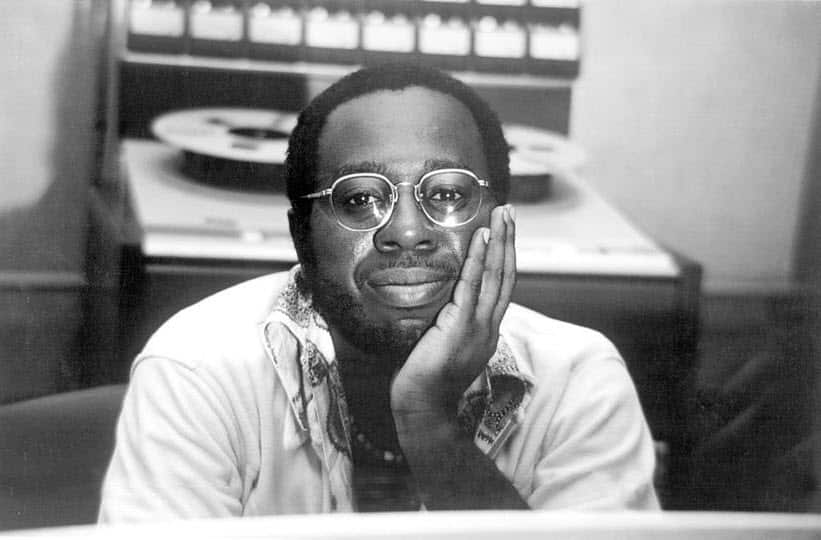
Curtis Mayfield wasn’t just a musician—he was a movement. A pioneer of soul, funk, and politically charged R&B, Mayfield’s music transcended entertainment, serving as a powerful voice for change. From his early days with The Impressions to his groundbreaking solo career, he crafted songs that were both sonically mesmerizing and socially revolutionary. Whether delivering uplifting anthems of perseverance, exposing harsh realities of street life, or championing peace and unity, Mayfield’s music left an indelible mark on generations.
His signature falsetto, lush arrangements, and masterful storytelling set him apart, making him one of the most influential artists of all time. Tracks like Move On Up and People Get Ready inspired hope, while Superfly and Pusherman painted vivid portraits of urban struggle. His ability to fuse deep grooves with profound messages made him a legend, and his music remains just as relevant today as it was decades ago.
In this list, we celebrate the top 10 most popular Curtis Mayfield songs of all time—timeless tracks that continue to move, inspire, and groove listeners worldwide. Whether you’re a longtime fan or discovering his genius for the first time, these songs showcase the brilliance of a true musical icon. Let’s dive in!
1. Move On Up (1970)
Curtis Mayfield’s “Move On Up” is an electrifying anthem of perseverance and ambition, standing as one of his most inspiring creations. Released in 1970 on his debut solo album Curtis, the nearly nine-minute track is a masterful fusion of soul, funk, and orchestral grandeur. The song bursts with energy, driven by an infectious conga rhythm, uplifting horn arrangements, and Mayfield’s signature falsetto. Lyrically, it serves as a call to action, urging listeners to overcome adversity and chase their dreams with unwavering determination. While the song wasn’t an immediate chart-topping hit in the U.S., it grew into a cultural touchstone over the years, embraced by generations as a symbol of hope and resilience. Its irresistible groove and timeless message ensure that “Move On Up” remains a staple of soul and motivational music to this day.
2. Superfly (1972)
As the title track of the Super Fly soundtrack, “Superfly” encapsulates the essence of the 1972 Blaxploitation film while also standing as a funk classic in its own right. With its sleek bassline, hypnotic wah-wah guitar, and Mayfield’s effortlessly smooth falsetto, the track exudes an air of cool confidence. However, beneath its stylish exterior, the song serves as a sharp critique of the drug trade, portraying both its temptations and its dire consequences. Unlike many soundtracks of the genre that glorified crime, Mayfield used Superfly as a platform for social commentary, exposing the harsh realities of street life rather than romanticizing them. The track’s impact was immediate, cementing Mayfield’s legacy as both a musical innovator and a conscious storyteller.
3. Pusherman (1972)
“Pusherman” is a slow-burning funk masterpiece that perfectly captures the seductive yet destructive nature of the drug trade. Released in 1972 as part of the Super Fly soundtrack, the track unfolds through a deep, rolling bassline and hypnotic percussion, creating an entrancing groove. Mayfield’s soft yet commanding vocal delivery adds an eerie contrast to the heavy subject matter, making the song feel both alluring and unsettling. Written from the perspective of a drug dealer, the lyrics provide a raw, unfiltered look at the dangers and false promises of street life. With its layered instrumentation and compelling storytelling, “Pusherman” transcends being just another funk jam—it’s a profound social critique wrapped in an unforgettable rhythm.
4. Freddie’s Dead (1972)
One of the most poignant tracks from Super Fly, “Freddie’s Dead” tells the tragic story of a young man who falls victim to the harsh realities of urban life. Released in 1972 as a single, the song became one of Mayfield’s biggest commercial successes, proving that socially conscious music could also dominate the charts. With its swirling string arrangements, pulsating bassline, and Mayfield’s emotionally charged vocal delivery, the track is both musically rich and deeply moving. The song’s narrative underscores the senselessness of violence and systemic oppression, making it a timeless anthem of awareness and reflection. “Freddie’s Dead” remains a powerful reminder of Mayfield’s ability to blend social commentary with unforgettable melodies.
5. People Get Ready (1965)
Before embarking on his solo career, Curtis Mayfield led The Impressions, and one of their most enduring contributions to music is the gospel-infused anthem “People Get Ready.” Released in 1965, the song became a defining anthem of the Civil Rights Movement, offering a message of hope, unity, and perseverance. With its simple yet profound lyrics, “People Get Ready” resonated deeply with activists and music lovers alike, inspiring generations. The track’s smooth harmonies, minimal instrumentation, and spiritual undertones make it one of the most powerful protest songs ever recorded. Over the years, it has been covered by countless artists, solidifying its place as a timeless classic that continues to inspire change.
6. If There’s a Hell Below, We’re All Going to Go (1970)
Few songs capture the turbulent social climate of the early 1970s as powerfully as this explosive track from Curtis. Opening with a spoken-word warning before launching into a fiery funk groove, “If There’s a Hell Below, We’re All Going to Go” is both sonically intense and lyrically fearless. The distorted bass, chaotic instrumentation, and urgent vocals create a sense of impending doom, while the lyrics tackle racial injustice, political corruption, and societal decay head-on. Mayfield’s unflinching message, combined with the song’s relentless energy, makes it one of his most powerful and thought-provoking pieces. More than 50 years later, its themes remain relevant, proving Mayfield’s prophetic voice still echoes today.
7. We Got to Have Peace (1971)
In contrast to his more politically charged songs, “We Got to Have Peace” offers an uplifting message of unity and harmony. Released in 1971 on the Roots album, the track blends soulful melodies with a tight funk groove, creating an atmosphere of optimism. The orchestral arrangement and shimmering guitar work add a jubilant quality, while Mayfield’s smooth, reassuring vocals remind listeners that despite the world’s struggles, peace is always worth striving for. The song stands as a testament to Mayfield’s ability to balance social consciousness with hopeful messaging, making it an enduring plea for a brighter future.
8. Give Me Your Love (Love Song) (1972)
From the Super Fly soundtrack comes “Give Me Your Love (Love Song),” a slow-burning, sensual track that highlights Mayfield’s ability to craft intimate, mood-setting R&B. Released in 1972, the song features lush instrumentation, a hypnotic groove, and an undeniably seductive vocal delivery. The interplay between the wah-wah guitar and shimmering keyboard chords creates a dreamy, almost ethereal quality, making it one of the most atmospheric songs in Mayfield’s catalog. While much of Super Fly serves as social commentary, this track provides a moment of romance and vulnerability, showcasing Mayfield’s versatility as a songwriter.
9. (Don’t Worry) If There’s a Hell Below, We’re All Going to Go (1970)
Mayfield never shied away from making bold statements, and this track, released in 1970, is one of his most intense. Built on a deep, driving bassline and layers of swirling instrumentation, the song delivers a hard-hitting message about racial and social injustice. The spoken-word intro sets a tense, almost ominous mood before the music explodes into a relentless groove. Mayfield’s urgent vocal delivery underscores the song’s dire warning—society is on the edge, and without change, chaos is inevitable. Its raw energy and fearless message make it one of the most impactful songs in his repertoire.
10. Do Do Wap Is Strong in Here (1977)
One of Mayfield’s later hits, “Do Do Wap Is Strong in Here,” was released in 1977 as part of the Short Eyes soundtrack. The track features a tight funk groove, an infectious bassline, and a playful yet socially aware narrative. It tells the story of life behind bars, offering a rare glimpse into the struggles of incarcerated individuals. The contrast between the upbeat rhythm and the weighty subject matter showcases Mayfield’s unique ability to blend deep storytelling with irresistible funk. Even in his later years, he continued to push musical boundaries while staying true to his message of social awareness and change.

Samuel Moore is a frequent contributor to Singers Room. Since 2005, Singersroom has been the voice of R&B around the world. Connect with us via social media below.









