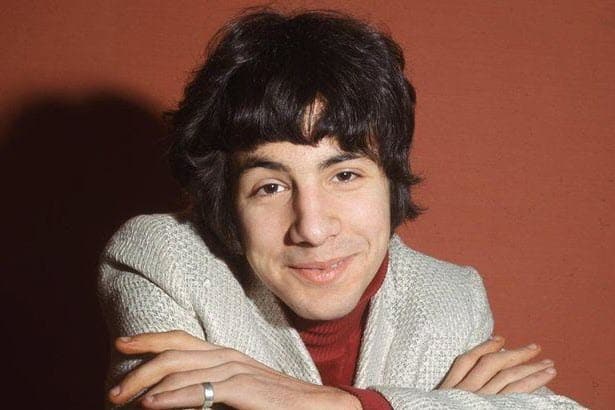
Few artists have crafted a musical legacy as profound and timeless as Cat Stevens. With his soul-stirring lyrics, soothing melodies, and unmistakable voice, he has touched generations of listeners, weaving stories of love, self-discovery, and hope. From the folk-rock boom of the 1970s to his later years as Yusuf Islam, Stevens’ music has remained a beacon of introspection and inspiration.
Whether you first heard “Wild World” on the radio, felt the emotional weight of “Father and Son,” or found solace in the uplifting harmonies of “Morning Has Broken,” his songs have a way of resonating deeply, no matter where you are in life. His ability to blend poetic storytelling with heartfelt melodies has made him one of the most cherished singer-songwriters of all time.
In this article, we’ll take a journey through the top 10 most popular Cat Stevens songs of all time, exploring the impact, meaning, and brilliance behind each track. From timeless classics to soul-searching ballads, these songs continue to inspire and move audiences across generations. Ready to rediscover some of the greatest folk anthems ever written? Let’s dive into the music that made Cat Stevens a legend. 🎶
1. Wild World (1970)
A heartfelt farewell wrapped in a tender folk-rock melody, “Wild World” is one of Cat Stevens’ most beloved songs. Released in 1970 on Tea for the Tillerman, the track captures the bittersweet emotions of parting ways with a loved one. Its lyrics offer words of caution and wisdom, balancing sorrow with hope. The song’s gentle acoustic riff, combined with Stevens’ sincere delivery, made it an instant classic. Its universal theme of love, loss, and moving forward has led to countless covers, but Stevens’ original remains unmatched in its emotional depth.
2. Father and Son (1970)
A deeply moving dialogue between two generations, “Father and Son” is a folk ballad that perfectly captures the push and pull between youthful ambition and parental wisdom. Featured on Tea for the Tillerman, the song is structured as a conversation—Stevens’ softer vocals portraying the father’s advice, while his more urgent tones represent the son’s restless desire to carve his own path. This contrast makes the song feel incredibly real and relatable. Over the years, its message has resonated with listeners of all ages, cementing it as one of Stevens’ most powerful and enduring works.
3. Morning Has Broken (1971)
A reimagining of a traditional hymn, “Morning Has Broken” showcases Cat Stevens’ gift for breathing new life into timeless melodies. Originally a Christian hymn dating back to the 1930s, Stevens transformed it into a folk masterpiece for his 1971 album Teaser and the Firecat. The track features a stunning piano arrangement by Rick Wakeman of Yes, adding a sense of grandeur to its simple yet profound celebration of nature and new beginnings. The song’s uplifting spirit and poetic lyrics have made it one of Stevens’ most cherished and widely recognized recordings.
4. Peace Train (1971)
With its infectious rhythm and call for unity, “Peace Train” became an anthem of hope during the early 1970s. Featured on Teaser and the Firecat, the song blends folk and gospel influences, urging people to envision a world free of conflict and division. The chugging beat mimics the motion of an actual train, symbolizing a journey toward harmony. Stevens’ passionate performance and the song’s uplifting message have made it a rallying cry for peace movements worldwide. Decades later, its relevance endures, continuing to inspire listeners to believe in a better world.
5. Moonshadow (1971)
A whimsical yet deeply philosophical song, “Moonshadow” radiates a sense of wonder and gratitude for life’s simple joys. Written during a trip to Spain, Stevens was inspired by seeing his shadow illuminated by the moon. This experience shaped the song’s reflective lyrics, which embrace optimism even in the face of hardship. With its playful melody and heartfelt message, “Moonshadow” remains a favorite for those seeking comfort and a reminder to appreciate the beauty in everyday moments.
6. The First Cut Is the Deepest (1967)
Before becoming a major hit for artists like Rod Stewart and Sheryl Crow, “The First Cut Is the Deepest” was originally written and recorded by Cat Stevens in 1967 for his album New Masters. A poignant meditation on heartbreak, the song expresses the raw pain of first love and the difficulty of opening up again. Though covered by many, Stevens’ original recording retains a unique vulnerability and sincerity, making it one of the most enduring breakup songs of all time.
7. Where Do the Children Play? (1970)
Opening Tea for the Tillerman with a thought-provoking message, “Where Do the Children Play?” is a powerful critique of modern society’s impact on the environment. The song juxtaposes a warm, acoustic-driven melody with lyrics that question whether technological progress comes at too great a cost. Stevens’ poignant observations remain strikingly relevant today, as concerns about urbanization and environmental destruction continue to grow. It’s a timeless plea for balance between progress and preserving the world for future generations.
8. Oh Very Young (1974)
A tender reflection on the fleeting nature of youth, “Oh Very Young” carries a gentle yet profound message. Released on Buddha and the Chocolate Box, the song’s delicate piano melody and soothing harmonies give it an almost lullaby-like quality. Stevens’ lyrics encourage listeners to cherish their time and strive to leave behind something meaningful. With its introspective tone and warm sincerity, the song has remained a favorite, offering comfort and wisdom to generations of fans.
9. Hard Headed Woman (1970)
A passionate exploration of love and self-discovery, “Hard Headed Woman” from Tea for the Tillerman showcases Stevens’ yearning for a strong and steadfast partner. The song shifts dynamically between soft, introspective verses and powerful, emotional choruses, mirroring the search for a deep, meaningful connection. The lyrics convey both vulnerability and determination, making it a relatable anthem for anyone who has ever longed for a love that challenges and inspires.
10. Sitting (1972)
Opening Catch Bull at Four with a sense of urgency, “Sitting” is a song about self-reflection and the search for enlightenment. The driving piano rhythm gives the track an almost meditative quality, while the lyrics convey both inner turmoil and a yearning for personal growth. Written during a period of deep spiritual exploration for Stevens, the song captures the restless desire to find meaning in life. Its introspective nature makes it one of his most thought-provoking and emotionally charged compositions.

Samuel Moore is a frequent contributor to Singers Room. Since 2005, Singersroom has been the voice of R&B around the world. Connect with us via social media below.









