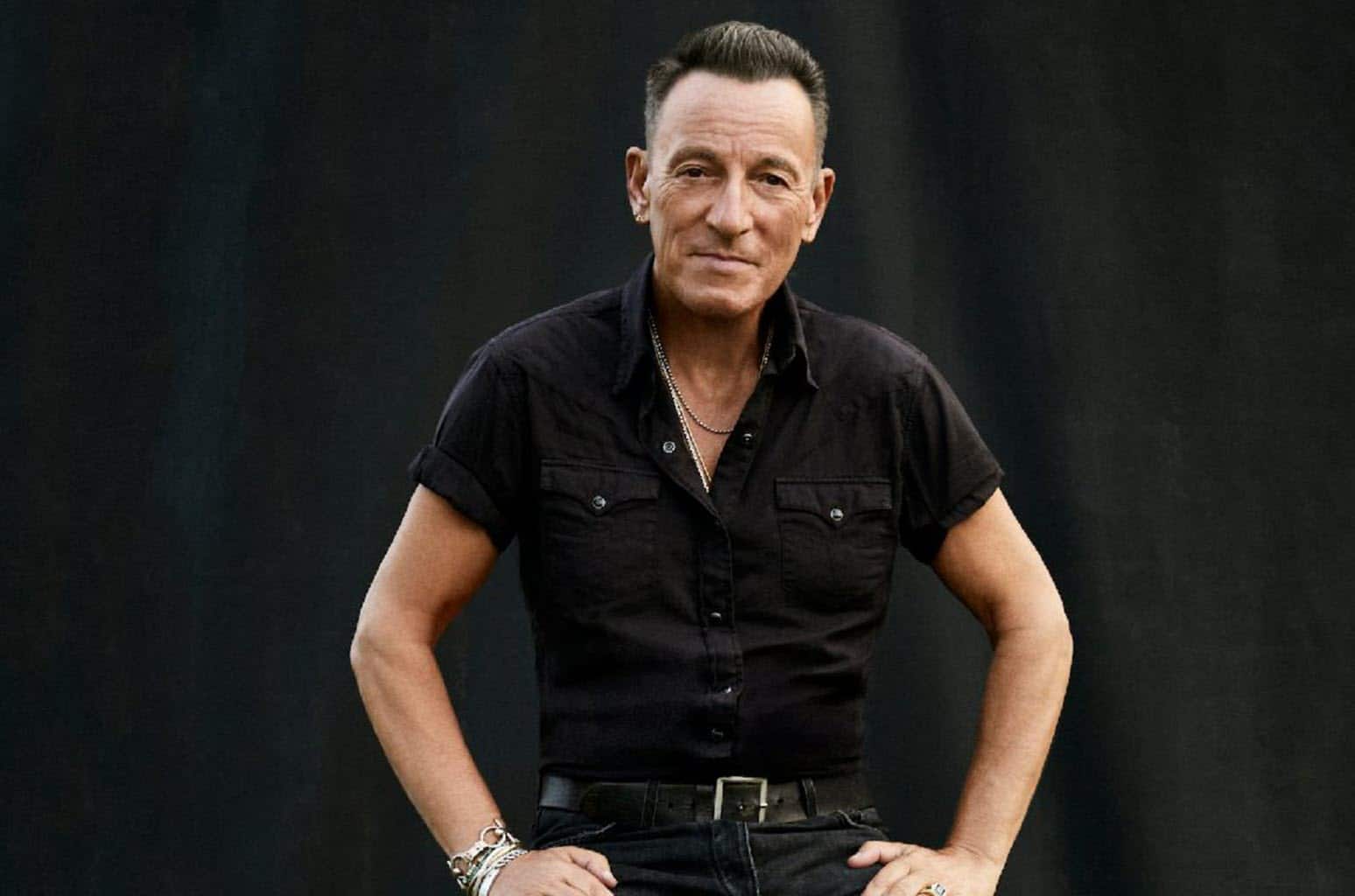
Bruce Springsteen isn’t just a musician—he’s a storyteller, a poet of the working class, and the voice of the American dream in all its triumphs and struggles. For over five decades, The Boss has captivated audiences with his electrifying performances, raw emotion, and lyrics that cut straight to the soul. From anthems of rebellion to heartbreaking ballads, his music has become the soundtrack of countless lives, filled with tales of love, loss, hope, and resilience.
But which songs stand above the rest? Which tracks have defined his monumental career and left an indelible mark on rock history? In this list, we’re counting down the top 10 most popular Bruce Springsteen songs of all time—the timeless classics that continue to resonate with fans across generations. Whether it’s the unbridled energy of Born to Run, the aching nostalgia of Glory Days, or the haunting beauty of Streets of Philadelphia, each of these songs represents a pivotal moment in Springsteen’s legendary catalog.
So, fire up your stereo, roll down the windows, and get ready to dive into the songs that made Bruce Springsteen an icon. These are the tracks that define The Boss—his greatest hits, his most powerful stories, and his most unforgettable moments. Let’s rock!
1. Born to Run (1975)
A rock ‘n’ roll anthem for dreamers and restless souls, Born to Run is Springsteen at his most cinematic. Released in 1975, the song captures the desperation and hope of youth yearning for escape and freedom. From the very first notes, it’s a whirlwind of emotion, driven by Max Weinberg’s thunderous drums, Roy Bittan’s soaring piano, and, most notably, Clarence Clemons’ electrifying saxophone solo. The lyrics tell the story of two lovers breaking free from a dead-end town, chasing a future filled with possibility. Springsteen’s raw, passionate delivery gives every line a sense of urgency, making it impossible not to feel the weight of the moment. More than just a song, Born to Run became a generational anthem and one of the defining tracks of rock history, solidifying Springsteen’s place as a master storyteller.
2. Thunder Road (1975)
Opening with a delicate harmonica and piano, Thunder Road sets the perfect tone for both the Born to Run album and the sense of adventure it embodies. Released in 1975, the song tells the story of a young man pleading with his lover to leave behind her small-town life and take a chance on something bigger. The poetic lyrics—“There were ghosts in the eyes of all the boys you sent away”—are filled with longing, hope, and the bittersweet weight of possibility. Unlike some of Springsteen’s more bombastic tracks, Thunder Road builds gradually, with each verse adding intensity before reaching its powerful climax. It’s a song of freedom and risk, of leaving behind the past for the promise of the unknown. Over the decades, it has remained one of Springsteen’s most beloved and timeless songs.
3. Dancing in the Dark (1984)
Few songs in Springsteen’s catalog have had the same commercial impact as Dancing in the Dark. Released in 1984 as the lead single from Born in the U.S.A., the song blends an upbeat, synth-driven sound with lyrics filled with frustration and yearning. Springsteen sings about feeling stuck in life, desperate for a spark to reignite his passion. The song’s infectious energy made it an instant hit, topping the charts and introducing Springsteen to a whole new generation of fans. The music video, featuring a then-unknown Courteney Cox being pulled onstage to dance with The Boss, became an iconic moment in pop culture. Even today, Dancing in the Dark remains a staple in his live performances, proving that its themes of self-doubt and reinvention are as relevant as ever.
4. Born in the U.S.A. (1984)
Often mistaken for a patriotic anthem, Born in the U.S.A. is actually one of Springsteen’s most scathing critiques of the American Dream. Released in 1984, the song tells the story of a Vietnam War veteran struggling to reintegrate into society, only to be met with indifference and hardship. The contrast between its booming stadium-rock sound and its somber lyrics is what makes it so powerful. The pounding drums and anthemic chorus mask the deep sadness and frustration within, making it a song that resonates on multiple levels. Despite its frequent misinterpretation, Born in the U.S.A. remains one of Springsteen’s most significant works, a powerful statement on the struggles of working-class Americans.
5. The River (1980)
A haunting ballad of love, sacrifice, and broken dreams, The River is one of Springsteen’s most emotionally devastating songs. Released in 1980 on the album of the same name, it was inspired by the real-life struggles of his sister and her husband. The song follows a young couple whose youthful romance is overshadowed by economic hardship, forcing them to confront the realities of adulthood too soon. The melancholic harmonica intro sets the tone, while Springsteen’s storytelling brings the pain and loss to life. His live performances of The River, often featuring extended spoken introductions, have only deepened its legendary status.
6. Glory Days (1984)
Nostalgic and bittersweet, Glory Days is a song about looking back on youth with a mix of humor and regret. Released in 1984, the song features an upbeat, barroom-rock sound that masks its deeper theme—the realization that time moves too fast. Springsteen tells vignettes of people reminiscing about their younger days, from an old baseball player to a former high school flame. While the melody is cheerful, the underlying message is clear: life keeps moving, whether we’re ready or not. Glory Days remains a crowd favorite, often played at concerts and sporting events, proving that its themes of nostalgia and lost time resonate with fans of all ages.
7. Streets of Philadelphia (1994)
Written for the critically acclaimed film Philadelphia, this haunting ballad earned Springsteen an Academy Award for Best Original Song in 1994. Streets of Philadelphia is a quiet, deeply emotional reflection on isolation, mortality, and the human condition. With its minimalist production—a steady drum machine beat and ghostly synthesizers—it creates an atmosphere of loneliness and sorrow. The lyrics, delivered in a hushed, pained voice, perfectly capture the film’s heartbreaking story about the AIDS crisis. More than just a soundtrack hit, this song stands as one of Springsteen’s most poignant and socially impactful works, highlighting his ability to give voice to the marginalized.
8. Jungleland (1975)
A grand, cinematic epic, Jungleland is the sprawling closer to Born to Run, clocking in at nearly 10 minutes. Released in 1975, the song paints a vivid picture of street gangs, doomed romance, and shattered dreams in an urban wasteland. Springsteen’s lyrics are pure poetry, transforming a gritty cityscape into a mythical battlefield. The highlight of the track is Clarence Clemons’ legendary saxophone solo—one of the most emotional moments in rock history. Jungleland is a testament to Springsteen’s ability to create songs that feel like movies, where every lyric and every note pulls you deeper into the world he’s crafted.
9. Badlands (1978)
Few songs capture defiance and resilience quite like Badlands. Released in 1978 on Darkness on the Edge of Town, the song is a fiery anthem about refusing to back down in the face of adversity. Its urgent guitars, pounding drums, and rallying chorus make it one of Springsteen’s most powerful tracks. The iconic lyric—“It ain’t no sin to be glad you’re alive”—is a battle cry for anyone fighting to overcome life’s hardships. Over the years, Badlands has become a staple of Springsteen’s live shows, embodying the raw energy and passion that define his music.
10. I’m on Fire (1984)
Simmering with quiet intensity, I’m on Fire is one of Springsteen’s most understated yet haunting songs. Released in 1984, it trades big production for a sparse, hypnotic arrangement—gentle guitar, subtle synths, and a steady drumbeat that feels like a heartbeat. The lyrics suggest both desire and loneliness, making the song feel deeply intimate and mysterious. Clocking in at just over two minutes, I’m on Fire proves that Springsteen doesn’t need grand anthems to make an impact—sometimes, less is more.

Samuel Moore is a frequent contributor to Singers Room. Since 2005, Singersroom has been the voice of R&B around the world. Connect with us via social media below.









