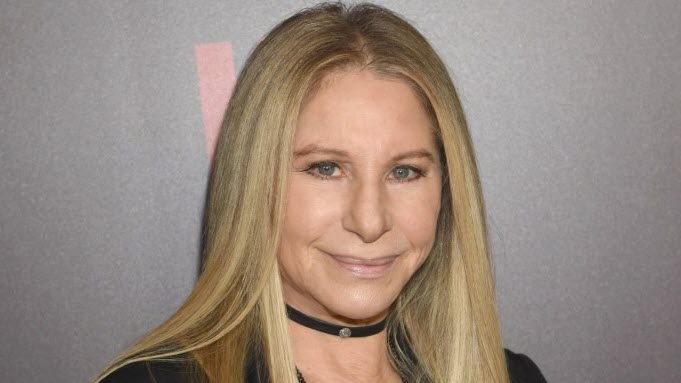
Barbra Streisand is more than just a name—she’s an icon, a legend, and a voice that has defined generations. With a career spanning over six decades, Streisand has captivated audiences with her unmatched vocal range, emotional depth, and timeless artistry. Whether you’re a lifelong fan or a newcomer discovering her brilliance, one thing is certain: her music has left an indelible mark on the world of entertainment.
From heartfelt ballads to show-stopping anthems, Streisand’s discography is a treasure trove of unforgettable hits. Her songs transport listeners to a realm of raw emotion, where love, heartbreak, hope, and triumph come alive through her unparalleled voice. But which tracks truly stand out among her extensive catalog? Which songs have stood the test of time, resonating with fans across generations?
In this article, we count down the top 10 most popular Barbra Streisand songs of all time. Each track on this list showcases her extraordinary talent, from Broadway classics to chart-topping pop hits. So sit back, turn up the volume, and let’s dive into the music that has made Barbra Streisand a global phenomenon. Get ready to rediscover the magic of one of music’s greatest legends!
1. “People” (1964)
“People” from Funny Girl remains one of Barbra Streisand’s most iconic songs, encapsulating the depth of human longing and the universal desire for connection. Released in 1964, this heartfelt ballad became a defining moment in her career, resonating with listeners worldwide. Written by Jule Styne and Bob Merrill, the lyrics speak of the hope and the vulnerability that comes with loving and being loved in return. What makes Streisand’s rendition unforgettable is her ability to infuse the song with her signature emotional depth, turning it into a powerful anthem for anyone who has ever yearned for love and companionship. Her voice, rich with emotion and sincerity, carries the weight of the lyrics, leaving a lasting impression on the listener. With its lush orchestration and sweeping melody, “People” is more than just a love song; it’s a reflection on the human experience of searching for meaningful connections. Streisand’s performance of the song in Funny Girl showcased her remarkable ability to combine vulnerability and strength, perfectly capturing the heart of the character Fanny Brice. The song quickly became a fan favorite, further solidifying Streisand’s place not only in musical theater but also in mainstream music. Over the years, “People” has become synonymous with Streisand’s name, showcasing her ability to create music that transcends generations. The song’s success marked a significant turning point in her career, highlighting her as a vocal powerhouse with a gift for storytelling. For many, “People” will forever be a reminder of the power of love and the shared human desire to find connection in a sometimes lonely world.
2. “The Way We Were” (1973)
Released in 1973 as the theme song for the film The Way We Were, this deeply emotional ballad became an instant classic, capturing the bittersweet nature of love and loss. The song’s wistful tone and nostalgic lyrics reflect on the fleeting moments of love, and Streisand’s soulful performance brought Marvin Hamlisch’s composition to life in a way that resonated with millions. The haunting melody and poignant lyrics convey the longing for the past while acknowledging the passage of time. Streisand’s voice, with its warmth and depth, perfectly conveys the delicate balance of remembering a love that once was, and the pain of knowing it is no longer. The track’s orchestration, lush and sweeping, mirrors the emotion in Streisand’s performance, adding another layer of richness to the song. “The Way We Were” quickly became one of Streisand’s most beloved songs, earning her both an Academy Award and a Grammy. The song captures the complexity of human emotion—the sweet ache of remembering and the sorrow that comes with letting go. For many, it’s a song that takes them back to a specific time and place in their lives, evoking memories of past loves and cherished moments. Its universal theme of nostalgia has kept it relevant for generations, cementing its place as one of the greatest ballads of all time. Streisand’s performance continues to be a benchmark for singers who seek to imbue their music with deep emotional resonance, making “The Way We Were” an enduring part of her musical legacy.
3. “Evergreen (Love Theme from A Star Is Born)” (1976)
In 1976, Streisand delivered one of her most tender and timeless ballads with “Evergreen (Love Theme from A Star Is Born).” Written by Streisand and Paul Williams, this song became an instant classic, showcasing her unparalleled ability to convey profound emotion through her voice. A love song at its core, “Evergreen” speaks to the enduring nature of love, how it can blossom and withstand the tests of time. The melody is soft and flowing, reflecting the purity and beauty of the love it describes, while Streisand’s vocal performance imbues the song with a deep sense of tenderness and vulnerability. With her ability to navigate the delicate balance of passion and restraint, Streisand makes “Evergreen” a deeply personal and universally relatable experience. The song’s gentle rhythm and lush orchestration evoke feelings of warmth and intimacy, making it a perfect companion to the film A Star Is Born, where it underscores the emotional depth of the relationship at the heart of the story. “Evergreen” became a hallmark of Streisand’s career, winning the Academy Award for Best Original Song and further cementing her status as one of the greatest vocalists of her generation. For many, the song represents the pinnacle of love—its sincerity and simplicity making it a beautiful reflection on the kind of love that lasts, whether through triumph or hardship. Streisand’s delivery captures the song’s delicate beauty, making “Evergreen” one of her most cherished and memorable hits.
4. “Don’t Rain on My Parade” (1964)
“Don’t Rain on My Parade,” another standout from Funny Girl (1964), is one of Barbra Streisand’s most dynamic and empowering anthems. Full of bravado and defiance, the song is a declaration of determination and the refusal to be held back by obstacles or doubts. Streisand’s performance is nothing short of electrifying, as she pours her heart into the lyrics with a sense of unapologetic confidence. The song’s bold, brassy tone perfectly captures the spirit of Fanny Brice, the character Streisand portrays in Funny Girl. As Fanny defies expectations and strives for greatness, “Don’t Rain on My Parade” serves as her rallying cry, urging listeners to embrace their own strength and pursue their dreams regardless of the challenges ahead. Streisand’s powerhouse vocals take center stage, with every note imbued with the energy and optimism of someone who refuses to be defeated. The orchestration is bold and triumphant, creating a sense of grandeur and celebration that mirrors the song’s message of self-empowerment. With its soaring melody and fierce lyrics, “Don’t Rain on My Parade” became an instant classic, turning Streisand into a household name and a symbol of unyielding ambition. It’s the kind of song that leaves listeners inspired and motivated, reminding them of their own potential to overcome adversity. Over the years, this song has become one of Streisand’s signature pieces, and its impact continues to resonate, particularly as an anthem of empowerment and resilience.
5. “You Don’t Bring Me Flowers” (1978)
A duet with Neil Diamond, “You Don’t Bring Me Flowers” is a haunting and heartbreaking song about the slow deterioration of a relationship. Released in 1978, the track immediately struck a chord with listeners due to its relatable portrayal of love fading over time. Streisand and Diamond’s voices blend perfectly, with each singer conveying the raw emotion of the song in a way that resonates deeply with audiences. The lyrics tell the story of two people whose once-passionate relationship has turned cold, with the simple act of bringing flowers symbolizing the small gestures of affection that are now missing. Streisand’s voice is full of yearning and vulnerability as she sings about the absence of love in her life, while Diamond’s deep, gravelly delivery adds an emotional depth to the song’s reflective tone. The combination of their contrasting vocal styles—her soaring, emotional highs and his grounded, earthy lows—creates a perfect balance that enhances the sorrowful message of the song. The music itself is understated, with a gentle piano-driven melody and subtle strings that allow the vocal performances to take center stage. “You Don’t Bring Me Flowers” became a huge hit and a classic duet, with its melancholic theme of love lost striking a universal chord. The song remains a staple in both Streisand’s and Diamond’s catalog, and its ability to capture the quiet sadness of a fading relationship continues to resonate with listeners to this day.
6. “Woman in Love” (1980)
From her 1980 album Guilty, “Woman in Love” is a soaring power ballad that showcases Streisand’s impressive vocal range and undeniable emotional depth. Written by Barry and Robin Gibb of the Bee Gees, the song is a passionate declaration of love, sung from the perspective of a woman completely swept up by the power of her emotions. The song’s driving rhythm and lush orchestration amplify the intensity of Streisand’s performance, making it an unforgettable anthem for those who know what it feels like to be deeply in love. Streisand’s voice shines in “Woman in Love,” with its soaring highs and rich, resonant lows capturing the complexities of love in a way only she can. The lyrics express the vulnerability that comes with giving yourself completely to someone, and Streisand’s delivery brings out the raw emotions behind the words. As the song builds, so does the intensity of her voice, creating a sense of urgency and passion that makes it impossible to ignore. “Woman in Love” became a massive hit, topping charts around the globe, and remains one of Streisand’s most memorable songs. Its blend of disco-infused pop and classic Streisand balladry created a timeless hit that continues to be celebrated by fans. For many, the song is a powerful reminder of the transformative power of love and the willingness to give everything for it.
7. “Papa, Can You Hear Me?” (1983)
From the 1983 film Yentl, “Papa, Can You Hear Me?” is one of Streisand’s most emotionally powerful performances, showcasing her ability to connect deeply with her audience through her voice. In the film, Streisand’s character, Yentl, is a young woman who, in a bid to pursue an education in a male-dominated world, disguises herself as a man. This song, sung from the perspective of a daughter yearning for her deceased father’s guidance, is filled with vulnerability and longing. The lyrics express a profound sense of loss and the deep desire for a loved one’s presence in times of uncertainty. Streisand’s voice, fragile yet full of emotion, captures the emotional complexity of the song, making it one of her most hauntingly beautiful performances. The orchestration complements her delivery, with sweeping strings and gentle piano creating a dreamlike atmosphere that enhances the song’s emotional weight. “Papa, Can You Hear Me?” is not just about loss but also about the bond between a father and a daughter, a bond that transcends death. Streisand’s poignant delivery makes this song resonate with anyone who has experienced the longing for a lost loved one. The song also holds spiritual undertones, as Yentl reaches out not only to her father but also to a higher power for guidance. “Papa, Can You Hear Me?” was widely acclaimed, and Streisand’s performance earned her a Golden Globe Award. It remains one of her most beloved ballads, a testament to her ability to turn deeply personal emotions into a universal experience.
8. “Memory” (1981)
Originally written for the musical Cats (1981), “Memory” is one of the most powerful songs in Streisand’s repertoire. Though the song was first performed by Elaine Paige on the West End, Streisand’s rendition of “Memory” is widely regarded as one of the definitive versions. Her voice imbues the song with a sense of longing and nostalgia, capturing the essence of the lyrics, which reflect on the passage of time and the fading beauty of life. The song speaks to the human desire to remember the past and hold on to the fleeting moments of joy, while also confronting the inevitability of change. Streisand’s interpretation of “Memory” transforms it from a melancholy reflection into a powerful anthem of resilience and hope. Her vocal range and emotional depth bring new life to the song, turning it into a personal experience for every listener. The orchestration is grand and sweeping, mirroring the emotional intensity of Streisand’s performance. With each note, she draws the listener in, making them feel the weight of the lyrics and the personal connection to the themes of loss and remembrance. Over the years, “Memory” has become a fan favorite, and Streisand’s version remains one of the most celebrated interpretations of the song. It stands as a testament to Streisand’s vocal prowess, her ability to elevate a song with deep emotional resonance, and her timeless appeal as an artist.
9. “Guilty” (1980)
The title track from her 1980 album Guilty is a duet between Barbra Streisand and Barry Gibb of the Bee Gees. “Guilty” is a smooth, disco-infused ballad that captures the essence of romantic longing and passion. Written by Barry and Robin Gibb, the song is about the vulnerability of falling in love and the intensity of emotions that accompany it. Streisand’s voice, full of depth and richness, pairs perfectly with Gibb’s falsetto, creating an undeniable chemistry between the two singers. The song’s lyrics explore the complexity of love, acknowledging the feeling of guilt that sometimes arises when one is completely consumed by passion. “Guilty” is infused with a sense of urgency, as both Streisand and Gibb sing about the emotional pull of love, and the song’s upbeat rhythm and catchy melody mirror the powerful emotions at its heart. The track was a massive hit, climbing the charts around the world and solidifying Streisand’s place in the pop music scene. The combination of Streisand’s distinctive voice and the Bee Gees’ signature sound created a perfect fusion of pop and soul that made “Guilty” an instant classic. The song remains a standout in Streisand’s catalog, offering a perfect example of her ability to navigate a wide range of musical styles. With its unforgettable melody and emotionally charged lyrics, “Guilty” remains one of Streisand’s most memorable and widely loved songs.
10. “Somewhere” (1985)
Barbra Streisand’s rendition of “Somewhere,” originally from the Broadway musical West Side Story, is a soaring ballad filled with hope and longing. Released in 1985, Streisand’s interpretation of this classic song breathes new life into it, bringing her own unique vocal style to the well-known melody. “Somewhere” is about the possibility of finding peace and love in a world that can often feel divided and full of conflict. The lyrics express the yearning for a better place—a place where love transcends all barriers. Streisand’s voice, powerful and emotional, perfectly conveys the depth of this longing, with every note imbued with a sense of hope and optimism. The orchestration is grand, with sweeping strings and a building crescendo that mirrors the intensity of the song’s message. Streisand’s performance is both delicate and strong, capturing the essence of the song’s theme of dreaming of a better future. Her interpretation of “Somewhere” stands as a beautiful reminder of the transformative power of love and the belief that a better world is possible. The song’s emotional resonance has made it a favorite among fans, and Streisand’s rendition is considered one of the most moving versions of this timeless classic. Released in the mid-80s, the song was embraced by a new generation of listeners, further cementing Streisand’s status as a vocal legend. Her ability to infuse the song with both grace and power has made her version of “Somewhere” one of the most enduring in the history of popular music.

Edward Tomlin is a frequent contributor to Singers Room. Since 2005, Singersroom has been the voice of R&B around the world. Connect with us via social media below.









