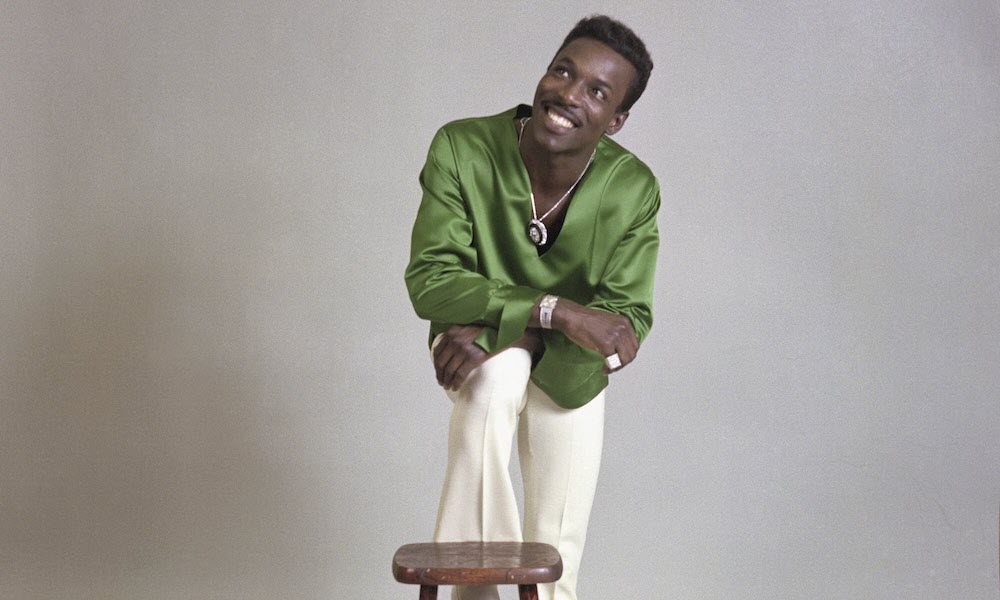
Wilson Pickett was more than just a soul singer—he was a force of nature. With a voice that could roar like thunder and groove like a runaway train, Pickett helped define the sound of 1960s and 1970s soul and R&B. From his gritty, passionate delivery to the electrifying energy he brought to every performance, his music remains as powerful today as it was when it first hit the airwaves.
Nicknamed “Wicked” Wilson Pickett for his fiery stage presence, he delivered some of the most iconic soul anthems of all time. Whether he was belting out a sweaty, dancefloor-shaking hit or pouring raw emotion into a heartfelt ballad, his songs captured the spirit of an era. Backed by legendary musicians at Stax Records and Muscle Shoals, Pickett turned every track into a masterpiece of rhythm, blues, and pure, unfiltered soul.
In this list, we’ll take a deep dive into Wilson Pickett’s 10 most popular songs, exploring the hits that made him a legend. From “In the Midnight Hour” to “Mustang Sally,” get ready for a journey through some of the most electrifying music ever recorded. Turn up the volume—soul doesn’t get any better than this! 🎶🔥
1. “In the Midnight Hour” (1965)
Wilson Pickett’s “In the Midnight Hour” isn’t just a song—it’s a defining anthem of 1960s soul that still resonates today. Released in 1965 and co-written with the legendary Steve Cropper of Booker T. & the M.G.’s, the track delivers a raw, electrifying energy that captures the heart of Southern soul. The groove is infectious, driven by tight horns and Pickett’s passionate, gritty vocals that seem to leap out of the speakers. What makes this track unique is its delayed backbeat—a rhythmic innovation inspired by the way dancers moved, adding a laid-back yet powerful swagger to the song. It quickly soared to #1 on the R&B charts and made significant waves on the pop charts, establishing Pickett as one of the true pioneers of the Stax Records sound. Decades later, “In the Midnight Hour” remains a staple in soul music, covered by countless artists and celebrated for its timeless appeal and unforgettable hook.
2. “Mustang Sally” (1966)
While Mack Rice originally penned “Mustang Sally” in 1965, it was Wilson Pickett’s explosive 1966 rendition that turned it into a soul classic. Pickett injected the track with his signature growl and bluesy swagger, transforming it from a fun tune into a full-blown R&B anthem. The song tells the tale of a free-spirited woman gifted a shiny new Mustang, more interested in burning rubber than settling down—much to the narrator’s frustration. Pickett’s impassioned vocals are perfectly paired with the song’s call-and-response chorus, making it irresistible to sing along to. The tight rhythm section, punchy horns, and undeniable groove helped the song peak at #6 on the R&B charts, and it quickly became a favorite on dance floors everywhere. Today, “Mustang Sally” is one of the most recognizable tracks in soul history, proving that Wilson Pickett had the magic touch when it came to turning good songs into unforgettable hits.
3. “Land of 1000 Dances” (1966)
Wilson Pickett’s “Land of 1000 Dances” is a full-throttle, high-energy soul explosion that took the dance floors by storm in 1966. Originally written and recorded by Chris Kenner, Pickett’s version catapulted the song to new heights, thanks in part to the legendary Muscle Shoals Rhythm Section’s fiery instrumentation. The track’s infectious “Na-na-na-na” chant became its defining hook, pulling listeners in before they even realized they were grooving. Blending pounding drums, blaring horns, and Pickett’s powerful, gritty vocals, the song radiates pure excitement from start to finish. It wasn’t just a hit—it became a phenomenon, topping the R&B chart and reaching #6 on the Billboard Hot 100. “Land of 1000 Dances” stands as one of soul music’s most exhilarating tracks, a timeless invitation to get up, move, and lose yourself in the rhythm.
4. “634-5789 (Soulsville, U.S.A.)” (1966)
With “634-5789 (Soulsville, U.S.A.)”, Wilson Pickett delivered one of the smoothest yet most dynamic tracks of his career. Written by Eddie Floyd and Steve Cropper, this 1966 hit combines playful lyrics with an irresistible groove. The song revolves around Pickett offering his phone number to a woman in need of some love—a charmingly simple premise elevated by his commanding vocal delivery. The horns are tight and punchy, the rhythm section locks into a perfect groove, and Pickett’s voice brings both grit and warmth to the track. It didn’t take long for “634-5789” to climb to #1 on the R&B charts, and its crossover success on the pop charts cemented Pickett’s reputation as one of soul’s leading voices. The song remains a fan favorite, a testament to Pickett’s ability to make even the simplest songs unforgettable.
5. “Funky Broadway” (1967)
When Wilson Pickett recorded “Funky Broadway” in 1967, he brought a raw, gritty edge that pushed the boundaries of soul into funk territory. Originally written and recorded by Dyke and the Blazers, Pickett’s version took the song to new heights, infusing it with fiery horn stabs, a driving bassline, and his unmistakable vocal growl. The lyrics celebrate a new dance craze sweeping the streets, but it’s the song’s deep groove and infectious rhythm that really get people moving. Pickett’s delivery is as fierce as ever, and the track’s bold, funky energy made it an instant hit, climbing to #1 on the R&B charts. “Funky Broadway” not only showcased Pickett’s versatility but also highlighted his growing influence on the emerging funk movement, proving that he was always ahead of the curve when it came to evolving his sound.
6. “Don’t Knock My Love” (1971)
By the early ‘70s, Wilson Pickett had begun blending funkier, more contemporary sounds into his music, and “Don’t Knock My Love” is a perfect example of this evolution. Released in 1971, the song features a slinky, bass-driven groove that bridges the gap between traditional soul and the emerging funk sound. Pickett’s vocals are as passionate and fiery as ever, delivering a message of unwavering devotion with conviction and flair. The track’s modern arrangement, complete with funky guitar riffs and tight horn sections, showcases Pickett’s ability to adapt to changing musical landscapes while staying true to his roots. “Don’t Knock My Love” soared to #1 on the R&B charts and marked one of his last major hits of the decade, proving that his influence extended far beyond the ‘60s.
7. “Engine Number 9” (1970)
With “Engine Number 9,” released in 1970, Wilson Pickett embraced a heavier, funk-infused sound that showcased his ability to evolve with the times. The song’s relentless, driving rhythm mimics the motion of a speeding train, with Pickett’s urgent, almost hypnotic vocal delivery amplifying the sense of movement and longing. Singing about a lost love he hopes to find again, Pickett pours raw emotion into every note, backed by a deep groove and punchy horns that keep the energy high from start to finish. The track became a Top 15 hit on the pop charts, proving that even as musical trends shifted, Pickett’s powerful voice and magnetic presence could still captivate audiences. “Engine Number 9” stands as a testament to his versatility and enduring appeal.
8. “I’m in Love” (1967)
Wilson Pickett’s “I’m in Love” reveals a softer, more romantic side of the soul legend. Released in 1967 and written by Bobby Womack, the song is a heartfelt ballad that showcases Pickett’s ability to deliver tender emotion with the same intensity as his more high-energy tracks. The arrangement is lush yet understated, with gentle horns and a steady rhythm section that perfectly complement his soulful vocals. Pickett’s passionate delivery brings the song’s simple yet profound lyrics to life, making it clear that his talent extended far beyond the dance floor. “I’m in Love” reached the Top 10 on the R&B charts and became a favorite among fans of soul ballads, highlighting Pickett’s versatility as both a powerhouse performer and a deeply emotive singer.
9. “Hey Jude” (1969)
Wilson Pickett’s 1969 cover of The Beatles’ “Hey Jude” is nothing short of transformative. With guitar virtuoso Duane Allman adding blistering licks throughout the track, Pickett reimagined the song as a gospel-infused, soul powerhouse. His raw, impassioned vocals bring a new depth of emotion to the song, especially as he pushes his voice to the brink in the song’s explosive final minutes. The combination of Allman’s fiery guitar work and Pickett’s soul-stirring delivery turned “Hey Jude” into a gritty masterpiece that resonated with both soul and rock audiences alike. The song became a Top 40 hit, and its influence extended beyond Pickett’s catalog—Eric Clapton later cited it as a pivotal moment in Duane Allman’s rise to fame. This rendition remains one of the most electrifying Beatles covers ever recorded.
10. “Ninety-Nine and a Half (Won’t Do)” (1966)
Wilson Pickett’s “Ninety-Nine and a Half (Won’t Do)” is a fiery declaration of uncompromising love and devotion. Released in 1966, the track is a high-energy soul anthem driven by a powerful horn section and an irresistible groove. Pickett’s vocals are full of passion and conviction as he makes it clear that anything less than complete commitment simply isn’t enough. The song’s gospel-influenced call-and-response structure adds to its intensity, creating an atmosphere of urgency and fervor that’s impossible to ignore. “Ninety-Nine and a Half” stands out as one of Pickett’s most dynamic tracks from his golden era, showcasing his ability to blend soulful melodies with heartfelt lyrics that hit straight to the heart.

Samuel Moore is a frequent contributor to Singers Room. Since 2005, Singersroom has been the voice of R&B around the world. Connect with us via social media below.









