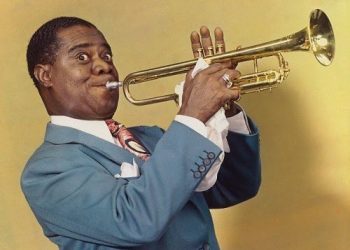
Few instruments possess the ability to command attention, evoke raw emotion, and infuse music with energy quite like the trumpet. Its piercing clarity and bold resonance have made it a cornerstone of classical compositions, jazz improvisations, and even modern pop hits. But behind every breathtaking solo and unforgettable melody lies a masterful player whose talent transcends time. From the golden age of swing to contemporary virtuosos redefining the art, trumpet players have left an indelible mark on the world of music.
In this exclusive list, we honor the 15 greatest trumpet players of all time—innovators, entertainers, and pioneers whose skills have inspired countless musicians and enthralled audiences around the globe. These legends have not only mastered the art of playing but also revolutionized the way we perceive the trumpet’s role in music. Whether it’s Louis Armstrong’s infectious charisma, Miles Davis’s haunting coolness, or Alison Balsom’s modern elegance, each of these artists has a unique story and sound that changed the game.
So, grab your metaphorical front-row seat as we dive into the lives, legacies, and unforgettable performances of the top trumpet players who have shaped the soundtrack of history. Prepare to be amazed!
1. Louis Armstrong
Louis Armstrong, affectionately known as “Satchmo,” is often hailed as the undisputed father of modern jazz trumpet. Born in 1901 in New Orleans, Armstrong’s influence extended far beyond just jazz, shaping the entire landscape of American music. He was not only an extraordinary trumpet player but also a charismatic vocalist, his distinctive gravelly voice adding depth and personality to his performances. Armstrong’s improvisational skills were unparalleled, constantly pushing the boundaries of musical expression. He revolutionized the way jazz was played, turning the trumpet into an instrument of pure emotion and creative freedom. Tracks like “What a Wonderful World” have become timeless classics, transcending the boundaries of jazz and reaching audiences around the globe. Armstrong’s work with his Hot Five and Hot Seven bands during the 1920s redefined what was possible in jazz, bringing sophisticated improvisation and technical brilliance to the forefront of popular music. His famous trumpet solos showcased his impeccable control, incredible range, and ability to swing in a way no one had before. Armstrong’s influence didn’t stop at his playing. His infectious stage presence and joyful spirit made him a beloved figure worldwide. His innovation helped shape the development of jazz into the global genre it is today, and his music continues to inspire both musicians and listeners. Through Armstrong, jazz was no longer just a niche style for a select audience but became a genre with mass appeal, filled with heart, soul, and a deep sense of joy. Louis Armstrong’s contribution to music cannot be overstated—he didn’t just play jazz; he brought it to life, creating a legacy that endures to this day.
2. Miles Davis
Miles Davis was a musical genius whose revolutionary approach to jazz helped define and redefine the genre through every phase of his career. Born in 1926 in Alton, Illinois, Davis was a true innovator, constantly exploring new sounds and pushing the limits of jazz. From his early collaborations with greats like Charlie Parker to his groundbreaking work on albums such as “Kind of Blue,” Davis consistently redefined what was possible on the trumpet. His style was never static—he was a musician who could evolve with the times, incorporating elements of blues, bebop, and modal jazz into his work. The cool, relaxed tones of “Kind of Blue” helped define a new era of jazz, one that was both introspective and profound. Davis’ ability to express emotion through his trumpet playing was unparalleled; every note seemed to speak directly to the listener’s soul. But Davis wasn’t just a virtuoso—he was a fearless experimenter. Albums like “Bitches Brew” marked his departure from traditional jazz, as he delved into fusion by incorporating rock, funk, and electronic elements. This shift not only changed the course of his career but also set the stage for future innovations in jazz and beyond. Davis was instrumental in the development of new jazz styles, including the modal jazz of the late ’50s and the jazz fusion of the ’70s. Beyond his technical prowess, Davis had an aura of coolness and mystique that captivated listeners and musicians alike. His influence stretched far beyond jazz, leaving an indelible mark on the worlds of rock, funk, and hip-hop. Miles Davis will always be remembered as a true visionary who never stopped pushing the boundaries of music.
3. Dizzy Gillespie
Dizzy Gillespie was a true force of nature in the world of jazz, combining technical virtuosity with an unmistakable flair for showmanship and humor. As one of the founding figures of bebop and a pioneer of Afro-Cuban jazz, Gillespie’s influence cannot be overstated. Born in 1917 in Cheraw, South Carolina, Gillespie’s playing was as fiery as his personality, and his trumpet style quickly became synonymous with the new, fast-paced world of bebop that emerged in the 1940s. His unique bent trumpet, paired with his signature puffed cheeks, became iconic symbols of his sound and persona. Gillespie was known for his dazzling speed, quick-witted improvisations, and invention of new harmonic ideas, pushing the boundaries of jazz beyond its traditional forms. His groundbreaking compositions like “A Night in Tunisia” and “Salt Peanuts” remain staples of the jazz canon, showcasing his complex rhythms, harmonic innovations, and unmatched ability to challenge the listener’s ear. Gillespie’s impact on jazz wasn’t just limited to his own performances—he mentored countless musicians, many of whom went on to become legends themselves, including John Coltrane and Sonny Rollins. Gillespie’s work in Afro-Cuban jazz was particularly revolutionary, introducing Latin rhythms into the fabric of modern jazz and opening up new avenues of musical exploration. But what truly set Gillespie apart was his joy. Whether performing on stage or in the studio, his energetic personality and infectious enthusiasm were evident, making him one of the most beloved figures in the history of jazz. Gillespie’s ability to blend the technical and the emotional, the serious and the playful, makes him a true legend whose music continues to inspire new generations of jazz musicians.
4. Clifford Brown
Clifford Brown was one of jazz’s brightest stars, whose career, though tragically short, left an indelible mark on the trumpet world. Born in 1930 in Wilmington, Delaware, Brown was a virtuoso whose playing was characterized by its clarity, warmth, and lyrical beauty. Despite his passing at just 25 years old, Brown’s contributions to jazz trumpet continue to resonate. He was known for his technical prowess, especially his smooth articulation and ability to execute complex phrases effortlessly, all while maintaining a rich, full tone that became his signature. Brown’s recordings, such as “Joy Spring” and “Daahoud,” are widely regarded as masterpieces, showcasing his expressive improvisation and his profound understanding of harmony. What set Brown apart from many of his contemporaries was his ability to balance technical mastery with emotional depth. His solos were often melodic, filled with sweeping lines that moved effortlessly between excitement and introspection. His discipline, coupled with a natural sense of musicality, allowed him to blend seamlessly into any ensemble. Brown’s influence went beyond just his own recordings; his collaborations with jazz greats like Max Roach, Art Blakey, and Sonny Rollins demonstrated his flexibility and adaptability within various jazz settings. His untimely death in a car crash in 1956 robbed the world of what could have been an even more extraordinary legacy, but his impact remains immeasurable. To this day, Clifford Brown’s recordings are considered essential listening for anyone seeking to understand the evolution of jazz trumpet. His ability to fuse technical skill with musical expression makes him one of the most revered figures in the history of jazz.
5. Arturo Sandoval
Arturo Sandoval is a Cuban-born trumpet virtuoso whose career spans classical music, jazz, and Latin genres. Born in 1949 in Artemisa, Cuba, Sandoval’s versatility and exceptional technical ability have made him one of the most respected trumpet players in the world. His playing encompasses a wide range of styles, blending classical precision, jazz improvisation, and Latin rhythms seamlessly. Sandoval’s breathtaking trumpet solos have earned him multiple Grammy Awards, but his greatest strength lies in his ability to move between genres, bringing his own unique voice to each. As a classically trained musician, Sandoval has performed with some of the world’s most prestigious orchestras, bringing an unmatched elegance to his classical performances. Yet it is his jazz and Latin jazz recordings that have truly solidified his place in the trumpet pantheon. Sandoval’s performances often showcase his virtuosity, from high-flying flourishes to deep, soulful phrases. His work with the legendary Chico O’Farrill and collaborations with jazz giants like Dizzy Gillespie (who was a mentor to Sandoval) helped introduce his exuberant playing to the world. His fiery performances of Latin jazz standards such as “Mambo Influenciado” and “A Mis Abuelos” highlight his commanding stage presence and his ability to connect with audiences emotionally. Sandoval’s mastery of the trumpet is complemented by his passion for teaching, sharing his knowledge with young musicians around the world. His ability to effortlessly blend genres, along with his unwavering dedication to his craft, makes Arturo Sandoval a true trumpet legend whose influence continues to shape the music world.
6. Wynton Marsalis
Wynton Marsalis is a towering figure in modern jazz and classical music, known for his technical brilliance, his artistic integrity, and his dedication to the preservation and evolution of jazz. Born in 1961 in New Orleans, Marsalis is a true ambassador for the trumpet, pushing the instrument’s boundaries while paying homage to its rich traditions. He rose to prominence in the 1980s, establishing himself as a virtuoso trumpet player, bandleader, and composer, winning multiple Grammy Awards and even the Pulitzer Prize for Music in 1997. Marsalis’ trumpet style is characterized by its crisp precision and impeccable articulation, paired with a deep sense of musicality. His technically demanding solos never sacrifice emotion, and his harmonic sophistication is evident in every phrase. Albums like “Black Codes (From the Underground)” and “The Majesty of the Blues” highlight his ability to blend complex jazz rhythms with bluesy, soulful expressions. While Marsalis is a master of traditional jazz forms, his compositions and performances also demonstrate a forward-thinking approach to the genre, incorporating elements of classical music and modern jazz innovations. His work as the artistic director of the Jazz at Lincoln Center Orchestra has helped to revitalize interest in jazz as an art form, bringing the genre to new audiences. Marsalis is also known for his passionate advocacy of jazz education, using his platform to encourage young musicians to explore the rich heritage of jazz while developing their own unique voices. Through his dedication to both performance and education, Wynton Marsalis has firmly established himself as one of the most influential trumpet players of the 20th and 21st centuries.
7. Maynard Ferguson
Maynard Ferguson was a trumpeter known for his astounding high-note abilities and his larger-than-life stage presence. Born in 1928 in Montreal, Ferguson’s career spanned over five decades, during which he became a trumpet legend and one of the most dynamic performers in jazz history. He was celebrated for his ability to reach incredible high registers on the trumpet, pushing the limits of the instrument and thrilling audiences with his electrifying solos. Ferguson’s distinctive sound and virtuosity made him a fixture in both jazz and pop music, and his performances were characterized by their explosive energy and infectious enthusiasm. Ferguson’s playing was technically demanding, but it was his ability to combine that with an emotional connection to his audience that truly set him apart. He could go from piercing, fast-paced high notes to smooth, lyrical phrases without losing any of the emotional depth of the music. His work with the Stan Kenton Orchestra and later with his own Maynard Ferguson Orchestra proved his versatility, as he experimented with a variety of styles, from big band jazz to fusion. Hits like “Gonna Fly Now,” the theme song from the movie Rocky, became synonymous with his high-energy performances, as his brassy, powerful trumpet defined the spirit of the 1970s. Ferguson’s legacy lives on not only through his recordings but through his influence on trumpet players who sought to replicate his fearless approach to high-note trumpet playing. His distinctive tone and high-flying trumpet solos continue to inspire jazz and brass musicians alike. Maynard Ferguson’s contributions to jazz are immeasurable, and his music remains a testament to his limitless creativity.
8. Chet Baker
Chet Baker was one of jazz’s most captivating figures, known for his smooth, haunting trumpet tone and his delicate vocals. Born in 1929 in Yale, Oklahoma, Baker became synonymous with the cool jazz movement and is regarded as one of the most emotional and expressive trumpet players in jazz history. Baker’s approach to trumpet was intimate, often playing in a more subdued, melodic style, contrasting the flashy, technical virtuosity of many of his contemporaries. His sound was often described as lyrical, with a gentle clarity that resonated deeply with listeners. His interpretations of ballads were legendary, and songs like “My Funny Valentine” and “I Fall in Love Too Easily” became defining pieces in his catalog. What made Baker’s playing unique was his ability to express vulnerability and emotional depth in every note. His soft, breathy tone seemed to convey the conflict and fragility that marked much of his personal life, which was plagued by substance abuse and struggles with addiction. Despite these challenges, Baker’s artistry remained undeniable, and his iconic recordings with the Chet Baker Quintet are cherished by jazz lovers worldwide. His vocal work, often as tender and fragile as his trumpet playing, brought a distinctive element to his recordings, adding to his romantic, melancholic style. Though his life was tragically cut short in 1988, Chet Baker’s music continues to captivate and inspire listeners, particularly those who appreciate the introspective, emotionally-charged beauty of his work. His influence on both trumpet playing and vocal jazz is profound, and his legacy as one of jazz’s most enduring figures endures.
9. Freddie Hubbard
Freddie Hubbard was a trailblazing trumpet player whose fiery, adventurous sound pushed the boundaries of jazz trumpet in the 1960s and beyond. Born in 1938 in Indianapolis, Hubbard was one of the most influential players in the hard bop era and is celebrated for his bold, daring improvisations. He had a distinctive style characterized by its brilliant articulation, powerful attack, and ability to navigate complex harmonic structures with apparent ease. Hubbard’s trumpet playing was often described as explosive, filled with rapid-fire runs and piercing high notes. His technical proficiency and creative use of space made him a leader in the post-bop movement, and his influence extended across the entire jazz genre. Albums like “Open Sesame” and “Red Clay” are masterpieces that showcase his fiery approach to the trumpet. His playing was often aggressive, but it also had a melodic quality, especially when he embraced the softer, more introspective side of his instrument. Hubbard’s collaborations with jazz icons like Art Davis, Wayne Shorter, and McCoy Tyner helped establish him as one of the most sought-after sidemen in the jazz world. He was a member of the Art Blakey Jazz Messengers, a band known for its intense, hard-hitting sound, and Hubbard’s contributions to its recordings are crucial to the group’s success. Despite his fiery trumpet sound, Hubbard also had the ability to bring a deep sense of lyrical warmth to his playing, particularly when performing ballads. His fearless approach to improvisation helped shape the direction of modern jazz trumpet playing. Freddie Hubbard’s playing continues to serve as a major influence for trumpet players and jazz musicians worldwide.
10. Lee Morgan
Lee Morgan was a prodigious talent whose soulful trumpet playing defined the hard bop era. Born in 1938 in Philadelphia, Morgan’s contributions to jazz were as dynamic as his career was influential. His sound was unmistakable: full of energy, emotion, and expressive vibrancy, Morgan’s trumpet could carry both the fiery intensity of bebop and the smooth lyricism of a seasoned ballad player. Morgan’s iconic track “The Sidewinder” became a crossover hit, introducing the world to his unique style and blending hard bop with blues and R&B grooves. The track’s infectious rhythmic pulse and catchy trumpet line helped it break into the mainstream, and it remains a defining piece of his career. Morgan’s ability to navigate complex melodies while staying true to the deep soulfulness of his sound made him an exceptional soloist. His work with the Art Blakey Jazz Messengers, particularly on albums like “A Night in Tunisia” and “The Freedom Rider,” was foundational to the hard bop movement, showcasing his mastery of both technical skills and emotional expression. Though Morgan’s life was tragically cut short by a senseless act of violence in 1972, his contributions to jazz were undeniable. His legacy is one of courageous improvisation and musical exploration, with his influence continuing to resonate through modern trumpet players. Lee Morgan’s sound was both aggressive and warm, capable of evoking everything from explosive intensity to subtle, introspective beauty, making him one of the greatest trumpeters to ever play the instrument.
11. Maurice André
Maurice André was a towering figure in the world of classical trumpet, hailed as one of the greatest virtuosos the instrument has ever known. Born in 1932 in France, André redefined what it meant to be a trumpet player in the classical tradition. His remarkable technique, warm tone, and musicality set him apart from his peers and elevated the trumpet to a level of refinement previously unheard of. Over the course of his illustrious career, André became one of the most celebrated trumpet soloists in the classical world. He was a master of both the baroque and modern trumpet repertoires, and his interpretations of works by composers such as Bach, Handel, and Hummel set the standard for musical excellence in trumpet playing. Maurice André’s approach to the trumpet was nothing short of exquisite—his tone was rich, expressive, and absolutely flawless, a rare combination that set him apart as a true artist. His influence extended beyond his performances; as a teacher, he shaped the future of trumpet playing by mentoring a generation of young trumpet players, many of whom have gone on to have significant careers of their own. He taught at the Paris Conservatory, where his legacy as a pedagogue lives on. His passion for the trumpet was matched only by his dedication to the pursuit of musical perfection, and his meticulous attention to detail is evident in every note he played. Maurice André’s contribution to the trumpet world cannot be overstated, and his impact on classical trumpet performance and pedagogy remains unmatched.
12. Harry James
Harry James was one of the most influential trumpet players of the swing era, a time when big bands ruled the jazz scene. Born in 1916 in Albany, Georgia, James began his career as a sideman for the Ben Pollack Orchestra before making a name for himself as a bandleader and soloist. His big, bold sound and technical prowess quickly earned him a reputation as one of the finest trumpet players of his time. James was known for his smooth, velvety tone as well as his ability to execute rapid-fire passages with astonishing precision. He was also celebrated for his expressive use of the trumpet in ballads, where he could evoke deep emotion with just a few notes. As a bandleader, James had a distinctive, dynamic sound that came to symbolize the glamour and energy of the swing era. Hits like “You Made Me Love You” and “Sleepy Lagoon” became staples of the big band repertoire, and James’s smooth delivery and commanding presence on the trumpet made him one of the era’s most beloved figures. His work with Benny Goodman and later as a soloist further established his influence, and his trumpet became a symbol of the joyful exuberance of the 1940s jazz scene. Harry James’s contributions to both big band jazz and solo trumpet performance helped shape the sound of the swing era and left a lasting legacy in jazz history. Even decades after his passing in 1983, his music continues to captivate listeners, reminding us of the excitement and spirit of the golden age of jazz.
13. Bix Beiderbecke
Bix Beiderbecke, a pioneering figure in the early days of jazz, was a cornetist whose introspective, lyrical playing left an indelible mark on the genre. Born in 1903 in Davenport, Iowa, Beiderbecke’s approach to the cornet was unlike anything jazz had seen before. His sound was distinctive, filled with a delicate sensitivity that contrasted with the bold, brash playing of many of his contemporaries. Beiderbecke’s improvisations were marked by melodic elegance, creating solos that seemed more like lyrical poems than mere technical exercises. His best-known recordings, such as “Singin’ the Blues,” showcase his ability to blend sophistication and emotion, producing a tone that was at once dreamy and expressive. Though he was influenced by the prevailing styles of the time, Beiderbecke’s playing stood out for its melodic inventiveness, which was in stark contrast to the virtuosic speed and flashiness of the era’s other trumpet players. Despite his relatively short life—he died of complications from alcoholism at the age of 28—Bix’s influence on jazz was profound. His innovative harmonies and improvisational style laid the groundwork for future jazz soloists and inspired countless musicians who followed. Today, his recordings remain a benchmark for expressive cornet playing, and his work continues to be celebrated by jazz historians and musicians alike. Bix Beiderbecke’s musical legacy is a testament to the power of restraint, creativity, and emotional depth in the world of jazz.
14. Alison Balsom
Alison Balsom is a modern trumpet virtuoso who has earned widespread acclaim for her musical artistry and technical brilliance. Born in 1978 in England, Balsom quickly established herself as one of the leading trumpet players of her generation, bringing a fresh, dynamic energy to the classical world. Her playing is characterized by its clear, focused tone and expressive phrasing, which she has perfected across a wide range of classical trumpet repertoire. Balsom’s skill is equally evident in her performances of works by great composers such as Haydn, Hummel, and Neruda, where her impeccable technique and musical sensitivity breathe new life into traditional trumpet music. Her performances are marked by a remarkable attention to detail, with each note carefully articulated to convey a deeper emotional narrative. Beyond her skillful interpretation of classical works, Balsom is also known for her contributions to new trumpet compositions, having commissioned and premiered numerous works by contemporary composers. As an ambassador of the trumpet, Balsom’s mission to bring the instrument to a wider audience has been a driving force in her career. She has also been dedicated to educating the next generation of trumpet players, often performing masterclasses and serving as a role model for young musicians. Her contributions to classical music and trumpet playing are immense, and she has earned numerous accolades, including Grammy Awards and honorary doctorates. Alison Balsom’s influence is far-reaching, and her ability to blend technical mastery with artistic interpretation ensures that her place in the history of trumpet performance will remain secure for generations to come.
15. Roy Hargrove
Roy Hargrove was a trumpet prodigy whose ability to seamlessly blend genres like jazz, R&B, and funk made him a standout figure in contemporary music. Born in 1969 in Waco, Texas, Hargrove was known for his versatility and innovative approach to the trumpet, fusing the hard bop roots of jazz with modern influences from hip-hop and soul. His sound was distinctive—bold, soulful, and brimming with an infectious energy that captured the essence of every genre he touched. Hargrove’s groundbreaking work with his own group, the Roy Hargrove Quintet, produced albums like “Earfood” and “Nothing Serious”, which showcased his improvisational genius and willingness to experiment. One of his most notable achievements was his ability to cross musical boundaries, collaborating with a wide range of artists from the jazz world and beyond, including D’Angelo, Erykah Badu, and Cassandra Wilson. His collaborations with these soul and funk artists brought a fresh perspective to the world of jazz, making his trumpet sound not just a tool for jazz expression, but a voice in contemporary music. Hargrove’s playing was marked by his rich tone, sophisticated phrasing, and elegant improvisations, qualities that made him one of the most exciting trumpet players of his generation. Despite his untimely death in 2018, Roy Hargrove’s impact on the world of music remains profound. His legacy as a genre-defying innovator, a musical chameleon, and a trumpet virtuoso continues to inspire and influence trumpet players and musicians across the globe. Roy Hargrove’s career may have been tragically short, but the energy and creativity he brought to his trumpet will never be forgotten.

Edward Tomlin is a frequent contributor to Singers Room. Since 2005, Singersroom has been the voice of R&B around the world. Connect with us via social media below.