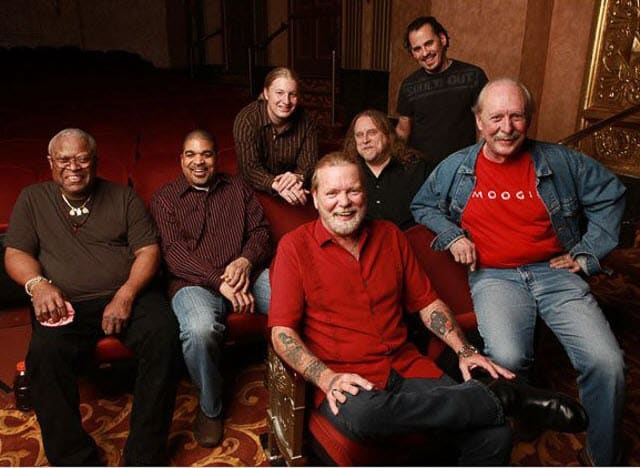
Few bands have left a legacy as timeless and influential as The Allman Brothers Band. Pioneers of Southern rock, their music transcends genres, blending blues, jazz, and country into a sound that’s uniquely their own. From soulful ballads to electrifying guitar-driven anthems, The Allman Brothers Band has captured the hearts of millions with their raw talent, heartfelt lyrics, and unmatched chemistry. Whether it’s the unmistakable slide guitar of Duane Allman, the soulful voice of Gregg Allman, or the intricate dual-drum rhythms, their music is a masterclass in artistry and innovation.
In this article, we’ll take you on a journey through the top 10 most popular Allman Brothers Band songs of all time. These iconic tracks have stood the test of time, becoming the soundtrack to countless road trips, backyard barbecues, and moments of personal reflection. From the haunting beauty of “Melissa” to the relentless energy of “Whipping Post,” each song on this list showcases the band’s unparalleled ability to connect with listeners on a deeply emotional level. So, grab your air guitar, turn the volume up, and join us as we celebrate the enduring magic of The Allman Brothers Band’s greatest hits!
1. “Whipping Post” (1969)
Few songs in rock history capture raw pain and desperation as vividly as “Whipping Post.” Featured on the Allman Brothers Band’s 1969 self-titled debut album, this blues-rock epic is a gut-wrenching expression of heartbreak and betrayal. Written by Gregg Allman at just 21 years old, the song’s lyrics reflect the agony of feeling trapped in a painful, one-sided love. The repeated refrain, “Sometimes I feel like I’ve been tied to the whipping post,” resonates as a cry of anguish, making it one of the most emotionally charged songs in the band’s catalog.
Musically, Whipping Post is a masterpiece of tension and release. The song’s unusual 11/8 time signature gives it a sense of urgency and unpredictability, adding to the feeling of turmoil. Duane Allman’s searing slide guitar and Berry Oakley’s thunderous bass lines drive the song’s dramatic build-up, leading to explosive instrumental sections that showcase the band’s improvisational genius. The intensity of Gregg Allman’s vocals, filled with grit and sorrow, makes every word feel like an open wound.
Though the studio version is powerful, it was the band’s live performances that truly cemented Whipping Post as a legend. The extended 23-minute version on At Fillmore East (1971) is a tour de force of Southern rock, with Duane Allman and Dickey Betts trading incendiary solos that take the song to an entirely new level. This electrifying jam became a defining moment for the band, proving their ability to turn a simple blues lament into an epic, soul-stirring journey. More than 50 years later, Whipping Post remains an enduring anthem of pain, resilience, and musical brilliance.
2. “Midnight Rider” (1970)
A song about freedom, perseverance, and life on the run, “Midnight Rider” is one of the most hauntingly beautiful tracks in the Allman Brothers Band’s discography. Released on their 1970 album Idlewild South, the song features a moody, atmospheric arrangement that perfectly complements its introspective lyrics. Gregg Allman’s signature smoky vocals add a sense of quiet defiance, making it one of the band’s most enduring classics.
The song’s instrumentation is deceptively simple but deeply effective. The acoustic guitar, played with a steady, rhythmic strum, creates a hypnotic backdrop, while subtle percussion and bass fill in the spaces, giving it a rolling, road-weary feel. The restrained production allows Gregg’s voice to take center stage, as he sings about a man determined to keep moving forward, despite the hardships he faces. The chorus, “I’m not gonna let ‘em catch me, no / Not gonna let ‘em catch the midnight rider,” has become an anthem of resilience for countless fans.
What makes Midnight Rider even more compelling is its understated storytelling. Unlike many blues-influenced rock songs that focus on big, dramatic moments, this one feels like an intimate confession, whispered in the darkness. The sense of longing, combined with the sparse instrumentation, gives it a timeless quality.
Though the song was only a moderate success upon its initial release, it has since become one of the Allman Brothers Band’s most beloved tracks. It has been covered by numerous artists, including Willie Nelson and Gregg Allman himself on his 1973 solo album Laid Back, but the original version remains the definitive take. Midnight Rider is a song that captures the spirit of the wandering soul—someone always moving forward, never looking back.
3. “Melissa” (1972)
Soft, reflective, and deeply personal, Melissa is one of the most tender ballads in the Allman Brothers Band’s catalog. Released on their 1972 album Eat a Peach, the song took on even greater significance after the tragic passing of Duane Allman in 1971, making it a heartfelt tribute to his memory. Gregg Allman had written Melissa years earlier, but it wasn’t until Duane encouraged him to record it that the song finally found its place in the band’s repertoire.
Unlike many of the band’s signature tracks that feature extended instrumental jams, Melissa is a stripped-down, acoustic-driven ballad. The gentle guitar work, paired with Gregg Allman’s soulful vocals, creates an atmosphere of quiet longing. The lyrics tell the story of a wandering soul, always moving from town to town, with only the memory of a woman named Melissa to comfort him. “Crossroads, will you ever let him go?” he sings, capturing the restless spirit that runs through so much of the band’s music.
The song’s simplicity is its greatest strength. There are no blazing guitar solos or complex rhythms—just pure, unfiltered emotion. The warmth of Gregg’s voice, combined with the song’s nostalgic, almost lullaby-like melody, makes it feel both deeply personal and universally relatable. It’s a song about love, loss, and the bittersweet nature of life on the road.
After Duane’s passing, Melissa took on a new level of meaning for both the band and their fans. It became a way to remember not just a great musician, but a brother and a friend. More than five decades later, Melissa remains one of the Allman Brothers Band’s most cherished songs—a timeless ballad that speaks to the heart.
4. “Ramblin’ Man” (1973)
If there’s one song that defines the Allman Brothers Band’s crossover success, it’s Ramblin’ Man. Released in 1973 on the Brothers and Sisters album, this feel-good anthem became their biggest commercial hit, reaching No. 2 on the Billboard Hot 100. Written and sung by guitarist Dickey Betts, the song’s country-infused sound marked a shift toward a more accessible, radio-friendly style while still staying true to the band’s Southern rock roots.
Lyrically, Ramblin’ Man tells the story of a man born to wander, destined to keep moving from place to place. The opening line, “Lord, I was born a ramblin’ man,” has become one of the most recognizable in rock history, instantly setting the tone for the free-spirited journey that follows. Inspired by Betts’ own experiences and the music of country legends like Hank Williams, the song blends storytelling with a driving rhythm that makes it impossible not to tap your foot along.
Musically, the track is a showcase for Betts’ masterful guitar work. His twangy, melodic lead playing, combined with Les Dudek’s rhythm guitar, gives the song its unmistakable country-rock flavor. The extended instrumental outro features some of the smoothest, most fluid guitar harmonies in the band’s discography, highlighting Betts’ signature style. The upbeat, rolling bass line and crisp drumming give the song an irresistible groove, making it a staple of classic rock playlists.
Though some die-hard fans initially saw Ramblin’ Man as a departure from the band’s bluesy, jam-heavy roots, it remains one of their most beloved tracks. Its blend of rock, country, and Southern storytelling perfectly encapsulates the spirit of the Allman Brothers Band, ensuring its place as a timeless anthem for wanderers and dreamers everywhere.
5. “Jessica” (1973)
A joyful, high-energy instrumental, Jessica is one of the Allman Brothers Band’s most beloved compositions. Released on their 1973 album Brothers and Sisters, this track showcases the band’s ability to craft complex, melodic instrumentals that transcend genres. Written by guitarist Dickey Betts, Jessica is a vibrant, feel-good piece that blends rock, jazz, and country influences into a seamless musical journey.
Betts wrote Jessica as a tribute to Django Reinhardt, the legendary jazz guitarist known for his intricate fingerpicking style. The song was also named after Betts’ infant daughter, Jessica, whose playful spirit inspired its bright and carefree melody. From the opening notes, the song radiates warmth and optimism, setting the stage for a six-minute instrumental masterpiece. Unlike many of the band’s other signature tracks, Jessica features no vocals—just pure musicianship at its finest.
The twin guitar harmonies between Betts and Les Dudek (who played rhythm guitar on the studio recording) create a flowing, almost conversational sound. Chuck Leavell’s energetic piano work adds an extra layer of excitement, giving the song a buoyant, rolling quality. Meanwhile, the rhythm section, led by bassist Lamar Williams and drummers Butch Trucks and Jaimoe, keeps the groove steady and infectious.
Despite being an instrumental, Jessica has an incredibly singable melody, making it instantly recognizable. The song’s seamless transitions and uplifting energy make it a favorite among fans and musicians alike. Over the years, Jessica has become one of the band’s most enduring tracks, frequently appearing in movies, commercials, and TV shows. It remains a testament to the Allman Brothers Band’s ability to create music that speaks volumes—even without words.
6. “In Memory of Elizabeth Reed” (1970)
Mysterious, jazzy, and hypnotic, In Memory of Elizabeth Reed is one of the Allman Brothers Band’s most ambitious instrumentals. First appearing on their 1970 album Idlewild South, the song was composed by Dickey Betts and became a showcase for the band’s improvisational prowess. Inspired by a gravestone Betts saw in Rose Hill Cemetery in Macon, Georgia, Elizabeth Reed blends rock, jazz, and blues into a mesmerizing musical odyssey.
The song opens with a smooth, understated guitar melody, setting a mood that feels both melancholic and elegant. As the track unfolds, it shifts between intricate, jazz-infused guitar lines and explosive, free-flowing solos. Duane Allman and Betts engage in a breathtaking guitar interplay, weaving together phrases that feel spontaneous yet perfectly connected. Gregg Allman’s subtle organ work adds depth and atmosphere, giving the piece a rich, cinematic quality.
One of the most striking aspects of Elizabeth Reed is its rhythmic complexity. The drumming of Butch Trucks and Jaimoe adds a polyrhythmic texture, elevating the song beyond standard rock arrangements. It’s a track that feels equally at home in a smoky jazz club as it does on a Southern rock stage, showcasing the band’s genre-defying brilliance.
Perhaps the most famous rendition of the song comes from the 1971 live album At Fillmore East. Clocking in at nearly 13 minutes, the live version is an absolute tour de force, with extended improvisations that push the boundaries of rock music. The band stretches the song into new territories each time they perform it, making every version unique.
Decades later, In Memory of Elizabeth Reed remains a standout in the Allman Brothers Band’s catalog. It’s a track that encapsulates their spirit—bold, dynamic, and endlessly innovative.
7. “Blue Sky” (1972)
“Blue Sky,” from Eat a Peach (1972), is one of the most uplifting and joyful songs in the Allman Brothers Band’s extensive catalog. Written by guitarist Dickey Betts as a love letter to his wife, this track is an ode to happiness, serenity, and the beauty of life. With its sunny, country-infused feel and infectious melody, “Blue Sky” offers a refreshing departure from the more somber and blues-heavy songs the band was known for.
The song opens with Betts’ bright and melodic guitar lines, which immediately set the tone for a carefree journey. His warm, heartfelt vocals add a layer of personal intimacy, making it feel like a private moment shared with the listener. The addition of Duane Allman’s signature slide guitar work, although subtler than in some of their other tracks, is a beautiful complement to Betts’ straightforward guitar playing, adding just the right amount of texture.
The rhythm section, featuring Lamar Williams on bass and the ever-tight drumming of Butch Trucks and Jaimoe, provides a steady backdrop, keeping the song grounded while allowing the melodies to shine. But what truly sets “Blue Sky” apart is the beautiful interplay between the band’s musicians, with each member contributing to the song’s warm, lighthearted atmosphere. The combination of jazz, blues, and country influences creates a fusion that feels effortless yet sophisticated.
“Blue Sky” has become a fan favorite, frequently performed live in concert. The uplifting nature of the song, combined with its intricate guitar work and joyful mood, has earned it a special place in the hearts of listeners. It’s a track that perfectly captures the essence of what made the Allman Brothers Band so unique—musical complexity paired with emotional honesty and a sense of pure joy. Even decades after its release, “Blue Sky” continues to bring smiles and lift spirits wherever it’s played.
8. “Statesboro Blues” (1971)
“Statesboro Blues,” a cover of Blind Willie McTell’s classic 1920s blues song, is a raw, electrifying highlight from the Allman Brothers Band’s At Fillmore East (1971). This version, recorded live at the legendary Fillmore East in New York City, is a testament to the band’s ability to bring fresh energy and intensity to traditional blues while still honoring its roots. With Duane Allman’s blistering slide guitar and Gregg Allman’s gritty, soulful vocals, the song becomes a force of nature—a powerful blend of blues, rock, and improvisation.
From the very first notes, the song sets a fiery, high-energy tone that never lets up. Duane Allman’s slide guitar takes center stage, bending notes and pulling emotions from his instrument in ways that feel deeply personal. The rawness of his playing and the urgency in his tone perfectly complement Gregg Allman’s vocals, which are filled with heartache and pain as he sings the blues lyrics with conviction and soul.
What makes this live version of Statesboro Blues so special is the way the band brings the song to life on stage. The rhythm section, featuring Jaimoe and Butch Trucks, locks into a groove that propels the song forward while leaving plenty of space for the guitars to weave in and out. The live energy of the performance, especially the extended solos and improvisations, gives the song an unpredictable, almost spiritual quality.
“Statesboro Blues” became a staple of the Allman Brothers Band’s live performances, and its inclusion on At Fillmore East solidified the band’s reputation as one of the most electrifying live acts of their time. It’s a raw and impassioned rendition that shows the band’s mastery of the blues and their ability to take the genre into new, exciting territory. Even today, the song remains a timeless example of the Allman Brothers’ unparalleled ability to electrify audiences with their unique fusion of rock and blues.
9. “One Way Out” (1972)
“One Way Out,” from Eat a Peach (1972), is a high-octane, blues-rock anthem that captures the raw energy and improvisational brilliance that the Allman Brothers Band was known for. Recorded live at the Fillmore East, this track is a true representation of the band’s mastery of live performance, as they blend intense blues riffs with jazz-influenced improvisation to create a song that’s electrifying from start to finish.
The song’s premise is simple—a man who finds himself in a sticky situation, desperate for a way out. Gregg Allman’s gritty vocals, filled with urgency and frustration, bring the story to life, while the band’s instrumentals elevate the track to another level. Duane Allman’s guitar solo is an absolute highlight, with his signature slide guitar cutting through the mix and making each note sing with pain and passion.
The live performance of “One Way Out” is what truly sets it apart. The extended jams in the middle of the song showcase the band’s incredible ability to improvise and push each other to new musical heights. Duane and Dickey Betts trade off solos, building on each other’s ideas and creating a musical conversation that feels organic and electric. The rhythm section, tight as ever, provides a steady foundation for the chaos and creativity happening above them.
“One Way Out” has remained a fan favorite and a live staple for the Allman Brothers Band throughout the years. It’s a perfect example of the band’s ability to blend tight arrangements with free-form improvisation, creating a song that’s both structured and spontaneous. With its mix of tension, release, and infectious energy, “One Way Out” remains a timeless classic in the band’s catalog.
10. “Dreams” (1969)
“Dreams,” the closing track from the Allman Brothers Band’s self-titled debut album (1969), is a haunting, soul-stirring composition that captures the band’s ability to blend blues, jazz, and rock into something uniquely their own. The track is a slow, emotional ballad that begins with a quiet, atmospheric guitar riff before gradually building in intensity, culminating in a powerful and emotional climax.
The song features Gregg Allman’s emotive vocals, which convey a sense of longing and introspection. The lyrics, filled with themes of love, loss, and hope, resonate deeply with listeners, inviting them into a world of reflection. Duane Allman’s slide guitar adds a dreamlike quality to the track, with his ethereal tones evoking a sense of yearning and melancholy. The delicate interplay between the guitars creates a captivating atmosphere, while the rhythm section provides a steady, unobtrusive foundation.
While “Dreams” doesn’t boast the same energetic drive as some of the band’s other tracks, its emotional depth and haunting beauty make it stand out in the Allman Brothers Band’s catalog. The song feels like a journey—one that takes the listener through a range of emotions, from quiet contemplation to powerful release. Its slower tempo and dreamlike quality set it apart from the more up-tempo blues-rock tracks the band is known for, showcasing the band’s ability to create music that’s both introspective and moving.
“Dreams” is a perfect example of the Allman Brothers Band’s versatility. It shows that they are capable of crafting songs that don’t just capture the spirit of Southern rock but also evoke deep emotion and introspection. It’s a track that lingers long after it’s finished, leaving a sense of reflection in its wake.

Edward Tomlin is a frequent contributor to Singers Room. Since 2005, Singersroom has been the voice of R&B around the world. Connect with us via social media below.









