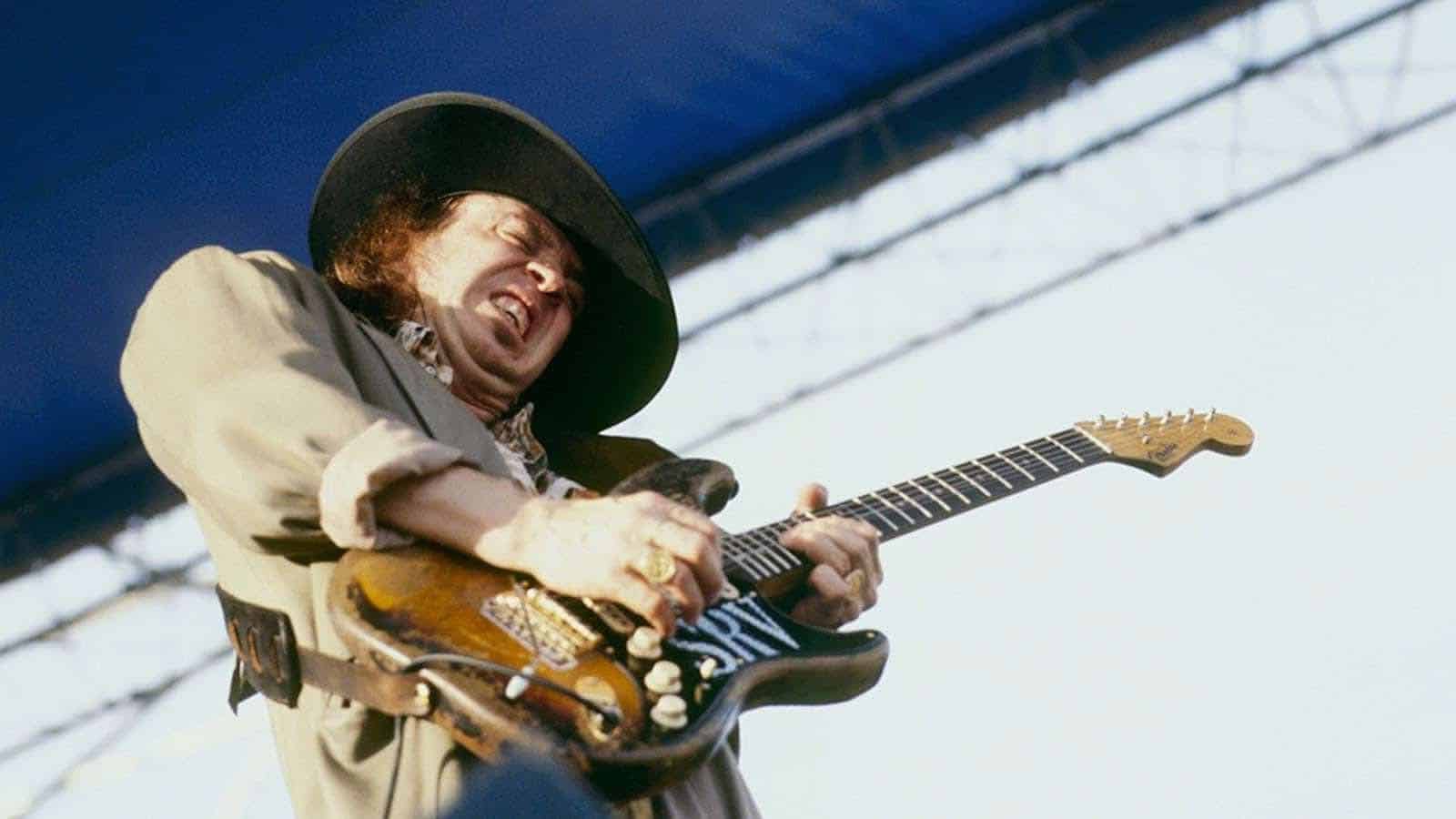
Stevie Ray Vaughan, a name that resonates with passion, soul, and unmatched mastery of the guitar, remains one of the most iconic figures in music history. Known for his fiery performances and a deeply emotional playing style, Vaughan redefined blues-rock, bridging the gap between traditional blues and modern rock audiences. Decades after his tragic passing, his music continues to inspire countless musicians and captivate fans worldwide. From his blistering guitar solos to his heartfelt lyrics, Vaughan left an indelible mark on the world of music.
In this article, we’ll take you on a journey through the top 10 most popular Stevie Ray Vaughan songs of all time. These tracks not only showcase his unparalleled talent but also reveal the raw emotion and energy he poured into every note. Whether you’re a lifelong fan or a newcomer to his music, these songs provide a window into Vaughan’s genius, highlighting his ability to make his guitar sing, cry, and roar. From electrifying anthems that bring audiences to their feet to soulful ballads that tug at the heartstrings, this list celebrates the very best of a legend whose legacy will never fade. Get ready to immerse yourself in the timeless magic of Stevie Ray Vaughan!
1. Pride and Joy (1983)
Stevie Ray Vaughan’s “Pride and Joy” is nothing short of a masterpiece, bursting onto the blues-rock scene in 1983 as the lead track of his iconic debut album Texas Flood. The song is a lively celebration of love, capturing Vaughan’s electrifying energy and undeniable confidence. From the first note, it’s clear that Vaughan’s guitar skills are exceptional, with his fiery licks and rhythmic swagger making the track irresistibly catchy. The upbeat rhythm, with its rolling shuffle beat, feels like the heartbeat of the song itself, pulsing with energy from start to finish. What sets “Pride and Joy” apart is its infectious groove, seamlessly blending traditional blues with a modern flair, making it an instant classic. Vaughan’s soulful voice carries the playful lyrics about love and devotion, balancing the song’s lively tempo with a sense of genuine warmth. The combination of his raw vocal delivery and the intricate guitar work showcases his dual ability as both a brilliant guitarist and a charismatic vocalist. “Pride and Joy” became a defining moment in Vaughan’s career, solidifying him as one of the premier guitarists in blues history. The track has an anthemic quality, often heard in live performances, where Vaughan’s passion and connection with the audience shine through. As the song surges to its climactic finish, it’s clear that “Pride and Joy” is more than just a catchy tune—it’s a testament to Vaughan’s immense talent and his ability to channel joy, love, and musical virtuosity into a single, unforgettable track.
2. Texas Flood (1983)
The title track of Stevie Ray Vaughan’s Texas Flood album is one of his most haunting and powerful songs, released in 1983 and quickly becoming a signature piece in his legendary catalog. “Texas Flood” is a slow-burning blues ballad that encapsulates the raw emotion of heartbreak and longing, with Vaughan’s guitar playing reaching unparalleled levels of expressiveness. The intensity of the track is immediately felt in the opening moments, where Vaughan’s guitar weeps and wails with soul-stirring passion, echoing the pain conveyed in the lyrics. It’s the kind of song that pulls at your heartstrings, offering a glimpse into the vulnerability of love lost. Vaughan’s voice, gritty and full of sorrow, complements the aching tone of the music, as he sings about the flood of emotions that come when everything falls apart. The track’s arrangement is minimalist, allowing the emotion in each note to resonate deeply. Vaughan’s guitar takes center stage, with every lick, bend, and slide adding a layer of complexity to the feeling of desperation. “Texas Flood” isn’t just a song—it’s a musical portrayal of the very essence of heartache. The guitar solos are filled with a visceral energy that mirrors the desperation of the lyrics, creating a sense of emotional turmoil that perfectly matches the stormy themes of the song. As one of Vaughan’s most iconic tracks, “Texas Flood” cemented his place as a blues legend, displaying his extraordinary ability to translate personal pain into musical brilliance.
3. Cold Shot (1984)
Released in 1984 as part of his Couldn’t Stand the Weather album, “Cold Shot” is a funky, laid-back blues track that introduces a lighter, more playful side of Stevie Ray Vaughan’s artistry. The song’s tight rhythm section sets the tone, with a smooth groove that’s impossible to resist, while Vaughan’s signature guitar tone creates an infectious vibe. The track opens with a sharp, punchy riff that immediately grabs attention, and from there, it builds into a full-blown jam. Vaughan’s vocals add a sense of cheeky swagger, with lyrics about a troubled relationship and the emotional coldness that can come with love gone wrong. What makes “Cold Shot” stand out is its funk-infused rhythm and laid-back feel, a departure from the more intense blues ballads that Vaughan was known for. The rhythm guitar work is precise and groovy, while the lead guitar flourishes with Vaughan’s signature smooth phrasing and quick bends. The chorus is catchy, with Vaughan singing, “Cold shot, cold shot,” as if each word drips with cool, calculated emotion. Despite its relatively simple arrangement, “Cold Shot” exudes an undeniable energy, making it a track that listeners can’t help but move to. Vaughan’s unique blend of blues, rock, and funk shines through, showing his versatility as a musician. “Cold Shot” is a perfect example of Vaughan’s ability to create a song that’s both musically sophisticated and easy to groove to, all while capturing the complexities of a troubled relationship in a fun, yet thoughtful way.
4. Couldn’t Stand the Weather (1984)
The title track of Stevie Ray Vaughan’s second album Couldn’t Stand the Weather is a high-octane blues-rock anthem that showcases Vaughan’s unparalleled guitar skills and his ability to push the boundaries of the genre. The song opens with a roaring guitar riff that immediately grabs your attention, and from there, it builds into a full-throttle ride through a storm of electric blues. The track is driven by a relentless rhythm, with Vaughan’s guitar solos soaring to new heights of technical brilliance. Each note is a testament to Vaughan’s lightning-fast fingers and his mastery of the instrument. “Couldn’t Stand the Weather” is a musical storm, with its tempestuous guitar work and thunderous rhythm section reflecting the power and chaos of the weather it describes. The lyrics, though simple, add to the track’s intense energy, portraying a feeling of being overwhelmed by life’s challenges. The tempo is fast and furious, reflecting the urgency and intensity of the emotions behind the song. Vaughan’s playing is so electrifying that it’s almost as if the weather itself is being channeled through his guitar. The song’s driving rhythm and explosive solos make it a standout in Vaughan’s discography, offering a thrilling blend of blues, rock, and a bit of jazz influence. “Couldn’t Stand the Weather” is a perfect example of Vaughan’s musical prowess, capturing his ability to fuse technical precision with raw, emotional expression. It’s a song that demands attention, pulling listeners into its stormy world and keeping them hooked until the final, electrifying note.
5. Life Without You (1985)
“Life Without You,” released in 1985 on Stevie Ray Vaughan’s Soul to Soul album, is one of the most emotional and heartfelt songs in his entire catalog. The track is a poignant ballad that expresses the depth of love, loss, and the profound impact a person can have on another’s life. The song’s lyrics are simple yet powerful, with Vaughan reflecting on how life would feel without a loved one by his side. The opening guitar notes are soft and soulful, setting the tone for the reflective nature of the song. As Vaughan’s voice enters, it carries a vulnerability and sincerity that resonates deeply with anyone who’s ever experienced heartache. His phrasing is tender, drawing out every emotion in the lyrics, and his guitar work complements the mood perfectly, with gentle bends and slow, soulful solos that emphasize the pain of separation. As the song builds, Vaughan’s guitar reaches new heights of emotional intensity, with soaring solos that seem to cry out in anguish. “Life Without You” is a testament to Vaughan’s ability to connect with his audience on a deeply personal level, pouring his own emotions into every note. It’s a song that captures the feeling of longing and the yearning to hold on to something precious. The track builds to a powerful climax, with Vaughan’s guitar and vocals intertwining to create a crescendo of passion that leaves a lasting impact. “Life Without You” remains one of Vaughan’s most beloved tracks, showcasing his ability to convey complex emotions through music and to express the human experience with raw, unfiltered honesty.
6. The Sky Is Crying (1991)
Though released posthumously in 1991, “The Sky Is Crying” was recorded earlier in Stevie Ray Vaughan’s career and remains one of his most celebrated tracks. Originally written by Elmore James, Vaughan’s cover of this blues classic is a stunning display of his musical genius. From the first note, Vaughan’s guitar cries with such intensity that it’s almost as if the instrument is weeping along with the lyrics. The slow, mournful pace of the track gives Vaughan the space to stretch his phrasing and pour his heart into every note. His expressive playing breathes new life into the song, elevating it beyond a simple cover into something truly extraordinary. The emotional depth of “The Sky Is Crying” is immediately evident as Vaughan’s guitar wails with soul-stirring intensity, mirroring the pain and longing conveyed in the lyrics. His touch on the guitar is delicate yet powerful, as if each note is a tear falling from the sky. The arrangement of the song is sparse, allowing Vaughan’s guitar to take center stage. The bluesy, melancholic vibe is enhanced by the subtle rhythm section, which provides the perfect backdrop for Vaughan’s mournful guitar lines. “The Sky Is Crying” serves as a testament to Vaughan’s incredible skill and emotional depth, as he brings his own unique voice to this timeless classic. The track stands as a poignant reminder of the legacy Vaughan left behind, capturing the essence of blues and the power of music to convey deep emotion.
7. Crossfire (1989)
“Crossfire,” from Stevie Ray Vaughan’s 1989 album In Step, is a blues-rock anthem that embodies Vaughan’s unmatched ability to create irresistible grooves. The song is an energetic and funky exploration of the struggles of modern life, with Vaughan addressing themes of inner conflict, personal battles, and the emotional turmoil that comes with trying to navigate the complexities of the world. The track opens with a punchy bassline and a tight rhythm section that immediately sets the tone for the rest of the song. Vaughan’s guitar riffs are sharp and fiery, complementing the driving beat and adding an extra layer of intensity to the track. The lyrics of “Crossfire” reflect the pressure and confusion of feeling trapped in a situation you can’t control, and Vaughan’s delivery is raw and sincere, making the song resonate on a personal level with anyone who’s ever felt the weight of the world on their shoulders. The chorus is infectious, with Vaughan singing about being caught in the crossfire of life, unable to escape the emotional and mental turmoil that comes with it. The track’s funk-infused rhythm, combined with Vaughan’s searing guitar solos, creates an electrifying combination that’s impossible to ignore. “Crossfire” captures Vaughan’s versatility as an artist, showcasing his ability to tackle complex emotional themes while maintaining a groove that keeps listeners moving. It’s a song that stands out for its combination of deep, meaningful lyrics and unforgettable musicality, cementing Vaughan’s place as one of the greatest blues guitarists of all time.
8. Little Wing (1991)
Stevie Ray Vaughan’s instrumental rendition of Jimi Hendrix’s “Little Wing” is one of the most breathtaking guitar performances ever captured on record. Released posthumously in 1991, Vaughan’s version of this iconic song is a stunning tribute to Hendrix, while simultaneously showcasing Vaughan’s own extraordinary musicianship. The track is a masterclass in emotional depth, with Vaughan’s guitar taking center stage and telling a story all its own. Without any lyrics, Vaughan’s guitar weaves a narrative of longing, beauty, and transcendence, capturing the spirit of Hendrix’s original while adding Vaughan’s own unmistakable touch. The intricate phrasing and delicate bends that Vaughan uses throughout the song are nothing short of mesmerizing, as he takes listeners on a journey through a range of emotions. The tone of his guitar is rich and full, with each note resonating with a sense of vulnerability and strength. Vaughan’s performance is both tender and fierce, capturing the essence of “Little Wing” while making it distinctly his own. The song flows with a sense of freedom and fluidity, as if Vaughan’s guitar is soaring through the sky, much like the winged figure described in the title. The lack of vocals allows Vaughan’s playing to shine through, with his nuanced techniques and emotive phrasing speaking volumes without a single word being uttered. “Little Wing” is a musical masterpiece, and Vaughan’s rendition is a testament to his unparalleled artistry and deep respect for Hendrix’s legacy. It’s a hauntingly beautiful performance that will leave listeners in awe of Vaughan’s skill and emotional depth.
9. Scuttle Buttin’ (1984)
“Scuttle Buttin’,” the fiery instrumental track from Stevie Ray Vaughan’s Couldn’t Stand the Weather album, is an extraordinary display of his technical mastery on the guitar. Clocking in at under two minutes, the song is a whirlwind of blistering speed, precision, and energy. From the moment the track begins, Vaughan’s fingers seem to fly across the fretboard, delivering lightning-fast licks and complex solos that leave listeners in awe. Despite its brief runtime, “Scuttle Buttin’” packs a punch, with each note feeling like a jolt of electricity. The song’s high-energy, breakneck pace demonstrates Vaughan’s incredible dexterity and control, while his raw, fiery tone adds an element of danger and excitement to the mix. The track is an instrumental showcase, with no vocals to distract from Vaughan’s breathtaking guitar work. The frenetic pace and intricate solos leave listeners breathless, as Vaughan pushes the limits of what’s possible on the guitar. “Scuttle Buttin’” is a thrilling ride, a whirlwind of notes that showcases Vaughan’s mastery of the instrument. The song’s brevity only adds to its power, leaving listeners wanting more after its explosive finish. “Scuttle Buttin’” is a perfect example of Vaughan’s incredible virtuosity and his ability to mesmerize with his sheer technical prowess, making it a standout track in his legendary catalog.
10. Lenny (1983)
“Lenny,” from Stevie Ray Vaughan’s 1983 debut album Texas Flood, is a beautiful and intimate instrumental ballad that showcases Vaughan’s softer side. Dedicated to his wife, Lenny, the song is a love letter expressed through the language of music. The track is a tender, soulful piece that contrasts sharply with the more aggressive blues numbers in Vaughan’s catalog. The opening notes are delicate, with Vaughan’s guitar gently caressing the strings, creating an atmosphere of warmth and affection. The slow, melodic progression of “Lenny” is filled with emotion, with each note carefully chosen to convey a deep sense of love and longing. Vaughan’s guitar work is sublime, with smooth bends and fluid phrasing that evoke the feeling of a heartfelt embrace. The track is both simple and complex, with its understated beauty allowing Vaughan’s emotional connection to the music to shine through. “Lenny” is a song that captures the essence of love and devotion, with Vaughan’s guitar acting as the perfect voice for his feelings. It’s a poignant reminder of Vaughan’s incredible ability to convey complex emotions through his instrument, creating a piece that resonates deeply with anyone who’s ever experienced the power of love. “Lenny” remains one of Vaughan’s most beloved and memorable tracks, a tender tribute to the woman who inspired such a beautiful and moving composition. It’s a piece that highlights Vaughan’s versatility, reminding listeners that he was not just a blues virtuoso, but also a master of delicate, expressive ballads.

Edward Tomlin is a frequent contributor to Singers Room. Since 2005, Singersroom has been the voice of R&B around the world. Connect with us via social media below.









