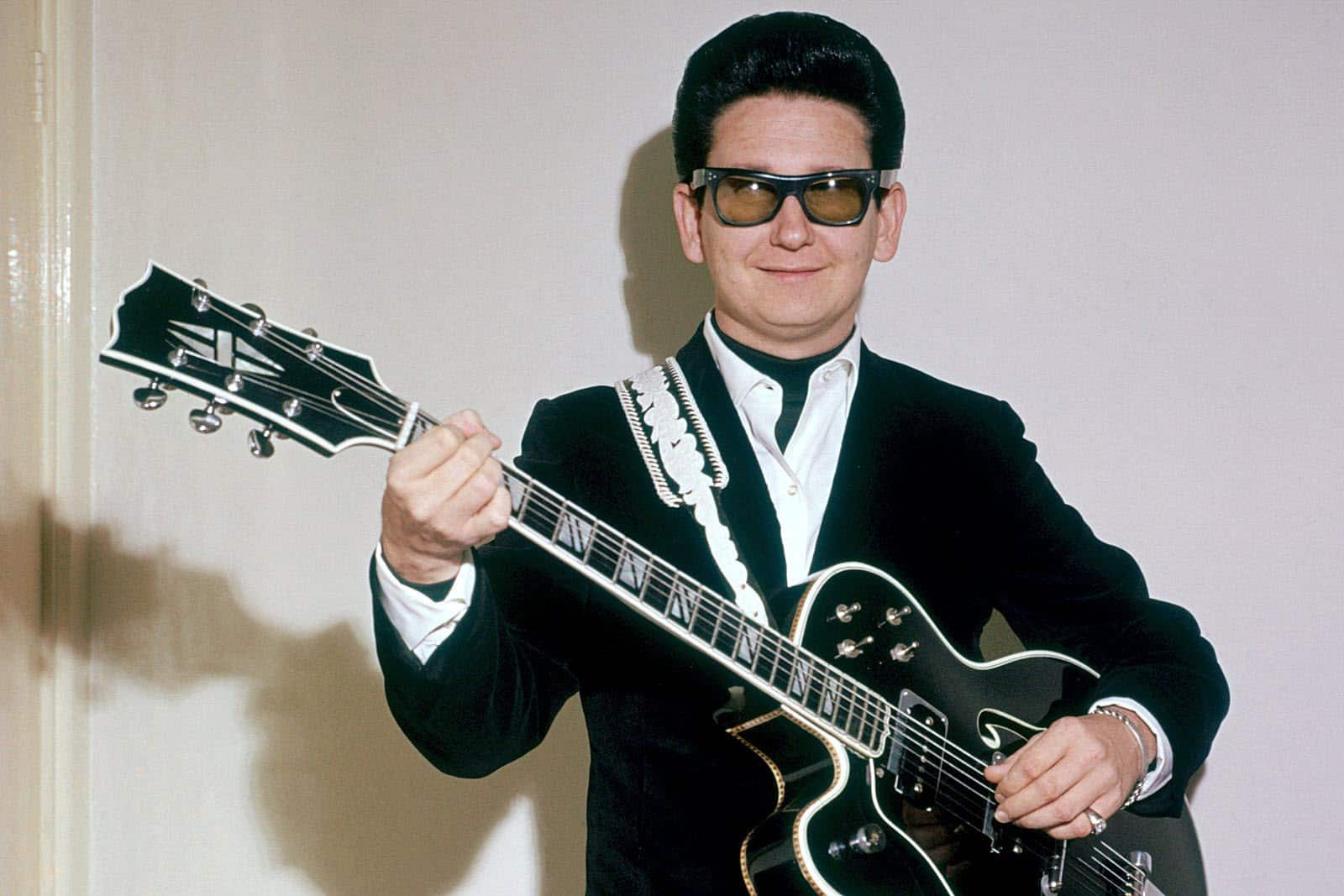
Few artists in history have captured the essence of raw emotion and storytelling quite like Roy Orbison. Known for his soaring voice, heartfelt lyrics, and signature style, Orbison has left an indelible mark on the world of music. From heart-wrenching ballads to foot-tapping hits, his songs transcend time, resonating with listeners across generations. Whether you’re a lifelong fan or a newcomer to his extraordinary catalog, there’s no denying the power of Orbison’s music to stir the soul.
But what makes Roy Orbison’s songs so unforgettable? Perhaps it’s the vulnerability he dared to express, or the haunting melodies that linger in your mind long after the music fades. His ability to weave intricate emotions into every note is unparalleled. In this article, we take a journey through his illustrious career to explore the top 10 most popular Roy Orbison songs of all time. These are the tracks that defined his legacy and cemented his place as one of rock and roll’s greatest legends.
Get ready to dive into a world of passion, heartbreak, and timeless artistry as we celebrate the music of a man whose voice was truly one of a kind. Let’s turn up the volume and relive the magic!
1. Oh, Pretty Woman (1964)
“Oh, Pretty Woman” is undeniably Roy Orbison’s most iconic song, and it’s easy to see why. With its instantly recognizable opening guitar riff and Orbison’s commanding, yet velvety vocals, the song tells the story of a man entranced by the sight of a beautiful woman walking by. The song’s infectious beat, paired with the confident swagger in Orbison’s voice, gives the track a timeless energy that’s impossible to ignore. It’s a moment of spontaneity and admiration, a story that anyone who’s ever been struck by love or attraction can relate to. Orbison’s voice effortlessly carries the narrative, full of wonder and excitement as he watches the woman catch his eye. The upbeat rhythm and upbeat mood capture a lighthearted and playful feeling, instantly bringing a smile to listeners’ faces. “Oh, Pretty Woman” resonated deeply with audiences when it was first released and continues to do so today, thanks to its mix of catchy melody and relatable subject matter. It was an instant commercial success, topping charts worldwide and becoming one of the most recognizable rock ‘n’ roll songs in history. Its catchy, infectious energy has kept it alive for generations, and the song remains a staple of pop culture, often used in movies, commercials, and other forms of media. Orbison’s performance, blending romantic longing with a sense of wonder, ensures that “Oh, Pretty Woman” will forever remain one of the most beloved tracks in rock ‘n’ roll history, a perfect fusion of unforgettable melody and raw emotion.
2. Crying (1961)
There are few songs in the history of music that capture the depth of heartbreak quite like Roy Orbison’s “Crying.” From the first note, the song’s bittersweet and haunting melody sets the stage for an emotional journey of loss and regret. Orbison’s vocal performance is nothing short of extraordinary—his soaring, mournful voice conveys raw emotion as he reflects on the pain of a love that has slipped away. The song begins quietly, almost tenderly, with Orbison’s voice quivering with vulnerability as he sings about the heartache he feels after the end of his relationship. But as the song progresses, the tension builds, and Orbison’s vocals grow in intensity, reaching a powerful crescendo. This gradual escalation mirrors the emotional intensity of the song itself, and by the end, you’re left with a feeling of complete devastation. What makes “Crying” so remarkable is Orbison’s ability to deliver the song’s pain in a way that feels universal and deeply personal at the same time. His voice rises to an almost operatic level, soaring to heights that few other artists could match, making each word hit with profound emotional weight. The lyrics are simple yet profound, and Orbison’s delivery gives them a sense of gravity that makes the song feel like an exploration of love’s most tragic moments. While many artists have covered “Crying,” Orbison’s version is, without a doubt, the definitive one, a haunting masterpiece that stands as one of his finest moments in music history.
3. Only the Lonely (Know the Way I Feel) (1960)
“Only the Lonely” was Roy Orbison’s breakthrough hit, and it instantly showcased the unique blend of vulnerability and vocal power that would come to define his career. With its rich orchestration, melancholy lyrics, and haunting melody, the song struck a chord with audiences from the moment it was released. Orbison’s voice—full of both strength and fragility—perfectly captured the sense of loneliness that the song’s narrator feels. The lyrics speak to the universal pain of unrequited love, and Orbison’s emotive delivery makes the listener feel every word. The song opens with a simple yet powerful instrumental arrangement, which slowly builds into a sweeping orchestral backdrop that heightens the emotional intensity. As the song unfolds, Orbison’s voice grows stronger, his words becoming more impassioned as he sings about the heartache that only loneliness can bring. It’s a song about isolation, but also about hope—the hope that someone will understand the pain of the lonely heart. The combination of Orbison’s emotive delivery and the lush, dramatic instrumentation makes this song stand out as one of the most powerful ballads of the era. “Only the Lonely” became an instant classic and earned Orbison widespread acclaim, setting the stage for his career as one of rock and roll’s most emotive storytellers. It also marked the beginning of Orbison’s ability to create deeply affecting music that resonated with listeners on a personal level. The song remains a timeless reflection of the complex emotions of love, loneliness, and longing.
4. In Dreams (1963)
“In Dreams” is a haunting and surreal ballad that transports listeners into the world of longing and imagination. From the very first note, the song casts a spell with its ethereal quality and lush arrangement. Orbison’s voice, ever the embodiment of emotional depth, soars as he sings about a dream of love so vivid it feels more real than life itself. The narrative of the song is dreamlike and filled with a bittersweet sense of yearning, as Orbison finds solace in his dreams of a perfect love, only to wake up and face the harsh reality of life without it. The melody complements this emotional journey, with its swirling orchestration and haunting guitar lines that create a sense of dreaminess and melancholy. The song’s lyrics speak of love lost and the hope of rekindling it, yet the dream-like state reflects both the beauty and the fragility of this desire. As the song builds, Orbison’s voice becomes even more powerful, reaching operatic heights that convey the intensity of his emotions. “In Dreams” has become one of Orbison’s most enduring songs, admired for its emotional complexity and its ability to capture the feeling of love and loss in such a captivating way. Its timeless appeal has made it a fan favorite and a key part of Orbison’s legacy. The song’s surreal quality, combined with Orbison’s impassioned vocal delivery, gives it an almost otherworldly feel—an unforgettable experience that transports the listener into the depths of the singer’s emotions.
5. Blue Bayou (1963)
“Blue Bayou” is a deeply emotional and wistful song that takes listeners on a journey to a place of longing and quiet reflection. With its soft, melancholic melody and Orbison’s heartfelt delivery, the song transports you to a peaceful, idyllic place—a place where the narrator wishes to escape from the pain of the present and return to a time of happiness. The lyrics paint a vivid picture of a perfect, nostalgic world where everything is calm and beautiful, making it feel like an emotional escape from the stresses of everyday life. Orbison’s voice is rich and tender as he sings about his yearning for this peaceful place, and his delivery gives the song a sense of depth and sincerity. He sings with such vulnerability that you can almost feel the sadness and hope that permeate every word. The beauty of “Blue Bayou” lies in its simplicity—the lyrics are straightforward, but the emotion Orbison infuses into every note turns them into something far more profound. The subtle, flowing instrumentation, which includes soft guitar and piano, complements Orbison’s voice, creating an atmosphere of calm longing that resonates with anyone who has ever wished to escape to a better place. “Blue Bayou” remains one of Orbison’s most cherished tracks, celebrated for its timeless appeal and its ability to connect with listeners on an emotional level. It’s a song of hope and heartbreak, beautifully balancing both emotions in a way that only Orbison could achieve.
6. You Got It (1989)
Released just a few months before Roy Orbison’s untimely passing, “You Got It” marked a triumphant return for the legendary singer. The song blends his signature sound with a more modern style, resulting in a timeless anthem of love and devotion. From the opening notes, “You Got It” grabs your attention with its catchy melody and smooth, confident rhythm. Orbison’s voice, still full of power and clarity, remains the centerpiece of the song as he expresses the depth of his feelings for the one he loves. The lyrics are simple but powerful, filled with reassurance and adoration for the woman who’s captured his heart. The chorus is uplifting, and Orbison’s vocal delivery infuses it with warmth and sincerity. The production on the track is polished and contemporary, with a smooth blend of rock and pop influences that made the song resonate with audiences at the time. It was a perfect way for Orbison to re-enter the music scene after a period of relative quiet, reminding fans of his incredible talent and vocal prowess. “You Got It” became a commercial success, earning Orbison new generations of fans while also honoring his place in music history. It’s a beautiful testament to his enduring talent and his ability to craft songs that connect with listeners on an emotional level. Even after his passing, the song continues to live on as a reminder of the greatness of Roy Orbison’s voice and artistry.
7. Running Scared (1961)
“Running Scared” is a tense, dramatic tale of a man overwhelmed by the fear of losing his lover to another. The escalating intensity of the song mirrors the anxiety and desperation the narrator feels as he watches the woman he loves grow distant. From the moment the song begins, it grips you with its urgency. Orbison’s voice—full of emotion and power—captures the feeling of being on the brink of losing something precious. The lyrics tell the story of a man who knows his lover’s ex is coming back into the picture, and the anticipation of what might happen next builds with every passing line. As the song progresses, the tension rises, mirroring the narrator’s inner turmoil. The orchestration swells dramatically, building to an operatic finish as Orbison’s voice reaches a stunning crescendo. It’s a performance filled with emotion, and the song’s dramatic flair makes it one of Orbison’s most compelling tracks. The intensity of the performance, combined with the song’s narrative, makes it an unforgettable listening experience. “Running Scared” remains one of Orbison’s finest moments, showcasing his incredible ability to blend raw emotion with impeccable vocal control. The song’s suspenseful, cinematic quality makes it feel more like a story than just a song, and its ability to create such a vivid emotional landscape is what makes it truly special. The combination of Orbison’s vocal prowess and the song’s intense arrangement ensures that “Running Scared” will always be remembered as one of his greatest achievements.
8. It’s Over (1964)
“It’s Over” is a heartbreaking ballad about the end of a relationship, and Roy Orbison’s performance is filled with an emotional intensity that makes it one of his most powerful tracks. The song begins with a subtle, somber instrumental arrangement that sets the stage for the emotional journey to come. Orbison’s voice is at its most poignant here, conveying a sense of profound loss as he sings about the finality of love’s end. The lyrics are simple yet deeply affecting, capturing the devastation that comes with the realization that a relationship is beyond repair. Orbison’s delivery is filled with a sense of resignation and heartache, as if he’s come to terms with the inevitable. The song builds gradually, with the orchestration swelling as the emotions intensify. The way Orbison’s voice rises to meet the growing drama of the music creates a powerful sense of grief that resonates deeply with anyone who has ever experienced the end of a relationship. “It’s Over” is one of Orbison’s most emotionally charged songs, and its raw power has made it a fan favorite for decades. The combination of the dramatic arrangement, Orbison’s impeccable vocal performance, and the poignant lyrics makes this song an unforgettable listening experience. It’s a reminder of Orbison’s ability to capture the most painful moments of love and loss with incredible clarity and emotional depth.
9. Dream Baby (How Long Must I Dream) (1962)
“Dream Baby (How Long Must I Dream)” marks a departure from Roy Orbison’s usual melancholic ballads, taking a more upbeat, rockabilly-inspired approach. The song features an infectious rhythm and playful energy that makes it stand out from some of his other hits. The track is a catchy declaration of love, with Orbison’s vocals full of optimism and longing. He sings about dreaming of the woman he loves, wishing that the dream would become reality. The upbeat tempo, paired with the bouncy rhythm section, gives the song a sense of lightheartedness and excitement. The lyrics are simple, but the feeling behind them is anything but; there’s a deep yearning for something that hasn’t yet come to pass. Orbison’s vocal performance is filled with passion, as he expresses both his desire and his impatience in a way that feels both sincere and playful. “Dream Baby” was a commercial success, reaching high positions on the charts, and has remained an enduring favorite for its catchy melody and spirited vibe. It’s a testament to Orbison’s ability to craft songs that not only capture the heartache of love, but also the joy and excitement of dreaming about a future with someone special. The track is a testament to his versatility as an artist, showing that he could bring both tenderness and energy to a song with equal skill.
10. Love Hurts (1961)
“Love Hurts” is one of Roy Orbison’s most tender and emotionally powerful ballads. The song speaks to the universal pain of love lost, with Orbison’s emotive delivery bringing the heartbreak to life. The lyrics are simple but profound, and Orbison’s voice carries them with such sincerity that it becomes impossible not to feel the weight of the emotion behind every word. The song’s quiet, mournful tone captures the vulnerability that comes with love, especially when it’s not returned or when it fades away. Orbison’s vocal performance is at its best here, conveying every nuance of pain and longing with haunting precision. The production is minimalistic, letting Orbison’s voice take center stage and allowing the raw emotion to come through without any distractions. Although “Love Hurts” was later covered by other artists, Orbison’s version remains the definitive take, full of tenderness and sincerity. His ability to communicate such vulnerability with his voice is what makes this version stand out. The song’s quiet, aching beauty ensures that it will always resonate with anyone who has experienced the heartbreak that comes with love, making it one of Orbison’s most memorable and beloved tracks.

Edward Tomlin is a frequent contributor to Singers Room. Since 2005, Singersroom has been the voice of R&B around the world. Connect with us via social media below.







