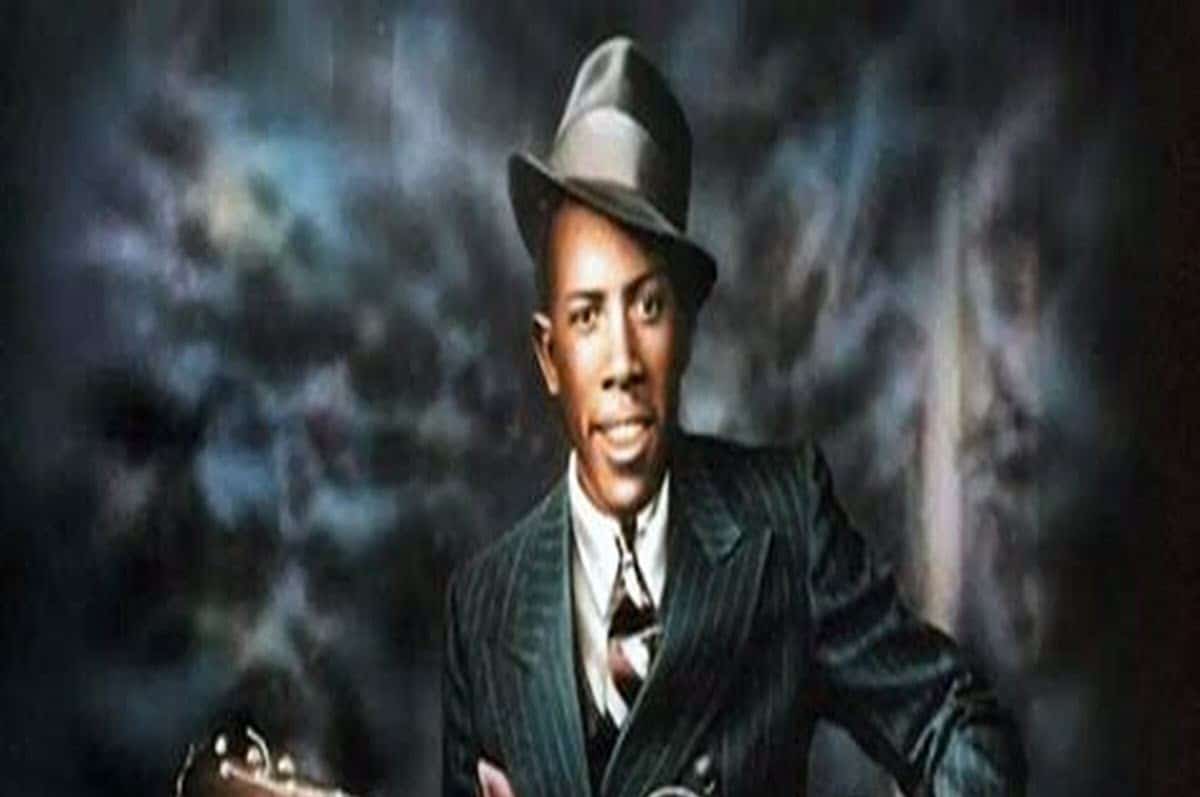
Robert Johnson, the legendary bluesman whose haunting melodies and poetic storytelling shaped the foundation of modern music, remains one of the most influential figures in music history. Despite recording just 29 songs during his short life, Johnson left behind an indelible legacy that continues to captivate audiences and inspire musicians across genres—from blues and rock to jazz and beyond. His mysterious life, marked by tales of crossroads deals and supernatural talent, has only deepened the allure of his music.
In this article, we celebrate the top 10 most popular Robert Johnson songs of all time—tracks that showcase his raw emotion, masterful guitar technique, and lyrical genius. These songs are more than just pieces of music; they are windows into the soul of a man whose artistry captured the struggles, hopes, and heartbreak of the human experience. Whether you’re a lifelong fan of the Delta Blues or just discovering Johnson’s magic, this list offers a journey through some of the most iconic and powerful songs ever recorded.
So grab your headphones, let the soulful wail of Johnson’s voice and the intricate slide of his guitar transport you back to the heart of the Mississippi Delta, and prepare to uncover the timeless brilliance of a true musical legend.
1. Cross Road Blues (1936)
“Cross Road Blues,” one of Robert Johnson’s most iconic songs, is a haunting tale of desperation, spiritual reckoning, and the search for redemption. Recorded in 1936, this track has become synonymous with the myth surrounding Johnson’s supposed deal with the devil at a crossroads. The crossroads symbolize a pivotal moment of choice, where one’s fate is altered, and the longing for salvation is palpable throughout the song. Johnson’s anguished vocals, coupled with his intricate slide guitar work, evoke the deep torment of a soul in crisis. As he croons, “I went down to the crossroads, fell down on my knees,” it’s clear that the singer is seeking divine intervention, desperate for a way out of his existential struggles. The melancholy slide guitar weaves a tapestry of emotional turmoil, enhancing the sense of isolation and hopelessness.
The imagery of the crossroads has permeated blues culture, and its influence stretches far beyond Johnson’s original recording. The song has been covered and referenced by countless artists, cementing its place in the cultural fabric of blues and popular music. “Cross Road Blues” not only showcases Johnson’s incredible technical ability on the guitar but also highlights his masterful storytelling, blending personal anguish with universal themes of temptation, regret, and redemption. For many, this song is the definitive Robert Johnson track, epitomizing his legacy and the power of blues to capture deep, raw emotion. Its ability to resonate with listeners across generations makes it a timeless classic, a testament to Johnson’s enduring influence on music and culture.
2. Sweet Home Chicago (1936)
“Sweet Home Chicago” is a jubilant anthem that has become a signature song in the blues genre. First recorded in 1936, Robert Johnson’s rendition of the song exudes a sense of yearning for a place of refuge and comfort, represented by the city of Chicago. As one of the quintessential blues tracks, it showcases Johnson’s ability to blend themes of hope and longing with a rhythm that makes it irresistibly danceable. The chorus, “Come on, baby don’t you want to go? Back to that same old place, sweet home Chicago,” echoes a call for return and reunion, reflecting a desire for a better place, both physically and emotionally.
The song’s infectious rhythm, driven by Johnson’s signature slide guitar and accompanied by a steady, pulsating beat, gives the track a groove that is both comforting and uplifting. The lyrics reflect the universal longing for a place that feels like home, a place where one can find solace amidst the turmoil of life. This sentiment resonated deeply with audiences in 1936, and it continues to strike a chord with listeners to this day. The imagery of returning to Chicago becomes a metaphor for seeking peace, personal fulfillment, and escape from hardship.
“Sweet Home Chicago” has since become a staple in the blues genre, covered by numerous artists and played in blues clubs around the world. Johnson’s version remains the benchmark, with its soulful melodies and timeless message of hope and longing. The song stands as a testament to Johnson’s songwriting ability, capturing both the struggles and the dreams of those in pursuit of a better life.
3. Hellhound on My Trail (1937)
“Hellhound on My Trail” is one of Robert Johnson’s most emotionally charged and haunting songs, recorded in 1937. The track captures themes of paranoia, dread, and the looming specter of mortality. The song’s lyrics vividly depict the feeling of being pursued by an unseen, malevolent force, symbolized by the hellhound. Johnson sings with an almost feverish intensity, his voice trembling as he describes his plight: “I got to keep moving, I got to keep moving, blues falling down like hail.” This sense of urgency and helplessness is further heightened by his mesmerizing slide guitar, which weaves an atmosphere of unease and tension.
The hellhound in the song has often been interpreted as a metaphor for the internal struggles Johnson faced—his battles with temptation, guilt, and a sense of impending doom. The lyrics suggest that the narrator is being hunted by forces beyond his control, adding a supernatural dimension to the song. The hound, often associated with folklore and the idea of damnation, becomes a powerful symbol of the inevitability of fate and the consequences of one’s choices.
“Hellhound on My Trail” is a masterclass in storytelling, as Johnson’s evocative lyrics and captivating guitar playing conjure a world filled with existential dread. The haunting nature of the song has made it a cornerstone of the blues genre, influencing countless artists and maintaining its grip on listeners’ imaginations. Its sense of tension and the pursuit of salvation or escape makes it one of the most powerful and memorable tracks in Johnson’s catalog.
4. Love in Vain Blues (1937)
“Love in Vain Blues” is one of Robert Johnson’s most heartbreaking and emotionally resonant songs, recorded in 1937. The track is a soulful expression of unrequited love, capturing the pain of longing for someone who has slipped away. Johnson’s mournful lyrics and aching guitar create a deeply personal and intimate experience, inviting the listener into his world of heartache. The song’s poignant refrain, “I went down to the station, and I looked up at the sky, and I saw my baby, she said goodbye,” paints a vivid picture of rejection and loss, echoing the universal sorrow that comes with love unreturned.
What sets “Love in Vain Blues” apart from many other blues ballads is its simplicity and emotional depth. The melody flows effortlessly, with Johnson’s slide guitar conveying a sense of sadness that words alone could not capture. His voice, raw and full of longing, conveys a sense of vulnerability and emotional exposure, as he sings of a love that has slipped through his fingers.
The song’s themes of heartbreak and longing have made it a favorite among blues fans and artists alike. It resonates with anyone who has experienced the pain of love lost, making it a timeless classic. The simplicity of the lyrics, combined with the depth of emotion in Johnson’s performance, allows the song to transcend time, becoming a deeply personal experience for each listener. “Love in Vain Blues” remains one of Robert Johnson’s most enduring works, a powerful testament to his ability to capture the complexities of the human heart.
5. Me and the Devil Blues (1937)
“Me and the Devil Blues” is a chilling and enigmatic song that dives into dark, evocative themes of temptation, guilt, and a troubled relationship with the devil. Recorded in 1937, the track is notable for its haunting lyrics and eerie atmosphere, with Johnson’s raw vocals and sinister guitar creating an unsettling vibe. The song opens with the striking line, “Early this mornin’ when you knocked upon my door, and I said, ‘Hello Satan, I believe it’s time to go.’” This ominous introduction sets the tone for a song that explores the complexities of a relationship with evil, as Johnson sings of an intimate and uneasy encounter with the devil himself.
The song’s lyrics are stark and straightforward, yet they carry an undeniable sense of dread. The devil in the song is not a distant, abstract figure, but an active presence in Johnson’s life, guiding his actions and decisions. The feeling of being caught in a web of sin and guilt is palpable, as Johnson sings about being led astray by forces beyond his control. The music itself mirrors this darkness, with Johnson’s guitar playing reflecting the dissonance and tension of the lyrics.
“Me and the Devil Blues” is one of Robert Johnson’s most compelling songs, a masterful example of his ability to blend dark themes with powerful, evocative music. Its unsettling tone and stark lyrics continue to captivate listeners, adding to Johnson’s legacy as a master storyteller. The song’s exploration of the human condition and the forces that shape our lives makes it a timeless piece of blues history, cementing Johnson’s place as a pioneering figure in the genre.
6. Terraplane Blues (1936)
“Terraplane Blues,” Robert Johnson’s first recorded song in 1936, became an unexpected hit, catapulting him to fame in the world of blues music. What sets this track apart is its clever use of metaphors, as Johnson likens the troubles in his romantic life to the workings of a car, specifically a Terraplane. In the song, the narrator compares his lover to a faulty vehicle that needs repair, drawing parallels between the mechanics of the car and the struggles in their relationship. “She’s my baby, but she’s not comin’ back,” Johnson sings, encapsulating the emotional frustration and heartache that come with a love gone wrong.
The song’s upbeat tempo and playful rhythm create a lively contrast to the heartache expressed in the lyrics, showcasing Johnson’s skill in balancing melancholy with a catchy melody. The rolling guitar riffs and steady rhythm propel the song forward, providing a backdrop for Johnson’s energetic vocals. It’s a prime example of how Johnson blended his technical prowess with a deep emotional understanding, creating a song that resonates on multiple levels.
“Terraplane Blues” became Johnson’s most commercially successful recording during his lifetime, a testament to his ability to connect with audiences. The song’s metaphorical imagery, combined with its infectious rhythm, made it a staple in the blues genre and inspired countless artists who came after him. Its catchy melody and relatable themes of love, loss, and longing ensured that it would remain a classic, forever cementing Johnson’s place as one of the most influential figures in blues history.
7. Come On in My Kitchen (1936)
“Come On in My Kitchen” is one of Robert Johnson’s most intimate and soulful tracks, recorded in 1936. The song captures a feeling of longing and loneliness, evoking the image of a person seeking solace from the cold and the rain. Johnson’s haunting slide guitar and plaintive vocal delivery create a deeply personal atmosphere, drawing the listener into the heart of the song’s emotional turmoil. The lyrics, “If you don’t want me, why don’t you let me be,” express a sense of vulnerability and resignation, as the narrator pleads for companionship during a time of isolation.
The song is a beautiful example of Johnson’s ability to express complex emotions with simplicity and elegance. The metaphor of inviting someone into the kitchen—an intimate space associated with warmth, comfort, and nourishment—adds a layer of vulnerability to the narrative, making it clear that the narrator is seeking emotional refuge from the coldness of the world. The mournful tone of the guitar amplifies the sense of isolation and longing, as if the sound itself is echoing the narrator’s need for human connection.
“Come On in My Kitchen” is one of Johnson’s most emotionally rich and deeply resonant songs. Its blend of personal despair and soulful delivery has made it a favorite among blues fans and artists alike. The song’s ability to convey such raw emotion with minimal instrumentation is a testament to Johnson’s mastery of his craft. Over the years, the track has inspired numerous covers, further cementing its status as one of the most influential blues songs in history.
8. Stop Breakin’ Down Blues (1937)
“Stop Breakin’ Down Blues” is an energetic, defiant track that captures the raw intensity and passion of Robert Johnson at his finest. Recorded in 1937, this song is driven by a repetitive, unrelenting rhythm that reflects the narrator’s refusal to succumb to the emotional turmoil they’re facing. The lyrics, which speak of heartbreak and frustration, are delivered with urgency, and Johnson’s guitar work mirrors this intensity, as he plays with a fire and aggression that propels the song forward. The driving beat and sharp, rhythmic guitar lines create a sense of momentum that echoes the frustration of the narrator, who implores, “Stop breakin’ down, baby, please stop breakin’ down.”
Unlike many of Johnson’s more melancholic songs, “Stop Breakin’ Down Blues” is infused with a sense of energy and defiance. The repetitive nature of the rhythm and the insistence in Johnson’s voice create a feeling of desperation, as if the narrator is reaching a breaking point and seeking release. The song’s intensity and pace make it stand out in Johnson’s catalog, and its raw emotion has made it a favorite among blues fans and musicians alike.
This track’s influence extends beyond the blues genre, having been covered by artists like The Rolling Stones and Eric Clapton. The combination of its rhythmic drive and emotionally charged lyrics has made it a staple in the blues-rock world, and its enduring appeal is a testament to the power of Johnson’s songwriting and performance. “Stop Breakin’ Down Blues” is one of the definitive tracks in Robert Johnson’s catalog, showcasing his ability to infuse his music with both intensity and emotion.
9. Ramblin’ on My Mind (1936)
“Ramblin’ on My Mind” is one of Robert Johnson’s most poignant songs, recorded in 1936. The track reflects the emotional restlessness and heartbreak of a wandering soul. Johnson’s signature slide guitar and soulful vocals create an evocative atmosphere of loneliness and longing. The lyrics, which express the narrator’s sorrow over the dissolution of a relationship, convey the sadness and confusion that accompany love lost. As Johnson sings, “I’m ramblin’ on my mind,” it’s clear that the narrator is not just physically restless but emotionally adrift, unable to find peace.
The song’s haunting melody, paired with its deeply personal lyrics, captures the essence of the blues. Johnson’s slide guitar playing weaves seamlessly with the vocal delivery, adding an extra layer of emotional depth to the track. The simplicity of the lyrics is contrasted by the complexity of the emotions they convey, making this a quintessential example of Johnson’s ability to express universal feelings of love, loss, and loneliness with minimal words.
“Ramblin’ on My Mind” has become one of Johnson’s most enduring works, influencing generations of blues artists and musicians. Its themes of wandering, both physically and emotionally, have resonated with listeners for decades, making it a timeless classic. The song’s raw emotion and Johnson’s masterful performance continue to captivate listeners, securing its place as one of the cornerstones of blues music.
10. They’re Red Hot (1936)
“They’re Red Hot” is a playful and lively track from Robert Johnson’s 1936 recordings, offering a delightful departure from the darker themes that often dominate his work. The song has a lively, ragtime-inspired rhythm that highlights Johnson’s versatility as a musician. The lyrics are lighthearted and humorous, focusing on a playful description of hot tamales, a metaphor for something irresistible or in high demand. Johnson’s upbeat delivery and bouncy guitar riffs add to the track’s infectious charm, making it a joyful addition to his catalog.
Despite its more lighthearted nature, “They’re Red Hot” still carries the distinctive elements of Johnson’s style: tight guitar work, smooth slide playing, and an ability to capture the listener’s attention. The song’s humor and energetic tempo make it a refreshing contrast to some of his more somber tracks, showcasing his range as an artist. The infectious rhythm and fun lyrics make it a standout among his other blues recordings.
“They’re Red Hot” is a testament to Johnson’s ability to infuse his music with both joy and melancholy, seamlessly shifting between different emotional registers. While not as renowned as some of his more iconic tracks, the song has gained a reputation for its lighthearted fun and playful nature, providing a glimpse into the more playful side of one of blues’ greatest pioneers. This track proves that even in the world of the blues, there’s room for laughter and celebration.

Edward Tomlin is a frequent contributor to Singers Room. Since 2005, Singersroom has been the voice of R&B around the world. Connect with us via social media below.









