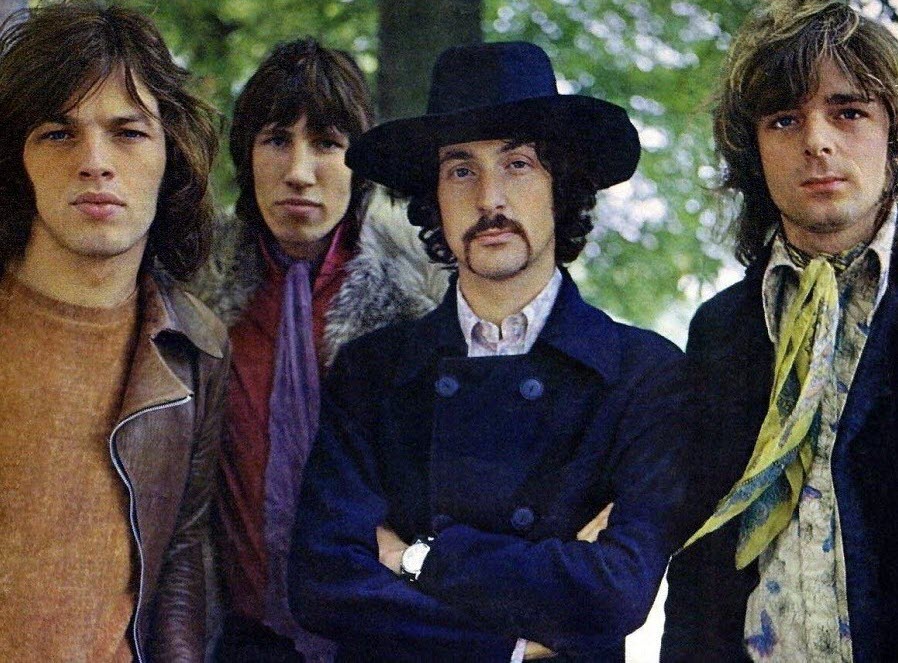
Few bands in history have shaped the landscape of music quite like Pink Floyd. Known for their groundbreaking soundscapes, poetic lyrics, and mesmerizing live performances, this iconic British rock band has left an indelible mark on generations of listeners. From the mind-bending psychedelia of their early works to the profound philosophical musings of their later albums, Pink Floyd’s music transcends time, space, and genre. Whether you’re a lifelong fan or a newcomer eager to dive into their catalog, this article will take you on an exhilarating journey through their greatest hits.
In this countdown of the top 10 most popular Pink Floyd songs, we’ll explore the tracks that have captivated millions, from haunting ballads to epic anthems that push the boundaries of rock music. Each song is a testament to the band’s unparalleled artistry and their ability to tap into the deepest corners of the human experience. So, sit back, turn up the volume, and prepare to immerse yourself in the timeless brilliance of Pink Floyd. Will your favorite song make the list? Let’s find out as we celebrate the music that continues to inspire and connect fans across the globe!
1. Comfortably Numb (1979)
“Comfortably Numb” is one of Pink Floyd’s most enduring tracks, a song that stands as a monumental achievement in both emotion and musicality. Originally featured on their 1979 album The Wall, the song explores feelings of alienation and emotional detachment through the lens of its protagonist. The lyrics, written by Roger Waters, are a meditation on the numbness that comes with being overwhelmed by the world, and the desire to escape from it. The haunting interplay between Waters’ detached vocals and David Gilmour’s soaring guitar solos provides the emotional core of the track. Gilmour’s guitar work, widely regarded as one of the greatest solos of all time, is a masterclass in restraint and feeling. The way it rises and falls with the emotional weight of the lyrics, perfectly captures the isolation the song’s character is experiencing. Gilmour’s ability to weave these emotionally charged solos is what makes this track so timeless. The song’s structure itself is almost hypnotic—an ebb and flow of atmosphere and intensity that mirrors the internal conflict of the character. The musicality of “Comfortably Numb” is a masterpiece in and of itself, from the building tension of the verses to the cathartic release of the final guitar solo. Its ability to transport listeners into the depths of its protagonist’s mind while still feeling expansive and universally relatable makes “Comfortably Numb” an iconic piece of music. It remains a cornerstone of Pink Floyd’s legacy, a track that encapsulates the band’s ability to blend profound, emotional storytelling with intricate, virtuosic instrumentation. Fans and musicians alike continue to look to this track as one of the band’s greatest triumphs.
2. Wish You Were Here (1975)
The title track of Pink Floyd’s Wish You Were Here (1975) is one of the most poignant songs in the band’s catalog, a heartfelt tribute to the band’s former bandmate, Syd Barrett. It is a melancholic exploration of loss, absence, and the longing for a connection that can no longer be fulfilled. The song begins with an iconic acoustic guitar riff, gentle yet emotionally charged, setting the stage for the deep longing expressed in the lyrics. From the opening, with its sounds of radio tuning and voices filtering in and out, the song instantly establishes a sense of nostalgia and wistfulness. Roger Waters’ lyrics are direct yet filled with a subtle poetry that speaks to the pain of missing someone who was once an integral part of your life. “How I wish, how I wish you were here / We’re just two lost souls swimming in a fishbowl, year after year” is a line that perfectly encapsulates the feeling of being trapped in memories, unable to move forward without the person who once shared the journey. The song’s power lies not only in its lyrical content but in its deeply emotional performance. David Gilmour’s guitar playing adds a layer of emotion that complements Waters’ vocals. His lead guitar lines are smooth, expressive, and dripping with sadness, yet they carry a sense of hopeful yearning. “Wish You Were Here” has resonated deeply with listeners, becoming one of the band’s most beloved songs, not just as a tribute to Barrett but as a universal reflection on the pain of losing someone and the feeling of absence that permeates our lives. It remains a quintessential moment in Pink Floyd’s legacy.
3. Another Brick in the Wall, Part 2 (1979)
“Another Brick in the Wall, Part 2” from The Wall (1979) is one of Pink Floyd’s most commercially successful and culturally significant tracks. It became an anthem of rebellion and defiance, thanks to its unforgettable bassline, the chorus chant of “We don’t need no education,” and its critique of the authoritarian schooling system. Roger Waters’ lyrics were inspired by his own experiences with a rigid, oppressive educational system, and this track serves as a rallying cry for anyone who has ever felt trapped or stifled by societal expectations. The song’s infectious hook, with the children’s choir chanting the infamous lines, became an immediate global phenomenon, resonating deeply with those who felt disillusioned by traditional institutions. Musically, “Another Brick in the Wall, Part 2” is a fusion of rock, funk, and progressive elements, with a catchy, driving bassline from Roger Waters that propels the song forward. The choral arrangement, with its children’s voices, adds a layer of innocence and vulnerability, underscoring the track’s message of resistance. The catchy riff, punctuated by a sharp guitar solo from David Gilmour, is a perfect balance of energy and emotion, capturing the essence of rebellion and youthful defiance. “Another Brick in the Wall, Part 2” also stands out as one of the most commercially successful tracks in Pink Floyd’s catalog, a song that became an anthem for an entire generation. It remains an essential part of their legacy, a timeless critique of education, conformity, and authority. The track’s cultural impact has lasted far beyond its release, continuing to inspire protest and resistance in various forms across the world.
4. Time (1973)
“Time,” from Pink Floyd’s groundbreaking The Dark Side of the Moon (1973), is a powerful meditation on the passage of life, the fleeting nature of time, and the realization that we often squander the moments that are most precious. The song opens with the sound of ticking clocks and alarm bells, setting an ominous tone as it reflects on the inevitable march of time. The opening is followed by a jazzy instrumental section that builds the track’s atmosphere before launching into one of the most unforgettable intros of the album—David Gilmour’s soulful guitar and Roger Waters’ poignant vocals. The lyrics, with lines like “Ticking away the moments that make up a dull day / Fritter and waste the hours in an off-hand way,” speak to the feeling of time slipping through our fingers, often unnoticed until it is too late. The sense of urgency in the song is palpable, as Gilmour’s voice grows increasingly desperate and impassioned, urging the listener to take stock of their lives. The track’s transition into the soaring guitar solo is a moment of catharsis, as Gilmour’s guitar swells with a sense of longing and regret. The solo itself is a haunting expression of the emotions conveyed in the lyrics, becoming a highlight of the album and one of the most beloved solos in rock history. Musically, “Time” is an intricate blend of progressive rock, jazz, and blues, with its shifting time signatures and complex instrumentation. The song’s message about the passing of time is both universal and personal, resonating deeply with anyone who has ever experienced the weight of life’s brevity. “Time” remains one of Pink Floyd’s most powerful and timeless songs, and it continues to captivate new listeners with its emotional depth and musical complexity.
5. Shine On You Crazy Diamond (1975)
“Shine On You Crazy Diamond” is a nine-part epic that serves as a tribute to Pink Floyd’s former bandmate Syd Barrett, whose mental decline was a profound loss to the band. The song, from the 1975 album Wish You Were Here, is an atmospheric and emotionally charged piece that perfectly encapsulates the sense of grief and admiration the band felt for Barrett. The song opens with an eerie, atmospheric instrumental introduction that slowly builds into a majestic, layered composition. Each section of “Shine On You Crazy Diamond” feels like a unique exploration of Syd Barrett’s life and legacy, from the hauntingly ethereal first parts to the more powerful and dramatic later sections. The lyrics, sung by Roger Waters, are a tender reflection on the life of someone who was once brilliant and full of promise but whose mental health ultimately led to their tragic downfall. Waters sings “Remember when you were young / You shone like the sun,” evoking a sense of nostalgia and loss, while the music itself mirrors the fluctuations in Barrett’s life—moments of brilliance, followed by periods of darkness. Musically, “Shine On You Crazy Diamond” is a masterclass in atmospheric rock, with long instrumental passages that build in intensity, allowing for deep emotional resonance. David Gilmour’s guitar work throughout is sublime, adding both fragility and strength to the track. His solos are haunting, yet they carry a sense of hope, as if to suggest that even in loss, there is a desire to keep shining. “Shine On You Crazy Diamond” is not only a tribute to Syd Barrett but also an enduring statement about the fragility of the human condition and the hope for healing. It remains one of Pink Floyd’s most powerful and timeless works.
6. Money (1973)
“Money,” from The Dark Side of the Moon (1973), is one of Pink Floyd’s most well-known and distinctive songs. Its driving, funky bassline, which was played by Roger Waters, sets the tone for a track that explores the corrupting influence of wealth and the obsession with materialism. The song opens with the sound of a cash register and the clinking of coins, instantly establishing its thematic focus on money and the greed that often accompanies it. The 7/4 time signature is unusual for a rock song, and it gives the track an off-kilter feel that perfectly complements the song’s critique of consumerism and wealth. Waters’ sharp, cynical lyrics, delivered with an almost mocking tone, reflect on the emptiness of chasing after money and material success. The catchy refrain “Money, it’s a hit / Don’t give me that do-goody-good bullshit” encapsulates the irony of a society obsessed with wealth, while also poking fun at the people who claim to be morally superior. Musically, the song is a masterclass in blending rock with jazz and funk influences. The saxophone solo by Dick Parry is a standout moment, adding a jazzy flavor that contrasts with the rest of the song’s rock-driven energy. The song’s dynamic shifts between heavy, distorted guitars and funky, syncopated rhythms create a sense of tension, as though the song itself is in conflict with the materialism it critiques. The groove of the song is infectious, making it a favorite among fans and a highlight of live shows. “Money” is one of Pink Floyd’s most enduring tracks, both musically and thematically, and it continues to resonate with listeners today for its sharp critique of wealth and consumer culture.
7. Hey You (1979)
“Hey You,” from Pink Floyd’s The Wall (1979), is a haunting cry for connection and understanding. The song is an emotional plea from the protagonist of The Wall, expressing his feelings of isolation, loneliness, and despair. It sits in the middle of the album’s narrative arc, which delves into themes of alienation and the emotional walls people build to protect themselves from the pain of life. The track opens with a delicate acoustic guitar intro, which quickly gives way to a deep, resonating bassline and David Gilmour’s sorrowful vocals. The lyrics are a direct call for someone, anyone, to reach out, with Gilmour singing, “Hey you, out there in the cold / Getting lonely, getting old, can you feel me?” The sense of urgency and need for connection is palpable, and the music perfectly complements the emotional intensity of the lyrics. The contrast between the soft, introspective verses and the full-blown electric choruses reflects the inner turmoil and conflict of the character. There’s a palpable tension in the arrangement, as though the protagonist is desperately trying to break down his emotional barriers, but is met with silence. The driving rhythm section, combined with the soaring lead guitar, elevates the track to a powerful crescendo. What makes “Hey You” stand out is its ability to simultaneously evoke vulnerability and strength. It’s a song that touches on the human experience of being cut off from others, yet still yearning for connection. The song’s raw emotion and powerful delivery make it one of the most memorable tracks on The Wall, and its message of reaching out to others remains as relevant today as it was when it was first released. “Hey You” has become a staple of Pink Floyd’s catalog, standing as a poignant reminder of the power of human connection.
8. Echoes (1971)
“Echoes,” from Pink Floyd’s Meddle (1971), is one of the band’s most ambitious and experimental works, clocking in at over 23 minutes. The track is a sprawling journey through sound, emotions, and themes of human experience, making it a perfect example of Pink Floyd’s capacity to create expansive musical landscapes. The song’s atmospheric opening—composed of shimmering sounds and eerie underwater effects—gradually gives way to a deep, resonating riff, signaling the beginning of a sonic voyage. “Echoes” moves through various musical sections, from delicate passages of ambient sound to heavy, rock-driven moments, allowing the listener to feel as though they’re traveling through a series of emotional and sonic states. The track is both a sonic and conceptual journey, drawing parallels between the depths of the human mind and the vastness of the universe. The central theme of the song is about interconnectedness—how every action, word, and feeling leaves a lasting echo in the world and in our relationships. The lyrics, sung by Roger Waters, are philosophical and introspective, exploring ideas of time, space, and our place in the universe. David Gilmour’s guitar playing is a standout, with his solos cutting through the vast soundscape with both fragility and power. “Echoes” also features one of the band’s most experimental instrumental passages, where the music takes on a life of its own, shifting and morphing into various forms before coming to a climactic resolution. The song’s ability to blend elements of progressive rock, jazz, and psychedelia showcases Pink Floyd’s unparalleled creativity during this period. “Echoes” is an epic, an auditory exploration of the human condition, making it one of the defining tracks of Pink Floyd’s career and an unforgettable experience for listeners.
9. Us and Them (1973)
“Us and Them,” from The Dark Side of the Moon (1973), is a beautiful, melancholic reflection on the divisions that exist between people, both on an individual and societal level. The song’s lush, jazzy arrangement, featuring prominent saxophone melodies and soulful vocals, creates a sense of emotional depth and gravity. Lyrically, the song delves into the themes of war, conflict, and the separation between “us” and “them,” offering a poignant critique of the divisions that drive human beings to violence and estrangement. “Us and Them, and after all / We’re just ordinary men” is a line that captures the futility of conflict, as the song suggests that, despite our differences, we all share the same basic humanity. The soft, almost haunting delivery of Roger Waters’ vocals in the verses, combined with the powerful saxophone lines by Dick Parry, creates an emotionally charged atmosphere. The song’s slow, deliberate pace allows the listener to fully absorb its message and the depth of its sorrow. One of the standout features of “Us and Them” is its ability to convey a sense of melancholy without being overly heavy-handed. The gentle rhythm section and intricate keyboard work create a smooth, immersive feel, allowing the listener to become fully immersed in the track. As the song progresses, the intensity gradually builds, culminating in an emotionally powerful section where the music swells and becomes more dramatic. “Us and Them” is a perfect example of Pink Floyd’s ability to mix deep philosophical musings with rich, immersive soundscapes. Its critique of conflict, separation, and the human condition remains timeless, making it one of the standout tracks on The Dark Side of the Moon and one of the band’s most enduring songs.
10. Brain Damage/Eclipse (1973)
“Brain Damage” and “Eclipse,” the closing tracks of The Dark Side of the Moon (1973), serve as a climactic and poetic conclusion to the album, bringing together its themes of mental illness, self-awareness, and unity. These two songs, often considered as one continuous piece, explore the fragility of the human mind and the moments of reckoning that come when we confront our deepest fears and truths. “Brain Damage” begins with the eerie lyrics of Roger Waters, describing the deterioration of the protagonist’s mind, “The lunatic is on the grass / The lunatic is in the hall.” The unsettling, haunting quality of the track is perfectly matched by the tension in the music, which moves through dark, distorted sections and more mellow, introspective moments. The centerpiece of “Brain Damage” is the famous line, “And if the band you’re in starts playing different tunes / I’ll see you on the dark side of the moon,” which encapsulates the album’s overarching themes of inner turmoil and disillusionment. “Eclipse,” the final part of the piece, acts as a resolution and culmination of the album’s narrative. The music builds to a grand, sweeping conclusion, with the band singing in unison, “And everything under the sun is in tune / But the sun is eclipsed by the moon.” This line represents a moment of clarity, where the chaos and dissonance of the mind are momentarily quieted, leading to a sense of unity and understanding. The final crescendo of the track is a musical and emotional release, bringing closure to the album’s themes of mental struggle, self-exploration, and the human condition. “Brain Damage” and “Eclipse” are a fitting conclusion to The Dark Side of the Moon, serving as an emotionally powerful ending that brings the album’s profound narrative full circle, making them two of the most memorable and impactful songs in Pink Floyd’s catalog.

Edward Tomlin is a frequent contributor to Singers Room. Since 2005, Singersroom has been the voice of R&B around the world. Connect with us via social media below.









