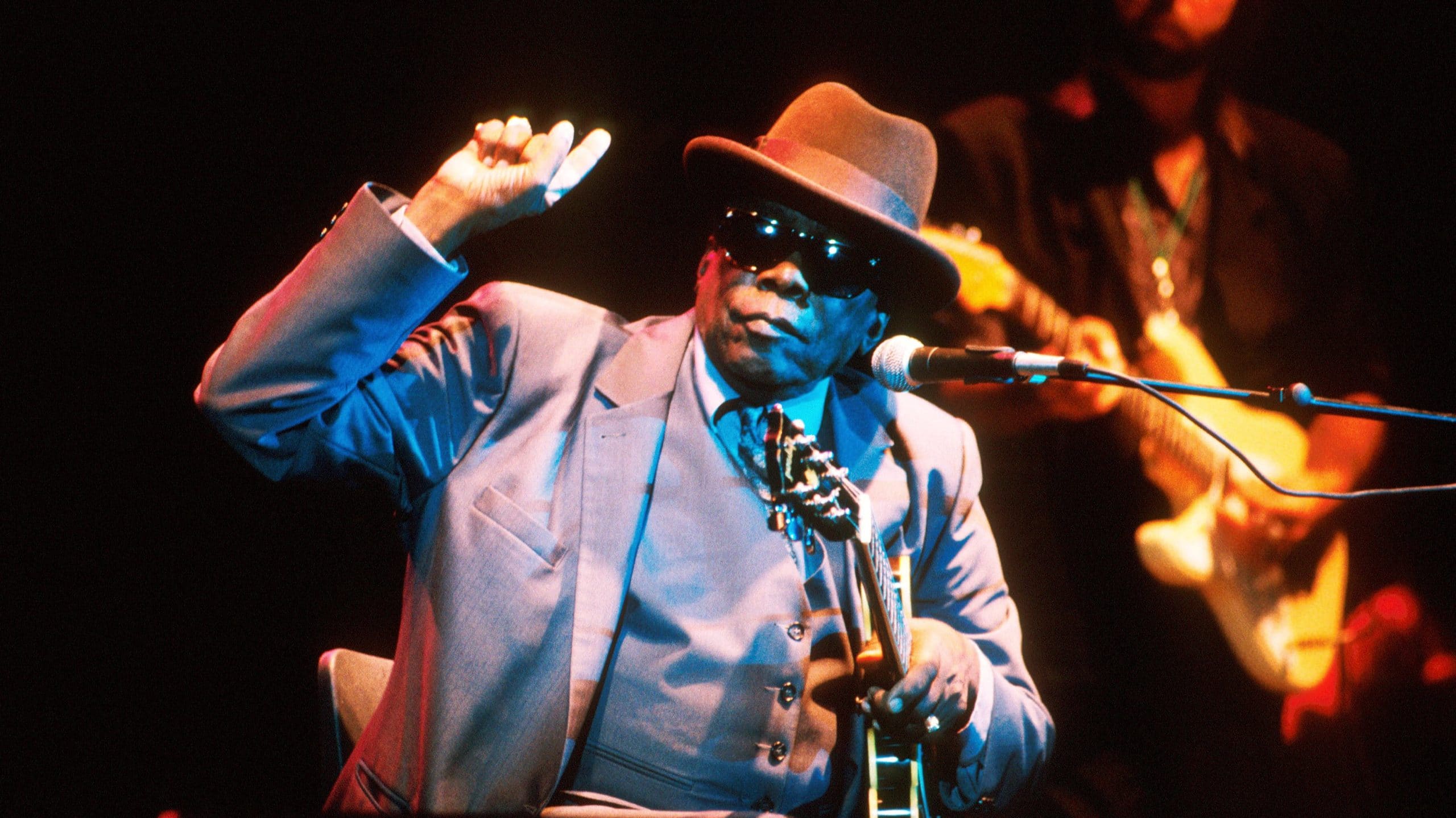
John Lee Hooker, the legendary “King of the Boogie,” stands as one of the most influential and iconic figures in blues history. With his deep, gravelly voice and hypnotic, foot-stomping rhythms, Hooker didn’t just play the blues—he lived it, breathed it, and redefined it for generations. His music, raw and deeply emotional, transcends time, striking a chord with listeners from all walks of life.
Over his remarkable career, Hooker crafted an unparalleled catalog of songs that embody the spirit of the blues: tales of heartache, resilience, and celebration. Whether you’re a lifelong fan of his signature “boogie” style or a newcomer to his music, you’ll find yourself irresistibly drawn to the soulful power of his work. His influence can be heard in nearly every corner of modern music, inspiring artists across blues, rock, and beyond.
In this article, we dive into the top 10 most popular John Lee Hooker songs of all time—tracks that epitomize his genius and continue to captivate audiences worldwide. From his early classics to his unforgettable collaborations, these songs are a testament to Hooker’s enduring legacy. So, grab a seat and get ready to immerse yourself in the electrifying sound of a true blues master!
1. Boogie Chillen’ (1948)
John Lee Hooker’s debut hit, “Boogie Chillen’,” released in 1948, is a track that forever changed the trajectory of blues music. With its hypnotic, repetitive rhythm and minimalist structure, it introduced Hooker’s boogie blues style to the world—one that would become iconic in the genre. The song is built around a steady, stomping guitar riff that mirrors the pulse of life in Detroit, where Hooker lived at the time. The raw energy of the track, combined with his unique spoken word delivery, gave birth to a groove that feels as if it were flowing through the veins of the city itself. “Boogie Chillen’” is a celebration of freedom and individuality, reflecting Hooker’s personal desire to escape societal constraints and express himself through his music. He sings of the rhythm of the night, as he confidently declares that he’s “gonna boogie like you never seen before.” There’s an element of rebellion in the way the song unfolds, with Hooker refusing to conform to the traditional boundaries of the blues. He plays the guitar in a way that’s unlike anything that had come before him—improvisational, unrestrained, and full of life. The minimalist nature of the track, with its focus on the groove and rhythm, created a sound that was both infectious and timeless. It was this raw, unfiltered style that earned Hooker a devoted following and solidified “Boogie Chillen’” as a classic, sparking the evolution of blues into what would eventually become rock and roll. This song remains a cornerstone of Hooker’s legacy and a defining moment in the history of blues music.
2. Crawling King Snake (1949)
Released in 1949, “Crawling King Snake” is a dark, seductive track that showcases John Lee Hooker’s deep roots in the Delta blues tradition. With its sultry guitar riffs and Hooker’s commanding vocals, the song is a primal exploration of desire, power, and dominance. The metaphor of the snake serves as a powerful symbol, representing seduction, control, and the dangerous allure of temptation. Hooker’s voice is raw and haunting, weaving through the slithering guitar lines like a serpent moving through the grass. The lyrics are simple, but they are imbued with a sense of purpose and authority, as Hooker speaks of being the “crawling king snake” in a world of lesser creatures. The slow, hypnotic rhythm mirrors the sensuality of the lyrics, adding an additional layer of intimacy and power. The track is steeped in the mystique of the Delta blues, with Hooker drawing from the traditions of the genre while infusing it with his own distinct style. As he narrates his dominance, there’s a sense of quiet menace in his tone, making the listener feel the weight of his presence and influence. “Crawling King Snake” has been covered by countless artists over the years, but it is Hooker’s original version that remains unmatched. His ability to create a sense of tension and desire through his voice and guitar makes this track one of his most memorable and influential songs. It’s a testament to Hooker’s mastery of blues music and his ability to craft stories that resonate deeply with listeners, even decades after its release.
3. Hobo Blues (1950)
In 1950, John Lee Hooker released “Hobo Blues,” a poignant and reflective track that captures the loneliness and hardship of a life lived on the road. The song is deeply personal, drawing from Hooker’s own experiences as a young man moving from town to town, seeking work and survival in the harsh conditions of the South. The rhythm of the guitar mirrors the sound of a train’s wheels clattering along the tracks, evoking the feeling of a man who’s constantly on the move, never quite finding a place to call home. Hooker’s voice, soulful and resonant, conveys the emotional depth of the lyrics. He sings of the hard life of a hobo, a wanderer without a home, and the sense of longing that comes with it. Despite the hardships described in the song, there’s a sense of resilience and determination in his voice. Hooker’s ability to turn personal struggle into universal themes is one of his greatest strengths as an artist, and “Hobo Blues” is a perfect example of that. The track is stripped-down, raw, and honest, with just Hooker’s voice and guitar providing the emotional backdrop to the narrative. There’s a beauty in the simplicity of the song, as Hooker doesn’t need elaborate arrangements or fancy instrumentation to convey the depth of his experience. “Hobo Blues” remains one of Hooker’s most heartfelt and enduring songs, capturing the essence of the blues in a way that feels both timeless and deeply authentic. It speaks to anyone who has ever been on a journey, searching for a place to belong, and finding solace in the music along the way.
4. I’m in the Mood (1951)
“I’m in the Mood,” released in 1951, is one of John Lee Hooker’s most iconic tracks, a sultry, slow-burning blues classic that captures the mood of desire and passion. With its simmering rhythm and hooky lyrics, the song has an undeniable sensuality that resonates with anyone who’s ever felt the stirrings of love or longing. The track opens with a steady, laid-back rhythm, as Hooker’s deep, gravelly voice sets the mood with the simple yet evocative line, “I’m in the mood for love.” As the song progresses, Hooker uses his distinctive vocal delivery to convey the emotions of desire and intimacy, wrapping the listener in a warm, seductive atmosphere. The guitar riff, a signature of Hooker’s boogie blues style, shimmers alongside the bassline, creating a groove that feels both timeless and contemporary. The lyrics, though simple, are powerful in their directness. There’s no pretense in Hooker’s delivery—he speaks plainly but with such intensity and emotion that it becomes impossible to ignore the depth of feeling behind every word. The song’s simplicity is part of its charm. Hooker doesn’t need elaborate arrangements or complex melodies to evoke the feeling of passion. His voice, combined with the steady rhythm and subtle guitar work, creates a mood that’s both relaxed and electric. “I’m in the Mood” exemplifies Hooker’s ability to convey raw emotion through music, making it one of his most enduring and beloved tracks. Its influence can be heard in countless blues and rock songs that followed, cementing Hooker’s status as a master of the genre. This track remains a cornerstone of Hooker’s catalog, and its sensual groove continues to captivate audiences decades after its release.
5. Dimples (1956)
“Dimples,” released in 1956, is one of John Lee Hooker’s most infectious and upbeat tracks. The song showcases his ability to blend the traditional blues with a touch of rock and roll, creating a sound that’s both fresh and timeless. With its catchy rhythm and playful lyrics, “Dimples” is a departure from the darker, more somber themes that often dominate blues music, offering a lighthearted celebration of love and attraction. The track opens with a driving rhythm, the steady beat propelled by Hooker’s smooth guitar work and the energetic bounce of the bass. His voice is playful and flirtatious as he sings about a woman with irresistible “dimples,” a charming reference to a physical feature that Hooker finds captivating. The lyrics are simple but effective, telling the story of a man who’s smitten by a woman’s beauty, and Hooker’s delivery is filled with both humor and sincerity. The infectious nature of the song made it an immediate hit, and it became one of Hooker’s most recognizable tracks. The upbeat tempo and catchy melody made it a favorite among fans and musicians alike, and its influence can be heard in the British Invasion bands of the 1960s who would draw heavily from Hooker’s boogie-woogie style. “Dimples” is a testament to Hooker’s versatility as an artist, as he effortlessly moves between the darker, more serious aspects of the blues and the lighter, more playful side of love and attraction. The song remains a classic, and its upbeat energy continues to make it a favorite among blues enthusiasts and casual listeners alike.
6. Boom Boom (1962)
Released in 1962, “Boom Boom” is one of John Lee Hooker’s most iconic songs, capturing the essence of his boogie blues style with an unforgettable rhythm and infectious groove. From the moment the track begins, the listener is drawn in by the catchy opening riff, a powerful statement of Hooker’s musical prowess. The song’s driving beat and pulsating rhythm create a sense of urgency and excitement, as Hooker’s voice enters with a sense of playfulness and energy. The lyrics, inspired by a humorous exchange with a bartender, add a touch of lightheartedness to the track, but they are delivered with Hooker’s signature intensity and charm. “Boom Boom” is a celebration of life and living in the moment, with Hooker singing about his desire to “shake it like a boogie woogie” and letting the music take him over. The song’s infectious groove made it a crossover hit, beloved by blues fans and rock enthusiasts alike. Its influence can still be felt today, with countless artists citing “Boom Boom” as a key inspiration in shaping their own musical styles. The track became a staple in Hooker’s live performances, and its energy and excitement made it one of his most popular songs. The powerful, rhythmic driving force behind “Boom Boom” helped to define the boogie blues style, and it remains a quintessential track in the blues genre. The song’s upbeat, party-like atmosphere makes it one of Hooker’s most fun and accessible tracks, proving that the blues is capable of both depth and celebration.
7. One Bourbon, One Scotch, One Beer (1966)
In 1966, John Lee Hooker put his spin on the classic blues tale of drowning one’s sorrows in alcohol with “One Bourbon, One Scotch, One Beer.” Hooker’s version of the song has become a definitive rendition, drawing listeners into the tale of a man seeking solace in a bar after his troubles. The storytelling is key in this track, with Hooker’s deep, gravelly voice delivering each line with a mixture of humor, sadness, and resignation. The song’s laid-back groove complements the narrative, as the man orders drink after drink in an attempt to forget his problems, but finds that the alcohol doesn’t provide the escape he was hoping for. The repetitive refrain of “one bourbon, one scotch, one beer” becomes both a mantra and a symbol of the man’s increasing desperation. Hooker’s delivery is as much about the mood as it is about the words—his voice carries the weight of the man’s weariness and frustration, yet there’s a humorous undertone that makes the song feel like a lighthearted, relatable tale. The track’s simple yet effective rhythm, built on a walking bassline and a steady beat, allows Hooker’s voice to take center stage, drawing the listener into the barroom setting. The song captures the spirit of the blues in its most essential form—telling stories of ordinary people trying to deal with life’s difficulties. “One Bourbon, One Scotch, One Beer” has since become a blues anthem, embraced by fans and covered by numerous artists. Hooker’s version remains the gold standard, a testament to his ability to turn everyday struggles into compelling music.
8. It Serves You Right to Suffer (1966)
“It Serves You Right to Suffer,” released in 1966, is a slow, brooding blues masterpiece that stands as one of John Lee Hooker’s most profound and impactful performances. The song’s dark and haunting atmosphere is amplified by the minimal instrumentation, allowing Hooker’s voice to remain the focal point throughout. With its repetitive, hypnotic rhythm, the track evokes a sense of inevitability and justice as Hooker delivers the cutting lyrics with unflinching conviction. The song tells the story of someone who’s facing the consequences of their actions, with Hooker’s raw, gritty voice delivering the message that “it serves you right to suffer.” There’s a sense of poetic justice in the song, as Hooker explores themes of fate, guilt, and retribution. The sparse arrangement allows Hooker’s voice to take on a near-incantatory quality, with each line ringing out with haunting intensity. The song is built on a simple yet effective guitar riff that enhances the overall mood, never distracting from the weight of the lyrics. “It Serves You Right to Suffer” is a powerful meditation on the darker side of life, capturing the complexities of human nature with a straightforward approach that makes it all the more impactful. The track remains one of Hooker’s most essential songs, showing his ability to convey deep emotional resonance while staying true to the core elements of blues music.
9. The Healer (1989)
Released in 1989, “The Healer” marked a triumphant return for John Lee Hooker, introducing him to a new generation of listeners while still maintaining his timeless blues style. The track features a collaboration with guitar legend Carlos Santana, blending Hooker’s signature sound with Santana’s Latin-infused rock influences. The result is a rich, dynamic song that feels both contemporary and rooted in the blues tradition. “The Healer” conveys a powerful message about the healing power of music, a theme that resonates deeply with listeners across generations. The song’s lyrics are both introspective and hopeful, with Hooker reflecting on the redemptive qualities of music and its ability to bring people together in times of hardship. Hooker’s voice, as rich and gravelly as ever, is complemented by Santana’s fiery guitar work, creating a seamless fusion of blues and rock. The song’s slow, steady rhythm provides the perfect backdrop for Hooker’s soulful delivery, while Santana’s guitar adds a layer of emotional intensity that elevates the track. “The Healer” was a critical and commercial success, reintroducing Hooker to the spotlight and reaffirming his place as a blues legend. It remains one of his most celebrated songs, proving that Hooker’s voice and music could still speak to new audiences in the 1980s and beyond.
10. I Need Some Money (1959)
“I Need Some Money,” released in 1959, is a gritty and honest blues track that captures the everyday struggles of working-class life. The song opens with a repetitive, driving guitar riff, setting the tone for the track’s raw and urgent narrative. Hooker’s voice is full of determination and desperation as he sings about his need for money, using simple yet effective lyrics to convey the feeling of financial instability. The track’s straightforward nature makes it relatable to anyone who’s ever faced hardship or struggled to make ends meet. Hooker’s guitar riff mirrors the restlessness of the narrator, underscoring the sense of urgency in the lyrics. The song’s rhythm is unrelenting, creating a feeling of constant motion as Hooker sings about his need for cash and the lengths he’s willing to go to get it. The blues is often a reflection of life’s difficulties, and “I Need Some Money” is a perfect example of how Hooker’s music could turn personal struggles into universal themes. The song’s down-to-earth tone and relatable message make it a standout track in Hooker’s catalog, as it resonates with listeners who understand the grind of everyday life.

Edward Tomlin is a frequent contributor to Singers Room. Since 2005, Singersroom has been the voice of R&B around the world. Connect with us via social media below.









