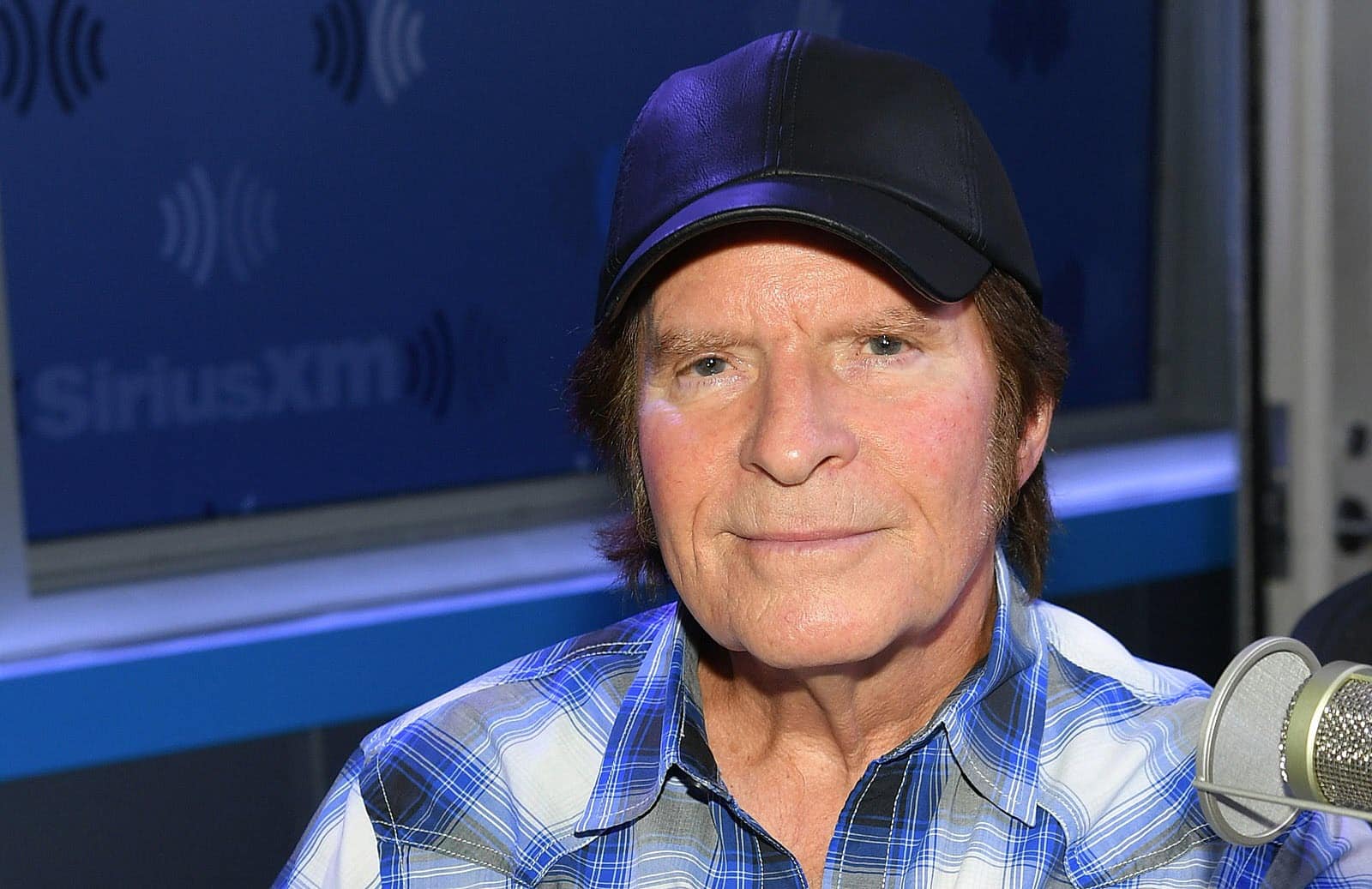
Few artists have shaped the sound of American rock quite like John Fogerty. As the driving force behind Creedence Clearwater Revival (CCR) and a successful solo artist, Fogerty’s unmistakable voice, raw guitar riffs, and masterful storytelling have made him a legend. His songs capture the spirit of the open road, the struggles of working-class America, and the rebellious heart of rock ‘n’ roll.
From swampy blues-rock anthems to heartfelt ballads, Fogerty’s music has stood the test of time, still blasting from radios, movie soundtracks, and stadium speakers decades after their release. Whether it’s the foot-stomping urgency of “Fortunate Son,” the haunting beauty of “Who’ll Stop the Rain,” or the timeless baseball nostalgia of “Centerfield,” his songs continue to inspire generations.
This list dives into the top 10 most popular John Fogerty songs of all time, celebrating the tracks that defined an era and cemented his place as one of rock’s greatest songwriters. Get ready for a journey through unforgettable riffs, powerful lyrics, and the unmistakable sound of a true rock icon. Which of these classics is your favorite? Let’s dive in! 🎸🔥
1. “Proud Mary” (1969)
Released in 1969 on the album Bayou Country, “Proud Mary” quickly became one of Creedence Clearwater Revival’s signature hits. The song paints vivid images of rolling rivers and steamboats, encapsulating a spirit of freedom, movement, and escape. John Fogerty’s unmistakable guitar riffs and raw, soulful vocals breathe life into the story of someone leaving behind the grind of a tough life for a fresh start along the Mississippi River. Its infectious groove and memorable chorus made it an instant classic, inspiring numerous cover versions—most notably Tina Turner’s electrifying, high-energy rendition that brought the song to new audiences. Fogerty’s ability to blend rock with a swampy, Southern vibe showcases his songwriting genius, solidifying “Proud Mary” as an enduring anthem that continues to resonate with generations of listeners.
2. “Bad Moon Rising” (1969)
Featured on CCR’s 1969 album Green River, “Bad Moon Rising” is a paradox in musical form. Its upbeat, foot-tapping melody contrasts sharply with its dark, foreboding lyrics about impending disaster. Inspired by the 1941 film The Devil and Daniel Webster, which features a hurricane scene, John Fogerty crafted a song that warns of chaos and doom, even as its catchy rhythm keeps listeners humming along. This juxtaposition of cheerful sound and apocalyptic imagery gives “Bad Moon Rising” its unique charm and intrigue. Over the decades, it’s become a staple in pop culture, appearing in numerous films, TV shows, and even political events. Its timeless appeal and Fogerty’s knack for storytelling ensure that “Bad Moon Rising” remains one of rock’s most recognizable tunes.
3. “Fortunate Son” (1969)
A blazing protest anthem from the 1969 album Willy and the Poor Boys, “Fortunate Son” stands as one of the most iconic anti-war songs in rock history. With its driving guitar riffs and urgent vocals, John Fogerty delivers a scathing critique of the privileged elite, highlighting how the wealthy and powerful often evade the harsh realities of war while the working class is left to fight. Released during the height of the Vietnam War, the song quickly became a rallying cry for those disillusioned with government policies and the military draft. Its rebellious energy and powerful message continue to resonate, making “Fortunate Son” an enduring symbol of protest and one of CCR’s most influential tracks.
4. “Have You Ever Seen the Rain” (1971)
From the 1971 album Pendulum, “Have You Ever Seen the Rain” offers a more introspective and melancholic tone compared to CCR’s usual upbeat style. While many listeners interpret the song as a reflection on the Vietnam War, John Fogerty later clarified that it was inspired by internal tensions within the band during their peak success. The lyrics, describing sunshine followed by rain, metaphorically capture the bittersweet nature of achieving fame while facing personal and professional struggles. Its heartfelt melody and emotional depth have made it a standout track in CCR’s catalog, continuing to strike a chord with listeners worldwide. The song’s timeless quality ensures it remains a favorite across generations.
5. “Down on the Corner” (1969)
Released on Willy and the Poor Boys in 1969, “Down on the Corner” is a joyous celebration of street music and the simple pleasures of life. The song tells the story of a fictional band, “Willy and the Poor Boys,” who play on street corners to lift the spirits of passersby. With its infectious rhythm, hand-clapping beat, and catchy melody, it’s impossible not to tap your feet along. The playful storytelling, combined with CCR’s signature swamp-rock sound, made “Down on the Corner” an instant favorite. Its feel-good energy and sing-along chorus have helped it remain one of the band’s most beloved and enduring tracks.
6. “Centerfield” (1985)
John Fogerty’s solo hit “Centerfield,” from his 1985 album of the same name, is a heartfelt tribute to baseball and the quintessential American spirit. Opening with its signature handclap beat and organ intro, the song perfectly captures the anticipation and excitement of stepping onto the field. The lyrics, filled with baseball references and nostalgic imagery, resonate with fans of the sport and music alike. Often played in ballparks across the country, “Centerfield” has become an unofficial anthem of baseball. Fogerty’s ability to blend rock music with themes of nostalgia and passion highlights his enduring talent as a songwriter.
7. “Who’ll Stop the Rain” (1970)
Featured on the 1970 album Cosmo’s Factory, “Who’ll Stop the Rain” is a poignant folk-rock ballad that delves into themes of political turmoil and societal unrest. Written during a time of significant upheaval, particularly surrounding the Vietnam War, the song’s lyrics express a sense of longing for peace and stability. John Fogerty’s melodic simplicity and rich storytelling evoke feelings of frustration and hope, making the track one of CCR’s most thought-provoking offerings. Its timeless message continues to resonate with audiences today, cementing its place as a classic in the band’s repertoire.
8. “Lookin’ Out My Back Door” (1970)
From Cosmo’s Factory (1970), “Lookin’ Out My Back Door” is a whimsical, lighthearted tune brimming with surreal imagery and playful lyrics. References to “flying spoons,” “giants doing cartwheels,” and “a parade of elephants” led many to speculate that the song was inspired by psychedelic experiences. However, John Fogerty has clarified that it was written as a fun, imaginative song for his young son. The cheerful melody, combined with its quirky storytelling, makes “Lookin’ Out My Back Door” one of CCR’s most unique and delightful tracks, offering a refreshing departure from their more serious themes.
9. “Green River” (1969)
The title track from the 1969 album Green River is a nostalgic ode to John Fogerty’s childhood memories of vacationing along Putah Creek in California. With its swampy guitar riffs and vivid storytelling, “Green River” transports listeners to a peaceful, natural retreat, capturing the essence of escaping the hustle and bustle of everyday life. The song’s bluesy, Southern rock feel became a defining element of CCR’s sound, solidifying Fogerty’s reputation as a master of Americana storytelling. Its evocative imagery and catchy rhythm have made “Green River” a timeless classic.
10. “Rock and Roll Girls” (1985)
From John Fogerty’s 1985 solo album Centerfield, “Rock and Roll Girls” is an upbeat, feel-good anthem that celebrates love, youth, and the power of music. The song’s catchy melody and infectious chorus showcase Fogerty’s knack for crafting simple yet memorable rock tunes. With its nostalgic vibe and road-trip-ready energy, “Rock and Roll Girls” quickly became a fan favorite, proving that Fogerty’s musical magic extended well beyond his days with Creedence Clearwater Revival. Its joyful spirit and timeless appeal continue to resonate with listeners, making it a standout in Fogerty’s solo career.

Samuel Moore is a frequent contributor to Singers Room. Since 2005, Singersroom has been the voice of R&B around the world. Connect with us via social media below.









