Jazz: the art form that redefined music, blurred boundaries, and gave the world an unrelenting spirit of innovation. From smoky clubs in New Orleans to grand concert halls across the globe, jazz has transcended time and culture to become a universal language of expression. But at the heart of this genre lies its architects—visionaries who carved out new sounds, revolutionized music, and inspired generations.
In this article, we celebrate the top 15 best jazz artists of all time, the legends who have shaped the genre and left an indelible mark on the world of music. These are the pioneers whose improvisations told stories, whose rhythms moved souls, and whose melodies have stood the test of time. Whether you’re a seasoned jazz enthusiast or a curious newcomer, this list will take you on a journey through the golden age of swing, the birth of bebop, and the soulful depths of modern jazz.
From the groundbreaking genius of Miles Davis to the timeless elegance of Ella Fitzgerald, each artist on this list has contributed something extraordinary to jazz. So, grab your headphones, settle in, and prepare to be inspired by the brilliance of these musical icons. Let the journey begin!
1. Louis Armstrong
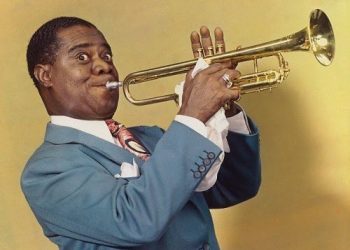
Louis Armstrong, often affectionately called “Satchmo” or “Pops,” was a larger-than-life figure who revolutionized the world of jazz. His distinctive gravelly voice and breathtaking trumpet solos captured the hearts of audiences around the globe, making him one of the most influential musicians in history. Armstrong’s career began in the 1920s, and it was during this time that he helped shape the early sound of jazz. His innovative improvisation techniques and unparalleled sense of rhythm became the gold standard for jazz musicians. With iconic tracks like “What a Wonderful World” and “West End Blues,” Armstrong demonstrated the power of music to express joy, beauty, and heartache. His trumpet playing was nothing short of groundbreaking, with soulful, rich tones and inventive melodies that set him apart as a true pioneer. Armstrong also broke down racial barriers at a time when segregation was still rampant, and he became one of the first African American musicians to achieve worldwide fame. His influence extended beyond the music world, and his infectious smile and charismatic personality made him a beloved figure both on and off the stage. Armstrong’s ability to bring warmth and humanity to his performances resonated deeply with audiences, and his music continues to be a source of joy to this day. As a true ambassador of jazz, Armstrong’s legacy lives on, not only through his recordings but through the countless musicians who followed in his footsteps. Whether through his groundbreaking recordings, his iconic performances, or his lasting impact on the world of jazz, Louis Armstrong’s contribution to music is nothing short of legendary.
2. Duke Ellington
Duke Ellington was far more than just a jazz musician; he was a revolutionary composer and bandleader who elevated the art form to new heights. With a career that spanned over five decades, Ellington’s work transformed jazz from a popular form of entertainment into a sophisticated and respected art form. His genius lay not only in his ability to compose beautiful melodies but also in his skill at orchestrating them for a large ensemble, creating lush, full-bodied sounds that captivated audiences around the world. The Duke’s orchestra was like a finely tuned instrument, where each player’s unique sound blended harmoniously with the others. One of his most famous compositions, “Take the A Train,” became an anthem for the genre, and other classics like “Mood Indigo” and “In a Sentimental Mood” solidified his place as one of the greatest composers in American history. Ellington’s ability to blend classical, blues, and swing elements into his compositions created a sound that was entirely his own—rich, sophisticated, and brimming with emotion. His music was timeless, with intricate arrangements that not only showcased his band’s virtuosic talents but also captured the mood and spirit of the times. Beyond his compositions, Ellington’s influence extended to the cultural landscape, breaking barriers and promoting the idea of jazz as a serious art form. His charisma as a bandleader and his commitment to creating new and innovative music made him one of the most important figures in jazz history. Duke Ellington’s legacy is one of artistry, innovation, and a relentless pursuit of excellence, and his contributions to music continue to inspire artists across genres.
3. Miles Davis
Miles Davis was the epitome of a musical innovator, and his career spanned several decades, each era marked by bold reinventions of the jazz genre. From his early days playing with Charlie Parker to his groundbreaking albums in the 1950s and 1960s, Davis continuously pushed the boundaries of what jazz could be. His masterpiece, “Kind of Blue,” became one of the most influential jazz albums of all time, and it helped popularize modal jazz—a style characterized by improvisation over scales rather than traditional chord changes. Davis’s trumpet playing was instantly recognizable, with its cool, mellow tone that could shift from melancholy to intense, all while maintaining an unmatched sense of expressiveness. But Davis was not just a brilliant trumpet player; he was also a fearless experimenter. His foray into fusion with albums like “Bitches Brew” in the late 1960s turned jazz on its head, combining elements of rock, electric instruments, and avant-garde styles to create a sound that was revolutionary at the time. Throughout his career, Davis was known for surrounding himself with some of the best musicians in jazz, including John Coltrane, Herbie Hancock, and Wayne Shorter, all of whom would go on to become legends in their own right. Davis’s restless pursuit of innovation made him one of the most influential jazz artists, and his music continues to inspire musicians in a variety of genres. Whether through his impeccable trumpet solos or his commitment to breaking new musical ground, Miles Davis’s influence on the world of jazz and beyond remains profound, and his legacy endures as a symbol of artistic reinvention.
4. Ella Fitzgerald
Ella Fitzgerald, often referred to as the “First Lady of Song,” is widely considered one of the greatest vocalists of all time. With a voice that could effortlessly soar through octaves and a technique that was unmatched, Fitzgerald’s contributions to jazz and popular music have left an indelible mark. Her ability to interpret a song with such clarity and emotional depth made her an icon, and her collaborations with other jazz legends, including Louis Armstrong, Duke Ellington, and Count Basie, resulted in some of the most beloved recordings in jazz history. One of her most famous collaborations was with Armstrong on “Summertime,” where her smooth, velvety voice blended perfectly with his gravelly tones, creating a timeless classic. Fitzgerald was a virtuoso in every sense of the word—her scat singing, in particular, was groundbreaking, as she could improvise complex melodies and rhythms with ease. She was a true artist, capable of turning even the simplest songs into masterpieces with her nuanced phrasing and impeccable timing. Fitzgerald’s voice was rich and full, yet light and agile, and she could effortlessly convey both joy and sorrow in her performances. Songs like “Dream a Little Dream of Me” and “Cheek to Cheek” are beloved by generations of music fans, and her influence on vocal jazz is immeasurable. Fitzgerald’s joyful energy and passion for music were contagious, and her performances were marked by a sense of playfulness and authenticity. She was not only a technical marvel but also an emotional storyteller whose music continues to touch the hearts of listeners around the world. Ella Fitzgerald’s voice remains a standard of excellence in the world of jazz, and her legacy is one of pure musical magic.
5. John Coltrane
John Coltrane was a revolutionary saxophonist whose music transformed the jazz landscape, pushing boundaries and expanding the possibilities of the genre. His career, though tragically short, was marked by an intense spiritual journey and a relentless search for musical innovation. Coltrane’s compositions were deeply rooted in his spiritual beliefs, and this is evident in works like “A Love Supreme,” an album that not only showcased his virtuosity but also his desire to communicate a profound sense of devotion and transcendence through music. Coltrane’s mastery of the saxophone was matched only by his ability to express complex emotions through his playing. His sound was rich and multifaceted, with a powerful tone that could move from the contemplative to the intense in the span of a single phrase. His improvisation was groundbreaking, often exploring intricate harmonic patterns and complex time signatures that challenged both musicians and listeners. “Giant Steps,” one of Coltrane’s most influential works, pushed the boundaries of harmony and chord progressions, and its complex structure became a benchmark for future jazz musicians. Coltrane’s influence extended far beyond jazz—his explorations into modal jazz, his embrace of non-traditional forms, and his dedication to pushing the limits of what was musically possible have inspired countless artists across genres. His later works, including his experiments with avant-garde jazz, reflected his constant evolution as an artist. John Coltrane’s music is a journey—one that reflects both the human struggle and the quest for spiritual enlightenment. His legacy is defined not only by his technical prowess but by his relentless pursuit of artistic and personal growth, making him a monumental figure in jazz and in the wider world of music.
6. Charlie Parker
Charlie Parker, known as “Bird,” was one of the most innovative and influential saxophonists in jazz history. His virtuosity and inventive approach to improvisation were central to the development of bebop, a fast-paced, complex style of jazz that emerged in the 1940s. Parker’s lightning-fast solos and intricate harmonic explorations pushed the limits of what was possible on the saxophone, and his unique phrasing and timing made him an instant legend. His compositions, including “Ornithology” and “Ko-Ko,” became essential pieces in the jazz canon, showcasing his unparalleled creativity and technical prowess. Parker’s approach to improvisation was revolutionary—he often broke free from traditional chord progressions, creating new ways of navigating harmony and rhythm that became a hallmark of bebop. His rapid-fire execution and harmonic complexity set a new standard for jazz musicians, and his influence can be heard in the work of virtually every saxophonist who followed. Despite his short life—he died at the age of 34—Parker’s impact on jazz was immeasurable, and his legacy as one of the greatest jazz musicians of all time is cemented. His struggle with addiction and personal demons only added to the mythos of his genius, and his ability to create beauty amidst his struggles resonated with listeners and musicians alike. Charlie Parker was not just a player of extraordinary technical ability but also a visionary who redefined the possibilities of jazz. His music continues to inspire and challenge musicians today, and his contributions to the genre are nothing short of legendary.
7. Thelonious Monk
Thelonious Monk was an eccentric genius whose unique approach to jazz piano forever changed the way the instrument was played. His angular melodies, dissonant harmonies, and unorthodox rhythms made him one of the most distinctive figures in jazz history. Monk’s compositions, like “Round Midnight” and “Blue Monk,” became jazz standards, known for their quirky yet captivating melodies that defied conventional expectations. His playing style was equally distinctive—Monk’s touch on the piano was often percussive, with deliberate and sometimes abrupt chord voicings that gave his music a sense of tension and release. His melodies often wandered into unexpected directions, and his improvisations were marked by a playful sense of exploration. Monk’s influence extended far beyond his own compositions—his approach to rhythm and harmony shaped the sound of modern jazz and paved the way for future generations of musicians to experiment with new forms and structures. Despite his unconventional style, Monk’s music was deeply emotional, with a raw honesty that connected with listeners on a profound level. His performances were often marked by a sense of joy and spontaneity, and his distinctive personal style—complete with his trademark hats and mismatched clothes—only added to his mystique. Monk was not just a pianist but an artist who reshaped the landscape of jazz, leaving behind a legacy of innovation and individuality. His music continues to be a source of inspiration for jazz musicians and beyond, reminding us of the power of creative expression and the beauty of embracing the unconventional.
8. Billie Holiday
Billie Holiday, often referred to as “Lady Day,” was a vocal artist whose voice transcended technical prowess to touch the deepest parts of the human soul. Known for her unique phrasing and emotional depth, Holiday’s ability to convey the pain, joy, and complexity of human experience through song made her one of the most beloved jazz singers of all time. Songs like “Strange Fruit,” a haunting protest against racism, and “God Bless the Child,” which became an anthem of personal strength, revealed her ability to turn any song into a powerful narrative. Holiday’s voice was often described as haunting, with a rich, soulful tone that conveyed raw emotion. But what truly set her apart was her phrasing—she had an unparalleled ability to bend and stretch time, creating a sense of intimacy and vulnerability in every note. Her delivery was often understated, yet every word she sang carried profound meaning. Holiday’s life was marked by personal struggles, including battles with addiction and difficult relationships, and her music often reflected these hardships. Despite the pain in her life, she was able to create some of the most beautiful, emotionally resonant music ever recorded. Holiday’s contributions to jazz and popular music are immeasurable, and her influence on vocalists, particularly in the jazz world, can still be felt today. Her music is a testament to the power of storytelling and the ability of a singer to connect with listeners on a deeply emotional level. Billie Holiday’s legacy lives on, not only through her recordings but through the countless artists who have been inspired by her unique voice and fearless expression.
9. Art Blakey
Art Blakey was a powerhouse drummer whose influence on jazz was both far-reaching and deeply impactful. As the leader of the Jazz Messengers, Blakey became one of the most important mentors in jazz history, helping to launch the careers of countless legendary musicians such as Wayne Shorter, Freddie Hubbard, and Lee Morgan. His drumming style was marked by a fiery intensity and rhythmic complexity that became a hallmark of hard bop, the style that dominated jazz in the 1950s and 1960s. Blakey’s playing was a force of nature—his explosive, polyrhythmic beats energized every performance and encouraged his bandmates to push the boundaries of their own playing. His ability to play with both power and precision set him apart from many of his peers, and his unwavering commitment to the tradition of jazz helped preserve its vitality during a time of great change in the genre. Blakey’s music was always dynamic, never static; every beat he played had purpose and direction. One of his most celebrated compositions, “Moanin’,” became a defining anthem of hard bop, and its infectious groove still resonates with listeners today. Blakey’s ability to blend soul and sophistication made him a central figure in the jazz world. Beyond his drumming, he was a master bandleader, creating an environment where young talent could flourish and develop their own voices. His contributions to jazz are immeasurable, and his impact continues to be felt in the work of modern jazz drummers who still study his recordings. Blakey’s legacy as a performer, educator, and bandleader has cemented him as one of the most vital figures in the history of jazz, and his influence is woven into the fabric of the genre itself.
10. Charles Mingus
Charles Mingus was a musician whose fiery passion and bold approach to both composition and performance made him one of jazz’s most original and influential voices. As a bassist, composer, and bandleader, Mingus had an uncanny ability to blend elements of jazz, blues, classical music, and avant-garde experimentation into a sound that was entirely his own. His music was known for its emotional intensity, intricate arrangements, and social and political commentary, making him a powerful voice in both the jazz world and beyond. Albums like “Mingus Ah Um” and “The Black Saint and the Sinner Lady” pushed the boundaries of jazz composition, incorporating complex time signatures, unconventional structures, and powerful moments of improvisation. Mingus’s compositions were deeply personal, reflecting his own experiences with race, identity, and injustice. His famous work “Fables of Faubus,” for example, was a direct response to the racial tensions of the time, with Mingus using music as a form of protest against segregation and inequality. His fiery temper and larger-than-life personality often made him a controversial figure, but his dedication to artistic freedom and social justice was unwavering. Mingus’s bass playing was as virtuosic as his compositional skills, and his ability to create a dialogue between the bass and the other instruments in his band was revolutionary. He was a visionary who constantly sought to redefine the boundaries of jazz and, in doing so, helped shape the course of the genre’s evolution. His music, like his life, was bold, uncompromising, and unafraid to confront difficult truths. Charles Mingus’s legacy as both an artist and an activist continues to resonate, and his work remains a powerful force in jazz to this day.
11. Sarah Vaughan
Sarah Vaughan, known affectionately as “The Divine One,” was a singer whose voice transcended both jazz and popular music, captivating audiences with its unparalleled richness, depth, and range. Vaughan’s vocal technique was extraordinary—she was capable of seamlessly moving between a full-bodied, operatic sound and a light, airy falsetto, effortlessly navigating the complexities of both jazz and classical music. Her ability to express emotion through every phrase she sang was unrivaled, and she had an innate ability to capture the essence of the lyrics she performed. Vaughan’s voice could be warm and sultry one moment, and piercingly powerful the next, giving her a versatility that allowed her to master a wide array of musical genres. Songs like “Misty” and “Lullaby of Birdland” are iconic examples of her vocal brilliance, each one a masterclass in phrasing, control, and emotional delivery. Vaughan’s understanding of jazz was profound; she wasn’t just a singer, but a true interpreter of jazz standards, adding her own distinct touch to every piece she performed. Her collaborations with jazz giants like Count Basie, Dizzy Gillespie, and Clifford Brown resulted in some of the most timeless recordings in jazz history. What truly set Vaughan apart was her ability to blend technical excellence with deep emotional connection. Her vocal phrasing was deeply influenced by the improvisational spirit of jazz, and she treated each song as a unique performance, never repeating herself but always finding new nuances and interpretations. Sarah Vaughan’s legacy as one of the greatest vocalists of all time continues to inspire singers and musicians around the world, and her voice remains one of the most revered in the history of jazz and beyond.
12. Dizzy Gillespie
Dizzy Gillespie was a trumpet virtuoso and one of the architects of bebop, the revolutionary jazz style that emerged in the 1940s. Known for his distinctive bent trumpet and his puffed cheeks, Gillespie’s contributions to jazz were vast and multifaceted, and his energetic, playful personality made him a beloved figure both on and off the stage. His collaborations with other bebop pioneers like Charlie Parker, Thelonious Monk, and Max Roach helped define the genre, and his innovative approach to harmony and rhythm pushed jazz to new heights. Gillespie’s compositions, including the timeless “A Night in Tunisia” and “Manteca,” brought Afro-Cuban rhythms into the jazz mainstream, further broadening the genre’s global influence. His influence was not limited to his compositions—his mastery of improvisation and his ability to create complex, fast-paced solos set a new standard for jazz trumpet players. Gillespie was also a tireless educator, working to spread the word about bebop and jazz to new generations of musicians. His performances were marked by a combination of technical brilliance and infectious joy, and his music was always full of life and creativity. Beyond his trumpet playing, Gillespie’s role in the development of jazz as an art form was pivotal. He helped shape the future of jazz by advocating for more complex, harmonically sophisticated music, and his contributions continue to be felt by musicians today. Dizzy Gillespie’s music remains as vibrant and exciting as ever, and his playful spirit and joyful sound are forever embedded in the history of jazz.
13. Herbie Hancock
Herbie Hancock is one of the most versatile and innovative musicians in jazz history. A pianist, composer, and bandleader, Hancock’s career spans decades, and his contributions to jazz are immeasurable. He first gained widespread recognition as a member of the Miles Davis Quintet in the 1960s, where his groundbreaking work on albums like “Miles Smiles” and “E.S.P.” helped define the sound of modern jazz. Hancock’s work is characterized by a deep understanding of harmony, melody, and rhythm, which he constantly pushes to new boundaries. His ability to blend traditional jazz with experimental elements has allowed him to stay at the forefront of the genre for over half a century. One of his most notable achievements is the album “Head Hunters,” which not only revolutionized jazz but also brought funk and electric sounds into the jazz mainstream, influencing a whole generation of musicians across genres. Hancock’s ability to seamlessly integrate jazz, funk, soul, and even electronic music has kept his music fresh and relevant through the years. He was instrumental in the development of jazz fusion, and his collaborations with artists like Wayne Shorter, Tony Williams, and Ron Carter in the 1960s and 1970s helped to define the genre. But it is his ability to constantly evolve and innovate that has cemented Hancock’s legacy. His iconic track “Cantaloupe Island” remains a jazz standard, and his exploration of synthesizers and electronic music in the 1980s and beyond has further pushed the boundaries of jazz and popular music. Hancock’s music continues to inspire artists across genres, and his profound impact on jazz as an art form ensures that his legacy will live on for generations to come.
14. Stan Getz
Stan Getz was a master of the saxophone whose smooth, lyrical playing captivated audiences and earned him the nickname “The Sound.” Known for his unique tone and impeccable technique, Getz was one of the most influential saxophonists in the history of jazz. His collaborations with other jazz giants, including João Gilberto and Antonio Carlos Jobim, brought the bossa nova movement to global prominence, with songs like “The Girl from Ipanema” becoming timeless classics. Getz’s playing was marked by its warmth and expressiveness, qualities that made him a favorite among listeners and fellow musicians alike. Unlike many of his contemporaries, Getz was able to blend the improvisational freedom of jazz with the more structured melodies of Brazilian music, creating a sound that was both sophisticated and accessible. His ability to express deep emotion through his playing set him apart, and his tone was often described as one of the most beautiful in jazz. Throughout his career, Getz recorded dozens of albums, each showcasing his exceptional ability to navigate a variety of styles, from bebop and cool jazz to bossa nova and beyond. His music was always elegant and refined, yet it never lacked the improvisatory spark that defines great jazz. Getz’s collaborations with other luminaries like Charlie Byrd, Astrud Gilberto, and Bill Evans resulted in some of the most celebrated recordings in jazz history. His legacy as one of the greatest saxophonists of all time is firmly cemented, and his ability to bring a distinctively lyrical quality to jazz continues to influence saxophonists today.
15. Count Basie
Count Basie was one of the most important figures in jazz history, known for his mastery of the piano, his innovative arrangements, and his leadership of the iconic Count Basie Orchestra. Basie’s style was built around the concept of simplicity and economy, emphasizing the importance of groove over complexity. His minimalist approach to the piano, often referred to as the “Basie touch,” was marked by crisp, precise playing that always served the song, never overpowering the other instruments. As a bandleader, Basie was a genius at organizing his ensemble, making each of the musicians feel like a vital part of the larger musical conversation. Under his leadership, the Count Basie Orchestra became one of the most respected and successful big bands of the Swing Era, recording hits like “One O’Clock Jump” and “April in Paris.” Basie’s arrangements were a key part of the band’s success, characterized by their tight rhythms, catchy melodies, and sophisticated harmonic structure. He was a master of timing and orchestration, creating dynamic contrasts between the sections of the orchestra to build tension and release, keeping audiences on the edge of their seats. Count Basie’s contribution to the evolution of jazz cannot be overstated; he was a central figure in the development of swing and big band jazz, and his music remains a cornerstone of the genre. His ability to distill complex musical ideas into something simple and accessible made him a favorite of musicians and listeners alike. Even as jazz evolved over the years, Basie’s influence remained strong, and his legacy as one of the greatest bandleaders in jazz history endures. The Count Basie Orchestra continues to perform today, a testament to the enduring power of his music.

Edward Tomlin is a frequent contributor to Singers Room. Since 2005, Singersroom has been the voice of R&B around the world. Connect with us via social media below.