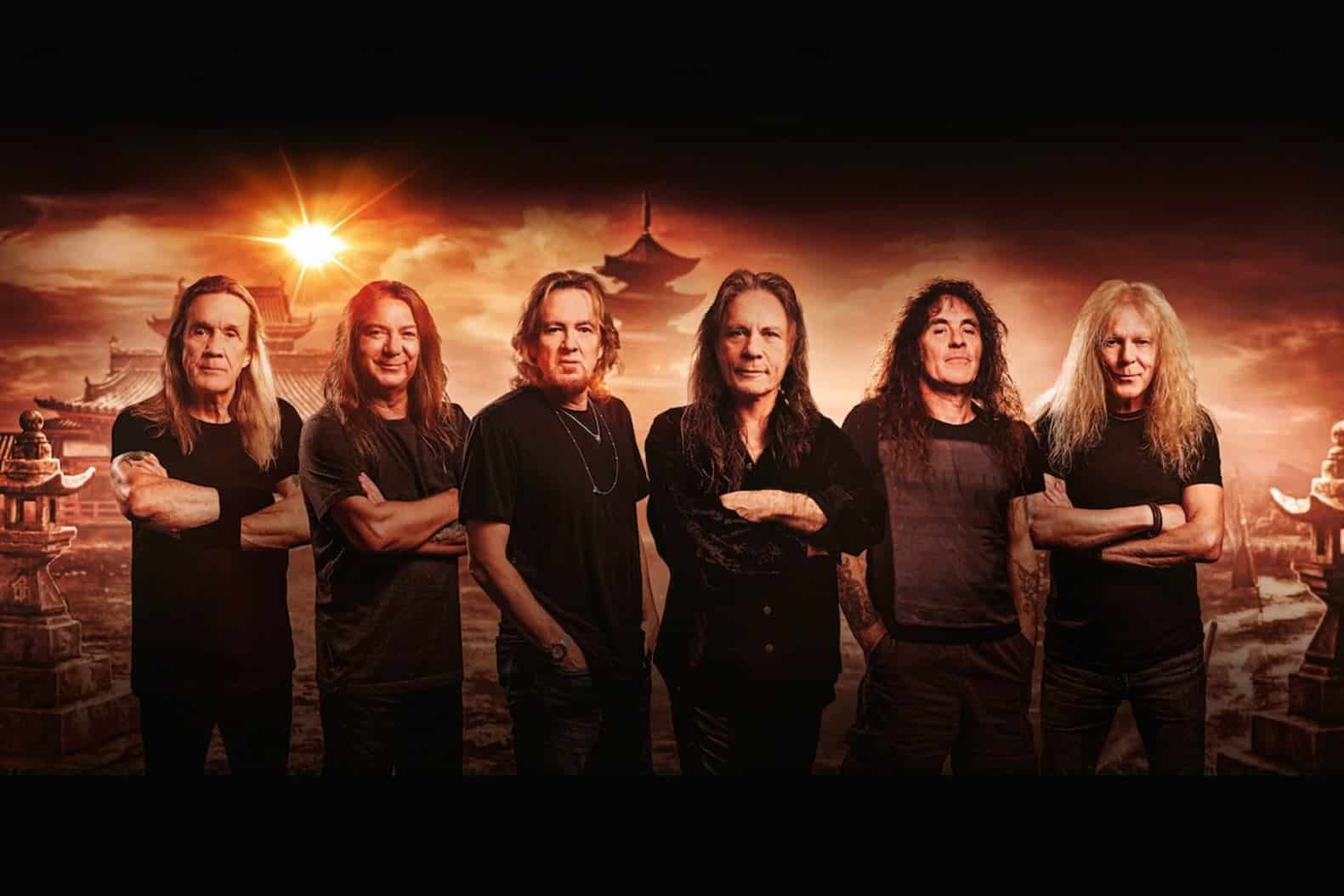
Few bands have left as indelible a mark on the world of heavy metal as Iron Maiden. From their thunderous riffs and soaring vocals to their haunting melodies and unforgettable stage presence, this legendary band has been a cornerstone of the genre since their formation in 1975. Over the decades, Iron Maiden has inspired millions with their epic storytelling, intricate musicianship, and larger-than-life mascot, Eddie. Their music is a journey through time, mythology, history, and the darkest corners of the imagination.
But what are the songs that truly define Iron Maiden’s legacy? Which tracks have stood the test of time, resonating with fans across generations and solidifying their place in metal history? In this article, we dive headfirst into the band’s most iconic anthems—the songs that turned casual listeners into devoted fans and concert-goers into lifelong believers.
From galloping basslines and unforgettable choruses to blistering solos that make your spine tingle, these top 10 songs represent the very essence of Iron Maiden. Whether you’re a die-hard fan or a newcomer eager to explore their incredible catalog, prepare yourself for a thrilling ride through the greatest hits of one of the most influential metal bands of all time. Up the Irons!
1. “Hallowed Be Thy Name” (1982)
A defining moment in Iron Maiden’s career, Hallowed Be Thy Name is often hailed as one of the greatest heavy metal songs ever written. Featured on The Number of the Beast, the track tells the chilling story of a condemned man’s final moments before execution. From the atmospheric opening to the soaring climax, the song is a masterclass in tension and release.
Bruce Dickinson’s vocals are nothing short of mesmerizing, transitioning from a somber whisper to a wailing cry of defiance. The lyrics, steeped in existential dread and last-minute reflections, add to the song’s haunting power. Meanwhile, the instrumental work is equally captivating—Steve Harris’ galloping bassline drives the song forward, while Dave Murray and Adrian Smith’s twin-guitar harmonies create an epic, cinematic feel.
One of the track’s most striking features is its dynamic structure. It begins with a slow, moody intro, gradually building in intensity before exploding into a frenzied, high-speed climax. This balance between melody and aggression is what makes Hallowed Be Thy Name stand out in Maiden’s catalog.
Over the decades, the song has remained a staple of Iron Maiden’s live performances, with fans singing along to every word. Its grandiose storytelling, theatrical arrangement, and emotional depth have solidified its place as a timeless metal anthem.
2. “The Trooper” (1983)
A high-energy war anthem, The Trooper from Piece of Mind captures the chaos and bravery of battle like no other. Inspired by the Charge of the Light Brigade during the Crimean War, the song’s lyrics put listeners in the boots of a doomed soldier charging headfirst into enemy lines.
From the very first note, The Trooper grabs you with its iconic galloping riff, a perfect sonic representation of cavalry rushing into battle. Steve Harris’ bass work is relentless, mirroring the urgency of combat, while Dave Murray and Adrian Smith’s harmonized guitar solos add layers of drama and excitement. Bruce Dickinson’s soaring vocals are full of grit and determination, making the song’s narrative even more compelling.
One of The Trooper’s most enduring legacies is its electrifying presence in Maiden’s live performances. The image of Dickinson waving a giant Union Jack on stage while belting out the lyrics has become legendary. Fans often chant along, making it one of the band’s most interactive concert experiences.
More than just a song about war, The Trooper is a testament to the resilience and sacrifice of soldiers throughout history. Its infectious energy, historical depth, and sheer musical brilliance ensure its place as one of Iron Maiden’s most celebrated tracks.
3. “Run to the Hills” (1982)
A defining track from The Number of the Beast, Run to the Hills is one of Iron Maiden’s most recognizable and impactful songs. Lyrically, it tackles the tragic history of Native Americans during European colonization, presenting the story from two perspectives—the invading settlers and the indigenous people facing destruction. This dual narrative gives the song a powerful emotional weight, making it stand out among heavy metal’s most socially conscious works.
Musically, Run to the Hills is a showcase of Iron Maiden’s signature energy and intensity. The song opens with a galloping drumbeat from Clive Burr, mimicking the sound of charging horses, before launching into an instantly memorable guitar riff. Bruce Dickinson’s vocals are at their soaring best, delivering the chorus with a mix of urgency and desperation that perfectly suits the song’s theme. Steve Harris’ basslines drive the track forward with relentless momentum, while Adrian Smith and Dave Murray’s harmonized guitar solos elevate the song to anthemic heights.
A fan favorite, Run to the Hills has been a staple in Iron Maiden’s live setlists for decades. The crowd’s enthusiastic participation in the chorus makes it one of the most electrifying moments at any Maiden concert. Beyond its musical brilliance, the song’s historical depth and storytelling make it a thought-provoking anthem that continues to resonate with listeners.
4. “Fear of the Dark” (1992)
The title track from Fear of the Dark is one of Iron Maiden’s most beloved and enduring songs. Unlike many of their history-inspired tracks, this one taps into a universal human experience—the fear of being alone in the dark. The lyrics vividly capture the eerie sensation of paranoia and unease, making it an incredibly relatable piece.
Musically, Fear of the Dark starts with a haunting, slow-burning intro, featuring delicate guitar work that sets an ominous tone. Then, the song explodes into a powerful, fast-paced anthem, with galloping riffs and dynamic shifts that keep listeners engaged from start to finish. Bruce Dickinson’s vocal delivery is particularly striking here, effortlessly transitioning from quiet introspection to soaring intensity. The chorus, with its sweeping melody and anthemic feel, is designed for audience participation.
One of the song’s defining features is its live performance energy. The moment the first notes ring out, Maiden fans erupt in cheers, and soon after, thousands of voices are singing along. The live rendition of Fear of the Dark has become legendary, with its call-and-response moments making it one of the most exhilarating experiences at an Iron Maiden concert.
With its eerie theme, dynamic structure, and undeniable power, Fear of the Dark is a masterpiece that showcases Maiden’s ability to mix emotion, storytelling, and sheer musical might.
5. “Aces High” (1984)
Opening Powerslave with a burst of adrenaline, Aces High is a high-flying tribute to World War II fighter pilots. Told from the perspective of an RAF pilot engaging in an intense aerial dogfight, the song captures the urgency, danger, and heroism of wartime aviation.
From the very first moment, Aces High propels listeners into battle. Nicko McBrain’s rapid-fire drumming mimics the chaos of aerial combat, while Steve Harris’ bass gallops relentlessly underneath. The twin-guitar assault of Dave Murray and Adrian Smith delivers some of Maiden’s most thrilling riffs and solos, creating an electrifying atmosphere. Meanwhile, Bruce Dickinson’s vocals are nothing short of spectacular—his soaring highs and commanding delivery bring the lyrics to life, making you feel like you’re right in the cockpit.
The song’s intensity and speed make it one of Iron Maiden’s most exciting live staples. Often used as an opening track for their concerts, Aces High immediately ignites the crowd, setting the tone for an unforgettable show. Fans often chant along, adding to the already high-octane energy.
With its historical theme, relentless pace, and unmatched intensity, Aces High remains one of Iron Maiden’s finest moments—an exhilarating ride from start to finish.
6. “2 Minutes to Midnight” (1984)
A politically charged anthem from Powerslave, 2 Minutes to Midnight is one of Iron Maiden’s most hard-hitting tracks, both musically and lyrically. The song takes inspiration from the Doomsday Clock, which symbolizes the world’s proximity to nuclear destruction. At the time of writing, the clock was set at two minutes to midnight, a stark warning about the potential for global catastrophe.
Musically, the track is a powerhouse. It kicks off with a sharp, instantly recognizable riff from Adrian Smith, setting the stage for an aggressive, mid-tempo groove. Steve Harris’ bass provides the song’s steady pulse, while Nicko McBrain’s drumming adds weight to the track’s heavy rhythm. Bruce Dickinson’s vocals are commanding and intense, delivering the song’s grim message with urgency. The chorus, with its anthemic quality, is designed for fist-pumping singalongs, making it a fan favorite at live performances.
Lyrically, 2 Minutes to Midnight paints a bleak picture of war, greed, and destruction. Lines like “The body bags and little rags of children torn in two” highlight the brutal reality of conflict, making it one of Maiden’s most politically charged songs. The message remains just as relevant today as it was in 1984, cementing 2 Minutes to Midnight as a timeless classic.
7. “Wasted Years” (1986)
Unlike many of Iron Maiden’s historical or fantasy-driven songs, Wasted Years from Somewhere in Time takes a more personal and reflective approach. Written by Adrian Smith, the track is about homesickness, regret, and learning to appreciate the present moment rather than dwelling on the past. It stands out as one of the band’s most emotionally resonant songs.
Musically, the song is built around one of Maiden’s most iconic riffs—an intricate, melodic guitar line that immediately draws listeners in. The song maintains a steady, uplifting pace, driven by Steve Harris’ bass and Nicko McBrain’s solid drumming. Bruce Dickinson delivers one of his most heartfelt performances, perfectly capturing the bittersweet emotions in the lyrics. The chorus, with its soaring melody and hopeful message, is one of the most memorable in Iron Maiden’s catalog.
Lyrically, Wasted Years offers a powerful reminder to embrace the present: “So understand / Don’t waste your time always searching for those wasted years.” It’s a message that resonates deeply with fans, especially those who have experienced the struggles of life on the road, as Maiden did during their extensive touring.
With its melodic brilliance, introspective lyrics, and uplifting energy, Wasted Years remains one of the band’s most cherished and timeless songs.
8. “Seventh Son of a Seventh Son” (1988)
The title track from Iron Maiden’s ambitious concept album, Seventh Son of a Seventh Son, is an epic journey through prophecy, mysticism, and fate. Inspired by folklore and fantasy, the song tells the story of a mythical child destined to possess supernatural powers. At nearly ten minutes long, it blends progressive rock elements with Maiden’s signature metal sound.
Musically, the track is a masterpiece of composition and storytelling. It opens with an atmospheric, almost eerie introduction before launching into a powerful, dynamic arrangement. The interplay between Steve Harris’ galloping bass, Nicko McBrain’s driving drums, and the twin-guitar harmonies of Adrian Smith and Dave Murray creates a rich, cinematic soundscape. Bruce Dickinson’s vocals add a sense of urgency and drama, pulling listeners deeper into the song’s mythical narrative.
One of the song’s most striking features is its structure. Unlike many traditional metal songs, Seventh Son of a Seventh Son shifts through multiple sections, seamlessly transitioning from melodic passages to intense, fast-paced segments. The instrumental break in the middle, featuring a haunting keyboard section, adds a progressive rock touch that sets it apart from other Maiden epics.
With its grand storytelling, intricate musicianship, and larger-than-life atmosphere, Seventh Son of a Seventh Son is a true Iron Maiden masterpiece.
9. “The Number of the Beast” (1982)
The title track from The Number of the Beast is one of the most legendary songs in heavy metal history. From its eerie spoken-word introduction to its explosive climax, the song is packed with intensity, rebellion, and unforgettable energy.
Musically, The Number of the Beast features one of Iron Maiden’s most famous riffs, kicking off with a sinister, menacing guitar progression that quickly builds into an all-out assault. Steve Harris’ bass gallops relentlessly, while Dave Murray and Adrian Smith’s twin-guitar attack delivers some of their most blistering solos. Bruce Dickinson’s vocals are at their theatrical best, reaching an iconic high-pitched scream that has become the stuff of legend.
Lyrically, the song tells a vivid story inspired by a nightmare Steve Harris had after watching The Omen. Though often misinterpreted as promoting Satanism, the song actually depicts a terrified protagonist witnessing a demonic ritual. Despite the controversy surrounding it at the time, The Number of the Beast became a defining anthem of heavy metal, embraced by fans worldwide.
With its legendary riffs, explosive energy, and unforgettable chorus, The Number of the Beast remains one of the most celebrated and influential metal songs of all time.
10. “Can I Play with Madness” (1988)
From Seventh Son of a Seventh Son, Can I Play with Madness is a unique entry in Iron Maiden’s catalog. Unlike their usual epic-length, story-driven songs, this track is more compact and radio-friendly, yet still delivers the power and energy fans expect.
The song opens with an instantly recognizable riff, setting a bright and almost playful tone. Adrian Smith’s songwriting shines through, bringing a more melodic and accessible quality to the track. The rhythm section, driven by Steve Harris’ bass and Nicko McBrain’s precise drumming, keeps the song energetic and engaging. Bruce Dickinson’s vocals add an extra layer of intensity, particularly during the anthemic chorus.
Lyrically, Can I Play with Madness explores themes of fate, vision, and skepticism. The song tells the story of a man seeking wisdom from a prophet, only to be met with frustration and cryptic answers. The lyrics, combined with the song’s upbeat energy, create an intriguing contrast that makes it stand out in Maiden’s discography.
Despite being slightly more commercial in its approach, Can I Play with Madness remains a fan favorite, proving Iron Maiden’s ability to craft infectious, high-energy songs without losing their signature edge.

Edward Tomlin is a frequent contributor to Singers Room. Since 2005, Singersroom has been the voice of R&B around the world. Connect with us via social media below.









