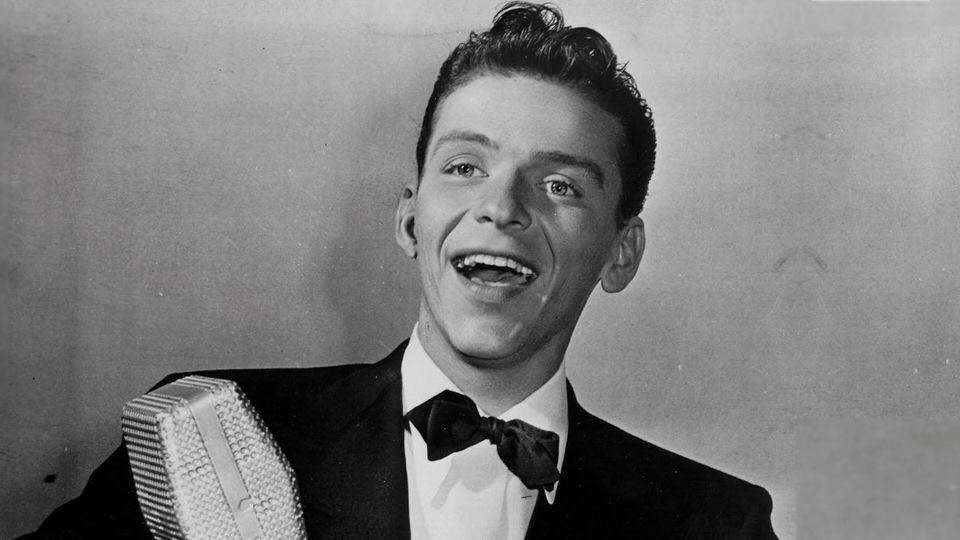
Frank Sinatra wasn’t just a singer—he was the voice of an era, a legend whose smooth vocals and effortless charm defined American music for decades. From swinging jazz numbers to heart-wrenching ballads, Sinatra’s songs have stood the test of time, becoming anthems of love, ambition, and resilience. Whether he was belting out triumphant tunes about taking on the world or crooning intimate melodies about romance and regret, Sinatra had a way of making every lyric feel personal.
With a career spanning over six decades, Ol’ Blue Eyes left behind a catalog of unforgettable hits that continue to captivate audiences worldwide. His music has been the soundtrack to countless weddings, celebrations, and late-night reflections, proving that great songs never fade—they only grow stronger with time. But which of his classics stand above the rest?
In this article, we take a deep dive into the top 10 most popular Frank Sinatra songs of all time—the tracks that define his legacy and showcase his unparalleled talent. From the timeless swagger of My Way to the soaring optimism of New York, New York, these are the songs that made Sinatra the legend he is today. Let’s take a trip through music history and celebrate the very best of The Chairman of the Board!
1. My Way (1969)
Few songs capture the essence of individuality and self-reflection quite like My Way, one of Frank Sinatra’s most defining tracks. Originally adapted from the 1967 French song Comme d’habitude, it was Paul Anka who reworked the lyrics specifically for Sinatra, crafting a deeply personal anthem about living life without regrets. Sinatra’s powerful, world-weary delivery resonated with millions, making it a go-to song for farewells, celebrations, and moments of introspection. The sweeping orchestration, combined with his commanding presence, turns My Way into an unforgettable statement on perseverance and self-determination. Over the years, it has become more than just a song—it’s a philosophy, an expression of resilience, and a soundtrack for those who’ve walked their own path.
2. Fly Me to the Moon (1954, Sinatra’s Version: 1964)
Originally written by Bart Howard in 1954, Fly Me to the Moon found its definitive voice a decade later when Sinatra recorded his version with Count Basie’s orchestra. With Quincy Jones at the helm as arranger, the song took on a fresh, swinging energy, exuding effortless charm. Its association with the Apollo space program, even being played during the 1969 moon landing, only added to its legendary status. The crisp brass, jazzy instrumentation, and Sinatra’s smooth, confident vocals make this a timeless standard. Whether heard in a dimly lit lounge or on a grand stage, Fly Me to the Moon remains a symbol of romance, adventure, and boundless possibilities.
3. New York, New York (1977, Sinatra’s Version: 1980)
Few songs evoke the ambition and grandeur of the Big Apple like New York, New York. Originally composed by John Kander and Fred Ebb for the 1977 Martin Scorsese film, the song became a sensation when Sinatra released his version in 1980. His soaring vocals and the bold brass arrangement capture the city’s relentless energy, making it an anthem of dreams, resilience, and success. It has since become synonymous with New York itself, played at countless celebrations, sports events, and triumphant moments. Sinatra’s rendition doesn’t just celebrate the city—it embodies its very spirit, making it one of his most iconic recordings.
4. Strangers in the Night (1966)
A song about love at first sight, Strangers in the Night became one of Sinatra’s biggest hits upon its release in 1966. With its lush string arrangements and romantic melody, it topped the Billboard Hot 100 and won three Grammy Awards. Sinatra’s warm phrasing gives the song a cinematic quality, making it an enduring favorite for lovers and dreamers alike. Despite reports that Sinatra himself wasn’t particularly fond of the song, audiences embraced its dreamy, sentimental charm. From its gentle verses to the iconic “doo-be-doo-be-doo” outro, Strangers in the Night remains a staple of classic pop balladry.
5. That’s Life (1966)
Brash, gritty, and unapologetic, That’s Life is a song about resilience and the ups and downs of existence. Released in 1966, it showcases Sinatra at his most expressive, delivering every lyric with raw emotion and defiant swagger. The bluesy brass arrangement and gospel-tinged backing vocals amplify the song’s message of perseverance. Whether you’re riding high or feeling low, That’s Life is a reminder that setbacks are temporary and comebacks are inevitable. It’s a song for anyone who has been knocked down and found the strength to rise again—a testament to Sinatra’s ability to make every lyric feel personal and real.
6. I’ve Got You Under My Skin (1936, Sinatra’s Version: 1956)
Originally written by Cole Porter in 1936, I’ve Got You Under My Skin reached new heights when Sinatra recorded it in 1956 with a stunning arrangement by Nelson Riddle. The song builds with slow, seductive intensity before bursting into a thrilling orchestral finale. Sinatra’s impeccable phrasing and dynamic performance transform it into one of the finest examples of his storytelling ability. With its sensual undertones and irresistible swing, I’ve Got You Under My Skin remains one of Sinatra’s most sophisticated and enduring classics.
7. The Way You Look Tonight (1936, Sinatra’s Version: 1964)
Originally introduced in the 1936 film Swing Time, The Way You Look Tonight became a beloved jazz standard over the years. Sinatra’s 1964 rendition, recorded for Sinatra Sings Days of Wine and Roses, Moon River, and Other Academy Award Winners, is effortlessly romantic. His velvety vocals glide over the gentle melody, making it a favorite for weddings and intimate moments. With its heartfelt lyrics and timeless elegance, The Way You Look Tonight remains one of the most cherished love songs in Sinatra’s repertoire.
8. Come Fly with Me (1958)
Few songs capture the excitement of travel and adventure like Come Fly with Me. Written specifically for Sinatra by Jimmy Van Heusen and Sammy Cahn, the song served as the opening track for his 1958 album of the same name. Its upbeat, jet-setting theme perfectly reflected the golden age of air travel, and Sinatra’s playful delivery brought it to life. With a lively brass arrangement and a sense of spontaneity, Come Fly with Me is pure joy in musical form—a song that makes you want to pack your bags and take off to exotic destinations.
9. Luck Be a Lady (1950, Sinatra’s Version: 1963)
Originally composed by Frank Loesser for the 1950 musical Guys and Dolls, Luck Be a Lady became a signature Sinatra hit when he recorded it in 1963. His commanding delivery, coupled with the song’s dramatic orchestration, transformed it into a swing classic. Over time, it became associated with the high-rolling glamour of Las Vegas, where Sinatra and the Rat Pack reigned supreme. Whether heard in a casino, a film, or a stage show, Luck Be a Lady remains a thrilling anthem of chance, fate, and fortune.
10. Somethin’ Stupid (1967)
A rare and touching duet between Frank and his daughter Nancy Sinatra, Somethin’ Stupid became a surprise hit in 1967, reaching No. 1 on the Billboard charts. The song’s simple yet heartfelt lyrics, combined with its gentle melody, create an intimate and bittersweet charm. The chemistry between their voices is undeniable, making it one of the most successful father-daughter duets in music history. Somethin’ Stupid is a testament to the universal nature of love and the special bond shared between Sinatra and his daughter—one that audiences still cherish today.

Samuel Moore is a frequent contributor to Singers Room. Since 2005, Singersroom has been the voice of R&B around the world. Connect with us via social media below.









