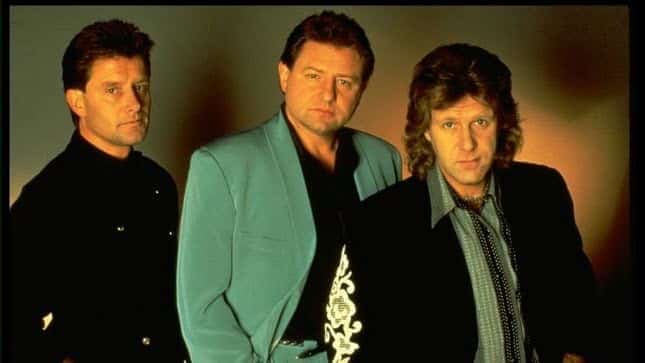
Few bands have carved their names into the annals of progressive rock history quite like Emerson, Lake & Palmer (ELP). Known for their audacious fusion of classical, jazz, and rock elements, this legendary trio—comprised of keyboard wizard Keith Emerson, soulful vocalist and bassist Greg Lake, and powerhouse drummer Carl Palmer—crafted a sound that defied categorization and captivated audiences worldwide. With their virtuosic musicianship and penchant for pushing musical boundaries, ELP became one of the most influential and celebrated acts of the 1970s.
In this article, we take a journey through their awe-inspiring discography to uncover the top 10 most popular Emerson, Lake & Palmer songs of all time. From sweeping epics that showcase their classical influences to electrifying rock anthems brimming with energy, these tracks have stood the test of time, continuing to inspire generations of music lovers. Whether you’re a devoted fan or a newcomer eager to explore their sonic universe, this list promises to highlight the very best of ELP’s groundbreaking artistry. So, sit back, turn up the volume, and prepare to be swept away by the timeless genius of one of progressive rock’s greatest bands!
1. Lucky Man (1970)
“Lucky Man” is one of Emerson, Lake & Palmer’s most beloved and enduring songs, capturing the essence of the band’s unique ability to blend folk storytelling with progressive rock innovation. Written by Greg Lake when he was just a teenager, the song unfolds like a tragic ballad, telling the story of a man who had everything—wealth, power, and prestige—yet lost it all in the end. The lyrics, simple yet poignant, reflect on themes of fate, fortune, and the fleeting nature of success.
Musically, “Lucky Man” is built around Lake’s acoustic guitar and heartfelt vocals, creating an intimate, almost melancholic atmosphere. The melody is hauntingly beautiful, drawing listeners into its reflective mood. However, what truly sets this song apart is its legendary Moog synthesizer solo, performed by Keith Emerson. When it first appears at the climax of the song, the swirling, futuristic sound feels almost otherworldly—like a sudden glimpse into the future of music itself. This was one of the earliest uses of a Moog synthesizer in a mainstream rock song, and its inclusion elevated “Lucky Man” from a simple acoustic ballad to a groundbreaking piece of progressive rock history.
Decades later, “Lucky Man” remains one of ELP’s most recognized songs. Its blend of folk sensibility and electronic experimentation made it a defining moment for the band and a staple of their live performances. Even today, it continues to captivate audiences, proving that sometimes the simplest melodies can leave the most profound impact.
2. Karn Evil 9: 1st Impression, Part 2 (1973)
Few opening lines in progressive rock are as instantly recognizable as: “Welcome back, my friends, to the show that never ends!” With this electrifying introduction, “Karn Evil 9: 1st Impression, Part 2” launches into a whirlwind of sound and spectacle. Found on Brain Salad Surgery, this track is an absolute showcase of ELP’s technical brilliance and theatrical flair.
The song feels like stepping into a futuristic carnival—an overwhelming sensory experience filled with dazzling lights, dizzying energy, and a hint of dystopian chaos. Keith Emerson’s keyboard work is jaw-dropping, shifting between swirling synth leads and bombastic organ flourishes. Greg Lake’s vocals are commanding and full of bravado, perfectly capturing the song’s showman-like quality, while Carl Palmer’s drumming is nothing short of ferocious, driving the song forward with relentless energy.
Lyrically, “Karn Evil 9” paints a vivid picture of a world driven by entertainment and excess, where the boundaries between reality and illusion blur. It’s a powerful reflection on society’s obsession with spectacle, making it feel as relevant today as it was in 1973. Over the decades, this track has become synonymous with ELP’s legacy, often serving as a centerpiece in their live shows. It’s the kind of song that never loses its impact, continuing to thrill listeners and prove why ELP was one of the most innovative bands of their era.
3. From the Beginning (1972)
A departure from ELP’s grandiose, high-energy compositions, “From the Beginning” is a beautifully introspective track that highlights Greg Lake’s gift for songwriting. Featured on the Trilogy album, this song strips away much of the band’s signature complexity in favor of an intimate, acoustic-driven sound.
Lake’s intricate fingerpicking sets a serene, meditative tone, while his warm, melancholic vocals carry a sense of vulnerability and longing. The lyrics, reflective and heartfelt, explore the complexities of love and miscommunication, capturing emotions that feel deeply personal yet universally relatable.
As the song progresses, Keith Emerson subtly enters the mix with a delicate Moog synthesizer solo. Unlike the explosive synth leads heard in tracks like “Lucky Man” or “Tarkus,” this solo is understated and elegant, adding just the right amount of atmosphere without overshadowing the song’s simplicity. Carl Palmer, too, exercises restraint, contributing subtle percussive textures that enhance the song’s dreamlike quality.
“From the Beginning” stands as one of ELP’s most accessible and enduring songs. It’s proof that the band didn’t always need elaborate compositions to create something truly moving. The song’s introspective nature and gentle instrumentation make it a timeless favorite, offering a rare glimpse into the softer side of ELP.
4. Tarkus (1971)
Few songs in the progressive rock genre are as ambitious as “Tarkus.” The title track of ELP’s second album is an epic, 20-minute suite that takes listeners on a journey through complex musical landscapes and a surreal, almost mythical narrative. The song is divided into multiple sections, each with its own distinct mood, time signature, and musical theme, making it one of the most challenging yet rewarding pieces in the band’s catalog.
At its core, “Tarkus” tells the story of a half-armadillo, half-tank creature engaged in a symbolic battle against various foes. While the exact meaning of the concept remains open to interpretation, it reflects themes of war, destruction, and evolution—ideas that were especially poignant in the early 1970s.
Musically, “Tarkus” is a masterclass in progressive rock instrumentation. Keith Emerson’s keyboard work is astonishing, seamlessly transitioning between classical influences, jazz improvisation, and aggressive, almost militaristic organ passages. Greg Lake’s bass and vocals provide both melody and power, while Carl Palmer’s drumming is intricate and dynamic, adding to the song’s constantly shifting intensity. The interplay between all three musicians is nothing short of breathtaking, proving that ELP was at the peak of their creative powers.
Despite its length and complexity, “Tarkus” has remained one of ELP’s most celebrated works. It embodies everything that made the band unique—technical brilliance, fearless experimentation, and a willingness to push the boundaries of rock music.
5. Fanfare for the Common Man (1977)
ELP’s adaptation of Aaron Copland’s Fanfare for the Common Man is one of the most triumphant fusions of classical and rock music ever recorded. Featured on Works Volume 1, this instrumental piece takes Copland’s dignified orchestral fanfare and transforms it into a grand, electrifying rock anthem.
The song begins with Carl Palmer’s commanding drumbeat, a slow yet powerful march that sets the stage for the soaring melodies to come. Then, Keith Emerson’s synthesizers take center stage, mirroring the bold brass lines of the original composition but amplifying them with a rock-and-roll edge. His keyboard work is both reverent to Copland’s vision and wildly innovative, giving the piece a fresh and modern feel.
Unlike many of ELP’s intricate, multi-part compositions, “Fanfare for the Common Man” is straightforward yet deeply impactful. Its simplicity is its strength, allowing the sheer power of the instrumentation to carry the emotion of the piece. The track became an instant hit upon release and remains one of ELP’s most recognizable works, frequently played at sporting events and public ceremonies.
ELP had long been known for their ability to bridge the gap between classical music and rock, but with “Fanfare for the Common Man,” they achieved a rare feat—making a classical piece feel just as electrifying and anthemic as any rock song of the era.
6. Still…You Turn Me On (1973)
“Still…You Turn Me On” is one of Greg Lake’s most tender and poetic compositions, showcasing his ability to write deeply emotional and beautifully arranged ballads. Featured on Brain Salad Surgery, this song offers a striking contrast to the album’s more complex and aggressive pieces, serving as a moment of introspective beauty.
Built around a delicate acoustic guitar melody, the song has a dreamlike quality that immediately draws the listener in. Lake’s vocals are heartfelt and intimate, weaving through poetic lyrics that explore themes of love, longing, and devotion. Unlike many traditional love songs, “Still…You Turn Me On” carries a slightly surreal, almost mystical atmosphere, making it feel both personal and universal at the same time.
Adding to the song’s lush soundscape are subtle layers of synthesizers and strings, arranged tastefully to enhance the song’s depth without overpowering its simplicity. Emerson and Palmer take a backseat here, allowing the beauty of Lake’s melody and lyrics to shine through.
Although it never became a major hit, “Still…You Turn Me On” remains one of the most cherished songs in ELP’s catalog. Its ability to capture raw emotion while maintaining an air of sophistication is a testament to Lake’s songwriting genius.
7. Trilogy (1972)
The title track from Trilogy is a perfect example of ELP’s ability to merge classical influences with rock intensity. The song takes the listener on a dynamic journey, shifting between soft, melodic passages and powerful, high-energy sections in a way that feels both seamless and exhilarating.
It begins gently, with Keith Emerson playing a beautiful, almost classical piano melody. Greg Lake’s vocals enter with a sense of warmth and vulnerability, painting a picture of longing and reflection. Just as the listener settles into the song’s tender atmosphere, the music takes a dramatic turn—suddenly, Emerson’s keyboards explode into a whirlwind of sound, and Carl Palmer’s drumming accelerates into a thunderous rhythm.
The transitions between these vastly different moods showcase the band’s exceptional musicianship. Emerson’s virtuosic keyboard work, in particular, is breathtaking, effortlessly moving between delicate melodies and electrifying solos. The song’s constantly shifting energy keeps listeners on edge, never knowing what will come next.
“Trilogy” is a shining example of what made ELP so extraordinary—the ability to blend technical mastery with deep emotional resonance. It’s a track that demands attention, rewarding listeners with each intricate detail hidden within its dynamic composition.
8. Knife-Edge (1970)
Dark, brooding, and intense, “Knife-Edge” is one of the most striking tracks from ELP’s debut album. Inspired by classical composer Leoš Janáček’s Sinfonietta, the song takes classical motifs and infuses them with the raw power of rock.
Greg Lake’s commanding vocals are at the forefront, delivering lyrics that evoke a sense of impending doom. Meanwhile, Keith Emerson’s organ work adds a gothic, almost ominous atmosphere, shifting between rich harmonies and aggressive, stabbing chords. Carl Palmer’s drumming keeps the tension high, driving the song forward with relentless energy.
The combination of classical influences and hard rock aggression makes “Knife-Edge” one of ELP’s most unique tracks. It captures the band’s early sound perfectly—bold, daring, and unapologetically intense.
9. Jerusalem (1973)
ELP’s rendition of Jerusalem, based on Sir Hubert Parry’s hymn and William Blake’s poem, is both grand and reverent. Released on Brain Salad Surgery, the track transforms the traditional hymn into a powerful rock anthem while maintaining the spirit of its original composition.
Keith Emerson’s organ playing gives the song a cathedral-like grandeur, while Greg Lake’s passionate vocals bring out the depth of Blake’s poetry. The arrangement strikes a perfect balance between classical majesty and rock intensity, proving ELP’s ability to reimagine traditional works with bold new interpretations.
Despite some controversy over its release as a single, “Jerusalem” remains one of ELP’s most powerful statements—a piece that bridges past and present, tradition and innovation.
10. The Endless Enigma (Part 1 & 2) (1972)
“The Endless Enigma” is one of ELP’s most intricate and haunting compositions. Divided into two parts, this suite from Trilogy takes listeners on a mysterious and atmospheric journey, filled with dramatic shifts in mood and intensity.
Opening with an eerie, minimalist piano line, the song slowly builds into a powerful, emotionally charged epic. Emerson’s keyboards dominate the arrangement, creating a rich tapestry of sound, while Lake’s evocative vocals add layers of introspection and mystery. The interplay between all three musicians is masterful, making “The Endless Enigma” a truly immersive experience.
This track stands as a testament to ELP’s ability to craft music that is both complex and deeply moving, cementing their status as one of the greatest progressive rock bands of all time.

Edward Tomlin is a frequent contributor to Singers Room. Since 2005, Singersroom has been the voice of R&B around the world. Connect with us via social media below.









