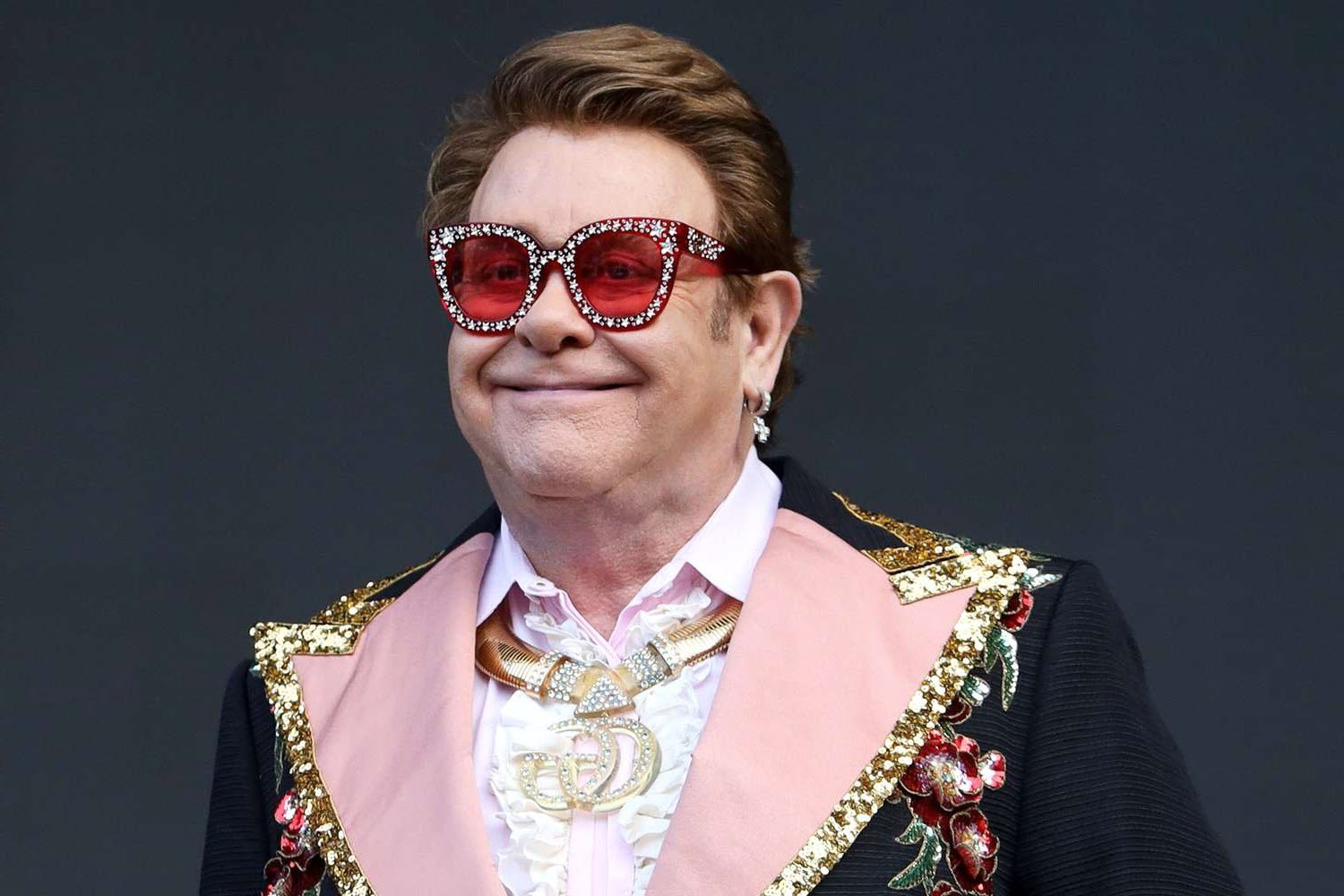
Elton John, an iconic figure in music history, has enchanted audiences for over five decades with his unforgettable melodies and poignant lyrics. From the moment he burst onto the scene in the early 1970s, his unique blend of rock, pop, and soul redefined the landscape of contemporary music. With a flamboyant stage presence and a captivating voice, Elton has produced a remarkable catalog that resonates with fans across generations.
In this article, we delve into the top 10 most popular Elton John songs of all time—an exhilarating journey through the tracks that have defined his illustrious career. Each song tells a story, capturing the essence of love, loss, and the human experience. Whether it’s the heart-wrenching ballads or the upbeat anthems that make you want to sing along, these selections showcase the versatility and enduring appeal of one of music’s greatest legends.
Join us as we celebrate the timeless magic of Elton John, exploring the songs that have not only topped charts but have also cemented his legacy as a musical icon. Get ready to relive the hits that have made an indelible mark on the world of music!
1. “Your Song” (1970)
“Your Song” is a beautifully sincere ballad that captures the innocence and wonder of love in its purest form. Written by the legendary duo of Elton John and Bernie Taupin, this song showcases the magic that happens when heartfelt lyrics meet timeless melodies. Released in 1970 as part of Elton John, the track quickly became one of Elton’s most beloved songs, marking a turning point in his career.
The lyrics convey a simple yet profound message: love doesn’t need grand gestures or extravagant displays—it’s about the honesty of emotions. Taupin, who was just 17 when he wrote the lyrics, infused them with youthful charm and heartfelt sincerity. The opening line, “It’s a little bit funny, this feeling inside,” immediately sets the tone for an intimate and deeply personal reflection on love and admiration.
Musically, the song is driven by Elton’s tender piano melody, which gently supports his warm and expressive vocals. The orchestration remains understated, allowing the song’s message to take center stage. This minimalist approach enhances its emotional impact, making every word feel deeply personal and sincere.
Upon its release, “Your Song” became an instant classic, earning widespread acclaim and securing Elton John’s place among the greatest singer-songwriters of his generation. It peaked at No. 8 on the Billboard Hot 100 and has since been covered by countless artists, including Ellie Goulding and Rod Stewart. Despite its age, the song remains as touching and relevant as ever, often played at weddings and romantic occasions.
At its core, “Your Song” is a testament to the power of love and the beauty of expressing it simply and honestly. It’s a song that continues to resonate with listeners of all ages, proving that true emotions never go out of style.
2. “Rocket Man” (1972)
“Rocket Man” is one of Elton John’s most iconic songs, blending poetic storytelling with a rich, spacey atmosphere that has captivated listeners since its release in 1972. Written by Elton John and Bernie Taupin, the song tells the tale of an astronaut leaving Earth for a long mission in space, a metaphor that many interpret as a reflection on loneliness, fame, and the sacrifices that come with chasing dreams.
The song was inspired by Ray Bradbury’s short story The Rocket Man, which depicts an astronaut torn between his love for space exploration and his longing for family life. Taupin’s lyrics capture this bittersweet conflict perfectly, with lines like “And I think it’s gonna be a long, long time / ’Til touchdown brings me ’round again to find / I’m not the man they think I am at home.” The imagery of a man lost in the vastness of space resonated deeply, especially in the early 1970s when space travel was still new and awe-inspiring.
Musically, “Rocket Man” combines folk, rock, and pop elements, with a slow-building melody that gradually lifts off into soaring, ethereal heights. Elton’s vocal delivery is both tender and powerful, carrying the weight of the song’s melancholy themes while still maintaining a sense of wonder. The dreamy production, featuring reverb-heavy guitar and airy synthesizers, creates a sense of floating through space, making the song feel truly otherworldly.
Upon its release, “Rocket Man” became a massive hit, reaching No. 6 on the Billboard Hot 100 and No. 2 on the UK charts. Over the decades, it has remained a staple of Elton John’s live performances and has been covered and referenced by countless artists. Its influence can even be seen in films like The Martian and Rocketman, the 2019 biopic about Elton John.
At its core, “Rocket Man” is a song about isolation, longing, and the price of ambition—themes that remain as relevant today as they were in 1972. It’s a masterpiece that continues to inspire, proving that great storytelling and timeless melodies will always have a place in music history.
3. “Tiny Dancer” (1971)
“Tiny Dancer” is one of Elton John’s most beloved songs, a beautiful and cinematic ballad that captures the free-spirited essence of early 1970s California. Written by Elton and his longtime lyricist Bernie Taupin, the song first appeared on the 1971 album Madman Across the Water. Although it wasn’t an immediate commercial hit, it has since grown into one of Elton’s most cherished classics, thanks in part to its use in films, particularly the memorable sing-along scene in Almost Famous (2000).
Lyrically, “Tiny Dancer” is a love letter to the freewheeling, bohemian women of Los Angeles that Taupin observed when he first arrived in America. Inspired by the carefree, hippie culture of the era, the song paints a vivid picture of a young woman dancing through life with an effortless grace: “Blue-jean baby, L.A. lady, seamstress for the band.” The lyrics are rich with imagery, making listeners feel as if they are right there in the middle of the scene, watching this captivating muse move through the world.
Musically, “Tiny Dancer” builds slowly, starting with a delicate piano melody before gradually layering in soaring strings, backing vocals, and a driving rhythm section. Elton’s vocals are tender yet powerful, perfectly complementing the song’s emotional crescendo. Unlike traditional pop songs, it takes nearly two minutes before the chorus arrives, making the build-up feel even more rewarding. By the time the song reaches its triumphant climax, it’s nearly impossible not to sing along.
Though it wasn’t a major chart success upon release, “Tiny Dancer” has gained legendary status over time. It remains one of Elton’s most requested live songs and has been covered by numerous artists. Its influence extends far beyond music, appearing in pop culture, commercials, and films, ensuring its legacy for generations to come.
At its heart, “Tiny Dancer” is more than just a song—it’s a moment, a feeling, a snapshot of a bygone era. Whether it’s heard blasting from a car radio or echoing through a concert hall, it never fails to transport listeners to a world of sun-soaked highways, endless possibilities, and the magic of youth.
4. “Candle in the Wind” (1973)
Few songs in music history capture loss and remembrance as powerfully as Elton John’s “Candle in the Wind.” Originally released in 1973 as a tribute to Marilyn Monroe, the song later took on a new life in 1997 when Elton reworked it in memory of Princess Diana. Both versions stand as emotional masterpieces, showcasing Elton’s gift for heartfelt balladry and Bernie Taupin’s poetic lyricism.
The 1973 version, featured on the Goodbye Yellow Brick Road album, paints a poignant picture of Monroe’s tragic life, highlighting the struggles of fame and the loneliness behind the glamour. The line “Goodbye, Norma Jeane, though I never knew you at all” immediately sets the tone, acknowledging the disconnect between Monroe’s public persona and her private pain. Taupin’s lyrics lament the fleeting nature of fame, comparing Monroe to a candle whose light was extinguished too soon.
Musically, the song is beautifully restrained, with Elton’s delicate piano playing leading the way. Subtle orchestration and soft backing vocals enhance the emotional weight, allowing the lyrics to take center stage. Elton’s voice conveys deep sorrow, making every word feel personal and intimate.
In 1997, following the sudden death of Princess Diana, Elton and Taupin rewrote the lyrics to honor her life. This version, performed at her funeral, became one of the best-selling singles of all time. Though it was never performed live again at Elton’s request, it remains one of the most significant musical tributes in history.
Both versions of “Candle in the Wind” have left an enduring impact, serving as powerful reflections on the fragility of life. Whether remembering Marilyn Monroe or Princess Diana, the song continues to resonate, offering comfort to those mourning loved ones and reminding the world of the human cost of fame.
5. “Bennie and the Jets” (1974)
“Bennie and the Jets” is one of Elton John’s most unique and instantly recognizable songs, blending glam rock, funk, and satire into a dazzling, genre-defying hit. Released as part of the 1973 album Goodbye Yellow Brick Road, the song became a surprise chart-topper in the United States and remains a fan favorite at concerts.
Unlike many of Elton’s ballads, “Bennie and the Jets” is playful and eccentric, centered around a fictional futuristic rock band led by the enigmatic Bennie. Bernie Taupin’s lyrics paint a surreal picture of a world obsessed with fame and excess: “She’s got electric boots, a mohair suit, you know I read it in a magazine.” The exaggerated imagery mirrors the over-the-top glam rock movement of the early 1970s, poking fun at the era’s obsession with spectacle.
Musically, the song’s most striking feature is its unusual rhythm. The syncopated beat gives it a hypnotic, almost robotic feel, while Elton’s piano playing is jazzy and unpredictable. The song also includes artificial crowd noises, making it sound like a live performance even though it was recorded in the studio. This unexpected production choice helped give the song its distinctive energy.
Despite Elton initially doubting its potential as a single, “Bennie and the Jets” became a massive hit, particularly in the U.S., where it reached No. 1 on the Billboard Hot 100. Its crossover appeal even earned it a place on R&B radio stations, a rarity for a rock artist at the time.
Decades later, “Bennie and the Jets” remains one of Elton’s most celebrated songs. Whether played in stadiums or referenced in pop culture, its infectious groove and offbeat charm ensure its place in rock history.
6. “Goodbye Yellow Brick Road” (1973)
“Goodbye Yellow Brick Road” is one of Elton John’s most introspective and beautifully composed songs. As the title track of his landmark 1973 album, it represents a turning point in his career, blending cinematic storytelling with deeply personal themes.
The lyrics, penned by Bernie Taupin, reflect a longing to escape the trappings of fame and return to a simpler, more authentic life. The metaphor of the “yellow brick road” alludes to The Wizard of Oz, symbolizing a journey toward dreams that ultimately proves unfulfilling. Lines like “You can’t plant me in your penthouse, I’m going back to my plough” express a desire to break free from material excess and rediscover one’s roots.
Musically, the song is a masterpiece of arrangement. It begins with a delicate piano intro, almost lullaby-like, before soaring into a sweeping chorus filled with lush harmonies. The blend of rock, pop, and orchestral elements creates an ethereal soundscape that perfectly complements the song’s reflective lyrics.
Though it wasn’t originally intended as the album’s standout track, “Goodbye Yellow Brick Road” quickly became one of Elton’s defining songs. It resonated with fans who related to its themes of self-discovery and the disillusionment that often comes with chasing success.
Over the years, the song has remained one of Elton’s most beloved performances, frequently appearing in his live setlists. Its timeless message about seeking authenticity in a world of illusion continues to strike a chord, making it a lasting anthem of introspection and change.
7. “Don’t Let the Sun Go Down on Me” (1974)
“Don’t Let the Sun Go Down on Me” is one of Elton John’s most emotionally powerful ballads, a song filled with raw vulnerability and dramatic intensity. Originally released on the 1974 album Caribou, the song gained legendary status when Elton performed it as a duet with George Michael in 1991.
The lyrics, written by Bernie Taupin, express regret and longing, capturing the pain of a fading relationship. The plea in the chorus—”Don’t let the sun go down on me”—feels like a desperate cry for understanding, a final attempt to hold onto something slipping away. The song’s emotional weight is heightened by Elton’s soaring vocals, which build from a quiet melancholy to a full-throated, passionate climax.
Musically, the song features a sweeping orchestral arrangement, adding grandeur and depth. Backing vocals from members of The Beach Boys further enhance the richness of the sound. The dramatic production makes it one of Elton’s most cinematic songs, evoking a sense of epic heartbreak.
While the original 1974 release was well received, it was the 1991 live duet with George Michael that truly elevated the song to legendary status. Performed at the Live Aid benefit concert and later released as a single, this version reached No. 1 on the Billboard Hot 100. The combination of Elton’s and Michael’s voices created an unforgettable moment, cementing the song’s place in pop history.
“Don’t Let the Sun Go Down on Me” remains one of Elton’s most enduring and moving performances. Whether heard in its original form or as a live duet, its emotional resonance never fades, making it a song that continues to touch hearts across generations.
8. “Saturday Night’s Alright for Fighting” (1973)
“Saturday Night’s Alright for Fighting” is one of Elton John’s most energetic and rebellious songs, showcasing his ability to rock just as hard as any of his contemporaries. Released in 1973 as part of Goodbye Yellow Brick Road, this track is an all-out anthem for youthful excitement, rowdy nights, and letting loose.
Bernie Taupin’s lyrics draw inspiration from his own experiences growing up in England, particularly his youthful nights spent in rowdy pubs. The song paints a vivid picture of a wild Saturday night: “A couple of the sounds that I really like / Are the sound of a switchblade and a motorbike.” It celebrates the reckless thrill of a night on the town, capturing the rebellious spirit of working-class youth.
Musically, the song is driven by a hard-hitting guitar riff that immediately commands attention. Unlike Elton’s signature piano ballads, this track leans heavily into rock ‘n’ roll, featuring distorted guitars, pounding drums, and an infectious chorus. The high-energy tempo makes it a perfect concert opener, often getting audiences on their feet.
Despite its aggressive tone, the song was embraced by fans and became a staple in Elton’s live performances. It’s one of his most enduring rock tracks, showing his versatility beyond ballads and pop anthems. The song’s influence can even be seen in later rock acts, as its no-nonsense attitude and raw energy have made it a favorite for covers and tributes.
“Saturday Night’s Alright for Fighting” is more than just a song—it’s a call to arms for anyone looking to escape the monotony of daily life and revel in the chaos of a Saturday night. Nearly five decades later, it still feels as electrifying as ever.
9. “I’m Still Standing” (1983)
“I’m Still Standing” is one of Elton John’s most triumphant and uplifting songs, serving as an anthem of resilience and perseverance. Released in 1983 on the album Too Low for Zero, this track came at a time when Elton was reinventing himself and proving that he was still a dominant force in the music industry.
Lyrically, the song is a declaration of strength after hardship. With lines like “I’m still standing better than I ever did / Looking like a true survivor, feeling like a little kid,” Elton expresses defiance in the face of challenges, making the song deeply relatable for anyone overcoming adversity. Though it’s often interpreted as a personal statement about his own struggles, Bernie Taupin has mentioned that the lyrics were originally about a failed relationship.
Musically, the song is an explosion of positivity. Driven by an upbeat rhythm, infectious melody, and lively synths, it perfectly encapsulates the optimism of the 1980s. Elton’s vocal performance is full of confidence, reinforcing the song’s message of persistence and renewal. The track’s music video, filmed in the vibrant streets of Cannes, France, further added to its iconic status, featuring colorful, avant-garde visuals that captured the song’s spirit.
“I’m Still Standing” became a massive hit, solidifying Elton’s place in the pop and rock landscape of the ’80s. It also found a new generation of fans decades later when it was featured in the animated movie Sing, proving that its message of resilience still resonates today.
This song is more than just an upbeat pop hit—it’s a declaration of survival, a testament to Elton’s enduring legacy, and a rallying cry for anyone who refuses to be knocked down.
10. “Can You Feel the Love Tonight” (1994)
“Can You Feel the Love Tonight” is one of Elton John’s most beloved and emotionally rich ballads. Released in 1994 as part of Disney’s The Lion King soundtrack, this song became an instant classic, earning an Academy Award, a Golden Globe, and a Grammy. It beautifully captures the magic of love and connection, making it one of the most cherished Disney songs of all time.
The lyrics, written by Tim Rice, express the deep emotions of love blossoming between two souls. In the context of The Lion King, it serves as the moment when Simba and Nala recognize their feelings for each other, but its universal message has allowed it to resonate far beyond the film. With lines like “There’s a time for everyone if they only learn / That the twisting kaleidoscope moves us all in turn,” the song speaks to the inevitability of love and destiny.
Musically, the song is lush and melodic, featuring soaring orchestration that enhances its emotional depth. Elton’s tender vocal performance gives the track a warmth that feels both personal and grand. The balance between simplicity and richness in the arrangement makes it deeply moving, whether heard in the film or performed live.
The song became a worldwide success, reaching the Top 10 in multiple countries and solidifying Elton’s reputation as a masterful balladeer. Its universal theme of love has made it a staple at weddings, romantic occasions, and even personal moments of reflection.
Even decades after its release, “Can You Feel the Love Tonight” continues to bring people together, reminding us of the power of love and music to create timeless, heartfelt connections.

Edward Tomlin is a frequent contributor to Singers Room. Since 2005, Singersroom has been the voice of R&B around the world. Connect with us via social media below.









