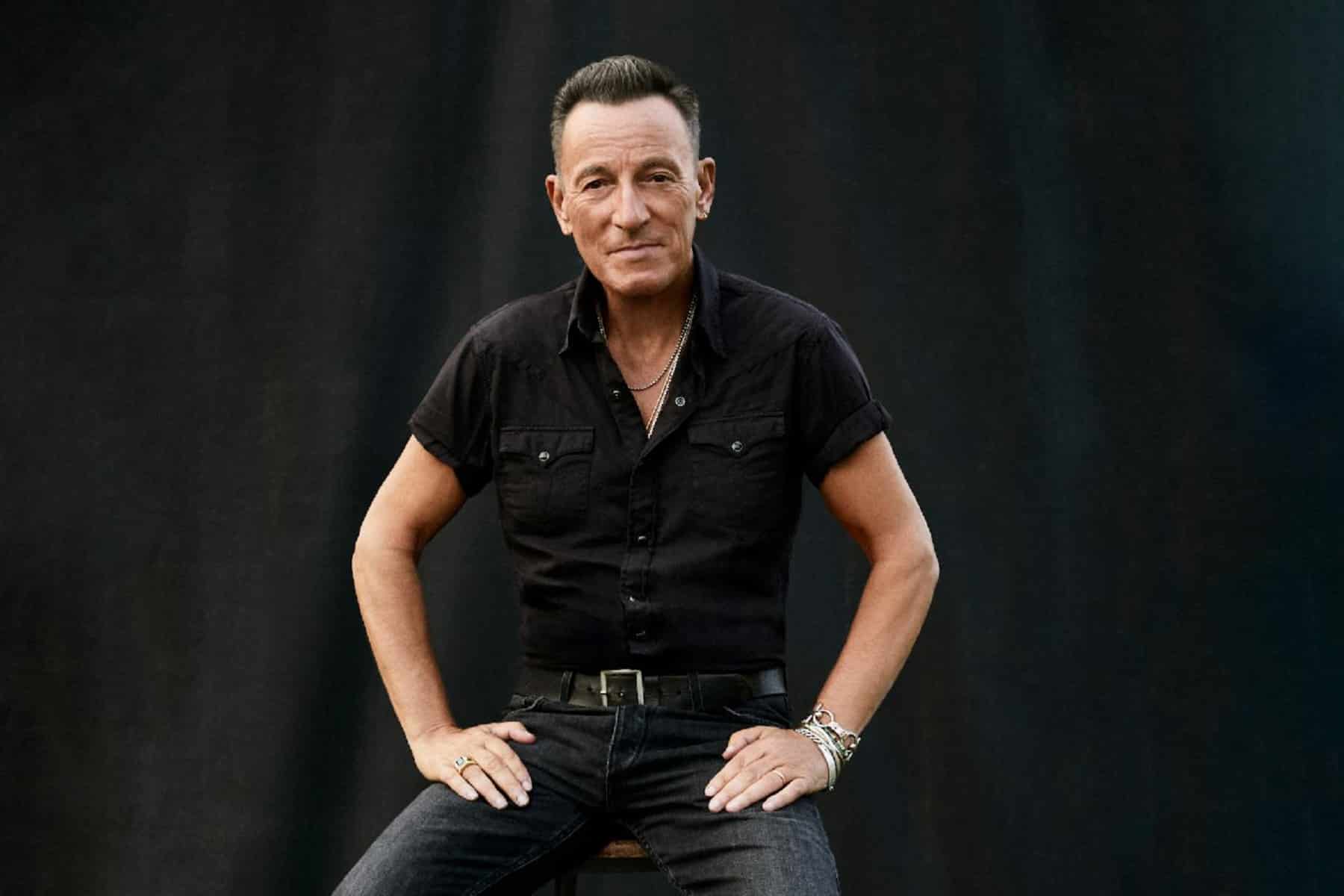
Bruce Springsteen isn’t just a musician—he’s a storyteller, a poet of the American experience, and a rock & roll legend whose music has defined generations. From the working-class struggles of The River to the electrifying anthems of Born to Run, Springsteen’s songs capture the heartache, hope, and resilience of everyday life. His ability to blend raw emotion with unforgettable melodies has made him one of the most beloved artists in rock history.
With a career spanning over five decades, The Boss has delivered countless classics, but some songs stand above the rest—tracks that have become anthems of freedom, love, loss, and rebellion. Whether it’s the stadium-shaking energy of Born in the U.S.A., the nostalgic reflection of Glory Days, or the haunting intimacy of Streets of Philadelphia, Springsteen’s music continues to inspire and move audiences around the world.
In this list, we’re counting down the top 10 most popular Bruce Springsteen songs of all time—the tracks that have left an undeniable mark on rock music and continue to resonate with fans both old and new. So, crank up the volume, roll down the windows, and get ready to take a ride through the greatest hits of The Boss. 🚗🎸🔥
1. Born to Run (1975)
“Born to Run” isn’t just a song—it’s a declaration of freedom, a rallying cry for anyone who’s ever felt trapped in their hometown, yearning for something more. Released in 1975 as the title track of Bruce Springsteen’s breakout album, this anthem launched him from local Jersey Shore gigs to the global rock stage. The song’s sweeping, wall-of-sound production, driven by Max Weinberg’s thunderous drums and Clarence Clemons’ iconic saxophone solo, perfectly complements Springsteen’s impassioned vocals and vivid storytelling. With lyrics brimming with both desperation and hope, “Born to Run” paints a cinematic picture of young lovers chasing down the American dream on endless highways. It’s about escape, the hunger for a better life, and the thrill—and fear—of the unknown. This track isn’t just one of Springsteen’s best; it’s a cornerstone of rock history, embodying the restless spirit of a generation.
2. Thunder Road (1975)
“Thunder Road” is the perfect gateway into the world of Born to Run, setting the tone for the album’s themes of hope and escape. Opening with a soft, melancholic harmonica and gentle piano, the song feels like the calm before a storm of emotion. Springsteen’s lyrics introduce us to Mary and her lover, standing on the edge of a life-changing decision, with lines that read like poetry: “Show a little faith, there’s magic in the night.” As the song unfolds, it builds from a quiet reflection into a full-blown anthem, complete with soaring guitars and a raw, emotional crescendo that leaves you breathless. It’s about taking risks, believing in something better, and embracing the unknown with nothing but faith and a beat-up car. “Thunder Road” isn’t just a song—it’s a story, a feeling, and one of Springsteen’s most beloved tracks, resonating with anyone who’s ever dreamed of more.
3. Dancing in the Dark (1984)
When “Dancing in the Dark” dropped in 1984, it marked a new chapter for Springsteen. As the lead single from Born in the U.S.A., it embraced a slicker, more radio-friendly sound with catchy synths and an irresistible groove. But don’t let the upbeat vibe fool you—beneath the pop polish lies a song about frustration, restlessness, and the struggle to break free from monotony. “I wanna change my clothes, my hair, my face,” Springsteen sings, capturing the universal feeling of being stuck in a rut. The track’s infectious energy made it a massive hit, topping charts worldwide and becoming a staple of ’80s radio. And who could forget the iconic music video, where a young Courteney Cox gets pulled onstage to dance with the Boss himself? That moment cemented the song’s place in pop culture, but it’s the underlying yearning in the lyrics that keeps fans coming back.
4. Born in the U.S.A. (1984)
“Born in the U.S.A.” is often mistaken for a flag-waving anthem, but listen closely, and you’ll hear a powerful protest song beneath the stadium-sized chorus. Released in 1984 as the title track of one of Springsteen’s biggest albums, it tells the story of a Vietnam veteran struggling to find his place in a country that’s forgotten him. The pounding drums and triumphant synthesizers create an ironic contrast to the song’s dark, politically charged lyrics. “Sent me off to a foreign land to go and kill the yellow man,” Springsteen sings, laying bare the pain and disillusionment felt by many veterans. His fierce vocal delivery, combined with the song’s explosive energy, makes it one of his most powerful works—a reminder that patriotism isn’t just about pride, but also about holding your country accountable.
5. The River (1980)
“The River” is one of Springsteen’s most heart-wrenching songs, a poignant tale of love, loss, and the harsh realities of life. Released in 1980 as the title track of his double album, it tells the story of a young couple whose dreams are crushed by economic hardship. Inspired by the struggles of Springsteen’s own sister and her husband, the song’s simple harmonica intro sets the tone for a narrative filled with quiet despair. As the story unfolds, we hear about youthful romance giving way to adult responsibilities, with the river symbolizing both hope and the passage of time. Springsteen’s storytelling is so vivid that you can almost see the faded wedding dresses and feel the weight of broken promises. It’s a song that hits hard, resonating with anyone who’s faced the sting of dreams deferred.
6. Hungry Heart (1980)
“”Hungry Heart” might sound like a feel-good, singalong anthem, but underneath its catchy melody lies a story of restlessness and regret. Originally written for The Ramones, Springsteen decided to keep the song for himself, and it became his first big hit when it was released in 1980 on The River. The track’s bouncy piano riff and infectious chorus—“Everybody’s got a hungry heart”—mask the darker narrative of a man who walks out on his family in search of something more. This contrast between the upbeat sound and melancholy lyrics gives the song its unique charm. It’s a perfect example of Springsteen’s ability to blend pop appeal with deeper, more complex emotions, making it one of his most enduring and intriguing songs.
7. Badlands (1978)
“Badlands” is pure, unfiltered Springsteen—a defiant anthem about the struggles and hopes of the working class. Released in 1978 on Darkness on the Edge of Town, the song explodes with driving guitars, pounding drums, and lyrics dripping with frustration and determination. “It ain’t no sin to be glad you’re alive,” Springsteen shouts, capturing the spirit of those fighting against the odds for a better life. Inspired by the economic hardships of the time, “Badlands” resonates with anyone who’s ever felt trapped by their circumstances but refused to give in. Its raw energy and unrelenting optimism make it a standout track, and it’s one of the most electrifying songs in Springsteen’s live shows, igniting crowds with every performance.
8. Glory Days (1984)
“Glory Days” is a bittersweet, humorous look at the passage of time and the way people cling to their youth. Released in 1984 on Born in the U.S.A., the song tells stories of old friends reminiscing about their “glory days,” unable—or unwilling—to move on from the past. With its upbeat melody and singalong chorus, it’s easy to get caught up in the fun, but there’s a deeper, more reflective undertone beneath the surface. Springsteen’s storytelling is both relatable and sharp, capturing that universal feeling of looking back and wondering where the time went. It’s a song that’ll make you smile, laugh, and maybe even shed a tear—all in the same breath. No wonder it’s a fan favorite at concerts, where everyone joins in to celebrate, even as they reflect on their own glory days.
9. Streets of Philadelphia (1994)
“Streets of Philadelphia” marked a stark shift from Springsteen’s usual rock anthems, diving into more somber, introspective territory. Written for the 1993 film Philadelphia, which tackled the AIDS crisis, the song is a haunting reflection on isolation, illness, and loss. With its sparse instrumentation, subtle drum machine, and whispered vocals, Springsteen conveys a profound sense of loneliness and quiet sorrow. The lyrics, filled with imagery of physical and emotional decay, resonate deeply: “I was unrecognizable to myself.” The song earned Springsteen an Academy Award and a Grammy, but beyond the accolades, it stands as one of his most emotionally devastating works—a raw, compassionate piece that brings attention to the human side of a public health crisis.
10. I’m on Fire (1984)
“I’m on Fire” is one of Springsteen’s most minimalist yet powerful songs, oozing with quiet intensity and desire. Released in 1984 on Born in the U.S.A., the track features a simple, hypnotic arrangement of soft percussion and subtle guitar, creating a smoldering, almost eerie atmosphere. Springsteen’s hushed vocals add to the song’s seductive tension, as he sings about longing and unfulfilled passion. The lyrics, though sparse, are loaded with emotion, making you feel every ounce of yearning in his voice. Its understated style and raw vulnerability set it apart from the more bombastic tracks on the album, proving that sometimes less really is more. Over the years, “I’m on Fire” has become a fan favorite, its haunting melody lingering long after the song ends.

Samuel Moore is a frequent contributor to Singers Room. Since 2005, Singersroom has been the voice of R&B around the world. Connect with us via social media below.









