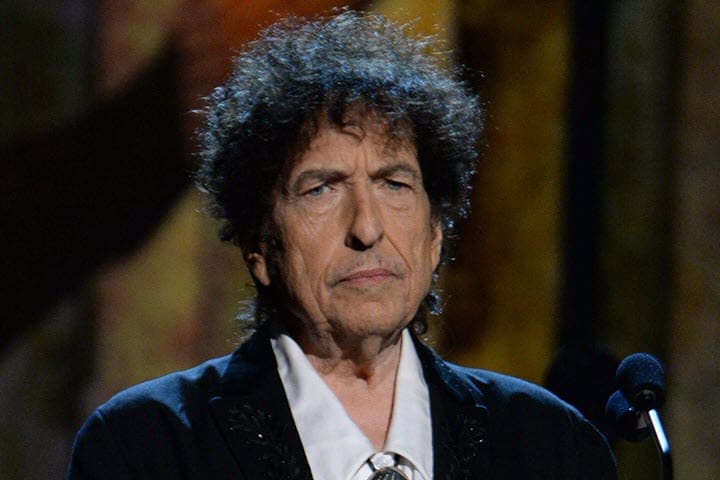
Few artists have shaped modern music and culture quite like Bob Dylan. A poet, a rebel, and a musical visionary, Dylan has spent over six decades crafting songs that challenge, inspire, and endure. From the folk revival of the early ’60s to his electric revolution and beyond, his music has become the soundtrack of protest, love, loss, and change.
But with such an enormous and influential catalog, which songs truly stand out as his most iconic? Which tracks have defined generations, influenced countless musicians, and solidified Dylan’s status as one of the greatest songwriters of all time?
In this list, we dive into the top 10 most popular Bob Dylan songs, from anthems of social change to poetic masterpieces of heartache and storytelling. Whether you’re a lifelong Dylan fan or just discovering his genius, these songs are essential listening—each one a testament to his unmatched ability to capture the human experience in song.
So, grab your harmonica, turn up the volume, and let’s explore the legendary tracks that have made Bob Dylan a cultural icon for the ages. 🎸🎤
1. Like a Rolling Stone (1965)
Bob Dylan’s “Like a Rolling Stone” didn’t just mark a new chapter in his career—it completely reshaped the landscape of rock music. Released in 1965 as the lead single from Highway 61 Revisited, the song broke all the rules with its unprecedented six-minute runtime, raw, confrontational lyrics, and electric, full-band sound. Dylan’s sharp, almost sneering vocal delivery of the now-iconic line “How does it feel?” paints a vivid picture of a once-privileged woman suddenly faced with the harsh realities of life. Al Kooper’s spontaneous, swirling organ riff adds another layer of urgency, becoming one of the most recognizable hooks in rock history. This wasn’t just another song on the radio—it was a manifesto, signaling Dylan’s transition from folk troubadour to rock provocateur. “Like a Rolling Stone” wasn’t just a hit; it was a cultural shift that proved popular music could be both commercially successful and artistically daring.
2. Blowin’ in the Wind (1963)
“Blowin’ in the Wind,” first released in 1963 on The Freewheelin’ Bob Dylan, became an anthem for a generation longing for change. With its deceptively simple structure and profound, rhetorical questions, Dylan tackles themes of freedom, peace, and justice, all while leaving the answers elusive, drifting metaphorically “in the wind.” The song’s melody, borrowed from the African American spiritual “No More Auction Block,” lends it a soulful, hymn-like quality that resonates deeply. While Dylan’s original version struck a chord with folk audiences, it was Peter, Paul, and Mary’s cover that catapulted the song into the mainstream, solidifying its role as a soundtrack for the civil rights movement. The beauty of “Blowin’ in the Wind” lies in its universal appeal—its questions are as relevant today as they were in the turbulent 1960s, proving Dylan’s knack for crafting timeless, thought-provoking music.
3. The Times They Are A-Changin’ (1964)
Released as the title track of his 1964 album, “The Times They Are A-Changin’” quickly became one of Bob Dylan’s defining songs and a rallying cry for social change. With its straightforward, almost biblical cadence, Dylan urges people—from politicians to parents—to recognize and embrace the inevitable shifts happening around them. Lines like “For the loser now will be later to win” captured the spirit of the 1960s, a time of political upheaval and cultural revolution. The song’s stark, acoustic arrangement puts the focus squarely on Dylan’s voice and message, giving it a prophetic, almost sermon-like quality. Over the years, “The Times They Are A-Changin’” has been adopted by countless social and political movements, solidifying its status as an enduring anthem of progress and transformation. Its message remains as urgent and relevant today as when it was first penned.
4. Knockin’ on Heaven’s Door (1973)
Originally written for Sam Peckinpah’s 1973 film Pat Garrett & Billy the Kid, “Knockin’ on Heaven’s Door” is one of Bob Dylan’s most haunting and enduring compositions. With its sparse lyrics and gentle, almost mournful melody, the song captures the final, reflective moments of a dying lawman. The repetitive chorus—”Knock, knock, knockin’ on heaven’s door”—is both heartbreakingly simple and profoundly moving, evoking a universal sense of loss and resignation. Its emotional resonance has led to countless covers over the years, with Eric Clapton and Guns N’ Roses offering two of the most famous renditions. Despite its simplicity, “Knockin’ on Heaven’s Door” showcases Dylan’s unparalleled ability to evoke deep, complex emotions with minimal words, cementing its place as a standout in his extensive catalog.
5. Tangled Up in Blue (1975)
Released on the critically acclaimed Blood on the Tracks in 1975, “Tangled Up in Blue” is often hailed as one of Bob Dylan’s finest lyrical achievements. The song weaves a complex, nonlinear narrative that touches on themes of love, loss, and longing, reflecting Dylan’s own personal turmoil during his divorce from Sara Lownds. What makes “Tangled Up in Blue” so compelling is its shifting perspectives—sometimes first person, sometimes third—which create a rich, cinematic experience for listeners. Dylan’s vivid imagery and impassioned vocal delivery pull you into the protagonist’s bittersweet journey, making each verse feel like a new chapter in an unfolding story. Musically, the song blends folk and rock elements, showcasing Dylan’s versatility as both a songwriter and performer. It remains a fan favorite and a testament to Dylan’s storytelling prowess.
6. Mr. Tambourine Man (1965)
“Mr. Tambourine Man,” which first appeared on Bringing It All Back Home in 1965, is a hypnotic, dreamlike folk ballad that showcases Bob Dylan’s unparalleled lyrical talent. The song’s surreal, poetic imagery transports listeners to a world of imagination and escapism, inviting multiple interpretations. Some see it as an ode to a fellow musician or a symbol of artistic inspiration, while others interpret it through the lens of the burgeoning psychedelic movement of the 1960s. The Byrds’ jangly, electric cover of the song brought it mainstream success and is credited with helping birth the folk-rock genre. However, Dylan’s original acoustic version remains a mesmerizing masterpiece, demonstrating his ability to blend complex, introspective lyrics with simple, captivating melodies. “Mr. Tambourine Man” is a song that continues to enchant and inspire, solidifying its place in the pantheon of folk music classics.
7. Hurricane (1975)
A powerful protest song, “Hurricane” was released in 1975 on Bob Dylan’s album Desire and chronicles the wrongful imprisonment of boxer Rubin “Hurricane” Carter. Spanning over eight minutes, the song is a gripping, narrative-driven indictment of racial injustice and systemic corruption. Dylan’s rapid-fire lyrical delivery, combined with Scarlet Rivera’s haunting violin, gives the song an urgent, almost cinematic feel. The lyrics paint a vivid picture of the prejudice and legal failures that led to Carter’s conviction, making “Hurricane” one of Dylan’s most politically charged works. The song’s impact extended beyond music—Dylan’s activism brought significant attention to Carter’s case, highlighting the power of art as a force for social change. “Hurricane” remains a standout in Dylan’s catalog, both for its compelling storytelling and its fearless confrontation of injustice.
8. All Along the Watchtower (1967)
“All Along the Watchtower,” from Bob Dylan’s 1967 album John Wesley Harding, is a cryptic, apocalyptic folk song that has inspired endless interpretation and analysis. The song’s sparse, urgent lyrics describe a mysterious conversation between a joker and a thief, set against a backdrop of looming chaos and existential dread. Dylan’s original version is stark and haunting, imbued with an almost biblical sense of gravity. However, it was Jimi Hendrix’s electrified 1968 cover that transformed “All Along the Watchtower” into a rock classic, with its searing guitar work and intense energy. Dylan himself was so impressed by Hendrix’s rendition that he later adopted the arrangement in his live performances. The song’s enigmatic lyrics and haunting melody ensure its enduring appeal, making it one of Dylan’s most iconic works.
9. Subterranean Homesick Blues (1965)
“Subterranean Homesick Blues,” released in 1965 on Bringing It All Back Home, is a fast-paced, rebellious anthem that blends folk, rock, and Beat poetry into a whirlwind of countercultural commentary. With its rapid-fire delivery and stream-of-consciousness lyrics, the song captures the restless spirit of the 1960s. Inspired by Chuck Berry’s “Too Much Monkey Business,” Dylan’s frenetic energy and sharp wit make “Subterranean Homesick Blues” one of the earliest examples of proto-rap. The song’s iconic music video—featuring Dylan flipping cue cards with key lyrics—became a defining moment in music history and a visual symbol of the era’s rebellious ethos. A satirical take on societal pressures and governmental authority, “Subterranean Homesick Blues” remains as relevant and incisive today as it was upon its release.
10. Don’t Think Twice, It’s All Right (1963)
Appearing on The Freewheelin’ Bob Dylan in 1963, “Don’t Think Twice, It’s All Right” is a bittersweet breakup song that showcases Dylan’s gift for blending wit and vulnerability. Unlike typical love songs that beg for reconciliation or wallow in sorrow, Dylan’s lyrics are tinged with a sense of resigned acceptance, mixed with subtle sarcasm. The fingerpicking guitar style, influenced by folk musician Paul Clayton, adds a gentle, rolling rhythm that contrasts beautifully with the emotional depth of the lyrics. Lines like “I gave her my heart, but she wanted my soul” encapsulate the song’s blend of heartache and dry humor. Over the years, “Don’t Think Twice, It’s All Right” has been covered by countless artists and remains one of Dylan’s most beloved and relatable compositions, resonating with anyone who has experienced the complexities of love and loss.

Samuel Moore is a frequent contributor to Singers Room. Since 2005, Singersroom has been the voice of R&B around the world. Connect with us via social media below.









