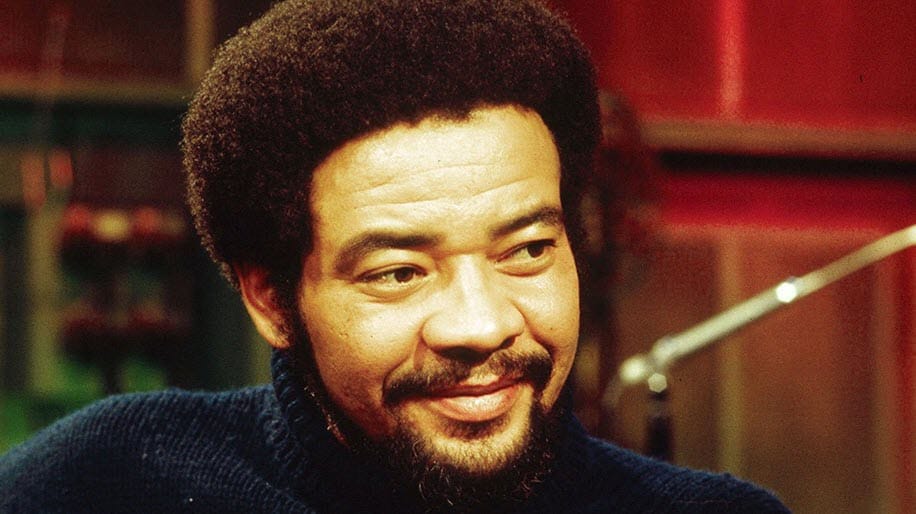
Few artists have the power to transcend time, but Bill Withers stands as a shining example of a musician whose soulful melodies and heartfelt lyrics resonate across generations. With his unmistakable voice and knack for turning simple truths into unforgettable anthems, Withers crafted a legacy that speaks to love, resilience, friendship, and the beauty of life’s quiet moments. Whether it’s the warmth of his most tender ballads or the groove of his funk-infused hits, his music has a way of making you feel every note, every word, and every emotion.
From the soul-soothing comfort of “Lean on Me” to the irresistible rhythm of “Lovely Day,” Bill Withers’ songs have become anthems for weddings, family gatherings, and moments of personal reflection. His ability to capture universal emotions in poetic simplicity has earned him a permanent place in the hearts of music lovers worldwide. In this article, we count down the top 10 most popular Bill Withers songs of all time, celebrating the tracks that have not only defined his illustrious career but also enriched the soundtrack of our lives. So sit back, press play, and let the soulful brilliance of Bill Withers fill your world once again.
1. Ain’t No Sunshine (1971)
“Ain’t No Sunshine,” featured on Bill Withers’ debut album Just As I Am, is one of the most emotionally charged and memorable songs of his career. Released in 1971, this hauntingly beautiful track explores the depths of heartbreak and loneliness with remarkable simplicity and raw emotion. The song is instantly recognizable by its melancholy guitar riff and the repetitive, almost pleading refrain of “I know.” These two words—repeated throughout the song—echo the way our minds can be consumed by thoughts of someone we’ve lost, unable to escape the emotional turmoil. Withers’ voice, tender yet powerful, captures the pain of longing, making this track an anthem for anyone who’s ever felt the ache of missing someone. The understated arrangement only amplifies the effect of the lyrics; it’s just Withers’ soulful voice paired with a sparse yet evocative instrumental backdrop. This simplicity allows the emotional weight of the song to shine through. “Ain’t No Sunshine” earned Withers a Grammy Award for Best R&B Song, and its impact has endured over the years. It’s a classic that resonates with listeners on a deeply personal level, touching the heart of anyone who has experienced sorrow and the longing that follows. Its universal theme of heartbreak, combined with Withers’ heartfelt delivery, ensures that “Ain’t No Sunshine” will always hold a special place in music history. The song’s understated elegance and emotional depth continue to make it a favorite, and its ability to speak to the human experience remains unmatched.
2. Lean on Me (1972)
Released in 1972 on his album Still Bill, “Lean on Me” became one of Bill Withers’ most iconic and universally beloved songs. With its powerful message of solidarity, the song became an anthem of hope and community. It was inspired by Withers’ upbringing in a close-knit neighborhood where people supported each other through thick and thin. The uplifting tone of “Lean on Me” is impossible to ignore. From the opening piano chords, which are both gospel-inspired and uplifting, to the heartwarming lyrics that speak to the power of friendship and mutual support, the song’s message is clear: no one has to go through life’s challenges alone. “Lean on Me” was an instant hit, topping the Billboard Hot 100 and earning Withers widespread acclaim for its timeless message of togetherness. It’s a song that has transcended its original context, becoming a go-to anthem for moments of unity, be it at weddings, funerals, or any other significant gathering. What makes the song so special is the way it makes everyone feel a part of something larger, a sense of belonging that transcends any individual hardship. Withers’ vocals are both warm and reassuring, conveying a sense of comfort and love. “Lean on Me” has become more than just a song; it’s a reminder that, in times of need, we can all find strength in each other. Whether it’s a friend, family member, or even a stranger, the message remains clear: lean on each other, and we’ll get through it together. It’s a message that will resonate for generations to come, and “Lean on Me” remains a classic of both the R&B and pop music landscapes.
3. Lovely Day (1977)
“Lovely Day,” released in 1977 on the album Menagerie, is an exuberant celebration of life and the joy that can be found in even the simplest moments. The song’s breezy rhythm, smooth melody, and Withers’ effortlessly soulful voice combine to create one of the most feel-good tracks in his catalog. The lyrics, which describe the beauty of a perfect day when everything feels just right, are simple yet profound. Withers captures the essence of optimism and the joy that comes from appreciating the world around us. What makes “Lovely Day” especially memorable is the remarkable note Withers holds toward the end of the song—an astonishing 18 seconds. This note has become legendary in its own right, and it serves as a testament to Withers’ vocal prowess. It’s a moment of musical brilliance that perfectly matches the uplifting energy of the song. The song has become a go-to track for celebrations, commercials, and, of course, as the soundtrack to anyone’s morning playlist. Its infectious positivity is impossible to ignore, and it’s a song that can lift spirits and put a smile on anyone’s face. Withers’ warm delivery and the joyful instrumental arrangement create an atmosphere that is both calming and invigorating. “Lovely Day” is a song that reminds us of the power of positivity and how, with the right perspective, any day can be a lovely one. It’s a timeless classic that continues to resonate with listeners, no matter the generation. With its message of hope and happiness, “Lovely Day” is one of those rare songs that can genuinely brighten your day, every time you hear it.
4. Just the Two of Us (1981)
Released in 1981, “Just the Two of Us” is a stunning collaboration between Bill Withers and renowned saxophonist Grover Washington Jr. This smooth, jazzy ballad perfectly blends Withers’ soulful vocals with Washington’s impeccable saxophone performance, creating a song that feels both intimate and timeless. The track, which speaks to the beauty and simplicity of a close relationship, whether romantic or platonic, captures the essence of connection in a way that is both personal and universally relatable. The lyrics reflect a quiet confidence in love, with Withers singing about the joy and peace found when two people come together in harmony, no matter the world around them. The combination of Withers’ smooth and rich voice, alongside Washington’s saxophone, creates a lush and captivating soundscape that draws listeners in. The easygoing rhythm and sophisticated arrangement contribute to the song’s charm, making it a perfect track for relaxing evenings or romantic moments. “Just the Two of Us” became an instant classic, reaching the top of the charts and winning a Grammy for Best R&B Song. It remains a favorite for couples and music lovers alike, due to its timeless message and the beautiful way it expresses the sentiment of closeness and unity. The song stands as one of the definitive love songs of the 1980s, thanks to its unforgettable melody, memorable lyrics, and the incredible chemistry between Withers and Washington. Whether played at weddings, special occasions, or simply during quiet moments at home, “Just the Two of Us” remains one of Bill Withers’ most cherished and enduring songs.
5. Use Me (1972)
“Use Me” is one of Bill Withers’ funkiest and most daring songs, released in 1972 on the Still Bill album. The track is an honest and raw portrayal of a complicated relationship, in which the protagonist acknowledges the emotional push-and-pull of being used by someone but, at the same time, still feeling deeply drawn to them. It’s a song about vulnerability and the complexities of love and desire, with Withers’ soulful delivery making it all the more captivating. The groove is infectious, with a deep bassline and smooth rhythm section that makes it impossible to resist tapping your feet. The lyrics, though straightforward, are filled with a sense of longing and acceptance, as Withers admits his emotional dependence, even as he is aware of the dynamics at play. The funky rhythm and brass section create an upbeat, almost playful atmosphere, contrasting with the deeper emotional undertones of the song. “Use Me” stands out for its candidness; Withers is unapologetic in his admission of being caught in a relationship that is, at times, a little one-sided. The song became one of Withers’ biggest hits, reaching No. 2 on the Billboard Hot 100, and is still widely regarded as one of the best examples of his ability to blend honesty with groove. The combination of raw emotion, funky instrumentation, and Withers’ distinctive vocal style makes “Use Me” a standout track in his career. It’s a song that remains a fan favorite, often played in dance clubs or on the radio, due to its irresistible rhythm and relatable themes of love, lust, and emotional entanglement.
6. Grandma’s Hands (1971)
“Grandma’s Hands,” from Bill Withers’ debut album Just As I Am, is one of his most tender and deeply personal songs. Released in 1971, the song is a heartfelt tribute to Withers’ grandmother, reflecting on the love, wisdom, and influence she had on his life. The lyrics are simple yet powerful, and Withers’ soulful voice delivers them with a sense of reverence and affection. The song speaks about the warmth of a grandmother’s touch and the comfort of knowing someone so deeply cares for you. The imagery of “grandma’s hands” conveys a sense of safety and unconditional love, a feeling that resonates with listeners who have experienced similar relationships in their own lives. The stripped-down arrangement, with its acoustic guitar and gentle percussion, allows the lyrics and Withers’ voice to take center stage, creating an intimate listening experience. There’s a sense of nostalgia in the song, as Withers reflects on the formative impact his grandmother had on him. It’s a song about family, love, and the passing down of wisdom from one generation to the next. “Grandma’s Hands” continues to be a favorite among Withers’ fans, and it’s easy to see why. Its heartfelt sincerity and timeless message of love and gratitude make it a standout track in his catalog. The song resonates deeply with listeners who cherish family bonds and appreciate the quiet but profound influence of a loved one. Whether you’re remembering a grandparent or reflecting on any influential person in your life, “Grandma’s Hands” is a song that speaks to the heart.
7. Who Is He (And What Is He to You)? (1972)
“Who Is He (And What Is He to You)?” from Bill Withers’ Still Bill album, is a sultry, tension-filled track that delves into the complexity of love, jealousy, and suspicion. Released in 1972, the song tells the story of a man questioning his partner’s loyalty, wondering whether she’s truly committed to him or if she has someone else in her life. With its slow, seductive groove and Withers’ commanding vocals, the song creates an atmosphere of uncertainty and emotional intensity. The raw honesty in the lyrics is palpable, with the protagonist confronting his feelings of doubt and insecurity. Withers’ performance is both vulnerable and assertive, capturing the inner conflict of someone caught in a web of emotional turmoil. The rhythm section is smooth yet urgent, matching the escalating tension in the song as the protagonist confronts his partner with his suspicions. The track stands out for its funky bassline and the stark honesty with which it addresses the complicated emotions of love, desire, and jealousy. The song’s tension and raw emotion make it a standout track in Withers’ catalog, as it explores the complexity of relationships with both grace and intensity. The lyrics are both candid and relatable, striking a chord with anyone who’s ever struggled with feelings of doubt and jealousy in a relationship. “Who Is He (And What Is He to You)?” remains one of Withers’ most distinctive and impactful tracks, with its unmistakable groove and powerful storytelling continuing to captivate listeners.
8. Harlem (1971)
“Harlem,” from Bill Withers’ debut album Just As I Am, paints a vivid and evocative picture of the New York neighborhood it’s named after. Released in 1971, the track captures the bustling energy, the vibrant culture, and the resilience of the Harlem community, all through Withers’ smooth, soulful voice and poignant lyrics. The song blends social consciousness with a rich, lively musical arrangement, which includes elements of jazz, funk, and soul. Withers’ storytelling ability shines as he sings about Harlem’s energy and spirit, paying tribute to its people and the history of the neighborhood. The lyrics reflect the pride and strength that people living in Harlem have, despite the challenges they face. The groove is infectious, with a driving rhythm section and brass instrumentation that evokes the energy of the streets, while the melody complements the song’s social message. “Harlem” was a powerful statement from Withers, as it not only celebrated the cultural richness of the neighborhood but also highlighted the need for respect and understanding across all communities. It’s a song that calls for unity, empowerment, and pride. Withers’ ability to blend social commentary with his signature soulful style made “Harlem” a standout track on Just As I Am. The song still resonates today, as it speaks to the broader struggles and triumphs of marginalized communities, making it an enduring anthem for social justice and pride. The powerful blend of storytelling, music, and message in “Harlem” makes it a timeless classic that remains as relevant today as it was when it was first released.
9. I Can’t Write Left-Handed (1973)
“I Can’t Write Left-Handed” is one of Bill Withers’ most socially charged and emotionally raw songs. Released in 1973 on the Bill Withers Live at Carnegie Hall album, this anti-war ballad tells the story of a soldier who is critically wounded in the Vietnam War and reflects on the devastating impact of violence and conflict. The song’s lyrics are haunting, as the soldier laments his inability to write, symbolizing the lasting effects of war on the human body and spirit. Withers’ emotive delivery makes the song even more poignant, as he gives voice to the despair and sorrow of a soldier who has paid a heavy price for his country. The live performance captures the rawness of the song, with Withers’ voice filled with both sadness and frustration. The piano and percussion complement his powerful delivery, creating a mood that is both reflective and heavy. The song’s anti-war message resonates deeply, as it highlights the senselessness of violence and the human cost of war. Withers’ ability to capture such a difficult topic with such honesty and vulnerability makes “I Can’t Write Left-Handed” one of his most impactful songs. It stands as a stark reminder of the tragic consequences of war and remains an important piece of social commentary in Withers’ catalog. The song continues to resonate with listeners, especially those who feel the weight of conflict and its toll on humanity.
10. Hope She’ll Be Happier (1971)
“Hope She’ll Be Happier” closes Bill Withers’ debut album Just As I Am with a melancholic and bittersweet reflection on love, heartbreak, and unrequited feelings. Released in 1971, the song tells the story of a man who has come to terms with the end of a relationship, but despite his own pain, he wishes for the woman he loves to find happiness—whether or not that happiness includes him. Withers’ voice is full of vulnerability and emotion, conveying the bittersweet nature of the situation. The stripped-down arrangement allows his voice to take center stage, drawing the listener into the raw honesty of the lyrics. The song’s simplicity is part of its power; the heartfelt lyrics and gentle melody give it a timeless quality that resonates with anyone who has ever loved someone deeply, only to let them go. “Hope She’ll Be Happier” is a poignant meditation on selflessness and the complexities of love, and it captures the universal experience of heartbreak. The tenderness of Withers’ delivery makes the song feel deeply personal, yet its themes of love and loss are universal. As the final track on Just As I Am, the song provides a fitting conclusion to an album full of powerful emotions, leaving the listener with a sense of quiet reflection. “Hope She’ll Be Happier” remains one of Withers’ most moving tracks, and its timeless message of love, selflessness, and letting go continues to touch the hearts of listeners around the world.

Edward Tomlin is a frequent contributor to Singers Room. Since 2005, Singersroom has been the voice of R&B around the world. Connect with us via social media below.







