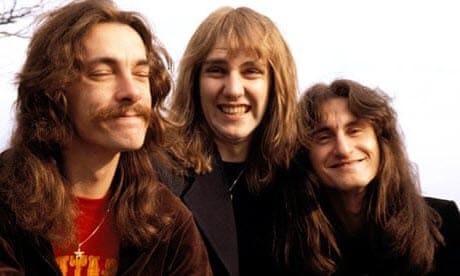
Few bands in rock history have achieved the level of innovation, musicianship, and cultural impact that Rush has. With a career spanning over four decades, this legendary Canadian trio—Geddy Lee, Alex Lifeson, and Neil Peart—redefined what it meant to be a rock band. Combining intricate compositions, thought-provoking lyrics, and unparalleled technical skill, Rush created a body of work that continues to inspire millions of fans around the globe. Their music transcends genres, blending progressive rock, hard rock, and even elements of synth-driven experimentation, all while staying true to their unique sound.
But what makes Rush truly special is their ability to tell stories—whether through epic sci-fi narratives, philosophical musings, or deeply personal reflections. Their songs are more than just tracks; they’re journeys that transport listeners to new worlds, challenge them to think deeply, and make them feel alive. From thunderous arena anthems to intricate instrumentals, Rush’s catalog is packed with unforgettable moments.
In this article, we’ll count down the top 10 most popular Rush songs of all time. These tracks represent the heart and soul of the band, showcasing their genius, creativity, and enduring legacy. Whether you’re a lifelong fan or discovering Rush for the first time, get ready to dive into their greatest hits!
1. “Tom Sawyer” (1981)
“Tom Sawyer” is undeniably Rush’s defining anthem, a song that not only encapsulates the band’s progressive rock identity but also solidifies its place in rock history. Released in 1981 on Moving Pictures, the song kicks off with an iconic, pulsating synth line before bursting into a whirlwind of complex drum patterns, fiery guitar riffs, and Geddy Lee’s distinctive, high-pitched vocals. The lyrics, co-written with Canadian poet Pye Dubois, introduce listeners to Tom—a modern-day rebel who’s fiercely independent and full of spirit. Neil Peart’s intricate drumming is nothing short of breathtaking, with every beat revealing his technical genius and innovative rhythms. This track doesn’t just represent Rush; it is an anthem for anyone who has ever felt misunderstood or out of place. “Tom Sawyer” continues to electrify audiences decades after its release, cementing its legacy as a true rock classic.
2. “Limelight” (1981)
From the same Moving Pictures album, “Limelight” stands as one of Rush’s most personal songs, penned by drummer Neil Peart as an introspective exploration of fame and its inherent isolation. The track blends raw, emotional lyrics with Alex Lifeson’s soaring guitar melodies, creating a powerful yet contemplative atmosphere. Geddy Lee’s melodic bassline and heartfelt delivery perfectly bring Peart’s words to life, capturing the tension between public adoration and the desire for privacy. With its unforgettable chorus and deep message, “Limelight” resonates with anyone who’s ever been thrust into the spotlight—whether through fame, or simply by navigating a world that demands attention. It’s a poignant reminder of the price of success and the personal toll it can take.
3. “The Spirit of Radio” (1980)
Opening Permanent Waves with infectious energy, “The Spirit of Radio” is a celebration of music’s transcendent power. Fusing progressive rock, reggae, and pop accessibility, the track highlights Rush’s knack for genre fusion. Inspired by Toronto’s CFNY radio station, the song’s lyrics are a tribute to music’s purity, a counterpoint to the increasingly commercialized industry. Neil Peart’s dynamic drumming and Lifeson’s sparkling guitar riffs fuel the song’s uplifting energy, while Geddy Lee’s vocals capture the joy of musical discovery. The line “For the words of the prophets…” cleverly nods to Simon and Garfunkel, further cementing the song’s love for music in its truest form. “The Spirit of Radio” is not just an anthem for music lovers—it’s a call to embrace the authenticity and connection that only music can provide.
4. “Closer to the Heart” (1977)
“Closer to the Heart,” from A Farewell to Kings, is one of Rush’s most enduring and uplifting songs. The track opens with an acoustic intro, led by Alex Lifeson, before transitioning into a powerful plea for unity and empathy. Written with Peter Talbot, the lyrics urge humanity to work together to build a better world, calling on leaders, artists, and individuals to embrace creativity and compassion. Geddy Lee’s soaring vocals and the band’s perfect chemistry breathe life into this timeless message. As a fan favorite and live performance staple, “Closer to the Heart” continues to inspire generations with its hopeful call for change and its musical brilliance. This song remains a heartfelt reminder of the power of working together for the greater good.
5. “2112” (1976)
The title track of 2112, Rush’s groundbreaking 1976 album, is a 20-minute epic that pushed the boundaries of progressive rock. A sprawling sci-fi narrative about the fight for individuality in a totalitarian society, “2112” is divided into seven movements, each showcasing the band’s musical mastery. Geddy Lee’s vocals convey the protagonist’s internal struggle, while Alex Lifeson’s electrifying guitar solos and Neil Peart’s thunderous drumming create a cinematic soundscape. The song is as much a journey for the listener as it is a demonstration of Rush’s instrumental prowess, blending storytelling with unmatched musical complexity. “2112” remains a defining moment in the band’s career and a cornerstone of progressive rock history.
6. “Subdivisions” (1982)
“Subdivisions,” from Signals, delves into the pressures and alienation of suburban life, capturing the feeling of being an outsider in a world obsessed with conformity. With its signature synth-driven sound, the track marked a new phase in Rush’s evolution, blending progressive rock with more modern elements. Neil Peart’s lyrics speak to the struggle of fitting in and the emotional cost of living in a world of “quiet desperation.” Geddy Lee’s haunting synth lines create an atmospheric tone, while Alex Lifeson’s understated guitar work adds depth. “Subdivisions” resonates with anyone who has ever felt disconnected or struggled to maintain individuality, making it one of Rush’s most emotionally charged and relatable songs.
7. “YYZ” (1981)
“YYZ” is an instrumental tour de force from Moving Pictures, showcasing Rush’s musical prowess at its peak. Named after the identification code for Toronto Pearson International Airport, the song opens with a Morse code pattern spelling out “YYZ,” before exploding into a complex arrangement of rhythms, solos, and seamless interplay. Each band member shines, with Geddy Lee, Alex Lifeson, and Neil Peart all delivering impressive performances that highlight their technical skill and synergy. “YYZ” is a fan favorite, proving that Rush’s ability to create instrumental music that captivates and excites is just as powerful as their vocal-driven tracks. This song is a testament to the band’s enduring brilliance.
8. “Fly by Night” (1975)
The title track of Rush’s second album, Fly by Night, marked a pivotal moment in the band’s evolution. Released in 1975, the song introduced Geddy Lee’s soaring vocals and Neil Peart’s poetic storytelling, capturing the excitement and uncertainty of embarking on new beginnings. The energetic, melodic tune reflects the thrill of leaving behind the familiar to embrace the unknown. Lifeson’s crisp guitar work and Peart’s dynamic drumming create a sense of motion, driving the song forward with urgency. “Fly by Night” is a powerful anthem of youthful ambition, and its upbeat tempo and adventurous spirit made it an instant classic.
9. “Freewill” (1980)
From Permanent Waves, “Freewill” is a philosophical exploration of free will versus determinism. The song’s upbeat tempo and electrifying instrumentation deliver its thought-provoking message with energy and urgency. Neil Peart’s lyrics challenge listeners to embrace the power of choice, rejecting the notion that life is predestined. Geddy Lee’s nimble bass work and fiery guitar from Alex Lifeson add to the track’s driving force, while Peart’s intricate drumming keeps everything in perfect sync. The instrumental break, featuring Lifeson’s dazzling solo, is a highlight, showing off the band’s musical virtuosity. “Freewill” captures the essence of Rush’s intellectual approach to rock music, combining philosophy with powerful, energetic music.
10. “Red Barchetta” (1981)
“Red Barchetta,” from Moving Pictures, tells a vivid and cinematic story of a futuristic car chase in a world where automobiles have been outlawed. Inspired by Richard Foster’s short story A Nice Morning Drive, the song’s narrative is brought to life by Geddy Lee’s emotive vocals, which perfectly capture the urgency and excitement of the chase. Alex Lifeson’s guitar work and Neil Peart’s drumming convey a sense of speed and thrill, with dynamic shifts that mirror the action of the story. From reflective moments to explosive crescendos, “Red Barchetta” is a prime example of Rush’s ability to craft songs that are both imaginative and musically exhilarating.

Samuel Moore is a frequent contributor to Singers Room. Since 2005, Singersroom has been the voice of R&B around the world. Connect with us via social media below.









