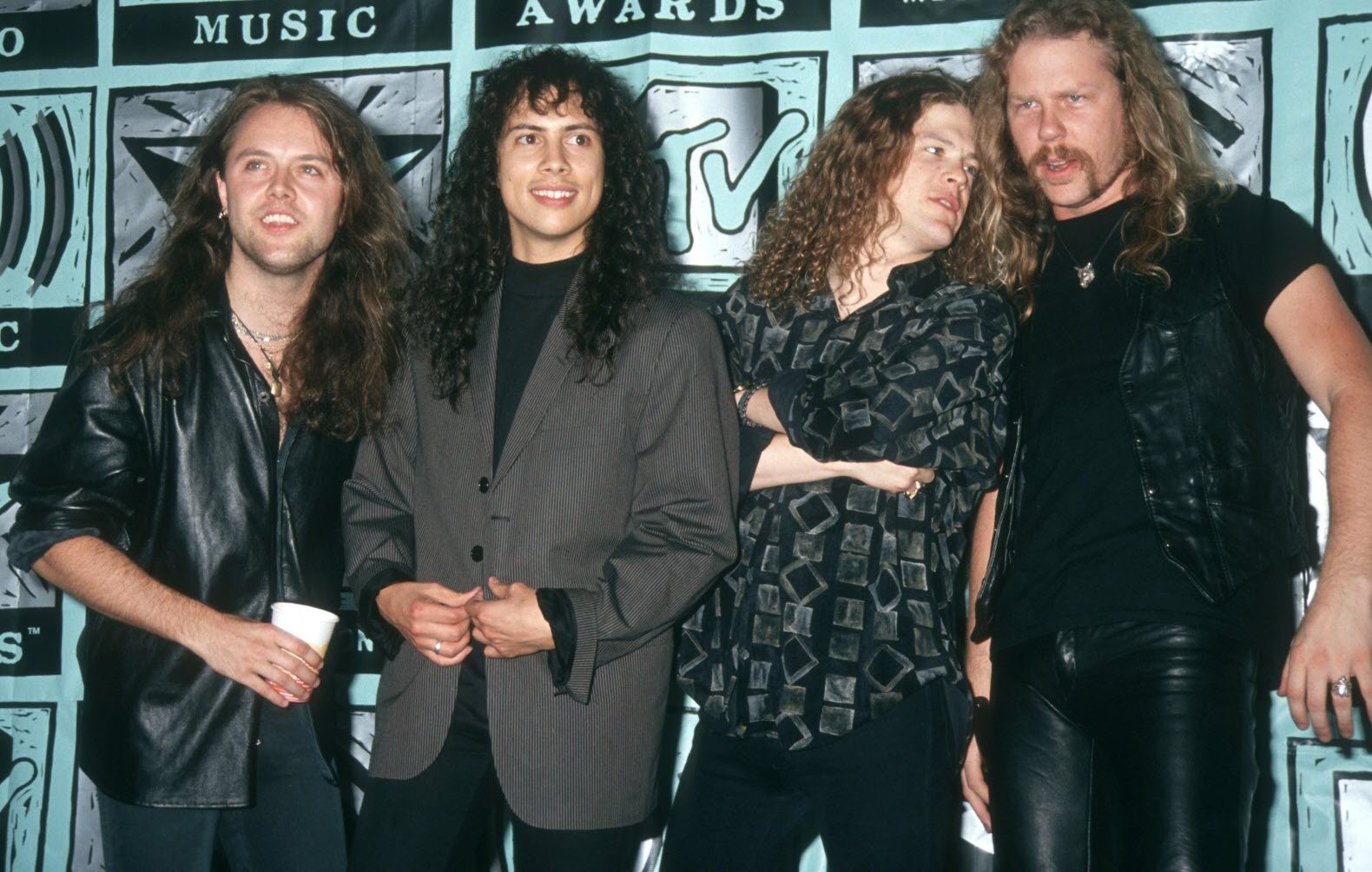
Metallica, the titans of thrash metal, have not only defined a genre but also captured the hearts of millions with their electrifying sound and powerful lyrics. Since their inception in 1981, this iconic band has consistently pushed musical boundaries, blending speed, aggression, and melody in a way that resonates deeply with fans around the globe. From their raw early days to their polished later albums, Metallica’s discography is a treasure trove of unforgettable anthems.
In this article, we’ll dive into the top 10 most popular Metallica songs of all time, showcasing tracks that have not only topped charts but also become staples in the world of rock music. Each song tells a story, whether it’s the haunting struggles of addiction, the chaos of war, or the raw energy of rebellion. Get ready to relive the riffs that have shaped generations and discover why these tracks have earned their place in music history. Whether you’re a die-hard Metallica fan or a curious newcomer, this countdown promises to ignite your passion for one of the greatest bands ever to take the stage. Buckle up as we embark on a heavy metal journey through the heart and soul of Metallica!
1. Enter Sandman (1991)
“Enter Sandman” is not just a song; it’s the defining anthem that catapulted Metallica from the realms of heavy metal greatness into the mainstream. The track opens with a chilling lullaby, setting an eerie, foreboding tone that slowly builds into a ferocious, riff-driven powerhouse. Released as part of their self-titled album (often referred to as The Black Album), “Enter Sandman” became an instant classic and remains one of the most recognizable songs in rock history. Its dark and ominous lyrics dive deep into the realm of childhood fears and nightmares, making it a universally relatable track that resonates with listeners of all ages.
James Hetfield’s powerful vocals are at the forefront of this masterpiece, his voice dripping with intensity as he belts out the haunting chorus and chilling verses. The song’s memorable guitar riff, delivered by the legendary Kirk Hammett, immediately grabs hold of the listener, while Lars Ulrich’s relentless drumming builds momentum, creating a sense of impending doom. As the song progresses, it transforms into a high-octane anthem that has been a staple of Metallica’s live shows for decades.
The themes of fear, anxiety, and childhood trauma embedded within the song are timeless, making “Enter Sandman” more than just a headbanging track—it’s a cultural touchstone. It invites us to confront our deepest fears, all while delivering an electrifying musical experience. Whether you’re hearing it for the first time or the hundredth, the song never loses its edge, and its ability to capture both new listeners and old fans alike is a testament to Metallica’s mastery of heavy metal. From arenas to radio waves, “Enter Sandman” has solidified its place as one of the greatest rock songs of all time.
2. Master of Puppets (1986)
“Master of Puppets” stands as one of the defining moments in Metallica’s career—a fierce, unrelenting exploration of addiction and control wrapped in complex musical layers. Released as the title track of their third studio album, it epitomizes the raw power of thrash metal and highlights the band’s signature sound: high-speed riffs, intricate guitar solos, and a searing, unyielding intensity. The song is a profound commentary on the manipulation of an addict by their drug of choice, personified as the puppet master who pulls the strings, effectively controlling the addict’s every move.
The song kicks off with a ferocious riff that has become synonymous with Metallica’s music, one of the most recognizable and beloved in heavy metal. It immediately sets the stage for the furious onslaught of sound that follows. Hetfield’s vocal delivery is raw and powerful, spitting the lyrics with a sense of urgency and rage that reflects the addiction metaphor perfectly. The complex shifts in tempo and dynamics throughout the track—from frenzied, chaotic sections to more measured, melodic moments—keep the listener on edge, never knowing what will come next.
As the song reaches its climactic finish, the intensity only increases, with the twin guitar assault of Hetfield and Hammett reaching new heights of technical brilliance. The relentless pace of the track and the intricate solos push the limits of thrash metal, making “Master of Puppets” an absolute tour de force. It’s a song that transcends its genre, drawing attention to the darkness of addiction while showcasing Metallica’s unparalleled skill and musical prowess. As an anthem of resistance, it continues to be one of the band’s most powerful and enduring tracks.
3. Nothing Else Matters (1991)
“Nothing Else Matters” marked a radical shift for Metallica, showing the world that the band was capable of more than just thrash metal anthems. Released on The Black Album, the track’s soft, introspective nature was a significant departure from the aggression that fans had come to expect from the band. Written by James Hetfield during a period of personal reflection, “Nothing Else Matters” opens with a delicate acoustic guitar intro, setting a somber tone that gradually builds into a lush arrangement with the inclusion of orchestral elements. The song’s melody is hauntingly beautiful, and its simplicity is part of what makes it so impactful.
The lyrics of “Nothing Else Matters” are deeply personal, reflecting Hetfield’s experience with the distance and isolation caused by his time on the road. The song’s central message is one of love and the importance of being true to oneself, making it a universal anthem for anyone who has ever felt disconnected or torn between their personal life and responsibilities. Hetfield’s voice is tender and vulnerable, which contrasts starkly with the raw, unfiltered aggression he’s known for, further deepening the emotional resonance of the song.
The orchestral arrangement adds a layer of grandeur to the track, expanding its sonic palette in ways Metallica had never explored before. “Nothing Else Matters” has since become one of Metallica’s most iconic songs, with its message of love and vulnerability resonating with a wide range of listeners. The song transcends the metal genre, finding a place in weddings, memorials, and all sorts of personal celebrations. It’s a testament to the band’s ability to evolve and show different facets of their artistry, while still maintaining their signature sound.
4. One (1989)
“One” is a hauntingly powerful song that stands as one of Metallica’s most intense and emotionally charged tracks. Based on the novel Johnny Got His Gun by Dalton Trumbo, “One” tells the story of a soldier who, after being severely wounded in battle, loses all of his limbs and senses, left in a state of complete isolation and despair. The song’s lyrics provide a harrowing glimpse into the mind of this soldier, conveying the trauma and suffering that comes with the horrors of war.
The track opens with a haunting, clean guitar intro before launching into a series of crushing riffs and thunderous drums. As the song progresses, it builds in intensity, with Hetfield’s growling vocals giving way to moments of melodic tension. The shifts between quieter, more introspective sections and the explosive, chaotic passages mirror the emotional journey of the soldier. The urgency and anguish expressed in Hetfield’s delivery create a palpable sense of desperation, making it one of Metallica’s most gripping and devastating songs.
Musically, “One” features some of Metallica’s most intricate guitar work, with both Hetfield and Kirk Hammett delivering blistering solos that complement the track’s emotional depth. The climactic final section of the song is a relentless barrage of sound, mirroring the soldier’s mental and emotional breakdown, before fading into a chilling, haunting silence. “One” is a poignant commentary on the impact of war, leaving listeners with a sense of emotional weight that lingers long after the song ends. It is a defining track for the band, showcasing their ability to mix aggression and melody in a way that makes a statement both musically and thematically.
5. Seek & Destroy (1983)
“Seek & Destroy” is the quintessential Metallica track that captures the raw, unrefined energy of the early thrash metal scene. Featured on their debut album Kill ‘Em All, the song is an explosion of youthful aggression and rebellion. It opens with one of the most iconic guitar riffs in metal history, instantly setting the tone for the frenetic pace that follows. The track’s relentless energy and fast tempo make it an anthem for anyone who’s ever felt the need to rebel, whether against societal norms or personal struggles.
The lyrics of “Seek & Destroy” are both chaotic and adrenaline-fueled, evoking the thrill of the hunt and the excitement of destruction. Hetfield’s powerful vocal delivery drives the song forward with a sense of urgency, as he chants, “We’re scanning the scene in the city tonight,” setting the stage for a relentless pursuit of annihilation. The chorus is infectious, encouraging the listener to embrace the chaos, making it a perfect anthem for Metallica’s live shows, where it is guaranteed to incite headbanging and crowd-surfing.
Musically, “Seek & Destroy” exemplifies the spirit of thrash metal with its breakneck tempo, intricate guitar work, and fast-paced drumming. The solo sections showcase Hammett’s virtuosic playing, adding a technical brilliance to the track’s raw energy. It’s a song that captures the early days of Metallica, filled with youthful exuberance and unbridled passion. Over the years, “Seek & Destroy” has become a staple in Metallica’s setlists, continuing to electrify crowds with its sheer intensity. It’s a track that defines the band’s roots, and its enduring popularity is a testament to the timeless energy and spirit of metal.
6. The Unforgiven (1991)
“The Unforgiven” stands as one of Metallica’s most emotionally complex and musically diverse tracks. Featured on The Black Album, this song diverges from the band’s usual high-speed thrash roots, showcasing a more nuanced and introspective side of their musical arsenal. The song’s blend of heavy, rhythmic guitars with softer, more melodic passages offers a striking contrast that serves to underscore the deep, soul-searching lyrics. “The Unforgiven” explores themes of inner turmoil, alienation, and the impact of societal expectations, as the narrator struggles to break free from the chains of judgment and emotional burden.
The track opens with a haunting, clean guitar intro that slowly builds into a heavy, dramatic chorus, setting the stage for Hetfield’s somber vocals. His delivery throughout the song is intense and filled with a palpable sense of pain, as he sings about the constraints placed on him by society and the torment that arises from feeling unworthy. The central figure in the song is one who, despite trying to conform and meet expectations, finds themselves rejected and isolated, ultimately resigning to their fate as “the unforgiven.”
Musically, the song is dynamic, with sweeping changes in tempo and intensity that perfectly match the song’s emotional landscape. The heavy guitar riffs and pounding drums give way to hauntingly melodic moments, with Hetfield’s voice taking center stage during the more introspective sections. The iconic bridge, featuring a masterful solo from Kirk Hammett, adds an extra layer of emotional weight, further solidifying “The Unforgiven” as one of the band’s most powerful tracks. Its themes of vulnerability and self-discovery resonate deeply with listeners, making it a standout in Metallica’s vast catalog.
7. Sad But True (1991)
“Sad But True” is an ominous, crushing track that delves into the darker side of human nature. Released on The Black Album, it’s one of Metallica’s most powerful and groove-laden songs, and its theme of internal conflict and despair makes it both unsettling and captivating. The song opens with a deep, pulsating bassline from Jason Newsted, setting a heavy, menacing tone that builds as the guitar riffs crash in, creating a wall of sound. Hetfield’s vocals are raw and commanding, reflecting the internal battle and harsh realities that the song explores.
The lyrics in “Sad But True” depict a relationship between an individual and an oppressive force, whether it’s an external authority or an internal struggle. The phrase “Sad but true” is repeated throughout the song, reinforcing the feeling of unavoidable truth—recognizing a bitter reality that one cannot escape. The track’s intensity is built on a powerful groove, with its slow, deliberate pace contrasting against the more frantic energy of Metallica’s other songs. This dynamic creates an unnerving effect, as if the listener is being dragged deeper into the song’s thematic world of despair and self-reflection.
The memorable riff, with its deep, crunching distortion, is one of Metallica’s finest moments, and the song’s overall groove is irresistible. It’s a track that makes listeners want to move, headbang, and lose themselves in its heavy rhythm, all while confronting the darker corners of the human psyche. “Sad But True” is one of those songs that sticks with you long after it ends, leaving an indelible mark on both Metallica’s legacy and the heavy metal genre as a whole.
8. For Whom the Bell Tolls (1984)
“For Whom the Bell Tolls” is a timeless classic that reflects Metallica’s ability to blend personal and philosophical themes with the intensity of heavy metal. Released on their second album Ride the Lightning, the track is inspired by Ernest Hemingway’s novel of the same name and explores the existential realities of war and mortality. The song’s opening is marked by a haunting bassline from Cliff Burton, which creates a deep, ominous atmosphere before the guitars come in, building a sense of foreboding and inevitability. The song’s driving rhythms and powerful guitar riffs add a sense of urgency, while the lyrics convey a deep awareness of the fragility of life.
The song’s lyrics reflect on the shared fate of soldiers who face death on the battlefield, emphasizing the common humanity that binds us all, regardless of where we stand in life. Hetfield’s commanding vocals, along with the song’s intense guitar solos and rapid-fire drumming, create an experience that mirrors the chaos and intensity of war. The repeated refrain “For whom the bell tolls, it tolls for thee” is a stark reminder of the inevitability of death and the impact of mortality on the individual, making it a somber reflection on the shared human experience.
Musically, “For Whom the Bell Tolls” is a perfect marriage of melody and aggression, with its fierce guitar riffs and intricate solos serving as a backdrop for Hetfield’s emotionally charged lyrics. The powerful rhythm section, led by Lars Ulrich’s drumming, keeps the energy high throughout, while the song’s key changes and shifts in tempo keep listeners engaged. As a live staple, “For Whom the Bell Tolls” continues to be one of Metallica’s most enduring and powerful tracks, standing as a poignant tribute to the harsh realities of war and the universality of death.
9. Fade to Black (1984)
“Fade to Black” is a deeply emotional and introspective song that demonstrates Metallica’s ability to merge melodic beauty with intense heaviness. Released on Ride the Lightning, the song explores themes of despair, loneliness, and the struggle with existential questions. It is a song that captures the delicate balance between light and dark, using soft acoustic passages to contrast with heavy, thunderous guitar riffs, creating an emotional rollercoaster that resonates with anyone who has faced personal struggles or feelings of isolation.
The song opens with a beautiful, melancholic acoustic guitar intro that gradually builds into an electric crescendo, mirroring the emotional tension that the song’s protagonist experiences. Hetfield’s voice is hauntingly sincere, as he sings about feeling lost and disconnected from the world around him. The lyrics convey a sense of resignation, as the protagonist grapples with the idea of fading away, both physically and emotionally. As the song progresses, the intensity rises, with the explosive guitar solos providing a cathartic release of energy.
“Fade to Black” is an early example of Metallica’s ability to transcend traditional heavy metal boundaries, incorporating softer, more melodic elements without losing their core aggression. The song’s blend of introspective lyrics and powerful instrumentation makes it one of Metallica’s most beloved tracks. It’s a song that not only defines the band’s musical growth but also resonates with listeners on a deeply personal level, making it one of the most enduring and emotionally significant songs in their catalog.
10. Battery (1986)
“Battery” is a fierce and unrelenting opener for Metallica’s Master of Puppets album, and it showcases the band’s thrash metal prowess at its most intense. From the very first note, the song assaults the listener with a barrage of high-speed riffs, blistering solos, and relentless drumming. The song is a sonic explosion, capturing the raw aggression and frenetic energy that defines the thrash metal genre. Its lyrics are an anthem of rebellion and strength, exploring themes of violence and the liberation that comes with embracing aggression.
The track begins with a distorted, churning guitar intro, gradually building momentum as the song crashes into full force. Hetfield’s vocals are delivered with a sense of urgency and defiance, setting the stage for a thrash metal onslaught that doesn’t let up. The song’s tempo shifts frequently, creating a sense of unpredictability and chaos, while the intricate guitar work keeps things musically engaging. The track culminates in a blistering solo from Kirk Hammett, showcasing his technical skill and adding an extra layer of intensity to the already ferocious song.
“Battery” is the perfect representation of Metallica’s thrash roots, full of speed, aggression, and complexity. It’s a track that demands attention from start to finish, and its ferocity makes it a fan favorite. As an opener for Master of Puppets, it sets the stage for the rest of the album and remains one of Metallica’s most beloved and iconic songs. Its enduring popularity is a testament to the sheer power and intensity of the track, making it a defining moment in the band’s legacy.

Edward Tomlin is a frequent contributor to Singers Room. Since 2005, Singersroom has been the voice of R&B around the world. Connect with us via social media below.







